Managing Teff with Drip Tape Irrigation: Key Maintenance Tips
Introduction to the Importance of Drip Strip in Rye Cultivation
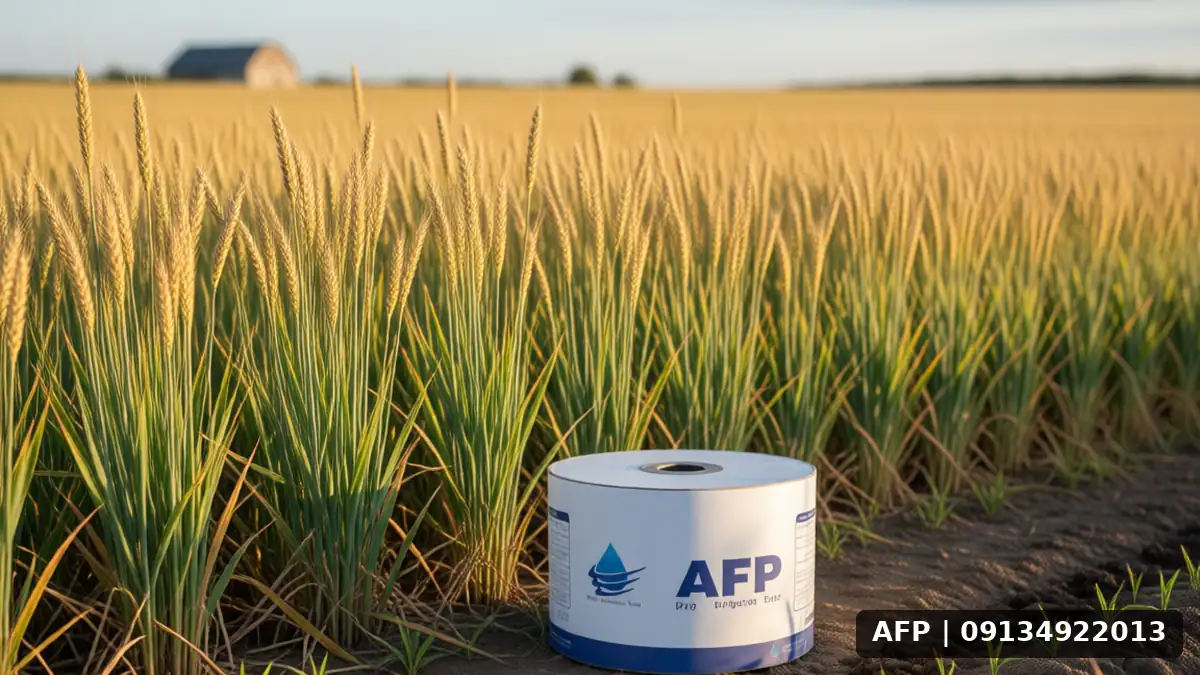
Rye is a significant cereal in the bakery and bio-industries. Due to its lower water requirements compared to other crops, it is considered a suitable option for semi-arid regions. The use of drip strip or banded drip irrigation is the most efficient method for supplying water and nutrients to the root zone of this crop. In this method, water is delivered directly to the root zone, which reduces evaporation, controls weeds between rows, and improves water use efficiency.
However, success in barley cultivation using drip tape is not dependent solely on the installation of the pipes; it includes the complete cycle of maintenance, filter cleaning, pump operation, and threshold pressure management. A drip tape system that is not properly maintained can lead to clogging of the tape emitters, uneven water distribution, and consequently, a significant reduction in crop yield. Therefore, a deep understanding of the process of drip tape irrigation and its maintenance principles is essential for every farmer.
Specialized maintenance principles for drip tape systems for barley
Water Quality Management and Clog Prevention
The most critical component of drip tape system maintenance is water inlet management. Soils with high sediment content or water from deep wells may contain suspended solids, calcium deposits, or organic matter that cannot pass through the small emitters of drip tape. Using appropriate filters (such as disc, turbo, or sand filters) installed at the start of the main line is essential. For rye, which has delicate roots, fine particles entering the root zone or clogging the tape holes cause stress that leads to delayed growth.
Additionally, using injection systems for fertilizers and chemicals to prevent sedimentation inside the tape is necessary. Periodic cleaning of filters based on flow rate and water quality is an integral part of the maintenance schedule.
Pressure and Flow Rate Management Across the Field
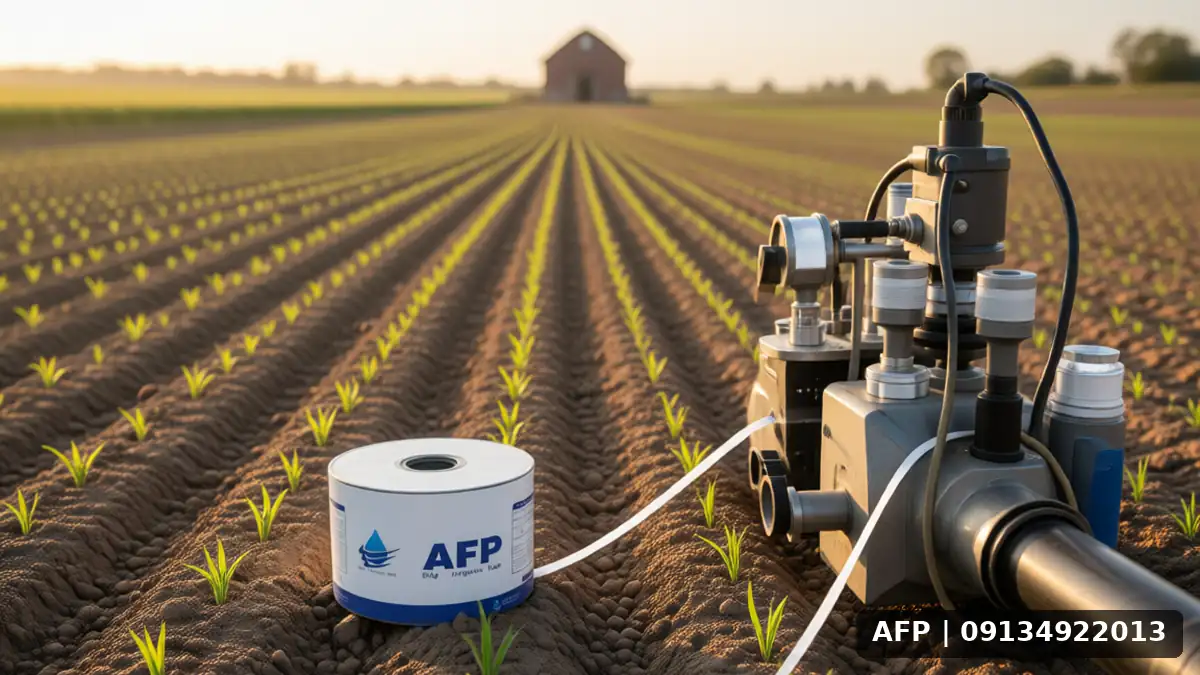
In rye cultivation using drip tape, uniform water distribution throughout the field is vital. Pressure drop at the end of lateral lines can cause relative dryness in that section of the field, leading to uneven rye growth. The appropriate working pressure is typically between 1 and 2 bar for standard drip tapes. Installing pressure gauges at the field inlet and adjusting main pumps to maintain pressure at the ends of the laterals requires precise hydraulic calculations.
Furthermore, the output flow rate of each tape must be adjusted to meet the immediate water requirements of rye at each growth stage. During early establishment, a lower flow rate is needed, while during the stage of longer stem growth, a higher flow rate is required. These adjustments should be made with expert advice and based on local conditions to prevent soil salinization. For further reading on the general principles of drip irrigation systems, you can use comprehensive drip tape guide Apply it to cover similar technical principles.
Practical Tips for Better Rye Performance
Initial Setup and Simultaneous Planting
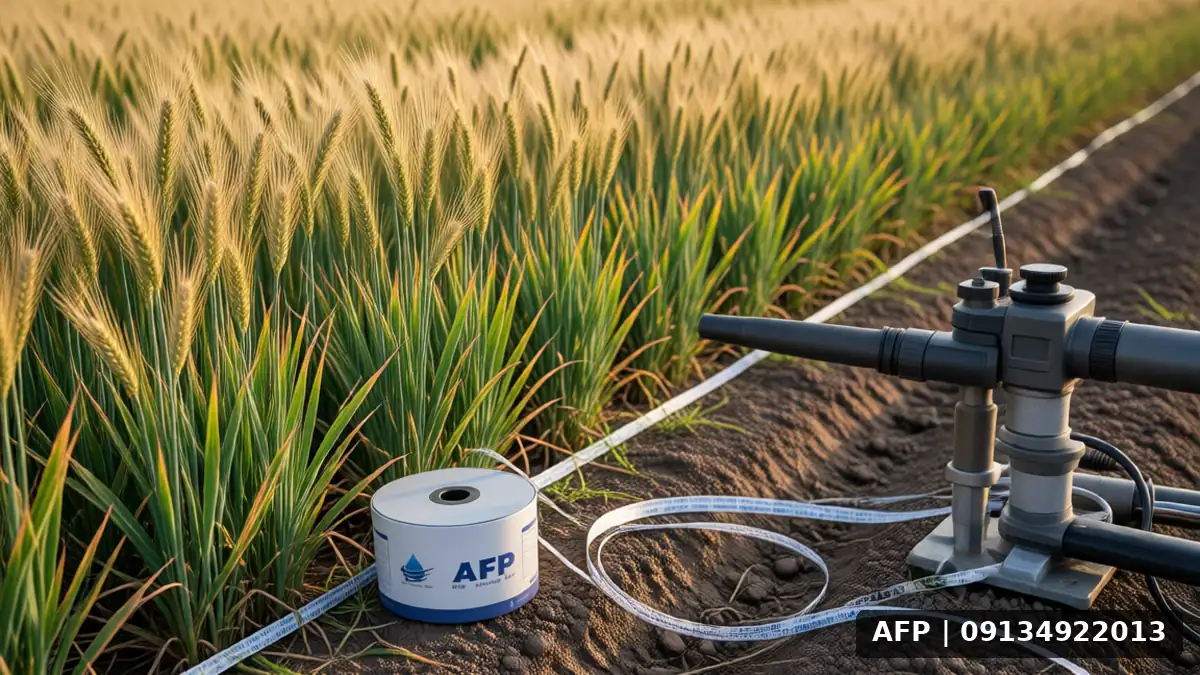
The optimal time to install rye drip lines is a few days before planting. This allows for adequate soil moisture conditioning and ensures the stability of the lines in the soil. The spacing between lines must be synchronized with the row spacing of the rye. Typically, lines are placed 20 to 40 cm from the center of the rows to allow roots access to water without causing root suffocation.
- Place the lines at a depth of 5 to 10 cm below the soil surface.
- Ensure that the lines extend to the end of the field and are correctly connected to the main collector.
- Use fittings compatible with the working pressure of the lines.
Routine care during the growing season
Rye is a cool-season crop, and its water requirements vary by season. During warm months, transpiration increases. Weekly inspection of the system to identify tape tears, leaking connections, or significant pressure drops is essential. Any tear in the drip tape must be immediately repaired with special clamps or plastic repair kits, as a leak at one point causes over-irrigation in that section and water stress in another part of the field.
Additionally, keeping the field free of weeds and invasive plants around the tapes is a key point. Shading or root establishment of invasive plants in the tape area can block emitters or cause water to be absorbed by unwanted plants. Integrated weed management using targeted drip irrigation is one of the main advantages of this system.
Nutrient Management and Interactions with Drip Tape
Rye is sensitive to nitrogen. Drip tape allows water-soluble fertilizers (such as ammonium nitrate or liquid urea) to be delivered directly to the root zone. This method offers better uptake than surface broadcasting. However, precision in chemical concentration is critical. Excess fertilizer concentration can cause root burn in rye or chemical precipitation inside the drip tape. Always ensure full dissolution of materials before injection and follow dosages recommended by soil tests.
If your farm includes mixed crops or multiple fields, understanding the estimated water and nutrient requirements for other crops can also help improve resource management. For example, studying the yield of fenugreek per hectare or the yield of cilantro per hectare can provide estimation management patterns for calculating the water needs of other crops, although rye is an annual plant with its own specific conditions.
Preventing Common Issues and Troubleshooting
- Clogged holes: If you notice that water is not coming out of the tapes or the distribution is uneven, the holes have likely clogged due to sedimentation. It is recommended to flush pre-filters and use mild acids or chlorine in controlled amounts for internal line flushing.
- Physical damage: Animal intrusion or tool scratches can damage the tapes. Using side guards or protective covers in areas with many small animals can help prevent this damage.
- Color change of the tape: Discoloration of TPE tape, appearing cloudy or black, can indicate biological growth or organic sedimentation. In such cases, replacing biological filters and using disinfection systems is recommended.
- Notable pressure drop: If output pressure is low, the pump may be worn or the main line may be blocked somewhere. It is essential to check the meter accuracy and main connections.
For a better understanding of drip tape status-change mechanisms and common issues, study the document How to Change Drip Tape which can provide technical insights into these topics.
Frequently Asked Questions (FAQ)
Why should drip tape be installed deeper than the soil seeding depth?
Installing the tape at a depth of 5 to 10 centimeters ensures that water reaches the active root zone of the barley directly and prevents direct evaporation from the surface. It also prevents surface root suffocation due to excessive saturation.
How often should drip tape filters be cleaned during the season?
Depending on the quality of the water used, disc filters should be cleaned every 2 to 4 weeks, and turbine filters every 4 to 6 weeks. If the water is turbid, this process should be performed monthly or even weekly.
Is drip tape suitable for all growth stages of rye?
Yes, but the flow rate must be adjusted. At the seedling stage, less water with higher frequency is required to prevent suffocation of young roots. During the vegetative growth stage, the flow rate can be increased.
Summary
Maintaining rye using drip tape is a modern, high-yield approach that, if proper maintenance principles are followed, can lead to reduced water consumption and improved crop quality and yield. The key to success lies in continuous system cleanliness, pressure management, and coordination between planting and irrigation. Considering rye’s sensitivity to water and soil conditions, precise implementation of drip tape maintenance protocols can make the difference between a regular crop and a high-quality one. Farmers are advised to work with irrigation specialists to optimize practices based on local farm conditions.
Related Articles: mung bean seed rate per hectare afghanistan