Central Pivot Irrigation in Green Onion Farming: A Cost Optimization Guide
Introduction to Centralized Irrigation in Green Onion Cultivation
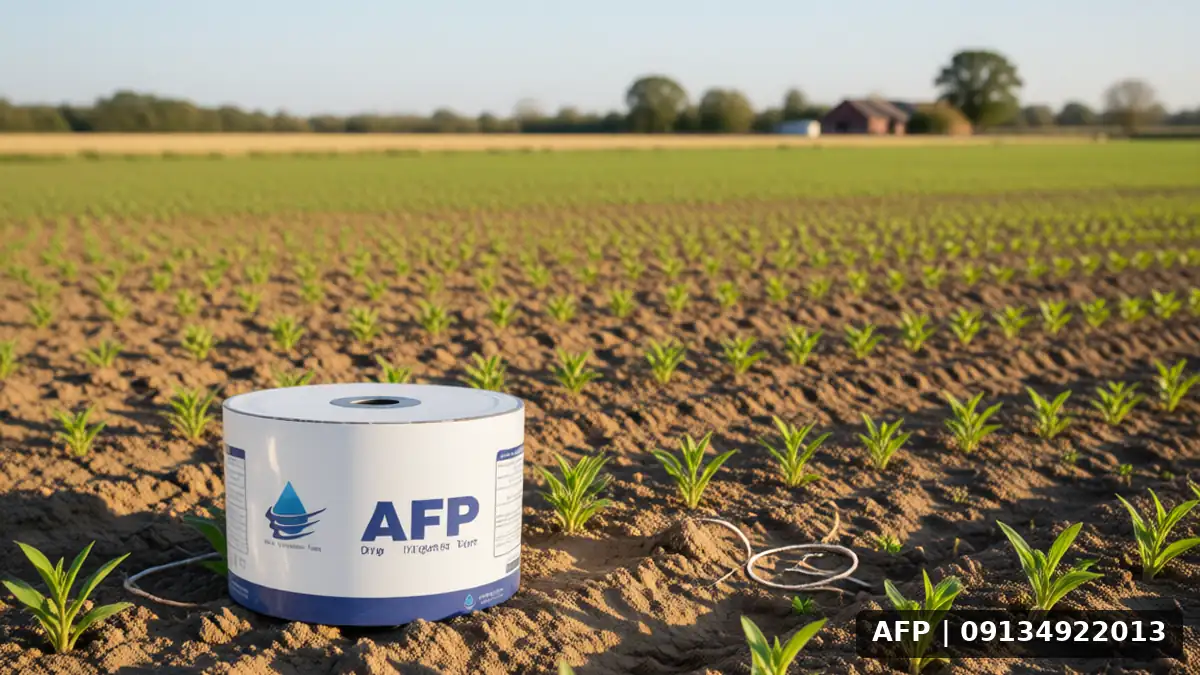
Green onion is a water-sensitive crop where precise soil moisture management throughout its growth cycle can determine the final yield quantity and quality. Given the current constraints on water resources and rising energy costs, the use of centralized irrigation particularly in the form of drip and strip systems, has shifted from a luxury option to an economic necessity. The primary objective in green onion cultivation is to deliver water directly to the root zone with minimal loss. This centralized approach not only benefits the health of the green onion but also reduces agricultural operational costs by decreasing the need for mechanical soil tillage. This article focuses on the cost and technical aspects of centralized irrigation for green onion, enabling farmers to make fully informed decisions for their budgeting.
Technical and Economic Advantages of Center Pivot Systems in Allium Cultivation
Center pivot irrigation systems prevent water stress during the critical bulb bulking stage by creating a uniform water distribution pattern. In Allium crops, roots are shallow; due to their proximity to the soil surface, they rapidly receive the required water. The use of drip tape or drip lines in this regard allows for more precise control of irrigation amounts. From an economic perspective, although the initial installation cost of these systems is higher than flood irrigation, the return on investment is typically significant within the first to second year due to reduced pumping energy costs, lower labor costs, and increased yield. To better understand the relationship between tape types and system performance, you can read the article on Types of Irrigation Tapes and Their Performance to learn about the technical differences between various brands.
- Water Consumption Reduction: Micro-irrigation systems save 30 to 50 percent of water compared to flood irrigation.
- Soil Structure Preservation: Prevents soil erosion and hardpan formation caused by the direct impact of water flow.
- FOLIar Feeding Capability: Enables the injection of soluble fertilizers during irrigation (Fertigation) and reduces fertilization costs.
Initial Installation and System Design Costs
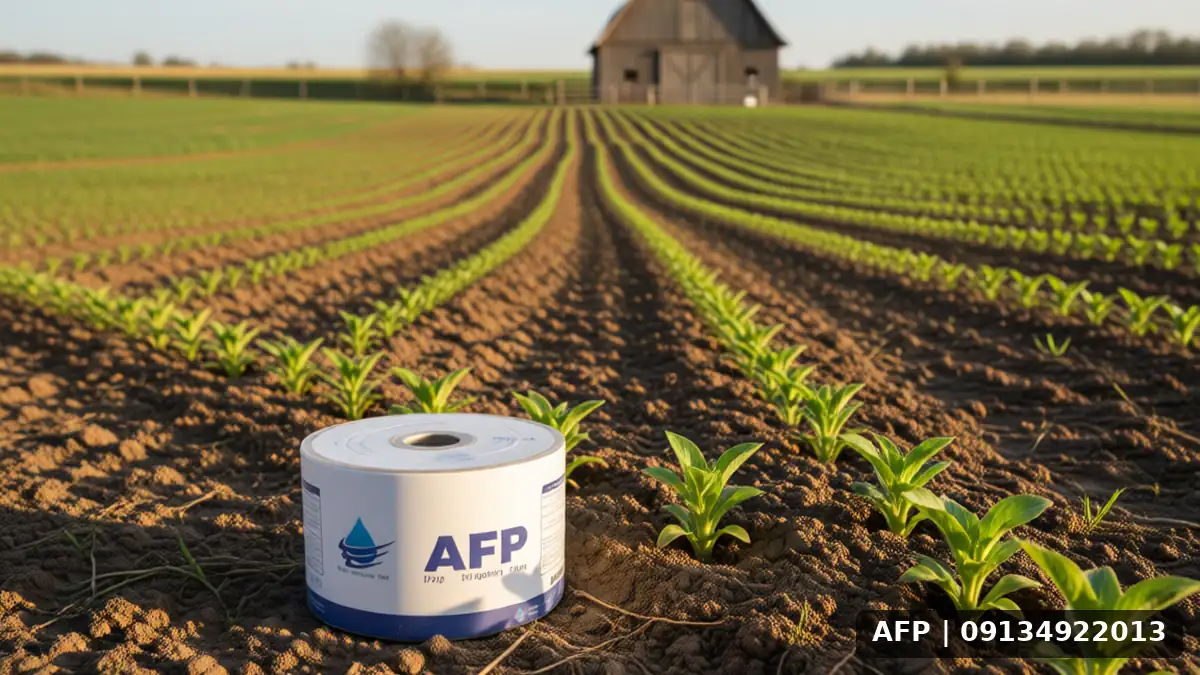
The majority of costs associated with micro-irrigation for seedling rows are related to initial equipment. This includes heads, sprayers, pumps, and essentially the tape or drip line itself. For seedling crops with specific row spacing, the selection of tape type is of high importance. Single-line tapes are generally more suitable and cost-effective for narrow seedling rows. Conversely, double-line tapes or surface drip lines are used for wider rows. When determining costs, excavation and substructure preparation expenses must not be overlooked. Drip tape installation steps The process is described step-by-step to help you estimate the workload more accurately. Additionally, selecting a drip tape pressure rating that matches the system pressure is a key parameter for managing future maintenance costs. If the system is not designed for the required high pressure, the tape will suffer damage sooner, increasing replacement costs.
Practical tips for reducing operational costs
After installing the system, daily management plays a key role in reducing costs. In onion cultivation, which features rapid growth, the irrigation schedule must be adjusted according to growth stages. In the early stages, irrigation is lighter and more frequent, but as the onion bulbs expand, water demand increases. One of the biggest hidden costs in center-pivot irrigation is the clogging of drip or micro-sprinkler holes due to calcium deposits or contamination. To prevent these significant repair costs, using an adequate amount of filters at the head box is critical. Filters should be washed once a week. In addition, precise system pressure regulation using a manometer prevents over-pumping, which directly affects electricity or fuel bills. Furthermore, maintaining constant pressure throughout the row helps ensure uniform water distribution, leading to consistent yields and preventing resource waste.
Investment in ancillary equipment and service life
Center-pivot irrigation for onions does not extend to drip lines only; branch lines and valves also play a role. Using plastic lines with standard thickness increases the system’s lifespan. In this regard, familiarity with the prices of downpipes and high-pressure pipes and their differences from irrigation pipes helps you avoid purchasing expensive components for simple applications. For example, using high-pressure pipes to transport water from the source to the head box is logical, but using them for on-farm internal lines that require lower pressure is not cost-effective. Also, proper maintenance of valves and preventing freezing in cold regions will prevent increased repair costs. An annual review of the system before the onion planting season can minimize seasonal breakdown costs.
Frequently Asked Questions (FAQ)
Is drip irrigation the same for all types of onion sets?
Not entirely. Onion set varieties with greater bulbing potential require a more precise irrigation schedule. Drip systems provide the flexibility to make these adjustments. However, drip line spacing must be adjusted based on row width and variety type. Study Drip line spacing in row-cropped systems can be a good guide for adapting to onion sets, as the principles of root zone spacing are similar.
When is the best time to replace drip tape?
Drip tape typically has a useful life of 2 to 3 years, but this depends on soil quality and storage methods. If the tape shows breaks, large holes, or significant pressure drop at the end of the line, it is time to replace it. The replacement cost should be included in the annual drip irrigation budget for onion sets.
Can drip tape be reused for other crops after onion sets?
Yes, if the system design is modular and spacing is adjustable, the lines can be reused for subsequent crops such as sweet corn or legumes. For better planning, you can refer to tape line spacing for grain corn to understand how to make adjustments for future plantings.
Summary
Cost management in center pivot onion seedling irrigation is a dynamic process requiring attention to technical details. The key to economic success lies not solely in the initial purchase price of the tape, but in considering the entire system lifecycle. By selecting appropriate equipment, implementing preventive maintenance, and fine-tuning the irrigation schedule based on onion seedling growth, one can benefit from the dual advantages of reduced water costs and increased yield. Farmers are advised to consult installation specialists and study technical educational resources, such as the difference between tape and drip lines, before making major decisions to select the best technology for their farm conditions. The future of onion seedling irrigation depends on intelligent investment to prevent hidden costs and ensure sustainable profitability.