Rainfed Irrigation in Fava Bean Cultivation: Prerequisites for Success
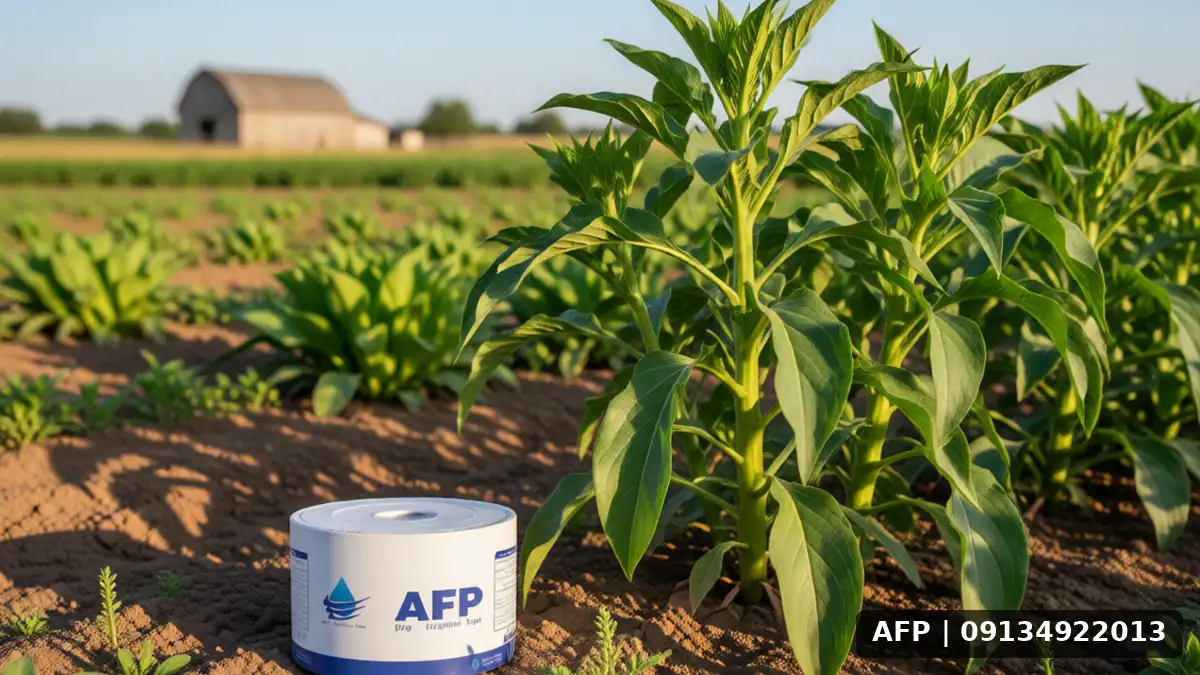
Faba bean cultivation, as one of the most important rainfed and irrigated legumes in the cold and semi-cold regions of Iran, has always been a focus for farmers. Although rain-based irrigation (or natural rainfall) was the dominant method in the past, climate change and water scarcity have shifted the perspective on water resource management. In this regard, it is essential to understand the prerequisites for irrigating faba beans under various conditions, including the smart use of drip and sub-surface drip systems to supplement or replace rainfall sources. In this article from Irrigation strips we examine the technical, agronomic, and economic prerequisites in detail so that you can make better decisions for your farm.
Introduction to the Importance of Water Management in Faba Bean Cultivation
Faba beans are highly sensitive to soil moisture conditions during the early growth stages. Although this crop benefits significantly from rainfall, relying 100% on natural precipitation carries significant risks, such as salinization, weed infestation, and relative water deficit during critical seasons. Therefore, the first prerequisite is establishing infrastructure for precise water management. This can include using supplementary irrigation systems. To better understand the importance of appropriate planting density, you can refer to the article on rainfed seed quantity per hectare, which shows that planting density directly affects water requirements and pipe laying distances.
Prerequisites for Soil Analysis and Land Preparation
Before any irrigation action, a precise understanding of the soil in your faba bean farm is essential. Drip and sub-surface drip irrigation differ from flood or rain-based irrigation; in precision systems, soil aeration and permeability become critically important.
- Soil pH and EC Analysis: Fava beans grow well in substrates with a pH that is neutral to slightly alkaline. Precise irrigation helps reduce salt accumulation at the soil surface, but it requires proper management of salt leaching.
- Soil texture: In clay and heavy soils, low permeability may make drip tape more efficient than point-source drip irrigation to prevent root rot.
Additionally, proper land preparation includes plowing and subsoiling to level the field surface. Any minor depressions can cause water accumulation and rot in fava bean rhizomes. To understand the various coefficients and parameters affecting overall crop performance, study grain yield per hectare and the influencing factors can provide a better perspective on agronomic management, although fava beans have different physiological requirements.
<>
Choosing an irrigation system: Drip or Drip Tape?
The main prerequisite for selecting the emitter type is soil texture and planting density. Fava beans are typically planted in rows at a spacing of 50 to 75 centimeters.
Benefits of drip tape for peas
Drip tape is an excellent option for legumes in clay and loam soils due to its ability to create controlled moisture in a narrow strip of the root zone. This system allows for leaching salts at lower dosages. Additionally, the maintenance cost of drip tape is usually lower than that of small manifold drippers. It is recommended to become familiar with the drip tape maintenance guide and costs to enable more accurate annual budgeting.
Attention to pipe spacing
For legumes, the distance between two watering strips is usually adjusted to match the planting spacing. This alignment is a necessary prerequisite for uniform water distribution around the plant.
<>
Agricultural prerequisites: Seed, fertilizer, and stress management
Precision irrigation without proper agronomic management will have limited efficiency. One key prerequisite is selecting high-quality seeds that are resistant to water stress.
- Planting density: Adjust planting density based on the regional climate. In high-rainfall areas, reducing density can increase space per plant and reduce competition for water.
- Fertilizer management: In drip line systems, fertigation is possible. Broad beans are sensitive to nitrogen, but excess application leads to excessive vegetative growth and yield loss. You can draw inspiration from general fertilization principles in other crops, such as the watermelon management guide, which emphasizes nutritional balance.
- Weed management: Local irrigation keeps more space between rows dry, which can encourage weed growth. A prerequisite for weed control is the use of mulching or pre-planting herbicides.
Furthermore, pest and disease management is important under moist root conditions. Drip line systems, if properly configured, reduce surface moisture and inhibit pathogens.
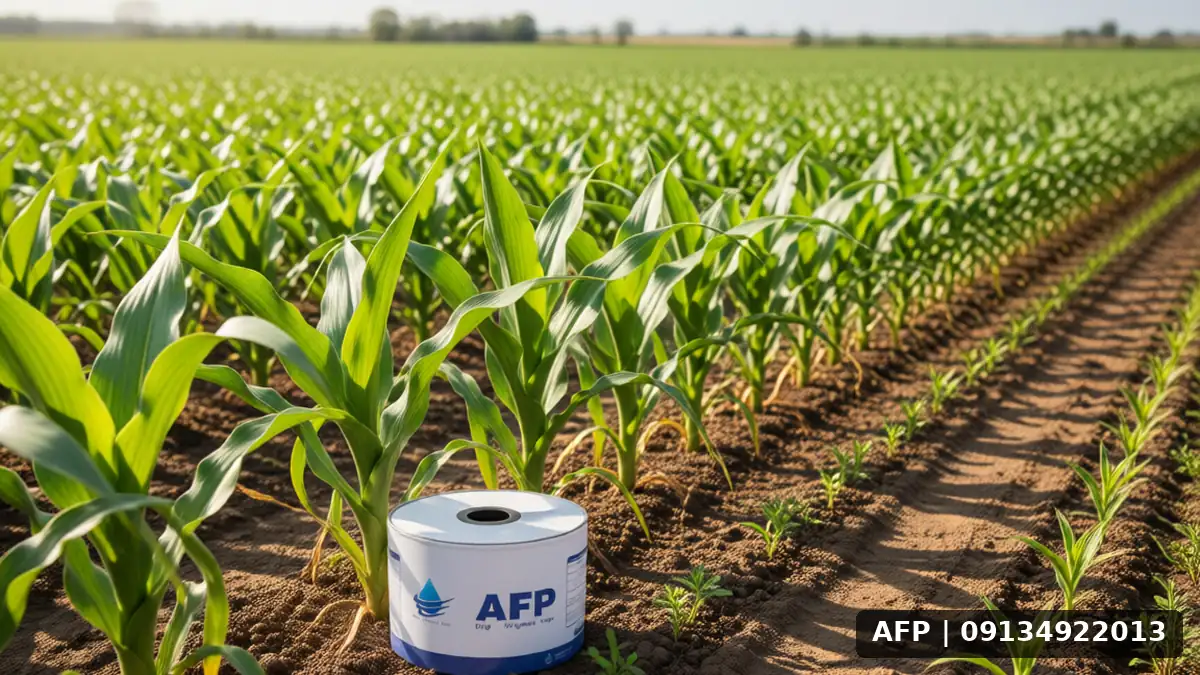
Practical and technical operational points
For successful implementation, consider the following points as practical prerequisites:
- Pressure Support: Pulses require uniform irrigation. Checking the pressure profile of drip lines and emitters along the field slope is mandatory. Pressure drop on field hills can lead to under-irrigation at the end of the lateral line.
- Irrigation Scheduling: Pulses are sensitive to water stress during the grain-filling stage. Monitoring soil moisture with tensiometers or probes is a prerequisite for precise scheduling. For comparison with other crops, studying the yield of green peas per hectare can indicate the sensitivity of vegetable crops to harvesting and irrigation timing.
- System Support: Check the seed rate of field peas per hectare, as field peas are also a crop with similar planting density and water requirements to pulses in many climates, and the general principles of irrigation management remain the same.
<>
Frequently Asked Questions (FAQ)
Is drip line irrigation beneficial for dryland pulses?
Yes, even in dryland farming, using drip tape as a backup system in dry years can prevent total crop loss. This is a prerequisite for production security.
What is the ideal drip tape spacing for field beans?
A spacing of 50 to 60 centimeters is typically recommended, placed directly under the bean plants. This spacing should correspond with your planting density.
When is the best time to irrigate beans using a precision system?
In the early morning or late afternoon, to prevent evaporation and heat shock to the roots.
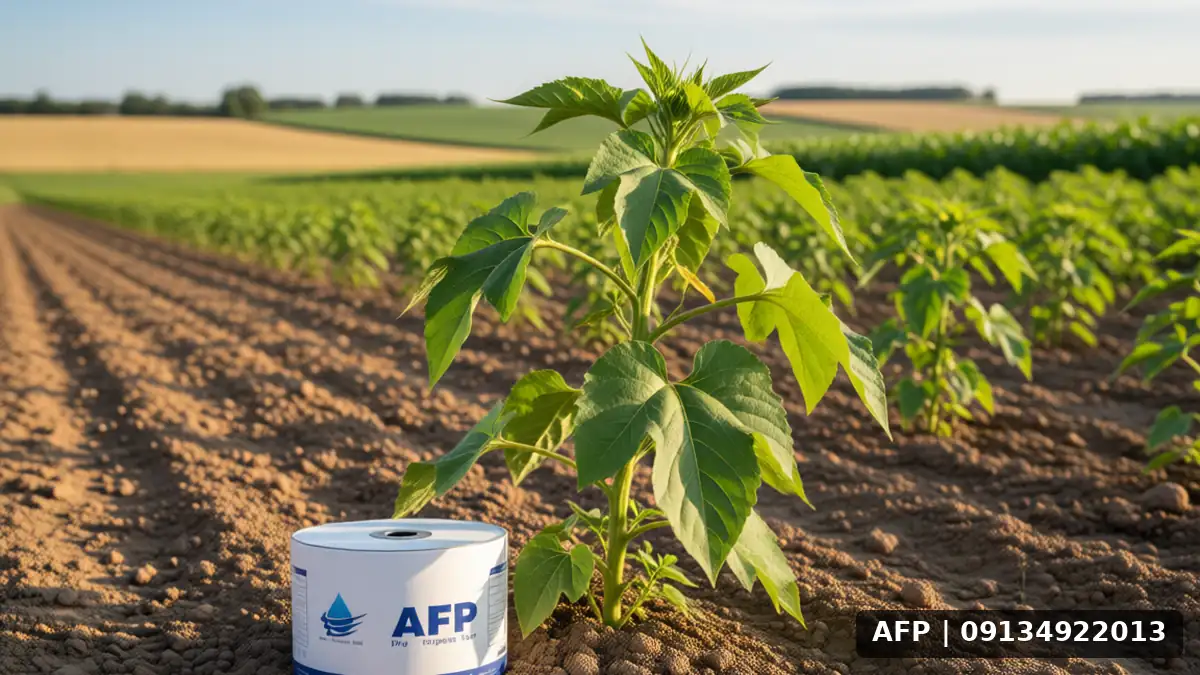
Is drip tape suitable for sandy soils?
Sandy soils have high permeability and often require more frequent but smaller irrigation volumes. Drip tape can be used, but low-flow emitters or high-frequency systems may be more optimal. Consulting with a technical expert for precise settings is essential.
What is the cost of setting up a precision irrigation system?
The cost depends on the mainline length, emitter type, and terrain complexity. For an accurate estimate, it is recommended to consult with technical experts by providing the farm map.
Conclusion
Implementing sprinkler irrigation for pulses without considering technical and agronomic prerequisites is risky. By understanding the importance of soil analysis, selecting the appropriate drip or tape system, and managing moisture precisely, you can increase your yield and optimize water use. Investing in precision irrigation infrastructure is not just a cost but a prerequisite for the economic and job security of farmers in today’s unstable climate conditions. It is always recommended to conduct a detailed water requirement analysis in your region and utilize specialized advice before installation.
Related articles: Chickpea dry seed rate D8AFD8B1 per hectare, Pea seed rate per hectare + factors affecting the determination of the rate, Letuce seed amount (kg/ha)