Drip Line Maintenance in Melon Cultivation: A Comprehensive and Practical Guide
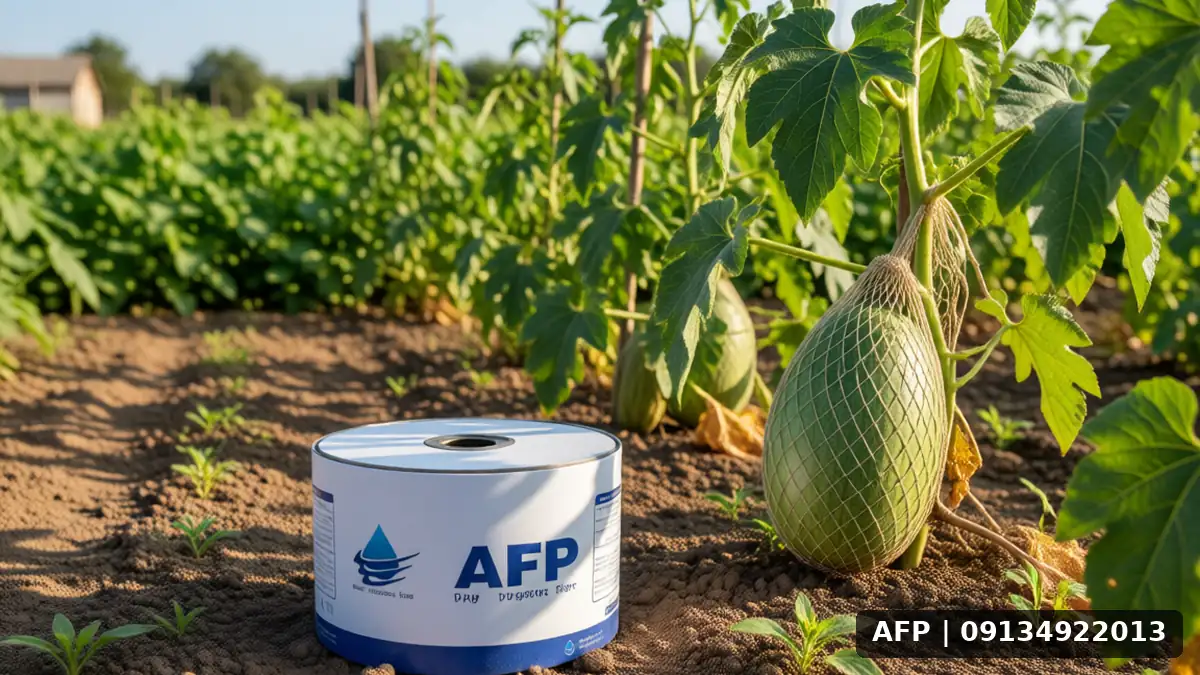
Cantaloupe cultivation using pressurized irrigation methods, particularly drip tape, has become one of the most sought-after methods for growers in recent years. However, as you know, an expensive irrigation system only achieves efficiency if it is properly maintained. Types of drip lines and performance can vary in behavior in your fields depending on material and manufacturing quality. Therefore, understanding the correct principles for drip tape maintenance not only extends the useful life of the system but also prevents uneven water distribution and poor rooting in sensitive crops such as cantaloupe. In this guide, we have compiled all the technical and practical details to help you make the best decisions to maintain the health of your irrigation system.
Why is drip tape maintenance vital for cantaloupe cultivation?
Seed or vine crops such as melon require continuous, uninterrupted water and nutrient supply during high summer temperatures. Drip tapes, due to their high output velocity, become clogged with calcium carbonate deposits or biofilm growth within weeks if not properly maintained. Uneven clogging causes some rows of melon plants to remain under-watered while others suffer from waterlogging or root diseases.
- Increasing yield efficiency: A clean system guarantees uniform water delivery, which directly impacts fruit weight.
- Reducing maintenance costs: Preventing severe clogging avoids pump breakdowns and increases in required pressure.
- Preserving soil chemistry: Proper use of drip irrigation water prevents salinity accumulation around emitter holes.
Although many farmers believe that drip tapes are single-use items requiring no maintenance, the reality is that by following technical principles, this system can be used for multiple cropping seasons or at least preserved carefully until the end of the season. To better understand the challenges ahead, you can refer to 3-inch pipes and their applications Also review the following to understand the importance of selecting the appropriate main pipe diameter for supplying the drip lines.
Technical principles in selecting and laying out drip lines
Before discussing maintenance, understand that initial installation is 50% of the key to future success. The distance between melon rows, the output rate of emitters, and the width of the drip line must be in harmony.
- Precise mapping: Before implementation, draw straight and uniform lines. Irregularities in the drip line cause pressure accumulation in some areas and reduction in others.
- Selecting the appropriate burial depth: For melons, burying the drip line at a depth of 5 to 10 centimeters is generally recommended to directly feed the roots while avoiding exposure to intense sunlight.
- Calculating operating pressure: Ensure that the pressure inside the drip tape does not exceed the permissible limit. Excessive pressure can cause the tape to blow out of its holes or burst the thinnest parts of the pipe.
Also, consider that the quality of the drip tape material is directly linked to its resistance to UV light and mechanical pressure. A comprehensive guide on greenhouse and indoor irrigation tape can deepen your understanding of the differences between various materials (LDPE with thicknesses of 0.8, 1.0, and 1.2 mm).
Daily and weekly maintenance planning
1. Visual Inspection
Once a week, inspect the end caps and tail ends of the tapes. If the water emitted from the emitters is not in a consistent and regular drip, there is likely internal clogging or degradation.
2. Backflushing
Midway through the irrigation cycle, open the main pipes in the reverse flow direction for 3 to 5 minutes to flush out light sediment from the drip line ends. Given the sensitivity of melon root systems, this step should not be overlooked.
3. Proper Valve Calibration
Thermostatic or mechanical valves should be calibrated before the season begins. If the valves are not fully open, pressure inside the drip tape will increase, eventually causing it to expand or rupture.
Throughout the season, monitor the edges of the drip tape to ensure they are not damaged by animals or earth-moving equipment. Even a small hole at the edge of the tape can cause pressure loss and damage the entire row.
Key Tips for Preventing Clogging and Fungal Contamination
Our technical support teams always emphasize that chemical and biological clogging are the two main enemies of drip tape. For prevention, use chemicals at low concentrations during the pre-irrigation stage to prevent sediment from forming on the inner walls of the tape.
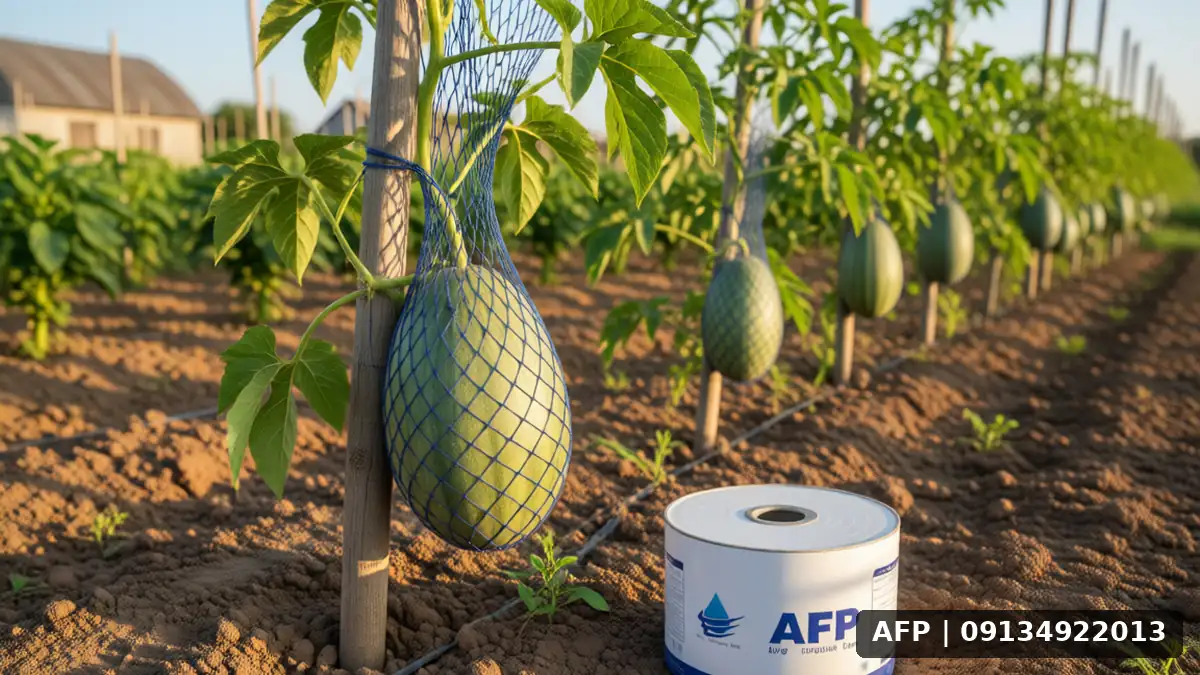
- Using antimicrobials: Random or nano calcium compounds in farms can destroy biofilms that clog water flow paths. Always dose this chemical in a separate tank.
- Precision Leveling: If you do not use filters on the main lines, fine soil particles will enter the drip tape. A disc or sand filter must always be active on the main line.
- Steady Pressure Output: Severe pressure fluctuations subject the drip tape to mechanical stress. Use inverter pump settings to maintain stable pressure.
For farmers interested in precisely improving yield, understanding seed quantity per hectare and influencing factors helps better understand planting density and its effect on the intensity of stress on the irrigation system. Dense melon planting requires higher output from drippers, which directly affects drip tape wear.
Periodic Testing and End-of-Season Maintenance
At the end of the growing season, the drip tape maintenance steps are repeated carefully:
- Final Flushing: Flush the entire system with steady pressure to drain any remaining water and internal deposits.
- Proper Storage: Store the drip tape away from direct sunlight and in a cool, dry location. UV exposure makes the plastic brittle.
- Record-Keeping: Document any wear and repairs performed to prepare for purchase or replacement in the next season.
Maintenance costs are negligible compared to replacement costs. Many farmers calculate the cost of drip tape per hectare to determine whether it is more economical to replace the tape or continue using the existing system with enhanced care. Often, by following the simple principles outlined in this article, the system’s lifespan can be extended two to three times.
Frequently Asked Questions (FAQ)
1. Can drip tape be reused in the following season?
Yes, although with reduced efficiency. New drip tape typically lasts one to two seasons. If the tape is not torn and has been protected from direct sunlight, it can be reused the next season, but the emitter output must be retested.
2. How often should drip tape pressure be checked?
It is recommended to measure pressure at the start and end of the tape once a week or whenever the pump is replaced. A pressure drop of more than 10% indicates clogging or leakage.
3. What signs indicate drip tape clogging?
Asymmetric water discharge, the formation of small pits on the soil surface along the drip line, or the need for higher pump pressure to maintain a steady flow, are all warning signs.
Summary
Drip tape maintenance in melon cultivation is a continuous process rooted in precision and repetition. With regular monitoring, reverse flushing, the use of appropriate filters, and proper packing at the end of the season, you can avoid extra costs and enjoy a uniform, high-quality crop. Investing in maintenance is similar to investing in other pressurized irrigation systems; it is a short-term cost that leads to net profit in the long term. With awareness of technical details and adherence to principles drip tape maintenance, your path toward a stable and highly productive system will become smoother.
Related articles: Comprehensive Guide to Greenhouse Irrigation Drip Lines: 0 to 100