Comprehensive Cost Analysis of Garlic Cultivation Using Tape Drip Irrigation per Hectare
Introduction to the Economic Importance of Garlic Cultivation
Garlic cultivation is one of the most important agricultural activities in various regions, attracting the attention of many farmers due to high domestic and export market demand. In recent years, given the shortage of water resources and rising energy prices, the use of modern irrigation systems such as drip tape has become a suitable alternative to conventional irrigation methods. This system not only saves water but also directly affects garlic yield and quality by ensuring uniform distribution of water and nutrients. Accurately determining the cost of garlic cultivation with drip tape per hectare is essential for every farmer to ensure the accuracy of their economic planning.
In this section, we examine various cost dimensions associated with garlic cultivation using a drip tape system. These costs include the price of the irrigation system, water and electricity consumption, planting inputs, and labor. A proper understanding of these variables is a crucial step toward successful farm financial management. We will also highlight how selecting the correct irrigation equipment can reduce recurring annual costs in the long term.
[ [ [ IMAGE_1 ] ] ]
Cost Components of the Drip Tape System in Garlic Cultivation
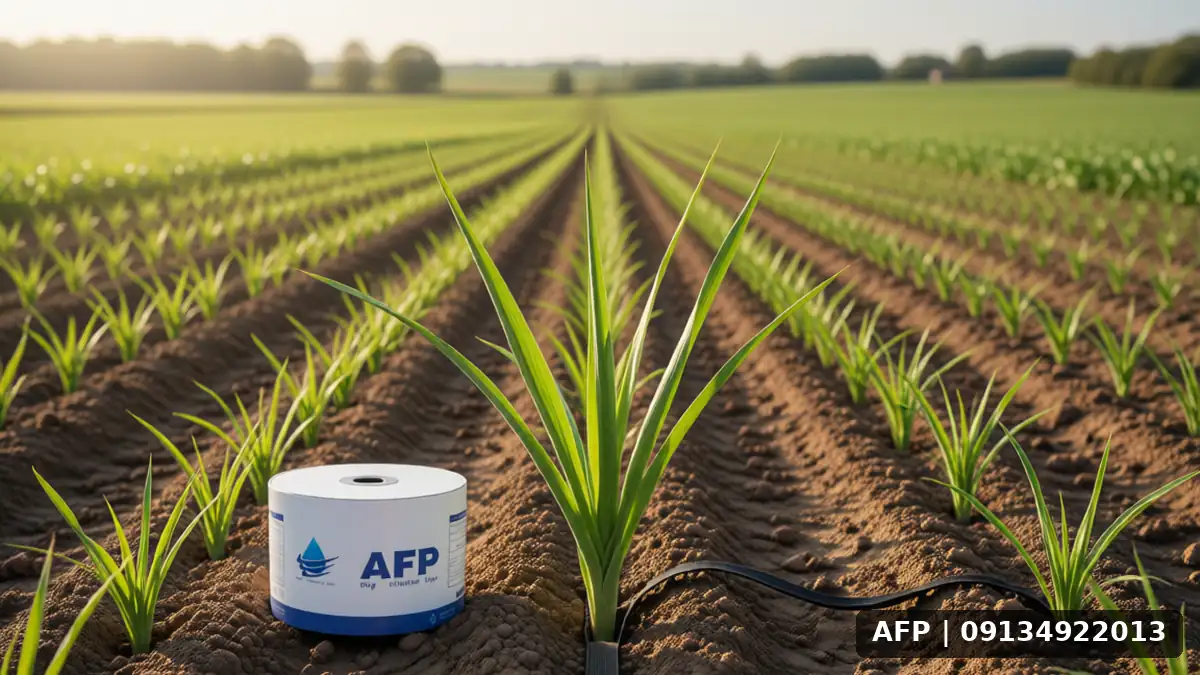
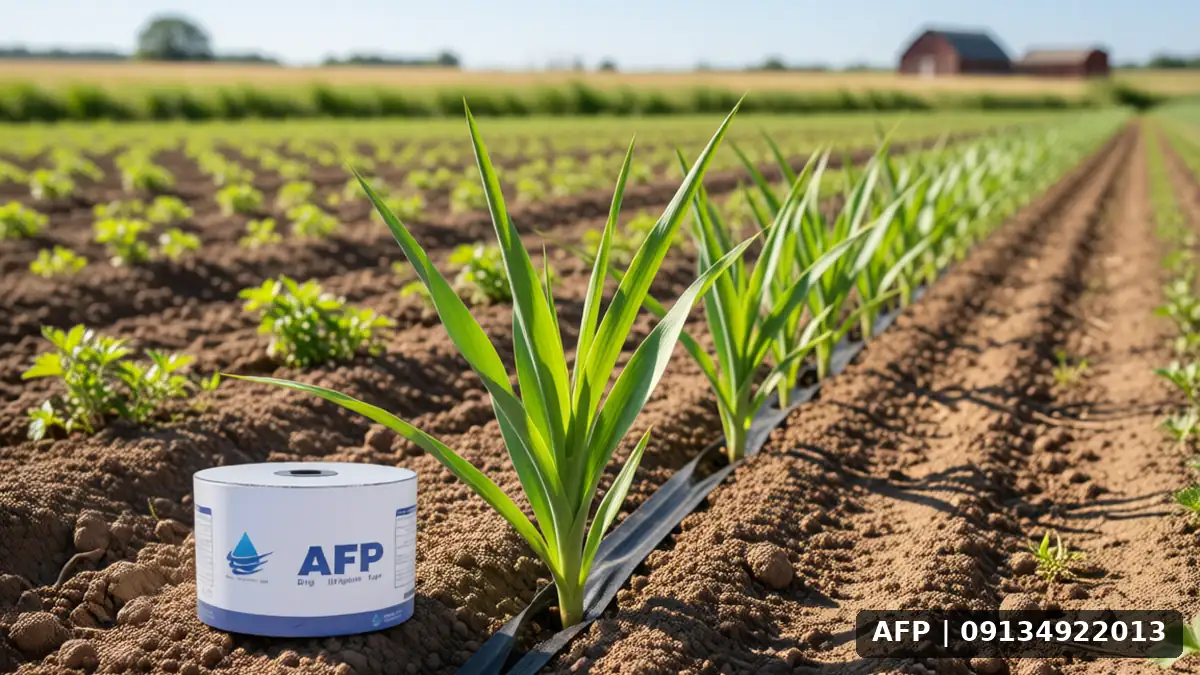
The initial setup costs for the drip tape system constitute one of the main components of the garlic crop budget. This system includes components such as drip tape, filters, wiring, and connections. Purchasing this equipment involves a significant one-time fixed cost. For more detailed information on setup costs, you can review the article on drip tape system purchase costs. These costs vary depending on different brands, component lengths, and the type of filter used.
In addition to the cost of purchasing the system, maintenance and repair costs are also significant. Drip tapes may become worn or clogged over multiple seasons; therefore, it is essential to budget for the replacement of certain components annually. Furthermore, energy (electricity) consumption for pumping water to the system directly impacts operational costs, depending on the required pressure and the distance of the farm from the water source.
Water consumption and operational costs
One of the key benefits of the drip tape system is a significant reduction in water consumption. Compared to conventional irrigation, water usage in the drip tape system is reduced by up to 50%. This saving directly translates to lower water costs in the per-hectare budget. However, due to the higher soil moisture levels achieved with drip tape systems, farmers must adjust their irrigation schedule based on soil water holding capacity and the water requirements of the garlic crop. Incorrect adjustment can lead to yield reduction and increase incidental costs, such as the need for more frequent irrigation or crop loss.
[ [ [ IMAGE_2 ] ] ]
Calculating incidental costs of garlic cultivation
Additional costs for garlic cultivation include seed, fertilizer, pesticides, and labor. In garlic farming, seed consumption and yield are the determinants of cost per hectare. To better understand this process, you can review the article on onion seed quantity per hectare. This data helps estimate the required seed amount. Also, in some regions, garlic is planted simultaneously with onions, and managing these two crops requires independent cost planning.
Fertilization costs also differ in drip tape systems. In this system, fertilization is done through the water line (fertigation). Therefore, the cost of purchasing liquid or water-soluble fertilizer differs from that of conventional dry fertilizer. Additionally, the cost of harvesting and packaging the produce, especially if temporary labor is required, must be included in the final estimate.
The impact of soil type on cultivation costs
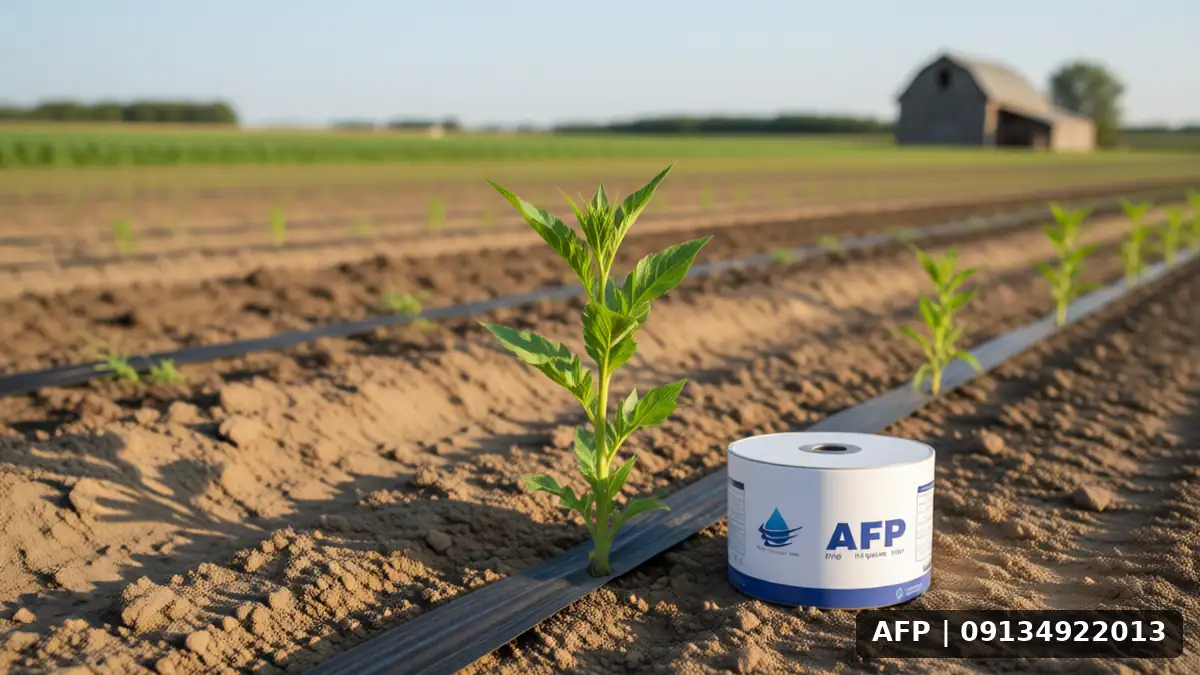
Soil type is one of the factors in calculating the cost of drip tape garlic cultivation per hectare. In rocky or steep soils, installing the irrigation system may incur additional costs. Also, regarding the selection of secondary crops, such as barley yield which is sometimes used in rotation with garlic, cost and profitability analysis of the secondary crop is also necessary. However, our main focus is on garlic.
[ [ [ IMAGE_3 ] ] ]
Practical tips for reducing costs and increasing efficiency
To optimize the costs of drip tape garlic cultivation per hectare, the following points are recommended:
- Simultaneous purchase of equipment: Bulk purchasing, especially at the start of the growing season, can lead to discounts on irrigation equipment.
- Use of durable drip tape: Selecting drip tapes with a longer service life may have a higher initial cost, but it reduces long-term replacement and reinstallation expenses.
- Fertilizer and irrigation coordination: Using a fertigation system instead of dry fertilizer can increase fertilizer use efficiency by up to 20%, resulting in significant economic benefits.
- Staff training: Properly training staff on the installation and maintenance of the drip tape system reduces repair costs and crop damage.
Estimated revenue review from growing garlic
To calculate the cost of garlic cultivation using drip tape per hectare, yield statistics and market prices must also be considered. Garlic yield depends on factors such as seed type, soil, and irrigation. In this context, studying yield statistics of complementary crops, such as garlic seed quantity or wheat yield, can provide a general overview of cost and revenue differences among various crops. Given that garlic is a high-value-added crop, saving operational costs through the use of drip tape directly leads to an increase in net profit.
Frequently Asked Questions (FAQ)
Is the drip tape system suitable for all climates?
No, the drip tape system is ideal for warm and dry climates with water scarcity. In cold climates with sufficient rainfall, using other irrigation systems or even non-irrigated (rainfed) farming may be more economically logical. Therefore, the decision should be made based on local conditions and cost-benefit analysis.
What is the maintenance cost of drip tape?
Maintenance costs include cleaning filters, inspecting tapes, and checking connection fasteners. These costs are typically 10 to 15 percent of the initial system cost in the first year. In subsequent years, the cost of replacing tapes increases based on quality and soil type.
Does using fertilizer injection in the drip tape system increase the cost?
Although the cost of liquid fertilizer may be higher than dry fertilizer, its efficiency is greater. This means you achieve higher yield with less fertilizer input. Consequently, the total fertilizer cost per unit of harvest (e.g., per ton of garlic) is generally lower in drip irrigation systems compared to conventional systems.
Conclusion
Accurately determining the per-hectare cost of garlic cultivation using drip irrigation requires attention to all components of the irrigation system, planting inputs, and labor costs. Despite the significant initial investment, drip irrigation systems can reduce total production costs in the long term due to decreased water and energy consumption and improved fertilizer and seed efficiency. Farmers should look beyond initial costs and consider the overall economic balance of the year when using modern irrigation systems. Additionally, it is essential to consider local factors such as soil type, weather conditions, and market prices when calculating the final economic estimate for garlic cultivation in your region. Finally, knowing statistics such as garlic seed quantity and wheat yield can assist in better farm economic planning if crop rotation is required.
Related articles: Related article Related article Related article Related article Related article, Related article Related article Related article D8AFD8B1 Related article, strawberry yield per hectare iraq, pumpkin seed per hectare factors