Rotational Irrigation in Parsley Cultivation: A Comprehensive Guide to Technical Benefits
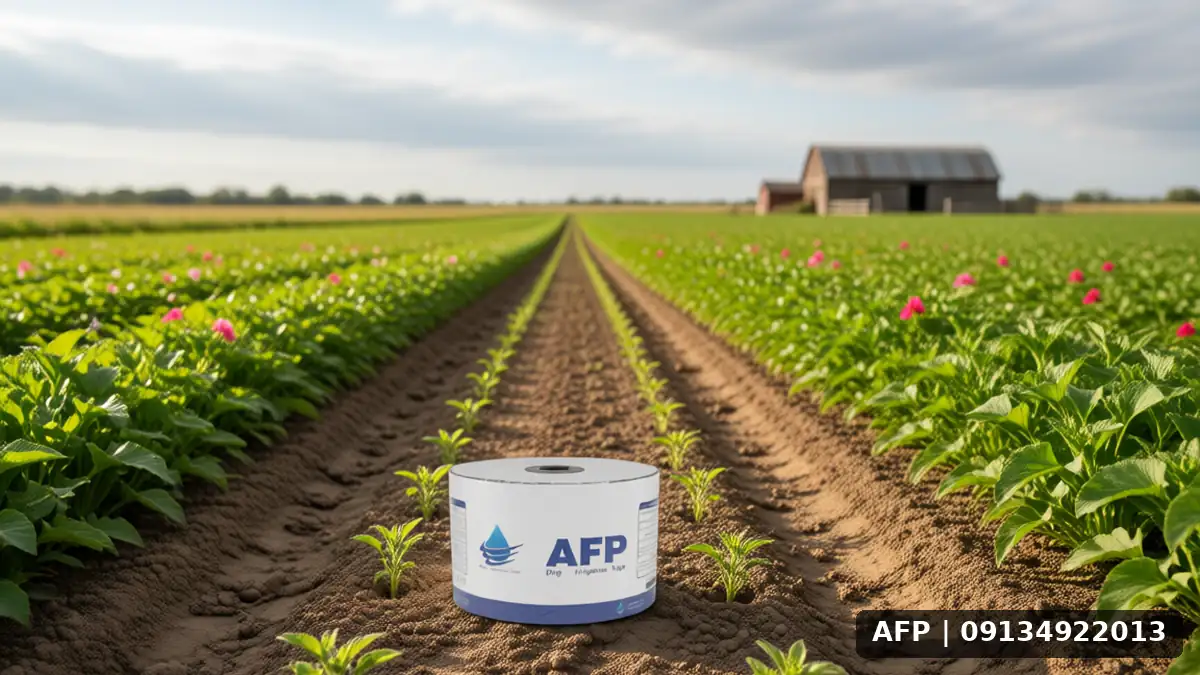
Introduction to rotational irrigation in pea cultivation
Peas, as one of the key agricultural crops with a relatively short growth cycle and high sensitivity to environmental conditions, require precise and intelligent water management throughout their growing season. The rotational irrigation method in pea cultivation has become one of the most efficient and sustainable approaches to water resource management in recent years. By delivering controlled, alternating flow to different blocks or furrows, this method maintains effective soil moisture, prevents in-phase water stress, and optimizes the balance between shoot and root growth. In the following section, we will review the technical details, benefits, and operational challenges of this method in pea cultivation, including rooting management and plant canopy moisture control, and examine practical methods for increasing yield.
Why rotational irrigation?
Rotational irrigation is highly practical and logical, particularly in drip irrigation systems and modern types. This method ensures that different blocks receive water in turns, preventing simultaneous system wear and reduced pump efficiency. It also optimizes pest and disease management by reducing excessive surface moisture, thereby eliminating favorable conditions for fungal growth and pests. This approach also enables farmers to achieve maximum field production with minimum water consumption.
Benefits of rotational irrigation in pea cultivation
Increased water use efficiency and reduced system wear
One of the most important advantages of rotational irrigation in asparagus cultivationis the improvement in water use efficiency and the reduction of losses due to evaporation and deep percolation. By dividing the plot into blocks and implementing rotational pumping, pressure in the line cycle remains more stable, reducing the wear of mechanical components such as pumps and valves. This leads to a longer service life for the system and lower long-term maintenance costs. Additionally, when executed correctly, it allows for the optimal use of surface and groundwater and better soil moisture storage for subsequent growth stages. This water saving plays a vital role in the economic sustainability of asparagus farming, particularly in water-scarce regions.
Supporting product quality and increasing yield
Reducing water stress and improving moisture distribution in the root zone leads to more uniform growth, less root cracking, and improved stem and leaf quality in asparagus. This directly asparagus yield per hectare has a positive and significant impact. Improving root zone conditions also optimizes the uptake of nutrients such as nitrogen and potassium, resulting in a higher quality final product in terms of taste, texture, and shelf life. By following this method, farmers can directly contribute to increasing asparagus yield per hectare and enhancing the commercial status of their crop.
Reduction of environmental stress and fungal diseases
Rotational irrigation prevents the accumulation of excess water in any specific area and controls surface runoff and soil erosion. This regulates soil and canopy humidity within the root zone and plant canopy, preventing the outbreak of fungal diseases and secondary root rots that are common under prolonged high humidity. Better moisture management significantly reduces the need for fungicide application and associated chemical costs, thereby supporting soil health and the farm ecosystem. This precise moisture control is a key pillar of increasing water use efficiency in rotational irrigation.
Practical points for implementing rotational irrigation in leek cultivation
Block division and precise scheduling
- Divide blocks based on length, width, soil type, and slope direction; each block should have an independent, controlled irrigation cycle to maintain uniform pressure.
- Schedule alternating pumping cycles according to leeks’ variable moisture requirements and sensitive growth stages, from germination to harvest.
- During moisture-sensitive stages such as germination and stolon formation, apply shorter and more frequent irrigation cycles to minimize water stress.
- Using an irrigation calendar will lead to reduced costs and increased overall farm yield.
Monitoring Pressure and Energy Management
Monitoring the pressure along the cycle path to prevent line breakage and water wastage is essential. By carefully adjusting the outlets and the drip lines, maintain the pressure within the desired and safe range. Using soil moisture sensors in different blocks enables precise cycle timing and avoidance of unnecessary irrigation. Proper pressure management also reduces energy consumption in pumping and lowers operational costs throughout the season, which is a hidden advantage of this system.
Sediment Management and System Cleaning
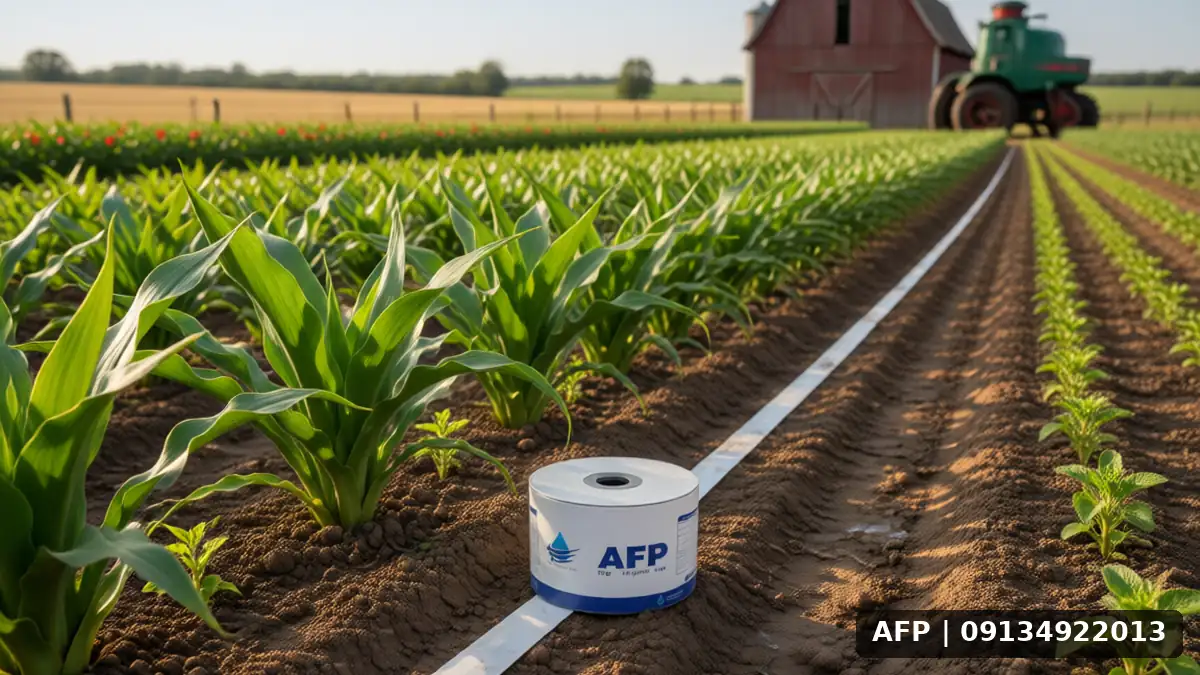
In the rotary method, the accumulation of fine particles and sediment along the cycle path can cause blockages and reduce efficiency. Regular cleaning of filters, drippers, and laterals maintains performance. Using pulse-cleaning or flushing systems on separate blocks provides better management. In this regard, yields in these areas are also affected by proper management of waste and sediment and must be carefully monitored.
Pest and Disease Prevention and Control
By improving root-zone conditions and reducing abnormal humidity in the plant canopy, the risk of pests and leaf-drop diseases is reduced. However, optimal cycle management, cleaning, and pulse-cleaning reduce biological risks. The pre-purchase notes for drip systems in selecting suitable equipment are also important to ensure that the system is free of leaks and blockages from the start. System integrity from purchase to installation must be guaranteed.
Frequently Asked Questions
Is rotational irrigation suitable for all growth stages of asparagus?
Yes, by adjusting cycles according to moisture requirements at each stage, you can prevent water stress and yield loss while ensuring uniform growth.
How do we optimize block segmentation?
Group blocks of equal length and width, and separate cycle lines to maintain uniform pressure and moisture, thereby compensating for climatic variations.
Does increased pressure in the cycle path cause problems?
Yes, excessive pressure causes bursting and water loss; adjusting pressure to the desired level maintains system efficiency and lifespan while preventing resource waste.
Conclusion
Rotational irrigation in coriander cropping, involving the alternating pumping of blocks, offers numerous advantages, including increased water efficiency, improved product quality, reduced wear and tear, and better control of moisture and pests. Proper execution with appropriate zoning, scheduling, pressure monitoring, and maintenance is key to success with this method. By applying systematic principles and using suitable tools, coriander yield and profitability can be enhanced. For more information on root stock management and other crops, consulting specialized resources is recommended.
Additional Notes
Given the variety of climatic conditions and different soil types, more precise execution Rotational irrigation in coriander cropping requires frequent monitoring and adaptation. Use root stock quality monitoring methods and block combinations to achieve optimal efficiency and yield. Additionally, considering factors affecting the performance of other crops, such as sugar beet or coriander, in irrigation planning can help coordinate farm operations better. Farmers can improve their strategies by comparing historical data. Ultimately, combining local knowledge with technical innovations guarantees success in water resource management.
Related Articles: Sugar beet yield per hectare + influencing factors, rozmary hosildori dar yak gektarPotato yield per hectare: influencing factors + methods to increase miqdori tuhmi qahvagi dar yak gektar