Mustard Yield Per Hectare with Drip Tape: A Comprehensive Guide to Boosting Performance
Introduction: Why is the Drip Tape Irrigation System Critical for Rapeseed?
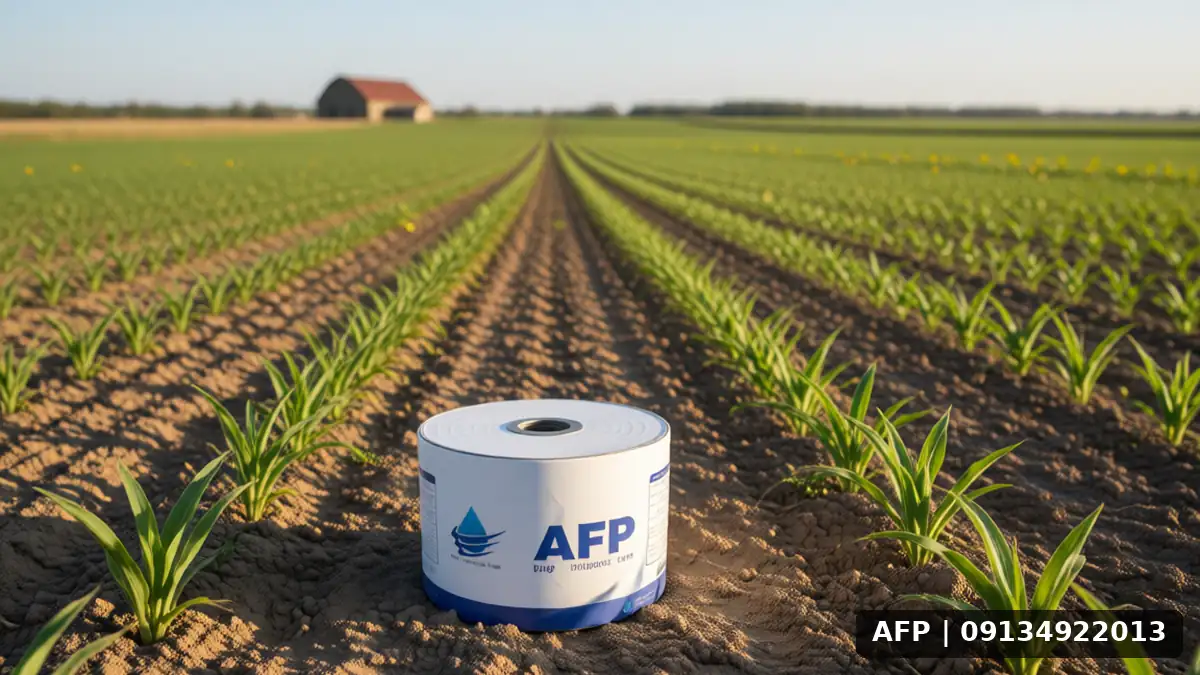
Growing rapeseed in semi-arid and arid regions of Iran carries high risks due to heavy dependence on rainfall. One of the key factors for sustainability and increasing rapeseed yield per hectareis proper water management. Among various methods, the drip tape irrigation system, by distributing water in guided, narrow strips, enables precise control of moisture within the root zone. This method not only prevents drought stress during sensitive growth stages but also prevents fungal diseases by avoiding excessive moisture on the leaves. To better understand the growth mechanisms of other oilseed and cereal crops that follow similar patterns, studying the approaches for other crops is also useful. To compare irrigation and yield patterns, you can review the comprehensive guide on drip tape irrigation water rates per hectare, which shares similar patterns in managing density and water. The following section provides a detailed examination of these factors to help you achieve an optimal cultivation method.
Direct Impact of Drip Tape on Rapeseed Yield Potential
Canola performance is highly dependent on consistent water supply during critical stages, namely green-up, flowering, and seed filling. Band drip irrigation creates continuous moist bands that increase water penetration depth in the root zone. Studies indicate that using this method maintains soil moisture at the optimal level throughout the growing season. This directly leads to increased plant density per unit area and, ultimately, increased seed weight. Optimizing planting and irrigation band dimensions is a key principle. In a band drip system, the distance between bands (rows) must exactly match the dimensions of the irrigation system. It is generally recommended that canola planting bands be spaced 60 to 70 cm apart. Installing drip tapes or emitters on these lines ensures that water is delivered precisely within a 50 to 60 cm radius of the taproot. This precision prevents water loss through evaporation and leaching of nutrients into non-root zones. To better understand the importance of spatial design in band drip irrigation, one can look at design patterns for other crops. For example, guidelines for barley seed rate per hectare provide specific details on system pressure and flow rate calculations that are also applicable to canola. By following these guidelines, you can prevent water waste and achieve higher efficiency.
Practical Tips for Planting and Band Drip Management in Canola
Before the start of the growing season, soil preparation and proper equipment installation are of high importance. Canola requires well-drained soil; therefore, if your soil texture is heavy, creating deep furrows for band drip irrigation helps improve permeability. Below are the key practical tips for success in this system:
- Selecting High-Quality Seed: Use certified seeds with a germination rate exceeding 95%. Planting density in drip lines typically ranges between 250 and 350 kg of seed per hectare, depending on the climate. For comparison of planting density in other oilseeds, the sesame seed requirement per hectare can provide a clear overview of similar variables.
- Irrigation timing: In the early establishment stages, intermittent irrigation with low flow rates is recommended. As the plant grows, increase the flow rate but maintain this irrigation duration to prevent moisture from reaching the leaves. This prevents surface scalding and maintains mesophyll health.
- Fertilizer management: Nitrogen fertilizers should be placed near the irrigation line to reach the roots with the water. This method prevents fertilizer runoff and waste, increasing uptake by up to 30%. The timely application of foliar fertilizers is also a key practice.
Common challenges and their solutions
- Dripper clogging: Canola does not have specific sensitivity to water bacteria, but water foaming can clog the system. The use of appropriate filters and periodic system flushing is mandatory. Additionally, monitoring system pressure at shorter intervals is recommended.
- Weed growth between the strips: Since only the wetted strip is moist, weeds in the dry sections are inhibited. If necessary, use water-soluble herbicides applied adjacent to the drip lines. This helps reduce liquid volume in the system.
- Optimal harvest: Harvest timing for canola is critical. While you can consult general harvest tips in the guide Cucumber yield per hectare (despite the plant difference, the principles of maintaining humidity are similar), for canola, the best time for harvest is when the seeds change color and turn brown, and the pods become dry. At this stage, seed moisture drops to less than 10 percent.
Frequently Asked Questions (FAQ) on Canola Performance with Tape Drip Irrigation
1. Is tape drip irrigation suitable for sandy soils?
Yes, but it requires more frequent irrigation. Sandy soils have lower water retention capacity, so you must shorten the irrigation cycle and adjust the flow rate to ensure water penetrates the root zone before surface evaporation occurs. Additionally, using vegetative cover in these soils can help conserve moisture.
2. What yield increase can be expected?
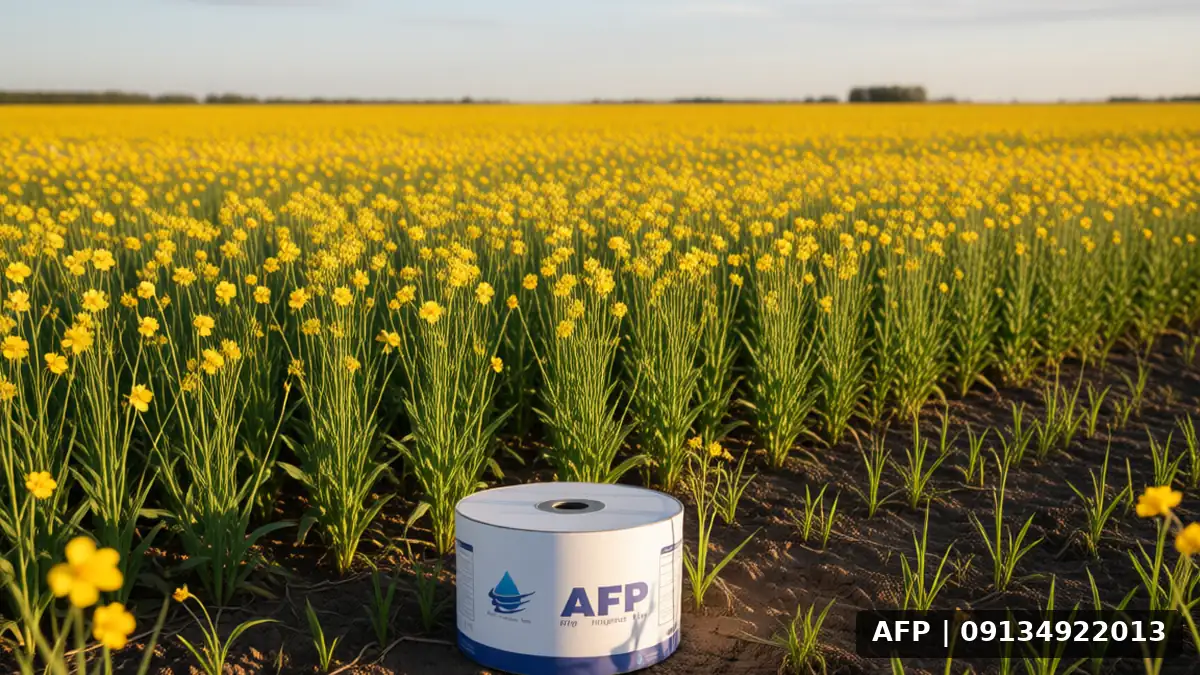
Depending on the region and when compared to flood irrigation, a 15 to 25 percent increase in canola yield per hectare has been reported. This increase is largely due to reduced water stress during the seed-filling stage. To understand the variables affecting yield, you can refer to the article on Honeydew Melon Seed Quantity Consider a comparative analysis of similar water and soil factors. Additionally, seed quality and cultivar type also directly influence these figures.
3. What is the initial cost of drip irrigation for rapeseed?
Costs fluctuate based on current market prices and depend on factors such as emitter spacing, pipe type, and drip tape thickness. It is recommended to calculate maintenance costs and equipment lifespan before purchase. In the long term, water savings and increased yields guarantee a return on investment. Although the initial investment is significant, it is economically justified due to high water efficiency.
Conclusion
Using drip irrigation systems is a strategic investment for sustainable increase in rapeseed yield per hectare . Given water scarcity and climate change, this method allows farmers to achieve maximum oil efficiency from their seeds using optimized water consumption. The key to success lies in proper initial design, precise tuning of row spacing, and continuous monitoring of irrigation system health. Adhering to principles of appropriate planting density and fertilizer management alongside this system can make a fundamental difference in the quality and quantity of the final crop. It is recommended to use successful experiences with other oilseeds as a technical model to avoid mistakes and maximize productivity. Finally, reviewing key points and consulting related resources provides a comprehensive understanding of modern agricultural dynamics. These resources include articles on melon, barley, and pumpkin cultivation, which explain common irrigation principles.
Related Articles: Olive Seed Rate per Hectare