Subsurface Irrigation in Melon Cultivation: A Comprehensive Guide
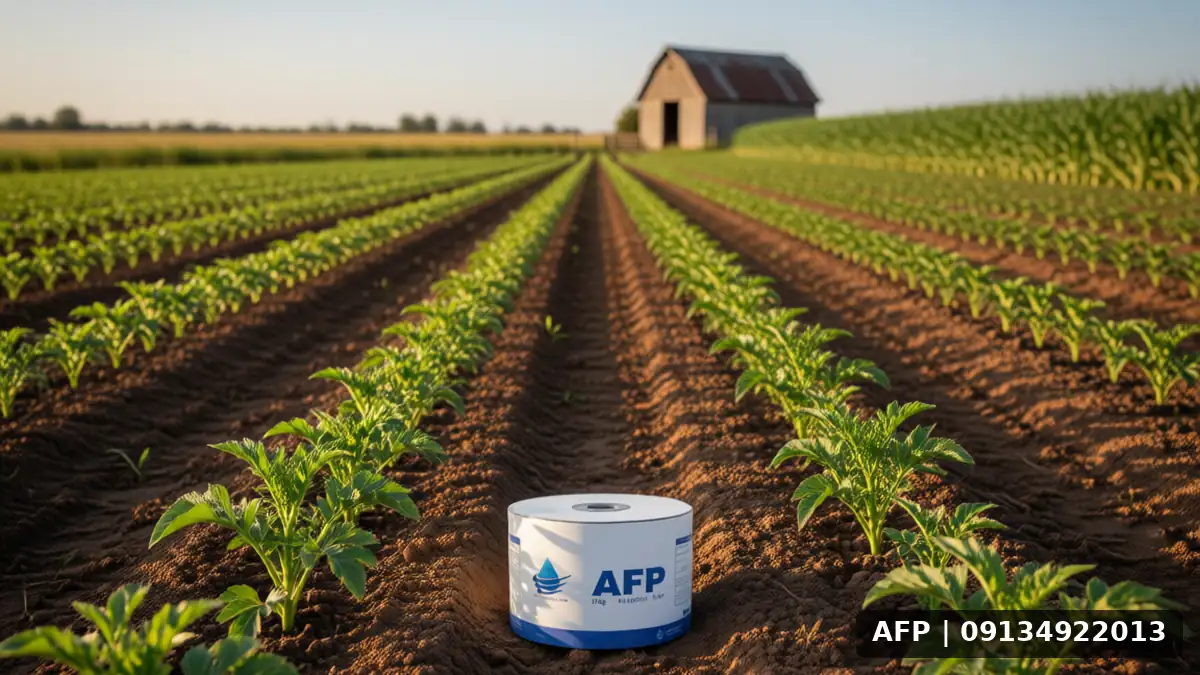
Subsurface drip irrigation is one of the innovative and vital methods in water resource management that delivers moisture directly to the root zone by placing emitters at a depth of 15 to 30 centimeters below the soil surface. Compared to surface irrigation, this method significantly reduces evaporation and runoff, and maintains uniform moisture throughout the crop’s growth cycle. To better understand the variety of available methods, you can Types of irrigation systems to study the fundamental differences between various systems. This approach not only preserves the environment but also allows the farmer to optimize final crop yield through smart investment.
Benefits of subsurface irrigation in melon fields
The primary advantage of this system is increased water use efficiency. In hot and dry conditions when melons are ripening, surface irrigation may lose up to 30 to 40 percent of water through evaporation. With subsurface irrigation, this loss is significantly reduced. Additionally, because water is directed straight to the root zone, melon plants can allocate more energy to fruit production and stem growth. This process helps maintain consistent soil moisture and minimizes plant water stress. [[IMAGE_1]]
Impact on crop quality and quantity
Uniform moisture prevents the melon rind from cracking due to moisture fluctuations. This phenomenon, common in uneven surface irrigation, is better controlled with deeper subsurface systems. To better understand the impact of other variables on final performance, you can review the topic of the price of 20-centimeter tape lines and compare them with other systems. Fruit quality in subsurface systems is generally more uniform, and waste caused by wrinkling or rind splitting decreases, which directly has a positive effect on the commercial value of the crop.
Main Components of Subsurface Irrigation Systems
Subsurface irrigation systems typically use subsurface drip lines or specialized subsurface emitters. These emitters are designed to be flushable to prevent clogging caused by sedimentation after extended use. The selection of the appropriate line diameter or emitter orifice size must be based on the melon crop’s water requirements and soil type. In fast-draining soils, the orifice size should be selected to maintain a high water infiltration rate. Additionally, using materials resistant to ultraviolet (UV) radiation and chemical elements present in the water is essential to extend the lifespan of the lines.
- Drip lines: Suitable for melon row planting; lower installation cost compared to individual emitters.
- Subsurface emitters: Suitable for dense planting; allows for more precise flow rate adjustment.
- Control valves: Used for field sectioning and pressure drop reduction.
- Magnetic and optical filters: Used to remove suspended particles and algae before entering the lines.
Selection of Optimal Installation Depth
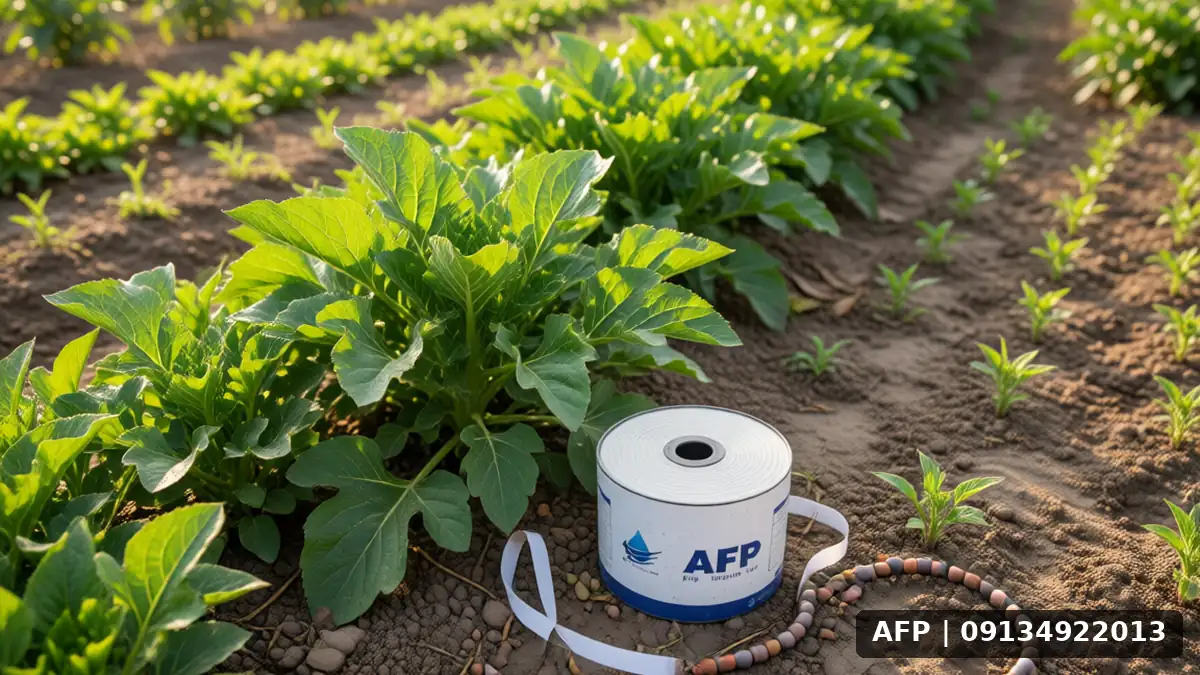
The installation depth of irrigation lines must align with the root depth zone of melons. Primary melon roots are typically located 20 to 40 centimeters below the soil surface. Therefore, installing pipes at a depth of 15 to 25 centimeters is generally considered the baseline. For heavy soils, reduce the depth slightly; for light soils, it can be raised to allow moisture to reach surface roots. For more information on different layouts and piping systems, refer to Drip Irrigation Conditions in the Nasrivarie Region useful resources. These sources help you understand pressure distribution across different lines and prevent unauthorized leaks. Fine-tuning the installation depth is the key to successful subsurface irrigation.
[[IMAGE_2]]
Chemical Management in Subsurface Irrigation
One of the main challenges of subsurface irrigation is injecting fertilizers and pesticides through the system. Because drippers are placed at depth, precipitation of chemicals can cause sudden clogging. The sequential use of physical and chemical filters is mandatory. It is best to use liquid fertilizers with very fine particles and avoid injecting highly alkaline materials with a high pH in low-pressure systems. Melons are sensitive to nitrogen, potassium, and calcium; uniform distribution of these nutrients through deep roots enhances product durability. Special attention must also be paid to the acidity of the incoming water to prevent chemical precipitation in subsurface pipes. [[IMAGE_2]]
Melon Irrigation Scheduling in Subsurface Systems
Irrigation scheduling must be adjusted based on growth stages. During germination and the pre-flowering stage, water demand is lower. Water demand peaks during vegetative growth and fruiting stages. This table provides a general pattern and should be tailored to the regional climatic conditions.
Precise scheduling management ensures that soil moisture remains within the optimal range for melon plants. Excess moisture accumulation, which can lead to root diseases, must be avoided.
Costs and Economic Considerations
The installation cost of a subsurface irrigation system is typically 20 to 40 percent higher than surface drip systems. This increased cost is due to the use of specialized drippers, finer filters, and the need for higher line pressure. However, water savings and increased water-to-yield conversion ratios guarantee a return on investment within 2 to 3 growing seasons. For final cost comparison, analyzing melon yield per hectare can help evaluate economic viability. This analysis demonstrates how increases in water consumption directly affect crop production volume. From a long-term economic perspective, investing in water-saving systems is always more logical.
Practical Tips for Farmers
- Always use combined filters (mesh and screen).
- Always flush the system before injecting fertilizer.
- Check the discharge rate of the drippers once per season using a hand pressure gauge.
- In autumn, drain the lines with medium pressure to prevent freezing in cold regions.
Frequently Asked Questions (FAQ)
Is the subsurface system suitable for sandy soils?
Yes, but the installation depth must be exactly 15 cm to ensure moisture reaches surface roots. For clay soils, a depth of 25 cm is preferable.
How can I prevent pipe clogging?
Using chlorine for periodic flushing and installing a filter switch is mandatory.
What is the appropriate spacing for drippers?
For melon interplanting, a spacing of 20 to 25 centimeters along the planting line is recommended.
Can high-salinity well water be used for subsurface irrigation?
Yes, but reverse filters and pH regulators must be used to prevent precipitation.
Conclusion
Subsurface irrigation for melon is an efficient solution for modern agriculture in water-scarce regions. By considering design points, selecting standard components, and properly managing chemical treatment, it is possible to produce a more uniform crop with higher quality and lower water consumption. Investing in this system is not just a cost, but a long-term asset for your farm’s sustainability. For further reading on various layouts and water conversion factors, it is suggested how much seed corn per hectare iraq Review articles related to harvest coefficients. Also Chickpea seed rate per hectare + influencing factors It can enhance your understanding of crop management and harvest coefficients across different seasons.