Dill Maintenance Using T-Drip Irrigation: A Comprehensive Guide to Key Watering Points
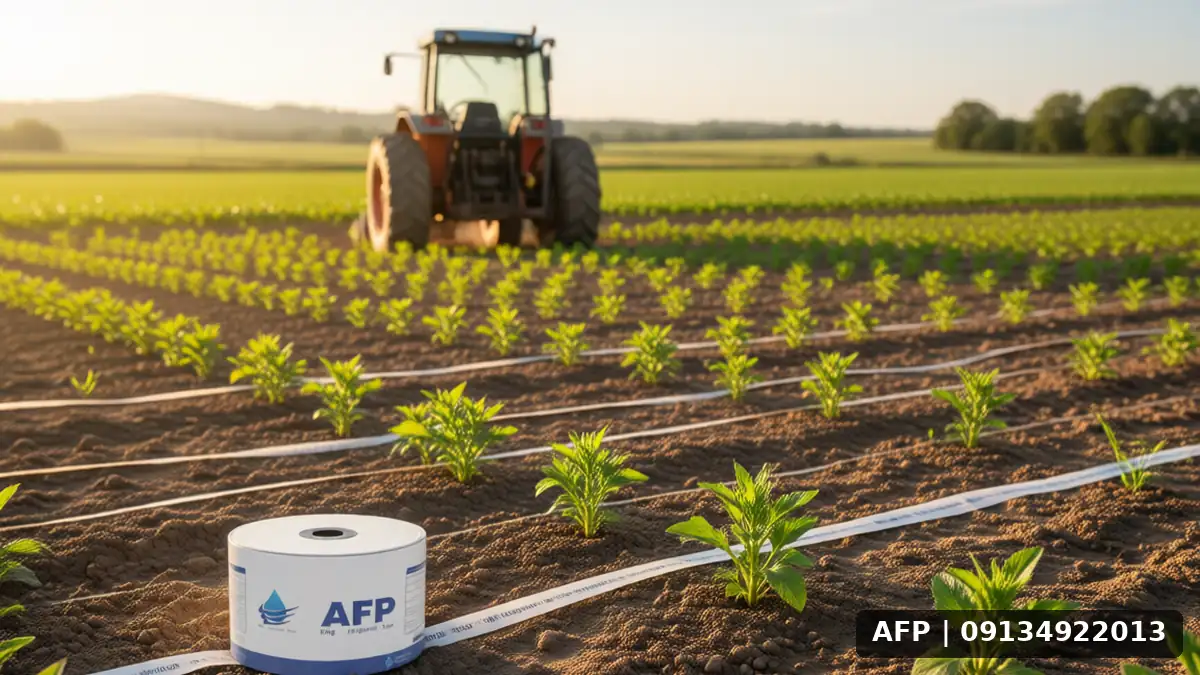
Introduction to the importance of precision irrigation in coriander cultivation
Coriander is a popular leafy green that requires special attention to soil moisture. Using drip tape as a drip irrigation method is considered an ideal option for coriander farms, as it distributes water directly to the plant’s root zone. However, merely installing a drip tape system is not sufficient; drip tape maintenance for coriander requires adherence to minor technical and operational details to prevent clogging, breakage, and leakage, and to maintain crop quality. Below, we examine the key principles of maintaining this system in coriander farms in a specialized manner.
Coriander characteristics and their impact on drip tape selection and maintenance
Coriander is a plant with shallow roots that is sensitive to water and heat stress. Its roots are located in the upper soil layers and are quickly damaged in cases of over-saturation or severe dryness. Therefore, properly adjusting the discharge rate (Flow Rate) and emitter spacing in the drip tape is vital for maintaining healthy plant growth. Using tapes with closer emitter spacing (e.g., 20 centimeters) can lead to moisture saturation and increased root rot. Conversely, excessive spacing causes the root zone to dry out. The ideal scenario is using tapes with appropriate pipe diameter and minimum leakage.
The effect of water pressure on the service life of drip tape
The operating pressure of the irrigation system in dill fields must not exceed the pressure rating of the drip tape. High pressure can cause stretching, bursting, or displacement of emitters, which ultimately leads to water leakage and reduced efficiency. It is recommended to maintain pressure within the range of 1 to 2 bar for most thin-gauge drip tapes. Additionally, pressure fluctuations caused by changes in terrain elevation or variations in the urban water distribution network can affect the uniformity of water distribution. The use of pressure regulators at the beginning of lines is an important part of drip tape system maintenance.
Common problems in maintaining dill with a drip tape system and solutions
One of the main challenges in growing vegetables with drip tape is the chemical and biological clogging of tapes. Water with high salinity or inappropriate pH can cause ion precipitation inside the thin tubes of drip tape. These deposits narrow the water flow path and reduce the output discharge of emitters. As a result, part of the dill crop may suffer from water deficit while another part suffers from excess water. To prevent this problem, using appropriate filtration systems (such as disc or turbine filters) and adding acid if necessary to adjust water pH are fundamental principles of maintenance.
Insect and rodent damage in drip tape lines
Cilantro attracts pests and insects due to its distinct scent and flavor. Occasionally, insects or small rodents can enter drip tape emitters or leak points, causing complete blockage of that section of the tape. Regular visual inspection of drip tape lines during the growing season, especially after each irrigation, helps ensure that any anomalies in water distribution are immediately addressed by cleaning or replacing that section of the tape. Additionally, temporarily covering lines with straw or using small fencing around the main lines can prevent pests from entering the system.
Corrosion and wear of drip tape throughout different seasons
In cilantro farms, drip tapes are typically designed for short planting seasons. Drip tape degradation caused by exposure to direct sunlight (UV degradation) or chemicals present in the soil can make the tape brittle and prone to tearing. To maintain tape durability, tapes without Anti-UV protection should not be used in direct sunlight. If the tape needs to be stored for future seasons, it is essential to remove it from the soil and thoroughly wash it with clean water to remove sediment and scale. Clean and intact tapes can be reused, but tapes with severe breakage or discoloration must be replaced.
Practical tips for daily and seasonal maintenance of cilantro drip tape
To ensure optimal performance, a specific system maintenance schedule must be established. This schedule includes regular inspections, periodic flushing, and proper water flow management. Below is a checklist of key actions for farmers:
- Visual inspection before irrigation: Each time before turning on the pump, inspect the tapes for loose connections, tears, or kinks. Fix any small leaks immediately.
- Final System Flush: After each irrigation cycle, to prevent suspended solids from settling at the bottom of the tape, flush water through the lines for 5 to 10 minutes at a higher flow rate or pressure (within the tape’s pressure tolerance) to expel sediments from the system.
- Filter Inspection: Open and clean filters weekly or after using turbid irrigation water. Clogged filters increase pressure behind the tape, raising the risk of tube rupture.
- Lateral Management: Adjust initial and final lateral regulators to ensure pressure at the end of the drip tape equals the pressure at the start. Pressure drop in long lines is a maintenance issue that should be resolved by dividing the lines into sets.
Furthermore, proper coiling and storage of drip tape after the dill growing season ends is critical. Do not knot the tapes and store them in a cool location away from direct sunlight. Prolonged direct sun exposure significantly reduces the tape’s lifespan.
Optimizing Dill Irrigation to Enhance Quality and Yield
The goal of precise drip tape maintenance is not only to preserve equipment but also to achieve optimal plant growth conditions. Cilantro is sensitive to high relative humidity, but irregular irrigation causes leaf dullness and reduced aroma. By precisely adjusting irrigation timing and volume based on ambient temperature and water salinity, you can maintain the cilantro root zone in a stable environment. Studying articles such as Vegetable Productivity Guide per Hectare can help you calculate the water volume required for maximum cilantro yield.
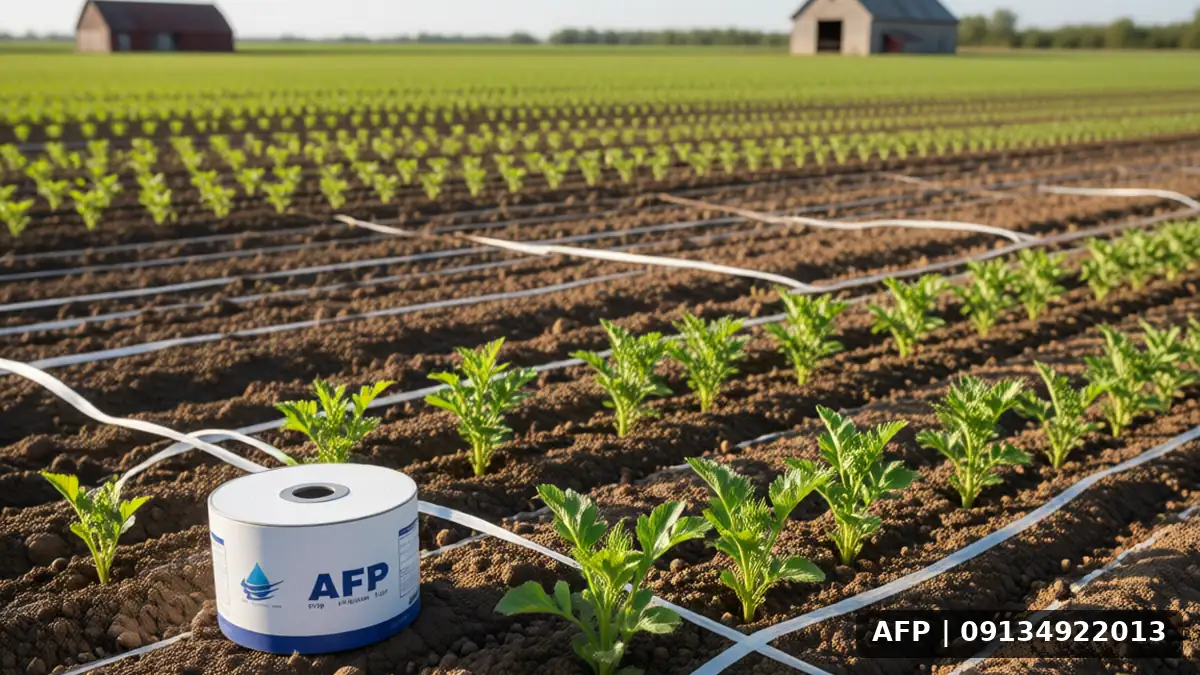
In addition to cilantro, many other vegetables benefit from drip irrigation. For example, in intercropping systems, selecting the appropriate drip tape differs for each plant. Further information on Selecting Irrigation Tape for Squash and Other Vegetables can also expand your understanding of this system’s diverse applications. Additionally, familiarizing yourself with measuring drip tape flow rate helps you determine the exact water needs of each field section and prevent resource waste.
Frequently Asked Questions (FAQ)
1. Can cilantro drip tape be left in the soil permanently?
Yes, but this requires the use of drip tapes that are resistant to UV light and soil chemicals. Otherwise, annual replacement of the tapes is recommended to prevent clogging of the dripper holes caused by tape degradation.
2. What is the appropriate distance between the drip tape and cilantro roots?
A distance of 5 to 10 centimeters from the main root is generally recommended. This spacing allows lateral roots to easily reach the tape for water access without being directly exposed to excessive saturation.
3. How can you identify clogging in the drip tape?
If you notice that water flow at the end of the line is weaker than at the beginning, or if drips are emitted irregularly (skewed or diffuse), the tape likely has partial clogging and requires acid flushing or replacement.
4. Does using well water for cilantro with drip tape cause any issues?
Well water is generally highly saline. To protect the drip line from calcium and magnesium deposits, a treatment system (filter and chemical) must be installed. Without treatment, the lifespan of the drip line is drastically reduced.
Summary and Conclusion
Proper Maintenance Cilantro with Drip Irrigation The key to success in temperature and scalable cultivation is that this process is not just about installing pipes; it involves continuous pressure management, regular system flushing, pest protection, and the use of appropriate filtration. Following these key points will increase the durability of the irrigation equipment and provide optimal growing conditions for cilantro. Precision agriculture with drip irrigation not only saves water but also improves the quality and quantity of the harvest. It is recommended that farmers enhance their knowledge by consulting more specialized resources such as Cucumber Seed Rate Guide per Hectare or similar articles on other vegetables to benefit from similar cropping experiences. Finally, remember that each farm has unique conditions, and drip line maintenance settings must be optimized based on local ecological conditions and water resources.
Related Articles: Garlic yield per hectare: influencing factors and methods for improvement