Tire Strip Maintenance in Shallot Cultivation: Practical Strategies for Root and Branch Optimization
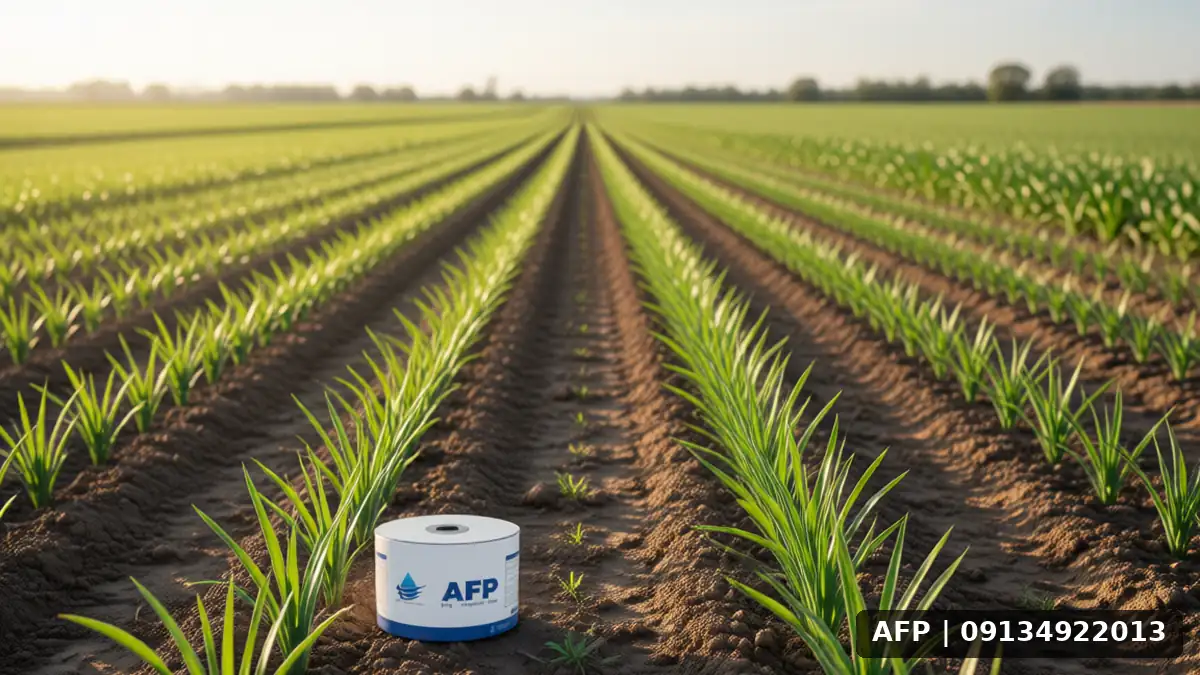
The Importance of Precision Drip Tape Management in Leek Cultivation
Leek (Allium porrum) is a crop with highly fibrous and sensitive root growth. Unlike many other crops, leek requires constant and uniform moisture to develop a thick, long stem (stalk) and produce dark green leaves. Even short-term water deficits can lead to thin stems and a severe reduction in commercial quality. On the other hand, excessive watering causes fungal root rot and reduces the product’s shelf life in the market. Here, the drip irrigation system, particularly drip tape, emerges as the backbone of resource management in this crop. However, simply installing drip tape is not sufficient; Leek Drip Tape Maintenance and continuous monitoring are the final determinants of the farm’s economic efficiency.
One of the main challenges in maintaining this system is the leek’s high tendency to absorb nutrients through its roots, which puts uniform growth across the entire plot at risk if there is a drop in pressure or clogging of drippers. To better understand the relationship between different drip tape sizes and water requirements, you can refer to the comprehensive guide on the benefits of drip tape, which covers flow measurement technical details.
The Impact of Dense Planting on the Irrigation System
Leek seeds are typically planted at a specific density per hectare. Accurately knowing the seed density helps you synchronize the dripper output rate with the number of active mounds. The guide on leek seed rate per hectare This can serve as a starting point for your initial irrigation budget calculations. If planting density is high, the emitter spacing should be shorter and the output rate lower to prevent waterlogging around the roots.
<>
Chapter 1: Proper Installation and Initial Monitoring
Drip tape maintenance begins the moment you lay the tape in the field. Many farmers believe maintenance simply means washing the filters halfway through the season, but field experience shows that 50% of technical issues arise from errors in the installation phase and the selection of the appropriate system.
Selecting Appropriate Emitters for Soil Conditions
Clay soils, which are common in many of Iran’s garlic growing regions, have low permeability. Under these conditions, using drip tape with rotating emitters or emitters with closer spacing prevents the formation of surface puddles. Above all, ensure you select a suitable anti-UV drip tape for your climate. A low-quality drip tape that degrades in direct sunlight renders any maintenance efforts useless.
System Activation in the First Days
After laying the tape, always activate the system at low pressure to ensure there are no leaks where the hoses connect to the valves. Leaks during the initial days of cropping create mounds and mounds of moisture around the tape, which can damage young roots. Additionally, ensure the tape is placed under the soil ridges to protect it from direct sunlight. This extends the tape’s lifespan by two to three times and eliminates the need for mid-season replacement.
Chapter Two: Daily and Weekly Maintenance
Muzzar is a high-demand crop for nitrogen and water. Therefore, your irrigation system must have fertigation capability. Regular maintenance means continuously monitoring the health of filters and pressure regulating valves.
Water Filtration: No Room for Error
The most critical step in drip line maintenance is cleaning the filtration system. Drip emitters typically have very small orifices that are blocked by particles smaller than 100 microns. Always use disc filters with fine screens or bag filters and clean them weekly (or daily in case of dirty water sources). Filter clogging leads to pressure drop and prevents emitters from opening properly, resulting in half the plot being dry and the other half waterlogged, which is the number one enemy of yield efficiency.
Water Temperature and Chemical Control
If you use fertigation, always use a neutralization chamber. Calcium and magnesium deposits caused by pH increases are the fastest way to clog drip lines internally. A simple test is: every two weeks, open a few emitters and look inside them using a lumenoscope or a lighted scope. Any white deposit or green algae indicates the start of clogging. In this case, you must add an acid flushing schedule (sulfuric or citric acid) to your maintenance chart.
<>
Chapter Three: Clogging Management and Corrections
Even with the best care, clogging is likely. Early detection is the key to system recovery.
Clogging diagnosis via pressure measurement
A gradual increase in water pump pressure without changing the valve settings is the first sign of dripline clogging. To resolve this issue, follow the steps below:
- Water flushing: Temporarily increase the flow rate to remove suspended particles.
- Acid flushing: Inject the acid solution through the injection system. This dissolves chemical scale.
- Calcium hypochlorite flushing: For calcareous deposits, flushing with a calcium hypochlorite solution is effective.
If pressure returns after these steps, it indicates that the emitters are physically damaged and the tape needs replacement. Replacing drip tape mid-season is costly, but losing the crop due to root desiccation is even more expensive.
Monitoring uniform water distribution
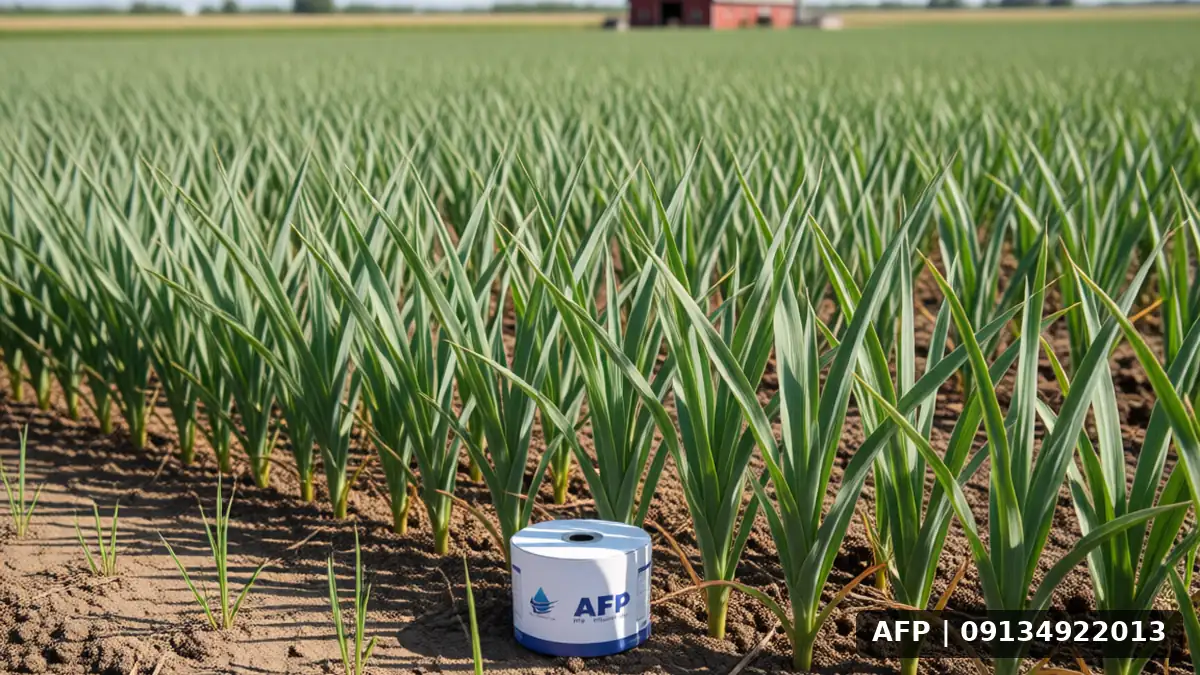
To ensure uniform flow across the entire system, perform a visual inspection monthly. Collect water at the end of the line and observe if the flow rate is constant. Reduced flow at the line’s end indicates pressure drop along the line, which should be corrected by adjusting the pump or replacing the tape with a larger diameter. In this regard, the study Seed quantity and size per hectare can help you calculate the required pressure based on ridge length. Sufficient pressure to reach the end of long ridges is critical.
Chapter 4: End of Season and Preparation for the Next Cycle
Many farmers leave drip tape in the field at the end of the season. This is a mistake. High-quality polyethylene drip tapes can be reused in the next season if properly maintained.
Draining and Flushing Operations
Before the next planting cycle, ensure the system is fully drained. Do not allow stagnant water to remain in the drip tape, as algae thrive in stagnant, sun-exposed conditions. The most effective method is to inject a strong disinfectant solution (such as high-dose chlorine) for one hour. Afterward, flush the system with clean water to remove chemical residues. This step ensures the drip tape will remain in good condition in storage for another 20 to 30 years without issues.
Proper Storage
Coil the drip tapes around the rolls and store them in a shaded area away from direct sunlight. Ultraviolet (UV) radiation is the primary enemy of polyethylene. Store the rolls upright to prevent long-term bending, which can alter the tape’s shape. Additionally, label the tapes with information on the growing season, thickness, and width to streamline inventory management. For more detailed information on the physical maintenance of drip tapes, refer to local water-sealed tape maintenance guides and related tips.
<>
Frequently Asked Questions (FAQ)
Question 1: Can sugarcane drip tape be used for other vegetables?
Yes, provided the emitter spacing is adjusted. Sugarcane typically uses a 10–12 cm emitter spacing. For crops such as tomatoes or carrots, this spacing may differ. The key is to match the output rate to the crop’s water needs.
Question 2: How often should I clean the filters?
It is recommended to open the disc filters and rinse them to remove sediment particles every week during the active growing season. This simple habit prevents 90% of emitter clogging.
Question 3: What should I do if water insects appear in the drip tape?
Water insects (Root Knot Nematodes) enter the roots through the water. Using very fine mesh bag filters and flushing the system with peroxide at the end of the season is the best method for control. Also, ensure that your water source is not contaminated.
Question 4: What is the appropriate pressure for leek drip tape?
Typically, it is between 0.5 and 1 bar for standard tapes. If pressure increases, emitters become more prone to splashing, applying water away from the root zone. The use of a pressure regulator at the main valve is recommended.
Question 5: Does drip tape need annual replacement?
No, if you use UV-Stabilized materials and lay them out during the day (not just during the crop season), their useful life is 3 to 5 years. Using it for several consecutive vegetable crops on one plot is the most economical method.
Summary and Key Points
Success in growing chives and utilizing the drip irrigation system is not a one-time process. Chives Drip Maintenance It requires a continuous cycle of monitoring, flushing, and fine-tuning. By observing filter safety guidelines, using regular acid flushing to prevent scale buildup, and meticulously planning end-of-season flushing and inventory, you can reduce water consumption by up to 40% compared to soil irrigation, while simultaneously achieving commercial-grade quality for your chives. Remember that a farm with a healthy irrigation system experiences less stress and yields greater economic returns. Always pay attention to the smallest details, as they determine your crop’s fate. By following this guide and utilizing specialized resources available online, you can turn your irrigation system into a long-term investment for your farm.
Related Articles: Related article Related article Related article Related article, Related article Related article Related article Related article D8AFD8B1 Related article