Surface Irrigation in Cucumber Cultivation: A Comprehensive Guide
Introduction to Surface Irrigation in Cucumber Cultivation
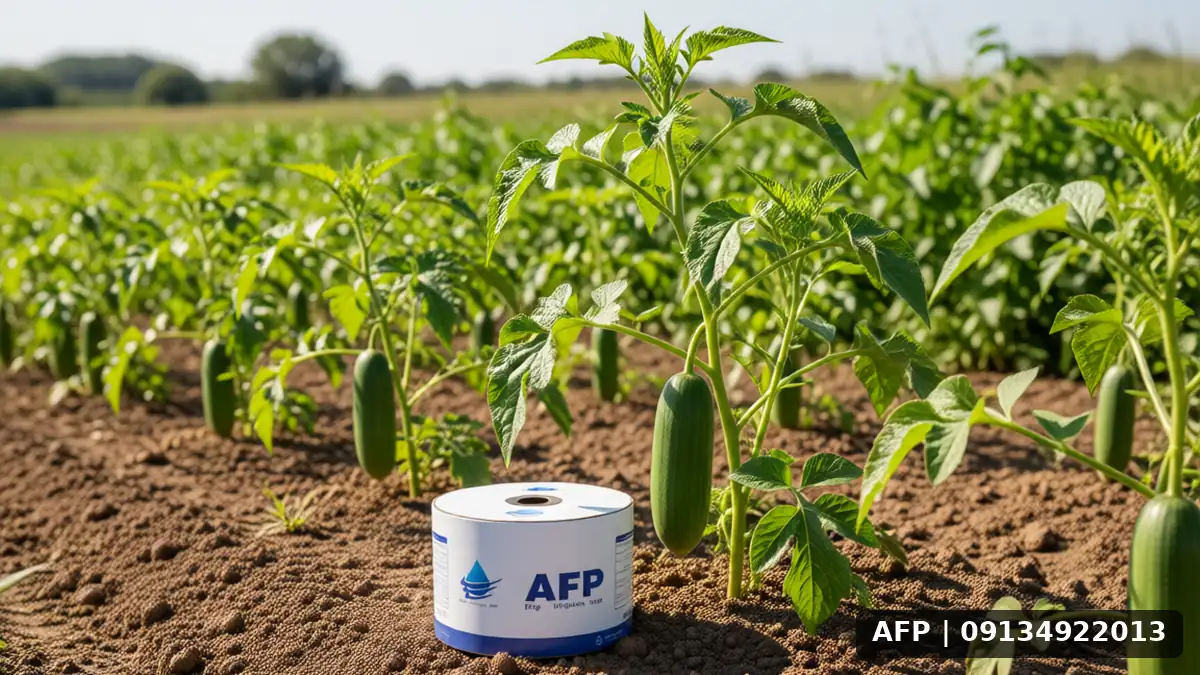
Cucumber is a moisture-sensitive vegetable where precise water management plays a decisive role in yield and quality. Surface Irrigation of Cucumber A traditional method in which water flows between levees and spreads over the ground. This method remains common in many Iranian farms due to its execution simplicity and low equipment requirements; however, given drought and rising water costs, a deep understanding of plant physiology and surface irrigation hydraulics is essential. This guide explains the principles of surface irrigation and compares it with the modern drip tape method to help farmers make better decisions for their land.
To better understand key parameters such as water efficiency and flow rate, you can study the fundamentals in the field of Furrow Irrigation which forms the basis of surface irrigation.
Technical and Hydraulic Principles of Surface Irrigation for Cucumber
Thermal heating and water distribution
In furrow irrigation, water flows from a main channel into check plots and spreads across the soil surface over a specific time. For cucumbers, the wetting depth must reach the active root zone (40 to 60 cm) without causing waterlogging or root oxygen deficiency. Field slope and soil permeability determine the advance rate of the water wave. If the water flow is excessive, surface erosion occurs; if too low, the irrigation time exceeds the optimal duration.
Correct layout requires adjusting the inlet flow rate based on plot area and soil type. Sandy soils require longer contact time, whereas heavy soils have slower water absorption and increase the risk of waterlogging for cucumber roots.
Comparison with pressurized and tape-drip irrigation
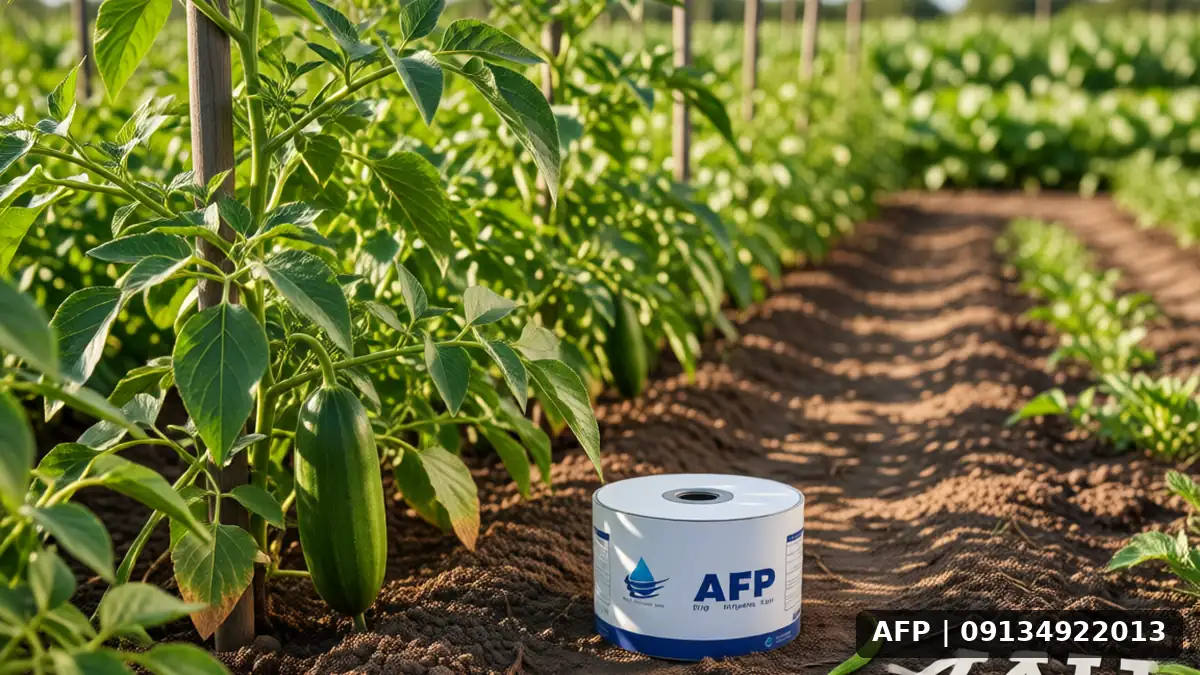
Compared to furrow methods, pressurized systems such as tape-drip irrigation provide uniform and cost-effective water distribution. Although furrow irrigation for large-scale cucumbers may seem simple, using fixed tape-drip systems with appropriate diameters can reduce evaporation losses and improve water use efficiency. To better understand product versatility, refer to the fixed spray tape guide, which explains how these systems control relative humidity around plants with finer droplets and prevent fungal diseases in cucumbers.
In addition to tape-drip, sprinkler irrigation systems are sometimes used; however, for shallow-rooted vegetables like cucumbers, precision subsurface irrigation or tape-drip is usually preferred. Training on tape-drip usage is the more practical aspect of this comparison.
Practical tips for implementing furrow irrigation for cucumbers
Bed and channel preparation
Before each irrigation cycle, the bed surface must be tilled and properly leveled. Main and lateral channels must have a uniform slope to ensure even water distribution. Small high spots can cause water to pool in one area while leaving another dry, which is harmful to cucumber roots. Clearing channels of weeds and leveling the water flow before each irrigation is essential.
Irrigation timing management
Irrigation timing must be adjusted based on peak evaporation hours. Typically, irrigating in the early morning or evening is best to reduce surface evaporation. Cucumbers are sensitive to extreme moisture fluctuations; therefore, maintaining consistent soil moisture through regular surface irrigation cycles prevents fruit cracking. The water volume per irrigation must not be so high that it leaches nutrients from the surface horizon.
Calibration and pumping
In surface systems supplied by pumps, controlling the pump’s outlet flow rate is critical. Using valves to divide the flow and a pressure gauge to monitor pressure increases system accuracy. If pressure reduction is needed at the channel end, adjusting the height of the pump’s outlet valve or using a tailgate as an auxiliary system at the pooling point is an effective solution.
To learn about the factors affecting overall crop yield, read the article Vegetable yield per hectare: A practical and calculation guide It can provide a better understanding of the relationship between irrigation and final cucumber yield.
Advantages and Disadvantages of Furrow Irrigation Compared to Drip Irrigation
Advantages
- Lower initial cost compared to drip and micro-sprinkler systems
- Ability to leach salts from the soil in saline areas
- Ease of maintenance and repair by local labor
- Suitable for farms with uniform slope and soils that are not very sandy
Disadvantages
- Low water efficiency due to excessive surface evaporation and deep percolation
- Relative soil drying and increased land erosion during long throw distances
- Longer irrigation times required for large field sections
- Imprecise moisture distribution control, leading to uneven cucumber growth
Cost analysis shows that although the initial investment for drip tape is higher, the return on investment through water savings and yield increases occurs in the short term. For a precise comparison, study the section Rosemary yield per hectare + influencing factors This can explain the common pattern of environmental variables affecting yield, as the principle of precise moisture control is the same in both crops.
Frequently Asked Questions (FAQ)
Is surface irrigation recommended for cucumbers in sandy soils?
Sandy soils, due to high permeability and low available water, are not ideal for surface irrigation because water infiltrates rapidly and the shallow root zone of cucumbers may dry out. Under these conditions, a 16 mm diameter tape with a 58 mm emission interval is recommended to provide a more uniform distribution.
How often should cucumbers be surface-irrigated?
Depending on air temperature and soil type, irrigation is typically required every 3 to 4 days during warm seasons. However, this cycle must be adjusted based on infiltration depth monitoring using percolation probes to maintain root-zone moisture.
Can tape drip irrigation be used alongside surface irrigation?
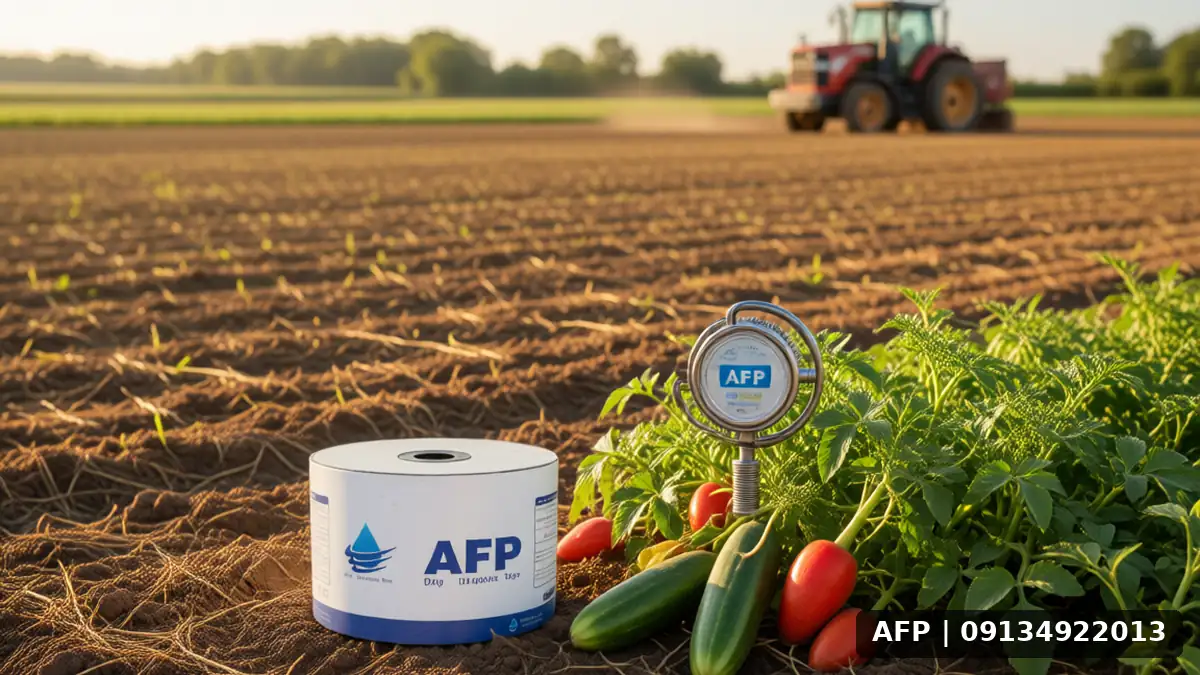
Yes, a hybrid approach exists where sections at the end of the channel that do not receive water, or areas at risk of waterlogging, are irrigated via tape drip. This method maintains system integrity and improves water distribution. To select the optimal tape, refer to the ‘Moisture Conditions for Green Sward’ section.
Summary and Final Recommendation
Choosing an irrigation method for cucumber cultivation is a decision based on soil type, land slope, water sources, and the capital the farmer is prepared to invest. Although surface irrigation is attractive in terms of initial costs, considering climatic water constraints, moving toward more precise systems such as drip irrigation can ensure farm profitability and sustainability in the long term. Our recommendation is to conduct a small-scale test with drip irrigation in one section of the farm before changing the system and to monitor the performance of root zone moisture sensors throughout the season.
To read more about the comparison of yields for different crops, you can review the article on blackseed seed quantity per hectare to also see the precise management pattern for other vegetables. Ultimately, irrigation system integrity and regular maintenance are the keys to success in any method.
Related Articles: lf pipe price guide iraq