Boosting Water Onion Yield per Hare with Netafim Drip Irrigation
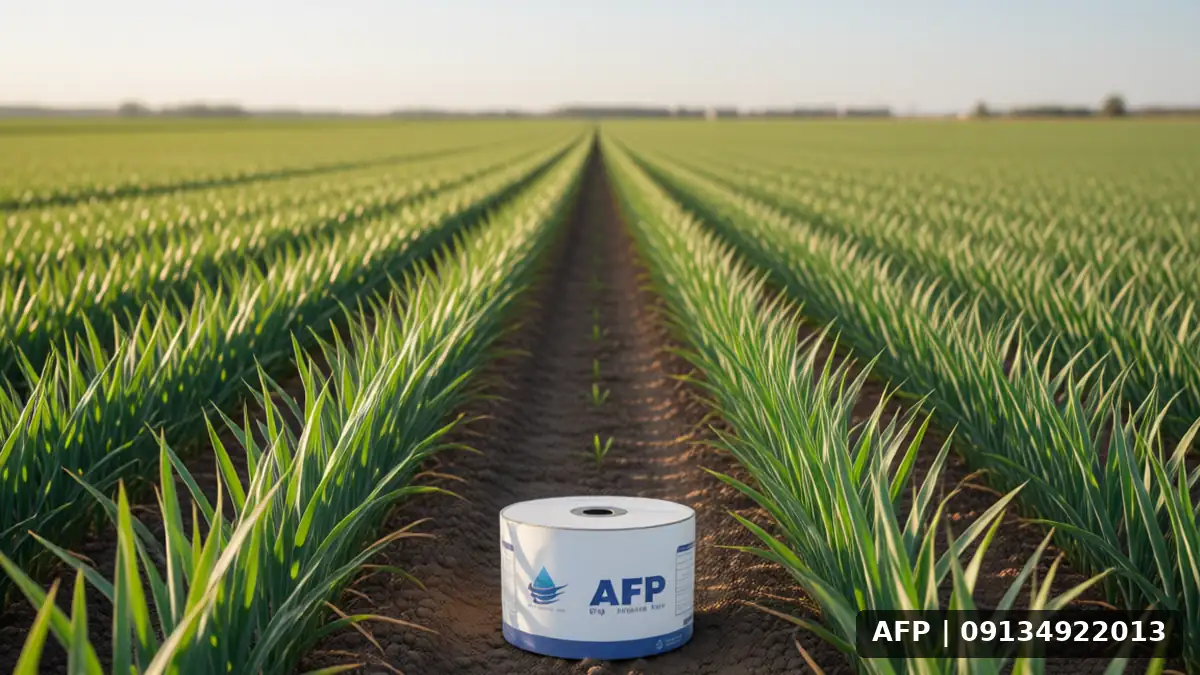
Introduction to the Importance of Precision Irrigation in Shallot Cultivation
Shallots, known by their scientific name Allium hirsutum or its close relatives, are crops highly valued in domestic and export markets due to their therapeutic properties and distinct flavor. To increase shallot yield per hectareusing high-quality seed alone is insufficient; water resource management, particularly in arid and semi-arid regions, is the final determinant of performance. Conventional irrigation systems, such as sprinklers, are not optimal for shallots due to high water loss and surface moisture runoff, given their sensitive deep and bulbous root systems.
In contrast, the drip tape system, which combines hose tape and drip emitters, enables uniform water distribution and fertigation. By reducing evapotranspiration and improving water use efficiency, this method directly affects bulb size and final crop quality. The following sections examine the technical and practical aspects of this topic.
h3>
Technical Principles of Drip Tape in Shallot Cultivation
Drip tape is a technology that distributes water flow as a thin strip on or near the soil surface. In shallot cultivation, planting distance and target bulb diameter determine the type of drip tape selected. Typically, 25 mm diameter tapes are recommended for shallot planting lines. A key point is that the drip tape should not be placed directly under the bulb; instead, it should be positioned 10 to 15 cm from the planting axis to prevent rot and root stress.
To determine system capacity, the appropriate flow rate must be calculated. For onions, drip emitters are typically spaced 20 to 30 cm apart. When using a standard drip tape, ensure adequate line pressure for uniform distribution. Review Drip tape irrigation strip coordinates Regarding emitter spacing and inner diameter, this is the first step in proper system calibration. If line pressure is insufficient, the tape may clog, resulting in relative water stress in certain areas and reduced overall yield per hectare.
Irrigation and fertigation strategies
One major advantage of drip tape is the ability to perform fertigation. Onions are sensitive to micronutrients such as iron and manganese. Using drip tape allows nutrients to be delivered directly to the root zone. The recommended program includes high phosphorus during initial growth and potassium during the bulb-filling stage. For information on how to correctly calculate and distribute water, read Irrigation drip tape application rate is essential.
The table below shows a sample drip irrigation schedule for garlic in a low-rainfall climate:
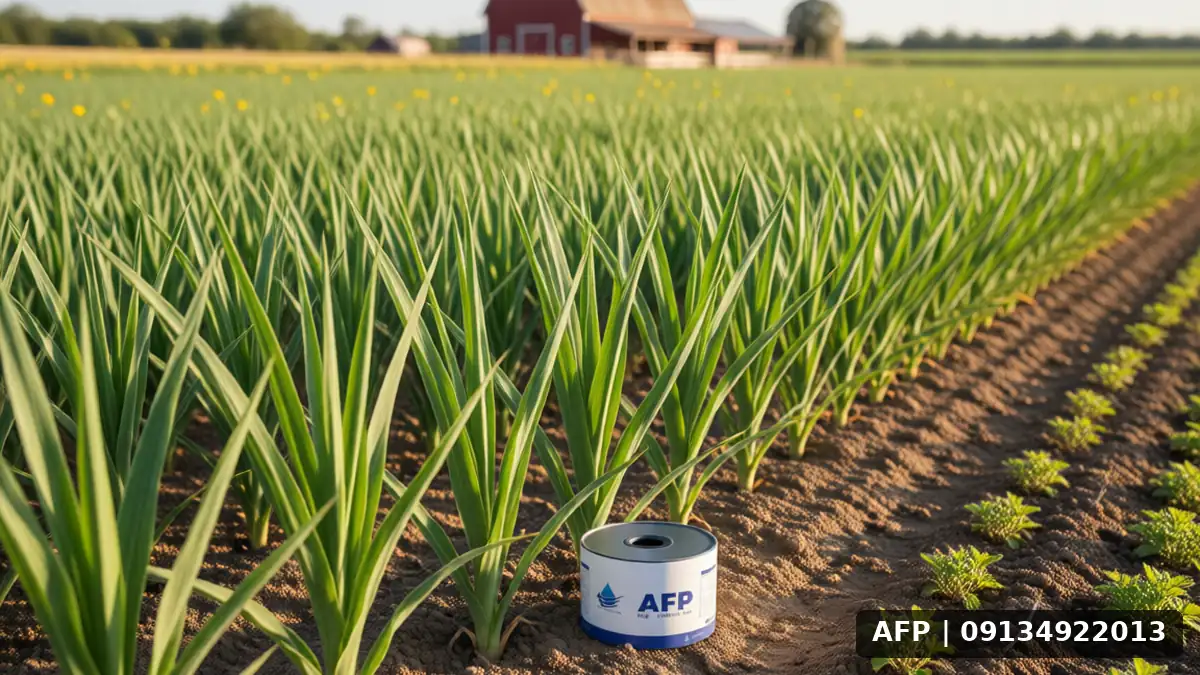
It is critical to pay attention to how drip tape irrigation points are determined to maintain uniformity across the entire field. Topographical variations can cause elevated areas to receive less irrigation; therefore, adjusting system grading and using pressure regulators are key to enhancing shallot yield per hectare .
h3>
Factors affecting performance and common challenges
Many farmers expect that merely installing drip tape will magically boost performance. However, the reality is that drip tape is a tool that must be used in conjunction with proper seed management, planting depth, and pest control. Shallots are a crop sensitive to scratching and physical damage. If seed planting depth is incorrect, even with the best irrigation system, bulbs may emerge from the soil surface or grow deeper than necessary.
One common problem is tape clogging due to biological or sedimentary contamination. To prevent this, using the main inlet siphon and an appropriate filter is essential. Additionally, proper system maintenance after the end of the season extends the functional life of the tape. Guide Tape maintenance and costs This can help reduce wear and increase your economic efficiency. Since the garlic crop is high-value, even a minor yield reduction due to rot can result in significant financial loss.
Practical tips for optimizing cultivation
- Planting depth: Plant garlic seeds at a depth of 2 to 3 cm. Deeper planting causes slow growth and rot.
- Planting spacing: Row spacing is typically 20 to 25 cm, and seed spacing is 5 to 7 cm. Position the drip tape precisely at the planting line for inter-row crops.
- Soil Covering: After sowing, cover the seedbed with mulch (plastic or organic). This practice helps conserve moisture and prevent weed growth, but ensure the drip tape is not covered by the mulch and remains accessible.
- Moisture Monitoring: Use a tensiometer or manual soil tests to monitor soil moisture depth. While drip tape allows for more controlled water delivery, it should not be treated as a substitute for measured irrigation.
For comparison with other crops, recall how the use of drip tape in other vegetable cultivation increased yield. Review. Lettuce yield per hectare This can provide a good indication of the production potential for vegetables using drip-tape-like systems.
h3>
Frequently Asked Questions (FAQ)
Is tape drip suitable for all climates?
Yes, tape drip works in both arid and semi-arid climates. However, in humid climates, flow rate should be reduced to prevent excessive drainage.
What is the useful life of tape drip?
With proper maintenance, tape drip can function effectively for 2 to 3 seasons. Under certain conditions, its lifespan can be extended through regular flushing.
Can tape drip also be used for fertigation?
Yes, and this is one of its key advantages. Applying soluble nutrients via injection results in better nutrient uptake.
What is the correct distance between tape drip and the planting row for chives?
A distance of 10 to 15 centimeters is safe. Closer than this increases the risk of rot, while farther reduces root efficiency.
When should I switch from a fixed drip tape to a variable one?
If you cannot reposition the tape, use the fixed type (Fixed Spray Tape). If your field has irregular dimensions or limited space, a variable tape is a better option. For more information about the fixed type, you can refer to the Fixed Spray Tape section.
Summary and Future Outlook
Increase Yield of spring onions per hectare with drip tape It is a multi-stage process requiring precision in equipment selection, irrigation planning, and nutrient management. Drip tape is a tool that optimizes moisture distribution, reducing plant stress and allowing the plant’s energy to be directed toward bulb growth rather than water-seeking. Farmers using drip tape systems often report increased production, improved resistance to root pests, and reduced labor costs for irrigation. It is recommended to conduct field trials before the planting season to determine the optimal emitter spacing and line pressure for your specific field conditions. With smart resource management, you can achieve desirable yields and strengthen your share of the market for high-quality spring onions.