Pest and Disease Management in Soybean Under Drip and Tape Irrigation Systems
Introduction to the relationship between irrigation and soybean plant health
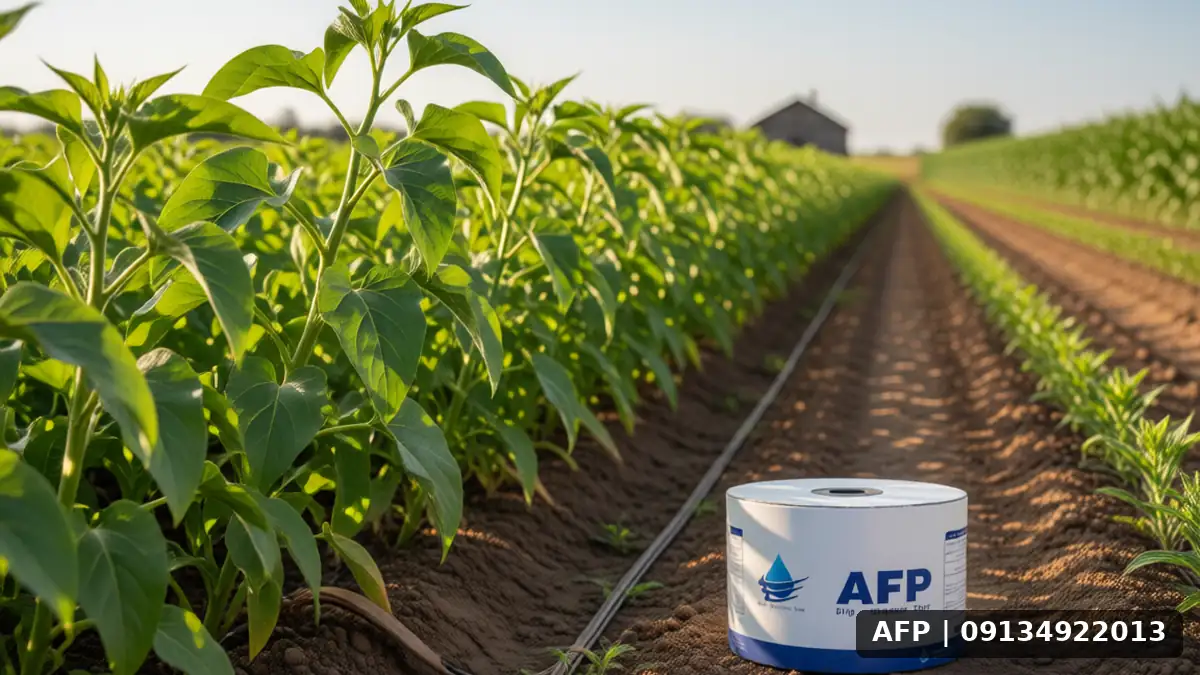
Soybean is one of the world’s most important oil and protein crops, and it is highly sensitive to moisture conditions. While conventional irrigation (flood) can significantly increase the risk of fungal disease outbreaks, Management of soybean pests and diseases with drip irrigation is manageable. These systems neutralize the favorable environment for pathogen growth by reducing surface soil moisture. Drip irrigation delivers water directly to the root zone (rhizosphere), preventing excessive transpiration and plant fatigue; a plant under water stress is less effective in defending itself against insects. Therefore, the correct combination of irrigation management and pest control is the key to success in soybean cultivation.
The impact of drip irrigation on the prevalence of soybean fungal diseases
Fungal diseases such as askomycosis and white mold proliferate in humid air and high leaf moisture. Drip irrigation helps reduce these risks in several ways. In conventional systems, water is sprayed onto the ground surface under pressure, wetting the leaves, which provides an ideal breeding ground for fungal spores. In contrast, drip irrigation releases water at or just below the soil surface.
Rhizosphere management and root diseases
One of the main challenges in soybean is root diseases that cause yellowing and plant collapse. With drip irrigation, we can precisely regulate the amount of water delivered to the roots. Relative dryness in the rhizosphere prevents the growth of certain soil-borne fungi (such as Phomopsis). Although drip irrigation is not directly fungicidal, it enhances the plant’s internal resistance by creating oxygen-rich conditions in the roots. To better understand the operating mechanism of these systems, it is recommended to study drip irrigation water application rates to determine the appropriate calculation formula for your local conditions.
Prevention of pipeline pests and small insects through moisture management
Insect pests such as aphids and thrips are more active in fields with uneven moisture distribution. When water is supplied uniformly at low volumes through drip lines, plants remain in better condition and regulate their exudate production. Some pests may target specific plants as preferred hosts. Additionally, the relative dryness of leaf surfaces resulting from drip irrigation helps prevent the reproduction of certain whiteflies. In field areas where drip lines are not properly installed, pests tend to gather. Therefore, important guidelines for using drip irrigation emphasize the uniformity of emitter flow rates; because uneven water distribution creates hotspots for pest activity.
The role of drip lines in the transport of deterrents and soluble foliar sprays
One key advantage of drip irrigation systems is the capability for fertigation and chemigation. Although the use of pesticides within the system requires caution and technical consultation due to clogging risks, certain liquid fungicide formulations can reach the root zone at very low, controlled doses through these systems. This approach reduces the sharp fluctuations caused by traditional spraying. To determine optimal spacing and conditions for maximum system efficiency, it is necessary to evaluate the selection of agricultural drip lines based on the type of emitter.
Soil-borne pests and biological control
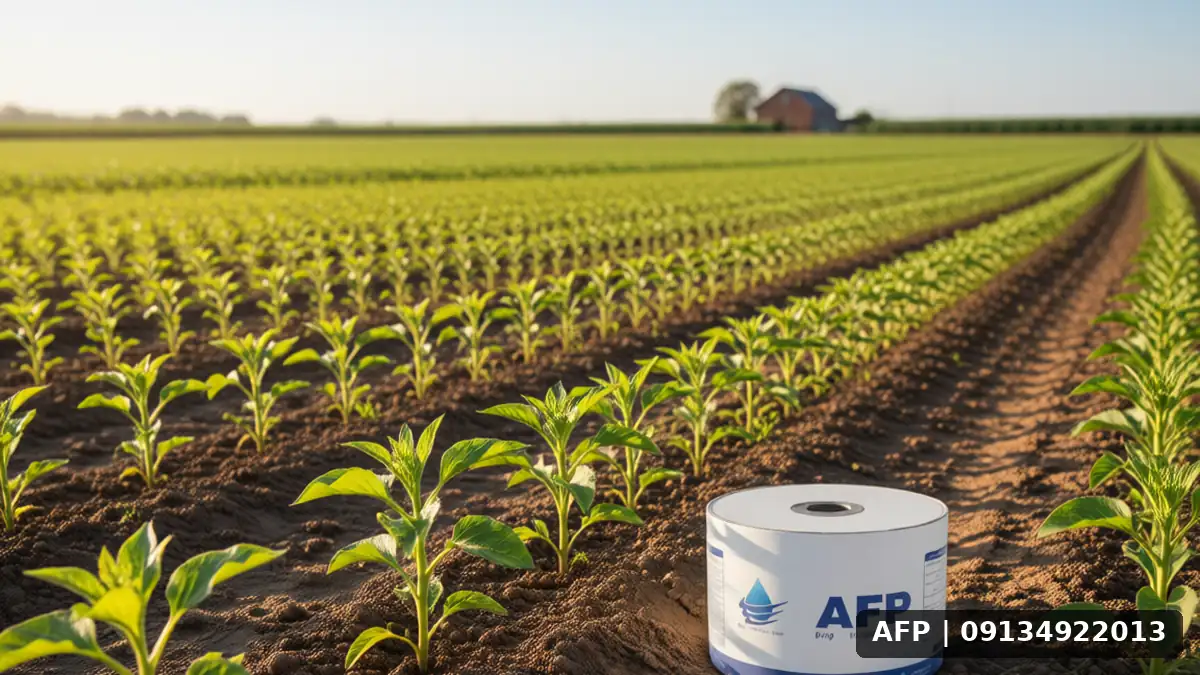
Soil-borne pests such as the potato caterpillar (Heliothis virescens) are more active in high soil moisture. Drip irrigation, by controlling moisture in the subsoil layers, can limit larval growth rates. These conditions also create a more suitable environment for beneficial pests (such as lacewings and parasitoid wasps), which often perish in wet and waterlogged fields. Integrated Pest and Disease Management (IPM) in drip tape contexts requires continuous monitoring. Because soybean is a light- and temperature-sensitive crop, combining precise irrigation with monitoring of pheromone and sticky traps increases the success rate. In this regard, a deep understanding of water dynamics across various field scales is crucial; studying a sandy field experiment in drip tape irrigation can help you better understand water movement in well-drained soils and strengthen prevention of root diseases.
Practical tips for reducing pest and disease risks with drip tape
- Irrigation timing: Avoid irrigation in the late evening; because droplets remaining on leaves during cold nights maximize the risk of fungal infections. Drip irrigation should be performed when the sun is not shining directly on the drip tapes or in the early morning hours.
- Water splash on leaves: If your system does not use fine filtration, flush the system during dry hours to prevent the deposition of particles and residues on soybean leaves, which causes leaf scorch and weakening.
- Drip tape emitter control: Clogging of the drip tape emitters causes uneven dry and wet spots. Soybean plants in dry zones experience stress and become susceptible to wilt attacks. Cleaning filters is a key preventive measure against disease.
Frequently Asked Questions
Does soybean drip tape reduce the risk of leaf spot diseases?
Yes, indirectly. Because the humidity in the root zone (rhizosphere) is stable and controlled, leaf wetness overnight is prevented (assuming proper use of low-pressure surface drippers). This breaks the transmission cycle of foliar pathogens. To understand the appropriate spacing that ensures uniform root zone coverage without excessively wetting adjacent surfaces, refer to the comprehensive guide on beet drip tape usage (as a general example for sensitive root crops).
Can a drip irrigation system be used to manage pests?
The irrigation system itself does not kill insects, but by minimizing plant stress, it reduces the production of attractive exudates that attract pests. Additionally, if the system is used to inject soluble repellents (with proper filtration), it provides uniform coverage compared to manual spraying, eliminating wet, pest-prone areas.
What is the impact of low pressure in soybean drip tape?
Low pressure allows emitters to open with greater precision, ensuring water flows at the point of application rather than being ejected. This directly reduces the risk of pathogen transmission via contaminated droplet movement. Optimizing this parameter based on plastic wall thickness is critical. To understand the physical relationship between pressure and drip tape lifespan, Ideal drip tape thickness Check this to prevent micro-tube failure, which can cause irregular water distribution and create undesirable soil conditions for pests.
Conclusion and Final Recommendations
Managing soybean pests and diseases with drip irrigation is a comprehensive and preventive approach, not just a water supply tool. By maintaining optimal root-zone moisture and reducing unnecessary surface moisture, your soybean crop will be more resilient to fungal pathogens and insects. The key to success is precise monitoring. If your system experiences pressure fluctuations or irregular flow, the risk of root damage and increased plant vulnerability to pests rises. Applying correct design principles, selecting the appropriate emitter model, and maintaining the system regularly is an investment that not only saves water but also significantly reduces pesticide costs and crop losses. By adhering to these guidelines, you will achieve healthier soybeans with high seed quality and minimal waste. For a better understanding of irrigation methods, reading the article ‘Direct Irrigation of Agricultural Land: Advantages and Disadvantages’ can broaden your perspective on different approaches.
Related articles: Selecting agricultural drip tape, musir hosilagiri dar hektyar, The water delivery rate of the drip irrigation tape