Chickpea Yield Per Hectare Using Drip Tape: A Practical Guide to Boosting Performance
Why is tape line irrigation chosen for chickpea cultivation?
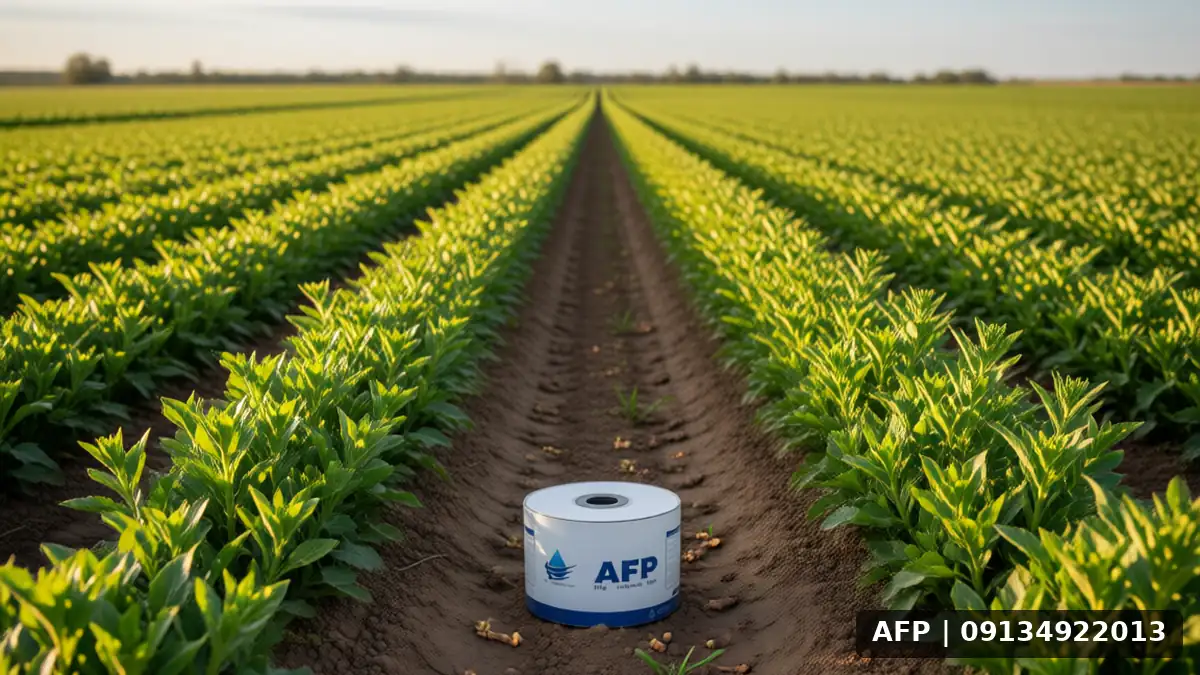
Chickpea (Pisum sativum) is a crop with shallow root systems and high sensitivity to drought stress during critical stages such as flowering and seed formation. The use of tape line irrigation instead of traditional drip or furrow irrigation delivers water directly into a narrow band just below the soil surface (within the active root zone). This approach not only minimizes evaporation losses but also maintains stable moisture in the rhizosphere, stimulating root growth.
One of the major benefits of this system is the reduced need for repeated plowing, as tape lines are typically made from recyclable or biodegradable plastic and are placed directly in the planting rows. To better understand the physical structure of these lines, you can refer to tape line specifications and characteristics to learn about available materials and thicknesses.
Key factors affecting chickpea yield
Many farmers believe that water is the only important factor, but in reality, chickpea harvests are the product of a complex combination of variables. In modern cultivation, three main cycles involve soil preparation, agronomic moisture management, and pest control. If soil moisture in the root zone is uneven, chickpea plants become stressed, resulting in reduced flower bud formation.
- Seed density: A seeding rate of 12 to 15 kg/ha is usually recommended. Although this amount depends on seed conditions and the region, an appropriate density ensures optimal competition for light and water.
- Row spacing: In the drip irrigation system, the distance between rows must exactly match the planting pattern to ensure no plant is left dry.
- Nutrient management: Chickpea is a crop that benefits from nitrogen fixation at root nodules, but in the early growth stages, the application of phosphorus fertilizer alongside the drip line can promote faster vegetative growth.
To compare chickpea yield performance with other legumes under similar conditions, studying the seeding rate of squash per hectare can be helpful, as it shares common aspects of root zone moisture management with chickpea cultivation.
Drip irrigation scheduling table for chickpea
In a drip tape system, you face low and stable pressure. Therefore, irrigation should be performed regularly at specific time intervals. In the root zone, water infiltrates slowly. Below is a proposed schedule for a temperate zone:
Remember that the above table is a general guideline. In sandy soil regions, irrigation frequency should be increased and the volume per application decreased. For more precise information on intervals and line configuration, we recommend checking the connections of the Keshavarzi drip tape to ensure system integrity.
Practical tips for improving bud quality and quantity
Increase Chickpea yield per hectare with drip irrigation Ignoring salinity (stress) is not feasible. One common problem in chickpea cultivation is stem lodging, which occurs due to uneven stem growth caused by moisture heterogeneity. To prevent this issue:
- Using staking: If planting density is high, using tension wires or small posts alongside the drip line can prevent stem bending.
- Monitoring soil moisture: Use moisture sensors. In a drip system, you cannot visually judge moisture levels. Moisture must remain stable at a depth of 15 to 20 cm.
- Removing extra drip lines: If sufficient space is available, reducing the distance between drip lines to 40 to 50 cm can increase the covered wetted zone.
Additionally, focusing on seed hygiene and soil disinfection before planting reduces the risk of fungal diseases, which are more prevalent in the moist environments of drip lines. For intercropping, analyzing the quantity of chickpea seed per hectare can help understand the optimal density for seed-based planting.
Common challenges and solutions
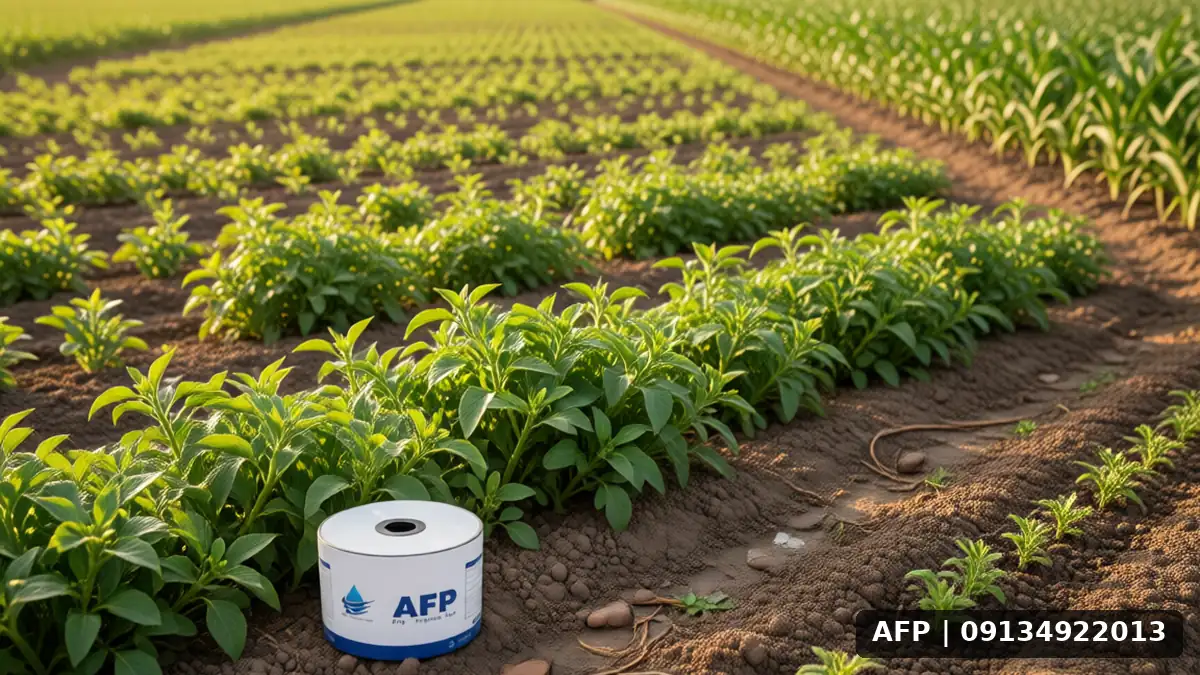
One of the biggest challenges with drip lines is puncturing or displacement caused by small animals or machinery. To address this, some farmers use drip lines made of more durable material or utilize lightweight protective netting. Clogging of drip line emitters when using water sources with suspended particles is another issue. Proper filtration (sprinkler and disk) is essential.
If you notice your plants exhibiting chlorosis, your irrigation water may have high salinity. In this case, soil leaching is required. To better understand salinity behavior in different systems, studying rainfed (nutrient) irrigation and related procedures is beneficial.
Frequently Asked Questions (FAQ)
1. Is drip line suitable for early-maturing chickpea?
Yes, provided that a heating system or plastic mulches (tunnels) are used alongside the drip line to maintain root temperature during cold seasons.
2. How many seasons can a drip tape be used?
Depending on the material, drip tapes typically last for 1 to 3 seasons. In any case, annual internal flushing with water pressure is essential.
3. Do chickpeas require foliar feeding (spraying)?
Chickpeas do not utilize foliar application for nitrogen nutrition because the plant benefits from atmospheric nitrogen fixation via its root nodules. However, phosphorus and potassium can be better absorbed through foliar spraying.
Conclusion
Using drip tape for chickpea cultivation is a smart method to increase water use efficiency and achieve a Chickpea yield per hectare with drip tape yield is higher. With proper planting spacing, precise irrigation timing, and nutrient management, final yield can be expected to increase by 20 to 30 percent compared to flood irrigation. The key to success is patience and continuous monitoring. Following these principles, your cultivation will not only be more economically profitable but will also contribute to water resource conservation.
Related articles: Related article Related article Related article, Characteristics of drip tape and its features, Green onion yield per hectare: A comprehensive guide + tips for increase, Sesame seed rate per hectare + tips for yield increase