Comprehensive Guide to Buying 90mm Threaded Pipes: Selection Tips and Pricing
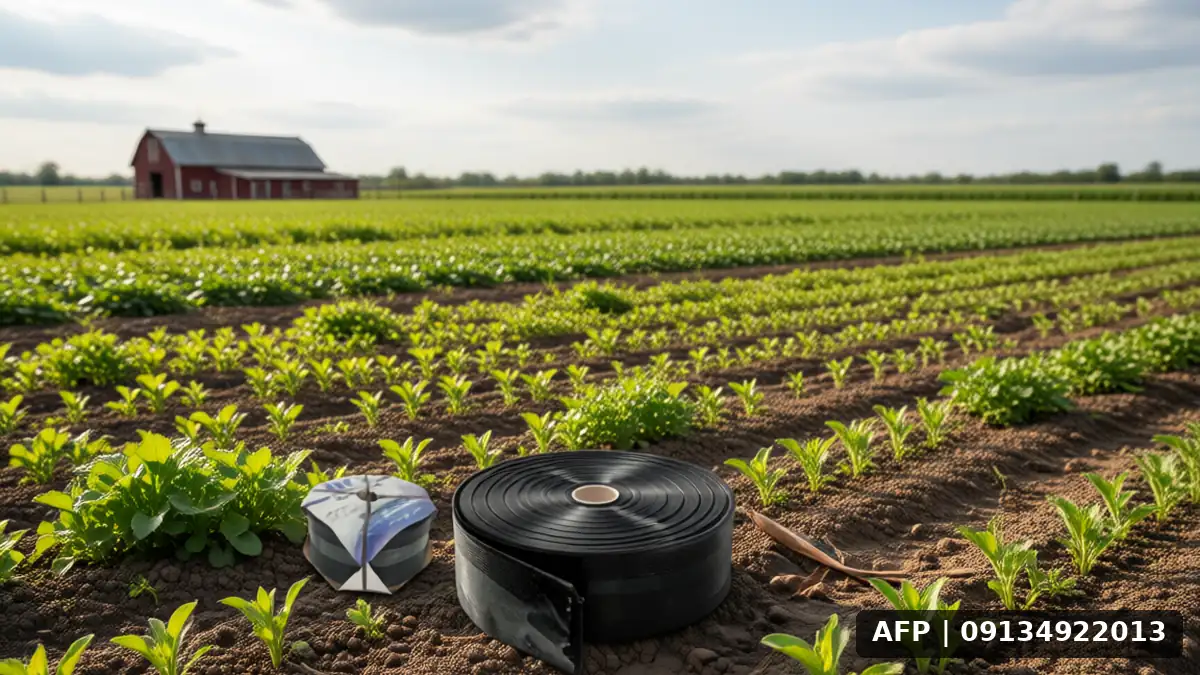
Introduction to the importance of high-pressure pipes in irrigation
In modern agriculture, particularly in drip and belt irrigation systems, selecting the right high-pressure equipment is considered a fundamental pillar of success. 90 mm threaded pipe It is one of the key elements that facilitates water transfer from the surge or injection point to the belt tips. Due to its appropriate flow rate and acceptable resistance, this pipe size is widely used in many fruit orchards and industrial vegetable farms. In this section of the buying guide, our aim is to familiarize you with the structure, application, and technical details of this product so that you can make an informed investment.
Selecting a high-pressure pipe is not just about its price; connection quality, UV resistance, and dimensional stability are also important factors. 90 mm pipes are generally made of polyethylene (PE) with a high-pressure grade (SDR11 or SDR17) and are available in two types: without flanges and with flanges. However, for the 90 mm size, drill or heat poly connections, or threaded connections, are commonly used, which is the subject of our discussion.
Technical and structural features of 90 mm threaded pipe
To better understand whether this pipe is suitable for your application, we must examine its exact technical specifications. Pipes with threaded couplings have standard threads based on ISO, allowing direct connection with shut-off valves, vents, and meters. This feature is ideal for systems that require faster disconnection at various points in the network.
Raw material and chemical grade
The primary material of high-pressure pipes is usually high-density polyethylene (HDPE). The material grade (such as PE100) determines the useful life of the pipe and its resistance to impact and internal pressure. When buying, ensure that the pipe label includes the Iranian National Standard mark and the CE symbol. The absence of these marks may indicate the use of low-quality recycled materials that can lead to cracking and leakage over time.
Differences between fusion pipes and threaded pipes
For larger sizes like 90 millimeters, many experts recommend using fusion joints to ensure a leak-free connection. However, pre-made pipes with threaded joints offer faster installation and are very suitable for smaller or remedial projects. If you Metal fittings and Akaid drip irrigation are using them, you must ensure that the pipe material is compatible with metal to prevent corrosion due to galvanic (electrical) polarity.
Key points when buying and comparing prices
Price 90mm threaded pipe Affected by fluctuations in petrochemical material rates, transportation costs, and manufacturer brand, the price is variable. However, as a comprehensive guide, it should be known that the price differences between reputable brands and scattered brands often lie in the quality of threaded connections. Connections factory-attached to the pipe should have an appropriate trough (Trough) so that threads are not worn out when tightened with a clamp.
Inspection of pipe length and fittings
High-pressure pipes are usually produced in 100-meter rolls or 6-meter scissor cuts. 6-meter scissor cut pipes with nuts and bolts are very popular for repair works. When purchasing, always check that the screws are galvanized steel; galvanized or cast iron screws are better options due to the possibility of corrosion with the oceanic environment. Also, the length of the threads inside the pipe must be long enough so that after tightening, the flange and gasket are fully seated and no leak occurs.
Impact of diameter and pressure on selection
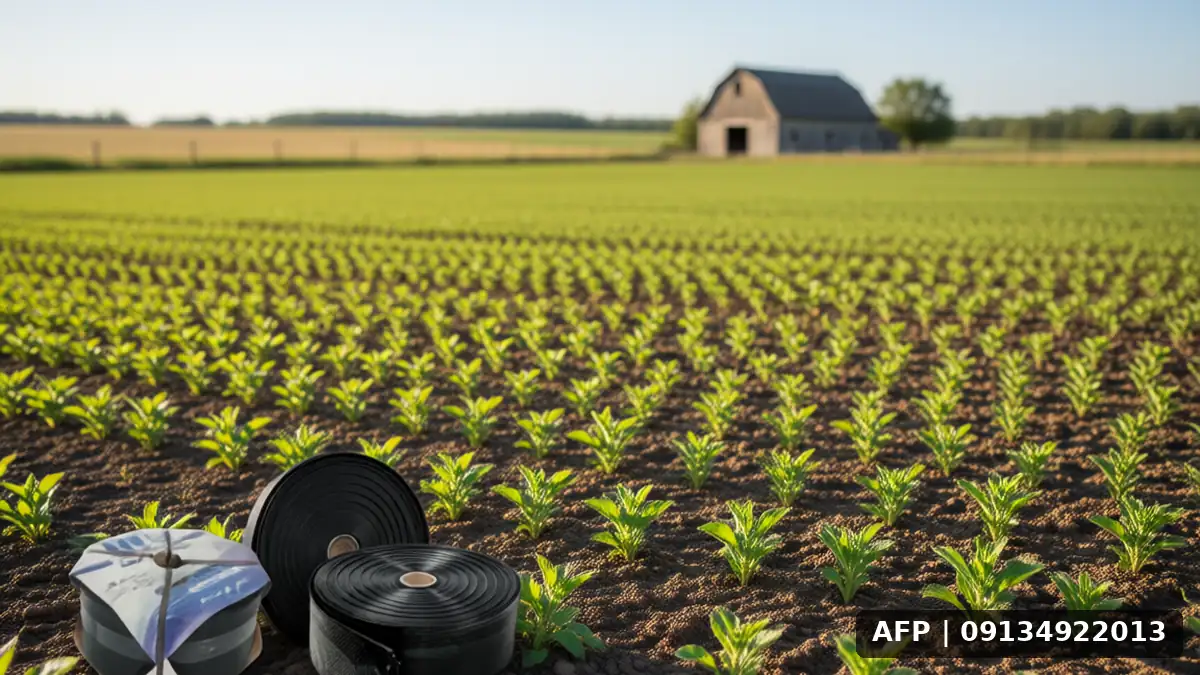
90mm groove pipe (OD) generally has a thicker wall compared to 63mm pipe in order to increase working pressure. If the irrigation pressure in your field is above 2.5 bar, always use SDR11 grade pipe. The use of SDR17 at high pressures can cause unwanted stretching or pipe rupture. To know exactly about your planting needs, you can with Study of drip line water delivery capacity Calculate your overlaps.
Application in Tip and Drip Systems
90 mm pipes are typically used as sub-main lines in large-scale systems. If you use wider drip tapes in valley farms, this pipe size is your primary choice. Correctly connecting these pipes to drip tape components directly affects water pressure integrity across the entire row. Minor leaks in 90 mm threaded connections can cause dryness at the end of the drip tape row, leading to reduced crop yield.
Watering the Soil and Roots
The selection of high-pressure pipe size should be based on plant root depth and soil type. For plants with shallow roots, lower pressure and appropriately sized pipes are sufficient, but for deep-rooted crops, higher pressure is required. In The Importance of Ground Representation for Tip and Poly Pipe Lines The role of high-pressure lines in delivering uniform water is also discussed. If your soil is clayey, you may need to increase the pressure slightly; in this case, the pressure resistance of the 90 mm SDR11 pipe is critical.
Flow and capacity calculation
The nominal capacity of a 90 mm pipe with a conventional flow velocity of approximately 2 to 3 m/s is very high. Therefore, this pipe is typically over-sized for the capacity required by a single standard strip, unless multiple strips are connected in parallel to one outlet. In this case, the 90 mm pipe can supply multiple 200 m or 300 m strips. Always calculate the total farm flow before purchase to prevent over-pressurization.
Answers to Frequently Asked Questions (FAQ)
Can a 90 mm pipe be left exposed to open air and direct sunlight?
- Answer: Standard HDPE pipes are UV-resistant, but over the long term, their color fades and their strength gradually decreases. It is recommended that proper covering be used if the pipe is stored.
What is the difference between threaded and fusion connections for a 90 mm pipe?
- Answer: Threaded connections allow for faster installation and are suitable for reversible repairs, but they have a higher risk of leakage. Welded connections offer a longer service life and complete leak resistance, but they require specialized equipment (thermoplastic welding) and repairs are difficult.
Is this pipe diameter necessary for buckwheat and marginal crops?
- Response: For small-scale fields, a 63mm pipe may be sufficient. However, for fields growing varieties with high water demand, a 90mm pipe is the better option due to reduced pressure loss. You can estimate water demand by examining the buckwheat seed rate per hectare and its initial growth rate.
Conclusion and Final Recommendation
Purchasing 90mm threaded pipe This is a technical decision, not just an economic one. By paying attention to the chemical grade (PE100), the connection type (threaded versus welded), and the system’s working pressure, you can ensure a longer service life and optimal performance for the irrigation system. Do not forget that a properly pressurized system is the lifeblood of your plants. Purchase from reputable market brands and carefully test all connections before installation. Success in precision agriculture begins with small details, such as choosing the right pipe. Ultimately, aligning the pipe choice with plant needs, such as the role of fava bean seed quantity in yield and other crops, is key to maintaining crop stability.
Related topics: Related article Related article Related article D8AFD8B1 Related article