Wheat Seed Rate Per Hectare: Comprehensive Guide to Optimal Planting with Drip Irrigation
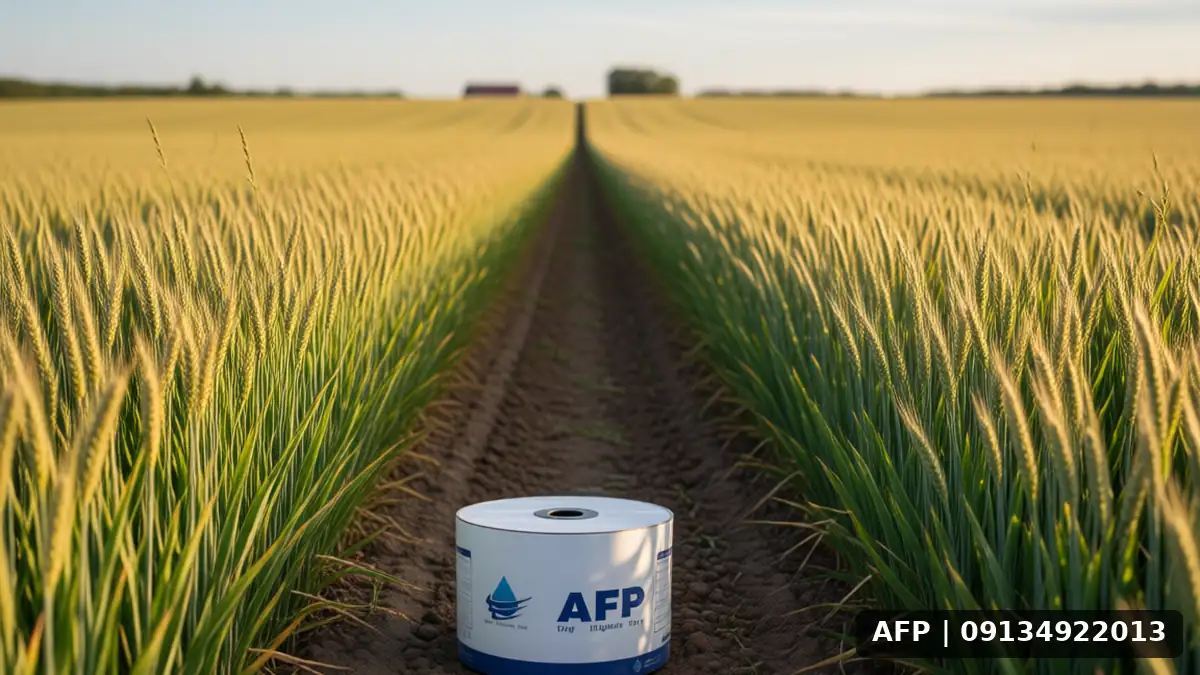
Introduction: Why is precision in wheat seeding rate critical?
Wheat is one of the primary crops whose economic and nutritional sustainability is of high importance to our country. Many farmers are uncertain when determining the wheat seed quantity per hectare : Should we use dense planting or increase the spacing between ridges? The answer to this question is not one-dimensional and depends on climate, soil type, irrigation method, and production goals. Overly dense planting leads to intense competition among plants for light and nutrients, resulting in reduced kernel weight, while sparse planting causes a loss of yield potential and an increase in weeds. In this article, based on scientific principles and practical experiences, we have prepared a comprehensive guide to help you make the best decision for your farm.
It is important to note that today, with the expansion of trickle irrigation systems such as drip line irrigation, the balance pattern between plant nutrition and irrigation has changed. In these systems, more precise access to the roots enables higher yields even with standard seeding rates.
Factors affecting the determination of wheat seed quantity per hectare
Before arriving at a fixed number, it should be understood that there is never a single magic number for all regions. Multiple factors influence the wheat seed quantity per hectare factors that have an impact on yield, and understanding them is essential for farmers. Among the most important of these factors are seed quality, tillering percentage, regional climatic conditions, and sowing methods. If you use seed with a purity rate above 95 percent and a tillering potential above 85 percent, you can slightly reduce the seed rate, as the probability of achieving optimal density is higher. Conversely, if using seed with a low purity rate, you need to increase the seed volume to reach the desired density.
Impact of Climate Type and Sowing Method
In dry and low-rainfall areas, wider spacing sowing is generally recommended to allow plants to survive under water stress conditions. However, in cold regions with sufficient rainfall, denser sowing can help prevent weed growth and optimize light utilization. Additionally, row spacing and sowing depth also influence the final seed rate. In localized irrigation systems, such as drip lines, seed placement along the irrigation line is important to ensure direct delivery of water and nutrients to the root zone. To better understand the general principles, you can refer to the guide on irrigation system types to grasp the overall structure of irrigation networks.
Comparative Review: Wheat Alongside Other Crops
Sometimes farmers get confused about crop rotation and want to know how to integrate wheat cultivation with other crops. For example, if you plan to sow rye or red clover after wheat harvest, you should note that their sowing rates differ. For comparison, you can check the rye seed quantity per hectare to be better informed about resource use. Also, if forage corn cultivation is common in your region, familiarize yourself with the guide for forage corn yield per hectare It can help you maintain the production balance of your farm. Ultimately, knowing the seeding rate of rye per hectare can also help with better crop rotation planning, which can be followed through the rye seeding rate per hectare guide.
The role of drip irrigation systems in wheat yield
One of the newest and most effective irrigation methods for wheat farms is the use of fixed drip lines. In this system, instead of general spraying, water and fertilizer are injected drop by drop and continuously into the root zone. This ensures that even with denser planting, plants do not suffer from salinity stress or relative water deficit. The choice of emitter type, water flow rate, and line length all affect the final yield. For example, emitters with a rate of 2 liters per hour are more suitable for some wheat conditions than the 4-liter-per-hour emitters commonly used for corn. If you plan to use a fixed emitter, reviewing fixed drip lines can familiarize you with the technical advantages of this equipment.
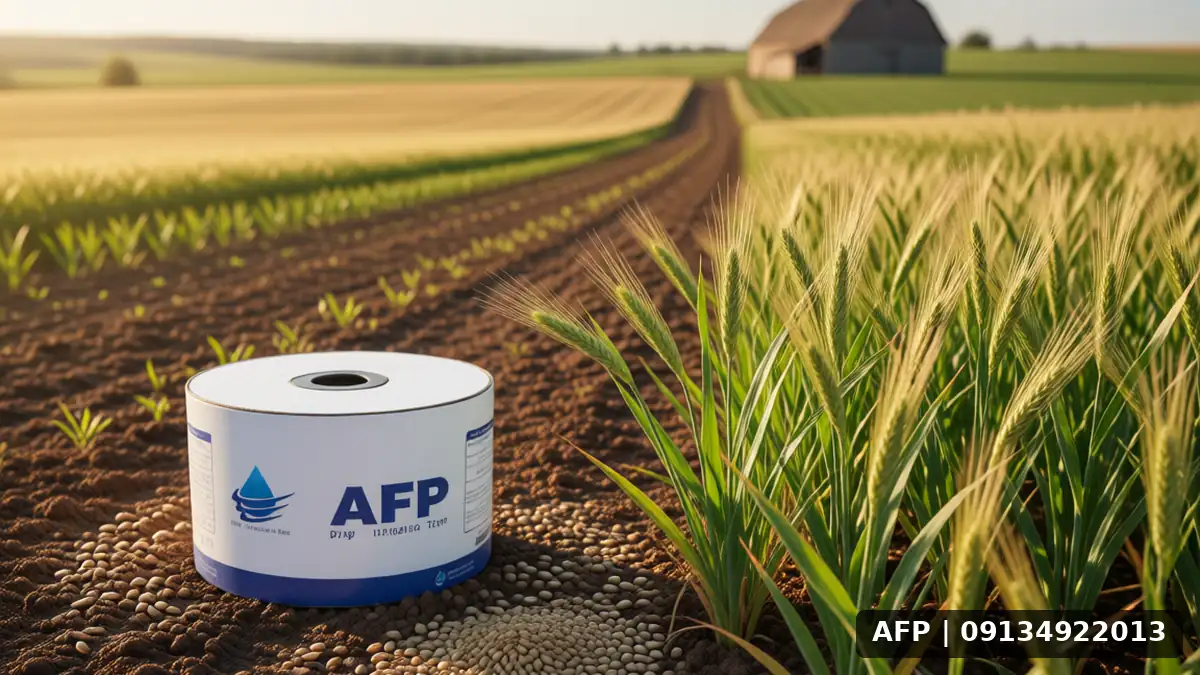
Optimizing seeding rates in localized systems
In drip line systems, there is a golden rule: by reducing competition for water, you can maintain plant density slightly higher than in surface irrigation. However, you should not forget that excessive density can lead to lodging and fungal diseases. Therefore, balancing Wheat seed rate per hectare Appropriate plant spacing is the key to success. It is recommended that before sowing, you seed-treat with fungicidal and bactericidal disinfectant solutions to ensure root health in the area moistened by the drippers.
Practical tips for on-farm implementation
- Stand establishment test: Before purchasing seed, always request the germination percentage and purity from the laboratory. If germination is below 80%, you must increase the seed rate per hectare to compensate for the loss in target plant density.
- Planter adjustment: Ensure the accuracy of seed delivery by the planter. Inconsistencies in seed placement can create sparse or dense patches in the field.
- Weed management: As plant density increases, space for weed growth decreases. However, in low-density planting, you must always use appropriate herbicides at the time of sowing.
- Initial irrigation: After sowing, initial irrigation must be applied quickly and precisely to ensure seeds remain at the appropriate depth. In drip irrigation systems, this step should not be overlooked.
Frequently Asked Questions (FAQ)
1. Should the wheat seed rate be adjusted for heavy soils?
Yes, in heavy and clayey soils, slightly denser sowing may be possible because roots grow under more favorable conditions. However, you must monitor the risk of lodging, which can reduce tillering. Under such conditions, it is better to use varieties resistant to lodging.
2. What is the best time for sowing wheat in northern Iran?
Typically, late September to early October is the best time for autumn wheat sowing in the north. Soil temperature must be at least 5°C for tillering.
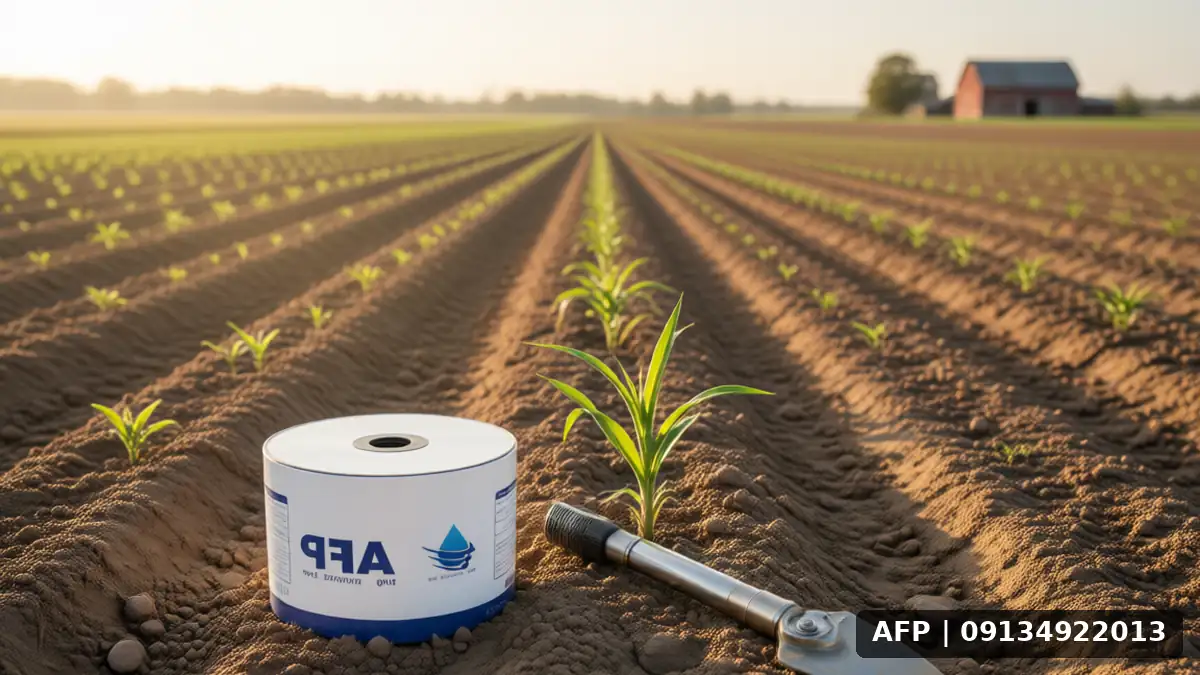
3. What is the difference in seed usage between surface irrigation and drip irrigation for wheat sowing?
In drip and tape irrigation, due to optimal water distribution, planting at higher densities can be done with a lower risk of water stress. In surface irrigation, the risk of waterlogging and root diseases is greater with dense planting.
Conclusion
The right choice Wheat seed rate per hectare It is a smart investment for the future of your farm. This choice does not come down to a single number; rather, it is a combination of seed knowledge, soil conditions, climate, and irrigation methodology. Using advanced systems like tape irrigation enables you to increase yield while reducing irrigation and fertilization costs. By following the practical tips mentioned and paying attention to local conditions, you can achieve sustainable and profitable performance. It is always worth noting that field observations and consultation with local experts are the best complement to the general data available in articles.
Related articles: Drip tape for lentil: Integrated solutions for modern agriculture, Related article Related article Related article fixed spray tape, 20cm tip tape iran price guide