Rotational Irrigation in Leafy Green Crops: A Comprehensive Guide
Introduction to the Concept of Rotational Irrigation in Lettuce Cultivation
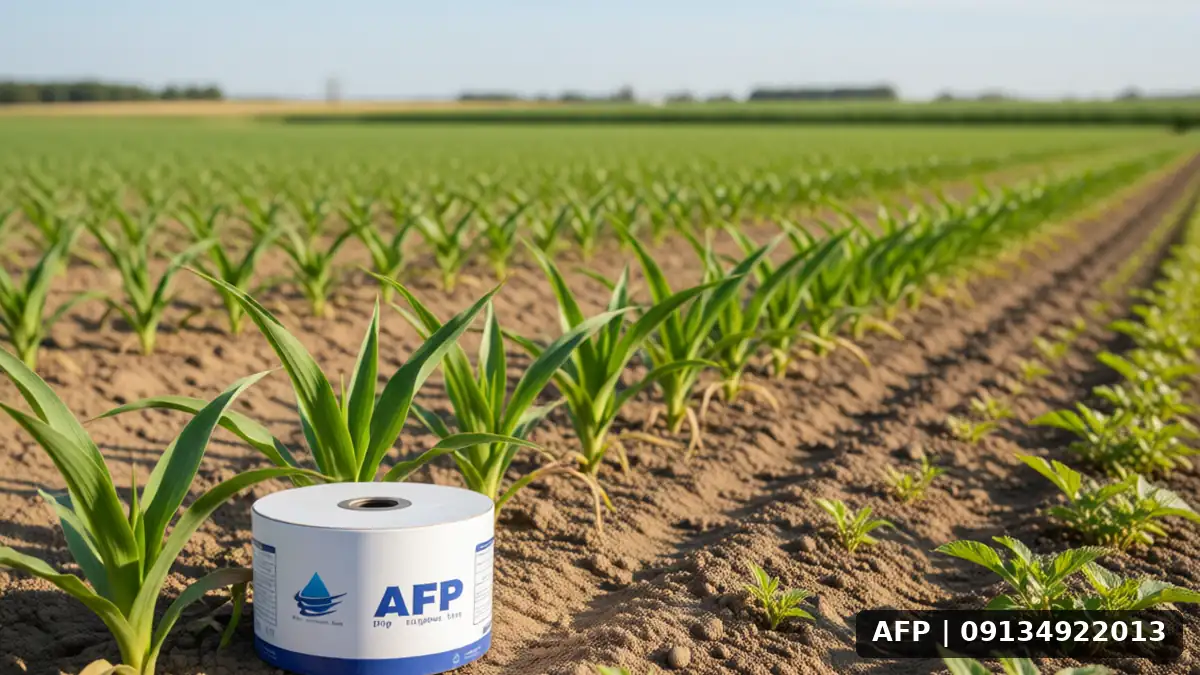
Rotational irrigation is one of the smart and advanced methods for managing water resources in modern agriculture. In this method, instead of irrigating all field sections simultaneously and continuously, different sections receive water periodically and in rotation according to a predetermined schedule. This approach, particularly in lettuce cultivation—which involves plants with sensitive tissue and high requirements for uniform soil moisture—can lead to a significant reduction in total water consumption and improved optimization of the irrigation system’s efficiency. Utilization of technology Labeled Tape Drip Irrigation Line In the rotational irrigation process, it provides the possibility of much more precise control over water distribution in the delicate roots of plants such as lettuce, cabbage, basil, and other leafy vegetables. This precision in distribution eliminates micro-scale stresses found in surface irrigation, ensuring that moisture is concentrated exactly in the root zone.
Why Is Rotational Irrigation Crucial for Leafy Vegetables?
Leafy vegetables are plants with a short growth cycle, high sensitivity to environmental changes, and a strong requirement for stable, consistent moisture. Sharp fluctuations in soil moisture, even for short periods, can lead to internal cracking of vegetables, reduced dry weight, root rot, and a severe decrease in product appearance quality and market shelf life. By correctly implementing rotational irrigation, the farmer can maintain optimal soil conditions in each section of the field and prevent water stress or waterlogging. This method allows plants to develop their root systems to search for more water, resulting in a stronger root structure. Additionally, by dividing the field into separate sections, it facilitates better management of soil-borne diseases, as the disease growth cycle in one section will not synchronize with the other.
Technical Principles and Installation of Tape Lines in Lettuce Farms
Drip tape is a popular choice for open fields and flat-land cultivation of leafy vegetables due to its high flexibility, stable pricing compared to drip line, and rapid installation. However, the success of rotational irrigation depends directly on installation accuracy, the spacing of the tapes, and their alignment with planting density. Proper understanding of seed quantity per mesh per hectare and the final planting density of leafy vegetables is the primary determinant for the appropriate spacing between tapes. For curly lettuce, where the planting distance is typically 50 cm, a 50 cm spacing between drip tapes from the planting rows is recommended to wet the roots on both sides. In contrast, for cabbage, which generally has a smaller planting distance, the tape spacing may be reduced to 45 cm. Selecting drip tape with an appropriate diameter (usually 16 mm for vegetables) and standard thickness is also critical to prevent blockage and root intrusion.
Impact of drip tape spacing on irrigation uniformity
In a rotational system, one should not expect a single tape to wet the entire root zone depth of the plant throughout the entire growth period; rather, the combination of adjacent tapes over the rotation cycle must meet the water requirement. Differences in drip tape spacing and irrigation methods vary significantly across different crops. For leafy vegetables, because their root systems are predominantly superficial and spreading, water infiltration depth must be controlled to prevent root rot and the creation of anaerobic conditions. This need for depth control is the reason why drip tape is often preferred over drip line for some of these crops, as drip tape creates a more uniform wetting pattern at shallow depths.
Irrigation cycle planning and pressure management
The heart of circular irrigation lies in creating an accurate and logical calendar. Typically, vegetable farms are divided into 3 to 5 separate sections to allow independent management for each section. The working pressure of the drip line must be between 1 and 1.5 bar to ensure uniform and reliable flow rates from separate drip lines. This working pressure should not exceed a specified limit, as it would increase the flow rate and cause local waterlogging. Additionally, the pressure should not be allowed to fall below the safe threshold, as this would reduce flow rates and eliminate uniformity. The water requirement per hectare for vegetables indicates the high sensitivity of the crop to irrigation management; if the circular pressure is not properly adjusted, part of the farm will be over-irrigated and another part will suffer from water stress. This imbalance directly negatively affects the final weight and appearance of the product.
The role of water pressure in uniform distribution
In long lines, pressure loss at the end of the drip line can lead to reduced flow and uneven irrigation coverage. To compensate for this problem, pressure regulating valves are used and circular lines are designed so that the maximum pressure drop is less than 20 percent. Accurate calculation of pressure loss requires knowledge of line length, hose diameter, and required flow rate. In addition, flow controllers and valves play a vital role in balancing pressure between different sections during the irrigation cycle. Using pressure sensors for real-time monitoring of the system can prevent costly breakdowns.
Practical execution points in vegetable farms
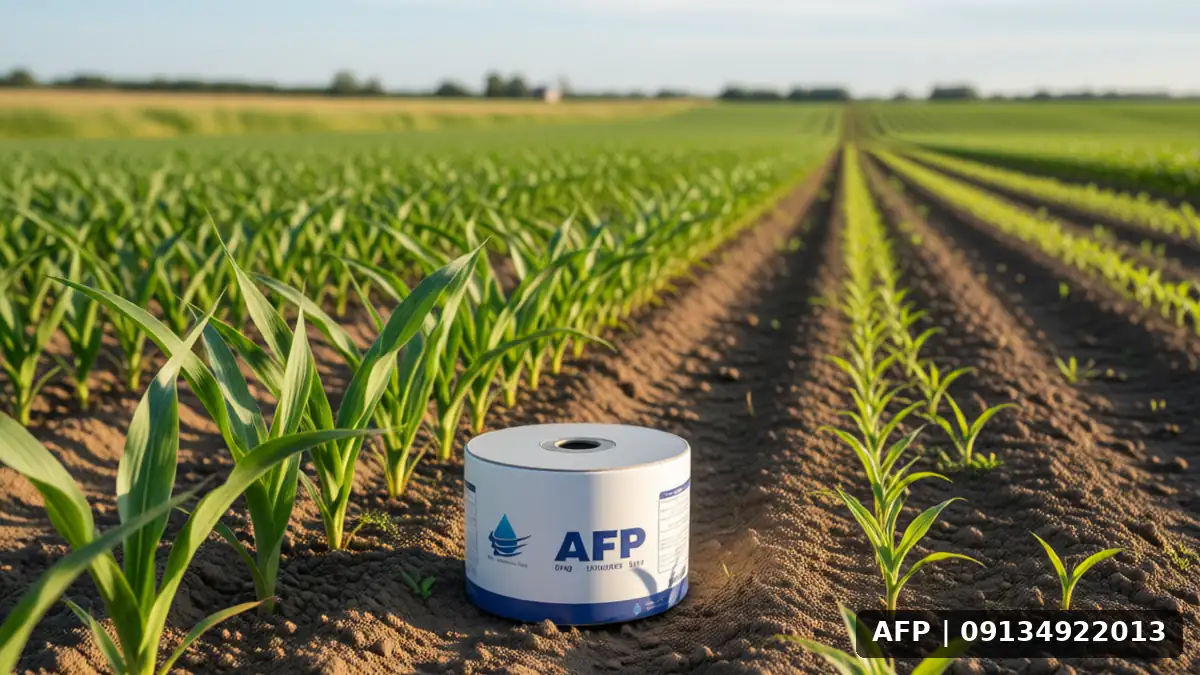
- Smart zoning: Divide fields into zones with similar water requirements based on land slope and soil type. Heavy-textured soil zones should be irrigated earlier to allow sufficient infiltration time, while light-textured soil zones dry out faster. This zoning is key to successful rotational irrigation.
- Precise scheduling: Irrigate vegetables during cool hours or at night to reduce evaporation from drip lines and soil surface. In the irrigation cycle, each zone is watered once per week or every two weeks, except during peak growth, when requirements may double. Scheduling flexibility based on weather conditions is essential.
- Soil monitoring: Use a soil moisture probe to determine the irrigation time for each zone. Rather than a fixed schedule, make decisions based on actual moisture levels. If root-zone moisture in the first zone reaches the stress threshold, that zone is due for irrigation, even if the calendar time has not been reached. This data-driven approach optimizes water use.
- Clog removal: Inspect filters every 48 hours. Clogged drip emitters create dry spots that cannot be compensated in the next cycle. Periodic use of chlorine in filter flush solutions is also required.
Frequently Asked Questions (FAQ)
Is rotational irrigation suitable for all vegetables?
Yes, but it is particularly more effective for high-yield vegetables with rapid growth coefficients, such as lettuce and white cabbage. For vegetables with deeper root systems, the number of cycles should be reduced. In fact, the higher the water requirement coefficient, the higher the rotation frequency should be. Additionally, under severe water scarcity conditions, rotational irrigation ensures crop survival even with a reduction in yield.
What is the application of photo and video rotation?
By recording monthly images of the strips, one can identify inconsistencies in output flow and tip erosion. This method helps in planning the early replacement of high-consumption strips. Furthermore, visual inspection aids in identifying physical damage and clogging by roots. Documenting this process is valuable.
How does planting density affect strip spacing?
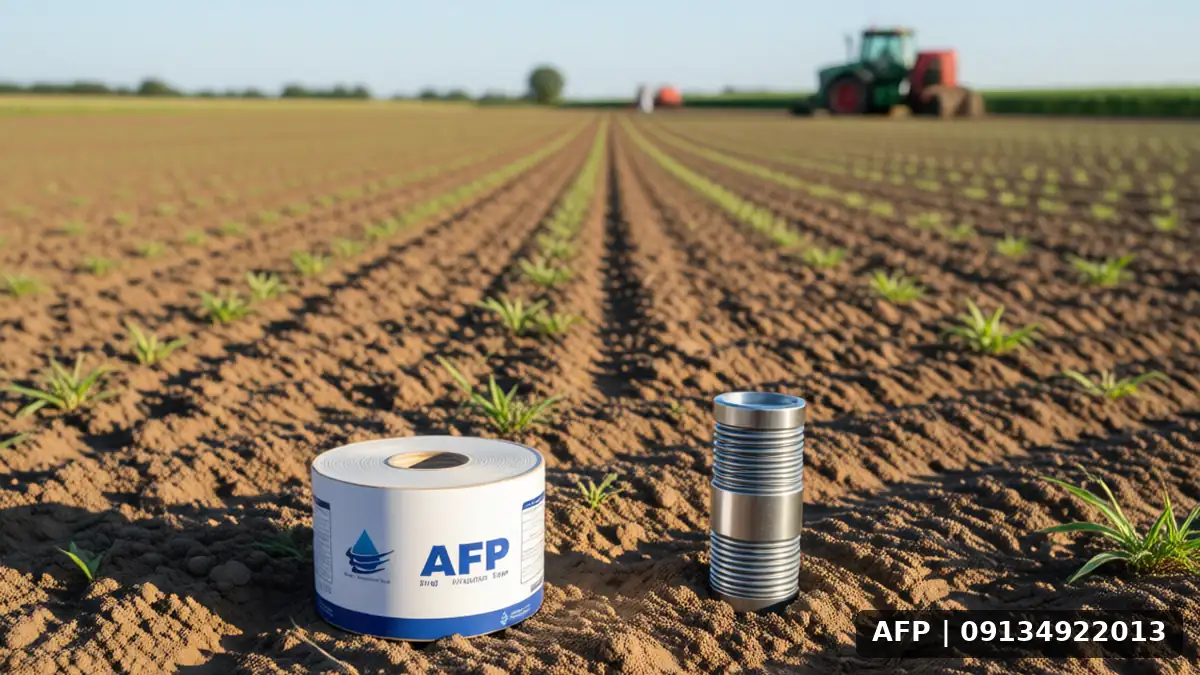
As it increases Vegetable yield per hectare Regarding planting density, the row spacing should be reduced to ensure complete root coverage. For lettuce with dense planting, a spacing of 40 to 50 cm is ideal. If the spacing is too wide, wetting fronts will interfere negatively with each other. This factor must be considered when calculating the total farm flow rate.
Finally, rotational irrigation is a combination of art and science that requires precision and continuous monitoring. By following these principles, vegetable farmers can increase crop quality and reduce water costs.