Rosemary Seed Rate per Hectare: A Comprehensive and Practical Guide
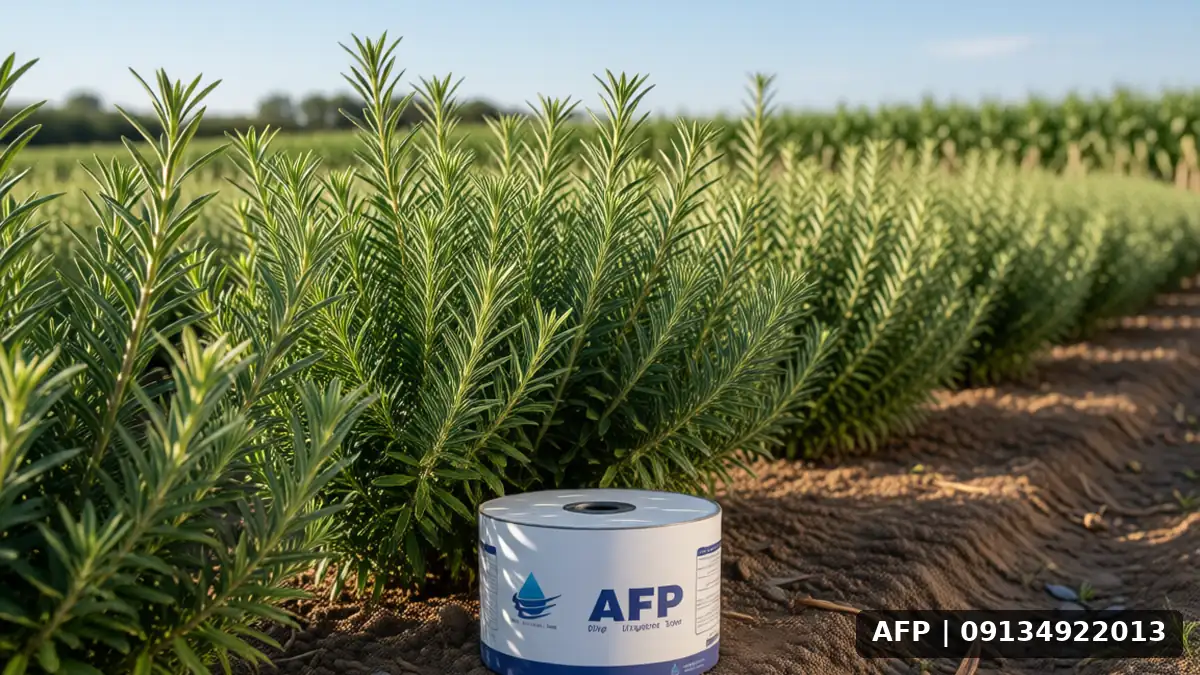
Introduction: Why Precise Rosemary Planting Control Is Critical for Your Farm
Rosemary (Rosmarinus officinalis) has secured a special position in export markets and the food industry due to its complex, long-lasting aroma in addition to its high medicinal value. Many novice farmers face the question of rosemary seed rate per hectare and if this is not calculated and implemented correctly, they will not only incur excess costs but also face significant financial losses due to severe stand reduction caused by improper seed density or thinness. Determining the optimal density requires understanding the local climate, soil type, and irrigation system. In this article, we review the calculation process from start to finish so that you can achieve sustainable, high-quality production with confidence.
Technical Review of Cultivation and Bed Preparation for Rosemary
Importance of Seed Quality and Plant Suffocation
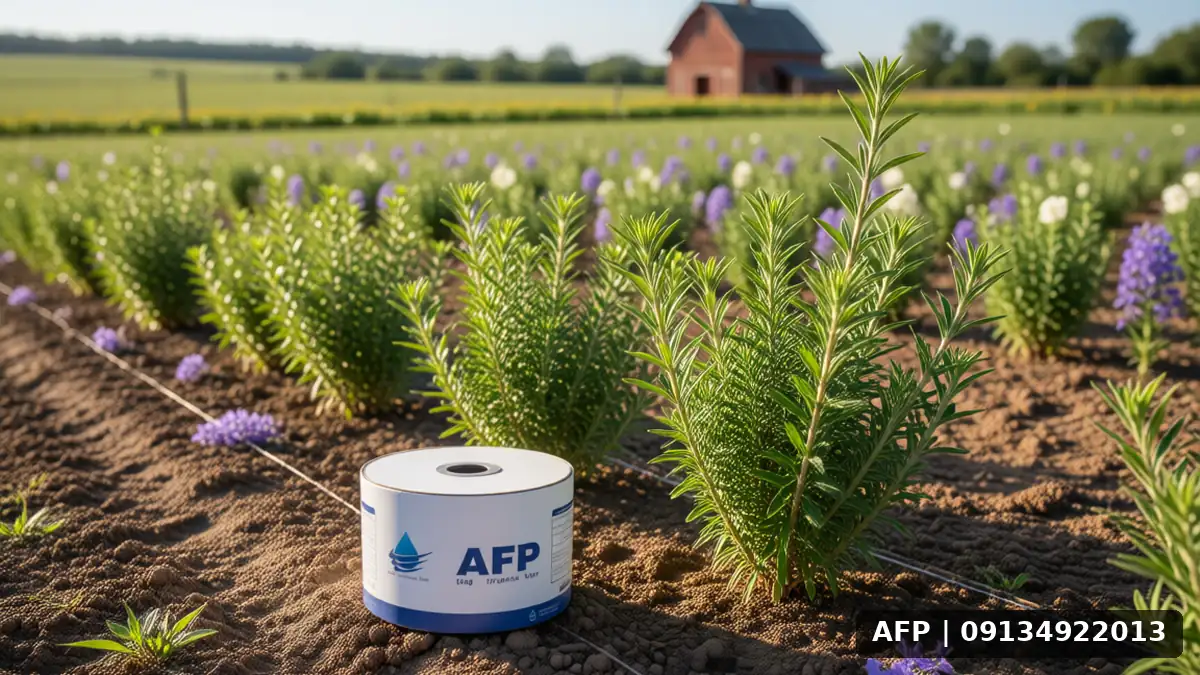
Success in the planting stage requires the use of high-quality, healthy seeds. Rosemary seeds are small and delicate; if not planted at the appropriate depth, they may suffer from suffocation after irrigation due to the formation of surface plough pan. Therefore, using a light, loose layer of soil as the initial cover is highly recommended. Rosemary is highly sensitive to regular but controlled irrigation; here, drip irrigation systems play a key role. These systems create stable moisture conditions in the root zone, minimizing the risk of seed loss. For a better understanding of the technical principles of installation and maintenance of water delivery pipes, you can refer to the drip line irrigation conditions guide to prevent errors caused by leaks and water not reaching the drip emitters. Ultimately, the adjustability of precision irrigation systems, especially compared to surface irrigation, ensures that roots benefit from both sufficient moisture and sufficient aeration.
Calculating Spacing and Optimal Density
An accurate answer to the question rosemary seed rate per hectare is not possible without considering planting density. Rosemary is a plant that requires space for lateral branch expansion. Excessive density causes insufficient root aeration and increases the risk of root fungal diseases, while low density renders the investment in land area meaningless. Typically, row spacing of 60 to 85 cm and in-row spacing of 15 to 25 cm are considered global standards. Based on geometric calculations, using a spacing of 75 x 20 cm provides space for approximately 66,666 rosemary plants per hectare. Considering a natural seed loss and poor establishment rate of about 15 to 25 percent, you must prepare your seed quantity to ensure that at least 85,000 to 95,000 healthy seeds reach the seedling stage. This precise calculation is the key to managing seed costs. To learn about the yield of similar crops such as other medicinal flower buds, you can use the marigold yield per hectare page to compare consumption ratios and economic returns. [[IMAGE_1]]
Advanced Irrigation Management with Drip Systems for Rosemary
Matching Root System Depth with Drip Line Thickness
Because rosemary is a perennial plant, it prefers well-drained soil and has limited tolerance for waterlogging. Drip tape irrigation is the optimal choice due to the uniform distribution of water flow and significant reduction in evaporation. When selecting the system, pay special attention to the wall thickness of the drip tapes; in areas with high rainfall or moving debris, tapes with thinner walls are susceptible to physical damage. If you are looking for guidance on selecting the correct tape size for standard-sized farms, refer to the ‘optimal wall thickness tip irrigation tape’ section to review specifications for long-term use. Additionally, a crucial aspect of rosemary irrigation is timing; using drip tapes with controlled flow rates eliminates the need for heavy, periodic watering.
Preventive measures for clogging in drip lines
Micro-pore drip tapes are highly prone to clogging by suspended particles. In areas with saline water or calcium deposits, installing an appropriate filtration system, such as sand filters or disc filters, is mandatory. Using proper filters reduces the cost of repairing drip lines and extends the lifespan of your investment in the irrigation system. These minor details can make a significant difference in the long-term efficiency of your farm’s systems.
Fertilization and organic matter management strategies for increasing yield
Fertilizer and water coordination: Integrating nutrition
To achieve Rosemary seed rate per hectare for higher yield, you must use an integrated fertigation system. Rosemary is sensitive to concentrated liquid fertilizers at early growth stages; therefore, fertilization should be done gradually in small but continuous amounts. Rosemary roots are delicate, and high nutrient concentrations can quickly cause burning and damage. Rosemary is sensitive to a pH of 6 to 7.5, and adjusting acidity through controlled systems improves mineral uptake. To properly assess initial soil conditions and before installing drip tape, we recommend reading the article ‘Key Points Before Installing Lattice Drip Tape’. This study will help you understand the local strengths and weaknesses regarding pressure from more precise systems.
The role of organic matter and plant residues
The use of appropriate organic matter not only increases the soil’s cation exchange capacity but also helps maintain moisture retention and soil structure stability during the fruiting stage. Rosemary does not perform well in calcareous soils; therefore, soil amendment using deposited organic materials helps improve environmental conditions for large-scale cultivation.
Frequently Asked Questions (FAQ) regarding rosemary seed rate
Can rosemary be cultivated in hot and desert regions?
Yes, provided that moisture and temperature are well-managed. Rosemary is a Mediterranean plant and tolerates heat, but it does not tolerate direct, intense sunlight during early growth stages. In hot regions, using partial shading systems alongside drip tape can lower root temperature and accelerate growth. To better understand the irrigation principles of tropical vegetables that have similar systems to rosemary, you can review the complete cucumber drip irrigation guide, as the technical principles of moisture and flow management in lines are similar.
Difference in planting density of rosemary compared to other medicinal plants
No, the planting density of rosemary per hectare is not exactly the same as other plants. Unlike vegetables that require more radial spacing, rosemary requires less lateral space due to the growth of side branches. This means more seeds are needed per square meter, but the purchase price is economically logical and affordable considering the value of the produced crop.
Conclusion and final recommendations for successful cultivation
Precise determination Rosemary seed quantity per hectare Without technical coordination with the irrigation and fertilization systems, it is a high-risk process. By considering planting calculation principles, using drip tape of appropriate thickness, and adjusting soil acidity, you can manage a thriving and productive field in the long term. Rosemary is a perennial crop that guarantees profitability for decades with proper planning. Always test irrigation systems before starting cultivation to ensure that water flow at the tape ends reaches the tapes exactly as per your calculations. This guide is a comprehensive and practical roadmap that can also be used as a handout for your crop’s technical consultants. To learn about methods for installing main water pipes in fields, you can use the link tarzi nasbi lulayi ob yori tip.
Related articles: Related article Related article Related article D981D98A Related article, Related article Related article Related article D8AFD8B1 Related article, pepper drip tape irrigation guide tajik farmers