Pepper Seed Quantity per Hectare: A Comprehensive Guide
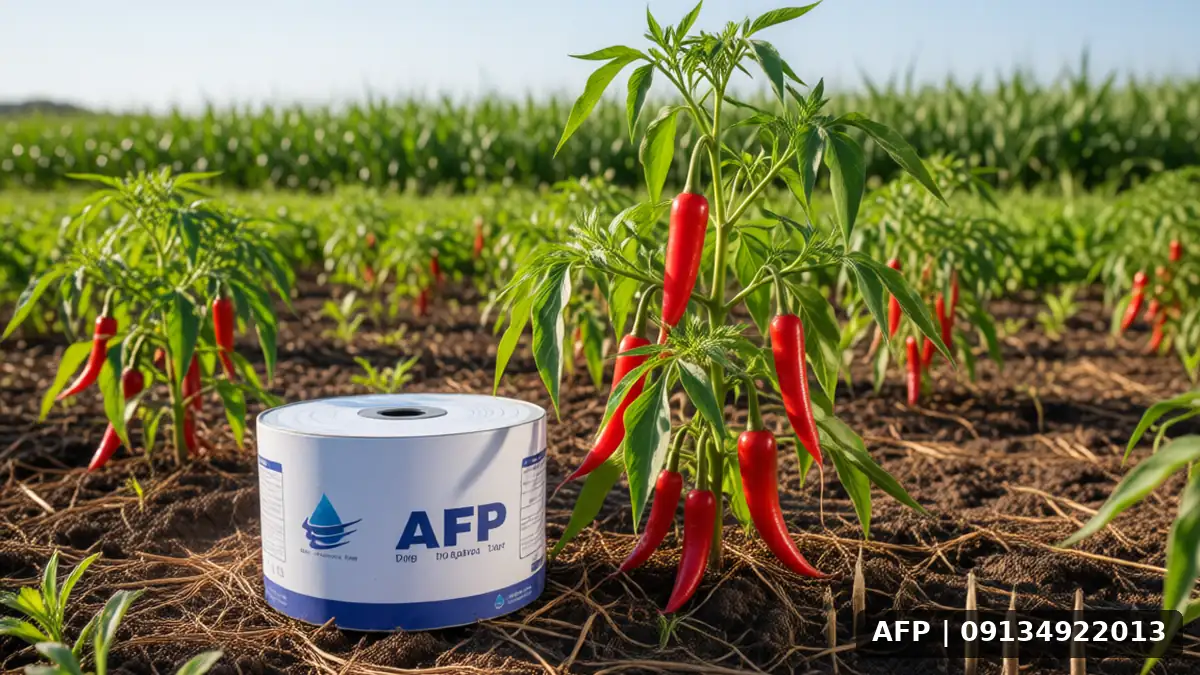
The cultivation of bell pepper requires special attention during the planning stage due to its superficial root growth and high sensitivity to water and temperature stress. An accurate understanding of Bell pepper seed quantity per hectare not only affects input costs but also directly impacts final yield quality and volume. Many farmers, despite having prepared fields, face issues such as inter-plant competition and reduced production due to ignoring planting density. This guide focuses on technical planting principles to help you calculate the optimal density for your farm.
Factors influencing the determination of bell pepper planting density
Before starting planting, it must be understood that there is no single fixed number for all farms. The number of plants per hectare depends on variables such as regional climate, soil type, and irrigation method. In tropical regions with faster growth, wider spacings can be used, but in colder regions with shorter growing seasons, planting density should be higher to maximize field efficiency. Additionally, the irrigation method plays a significant role in determining density; plants located on drip lines have more space for root establishment and lateral expansion.
Methods for calculating bell pepper seed quantity per hectare
For accurate calculation, two main variables must be used: Row Spacing and In-row Spacing. The main formula determines the number of holes per row based on field length and in-row spacing. Below is a table of standard values for common conditions in Iran:
Depending on the different bell pepper varieties, higher planting densities are recommended for determinate (less branching) varieties, while lower densities are advised for indeterminate (bushy and wider) varieties. If you are using hybrid seeds with high germination rates, pay close attention to the size of the small holes in the drip tape to prevent moisture accumulation and root rot. In this regard, familiarity with water pressure measurement for drip tapes can help optimize the flow rate more precisely.
Practical and applicable field notes
Once you have calculated the paprika seed quantity per hectare, the next step is operational. The first point is seedbed preparation. The soil must be completely homogeneous and free of stones to prevent root penetration from being affected. Since paprika has fibrous and relatively shallow roots, the irrigation system must be designed to distribute moisture uniformly in the first 30 centimeters. The use of 16-micron drip tape is common in this regard, but in sandy soils, the use of tapes with a smaller diameter and closer emitter spacing is recommended. For more information on proper installation principles, you can refer to drip tape installation methods to ensure that lines are not blocked at the start of the growing season.
- Rooting stability: The use of bioactive gels in planting furrows can increase the nodulation coefficient by up to 5 percent.
- Moisture management: In dry regions, be sure to use mulch to reduce surface evaporation and lower irrigation requirements.
- Staggered planting: To mitigate climate-related yield losses, sow the bell pepper seed in two rounds spaced 15 days apart to ensure field productivity.
Additionally, it is essential to account for climatic differences between regions. While farmers in the humid southern regions may face fungal disease issues, root growth is more restricted in cold mountainous areas; consequently, in-row spacing should be narrowed so plants close the row faster. This directly impacts the soybean yield per hectare and other competing crops, although bell pepper remains a high value-added product in the export market.
Comparison of Tape Drip and Drip Irrigation in Bell Pepper Growth
The choice of irrigation system will again affect the bell pepper seed rate per hectare. Drip systems, which are typically used for very high-density plantings, result in less soil wetting and provide more room for managing weeds. However, in tape drip systems, which are very common for bell peppers, roots grow directly along the tape path. To maximize yield from a tape drip system, you must review the comprehensive bell pepper tape drip guide: efficiency increase + key points, so you can benefit from appropriate plant density along the house.
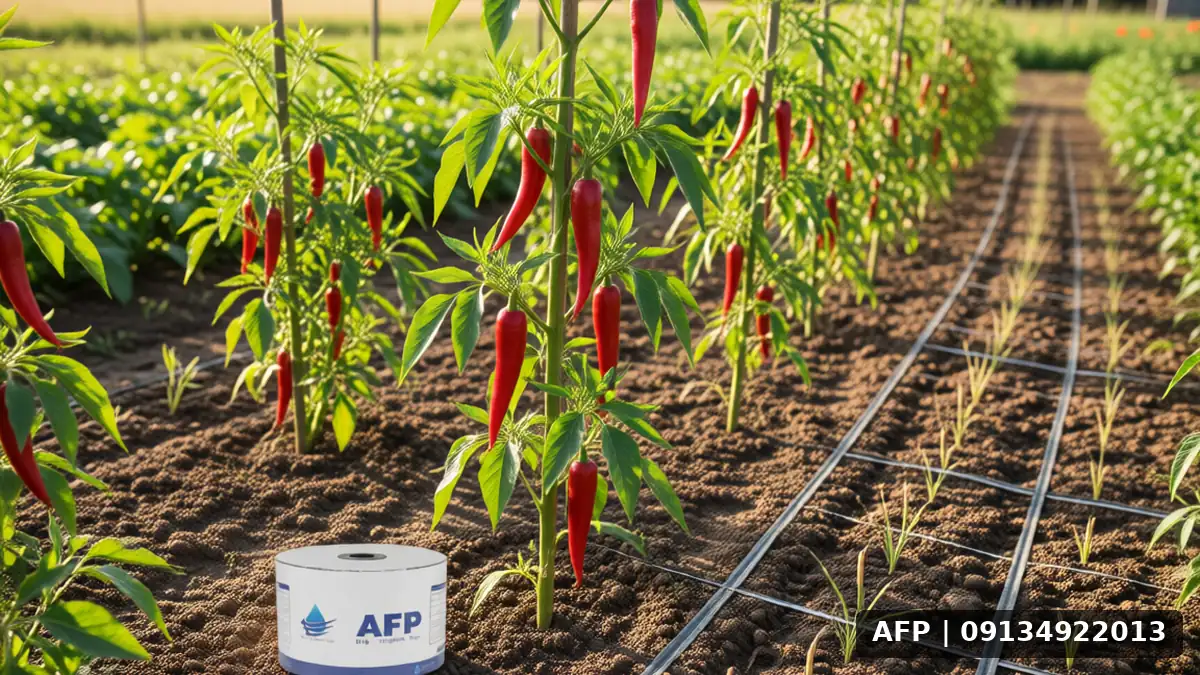
Ultimately, farm sustainability depends on the proper management of water and fertilizer. Using subsurface systems can reduce the risk of root damage. Studying articles related to subsurface irrigation of plants can give farmers seeking innovation in cultivation methods a better perspective.
Frequently Asked Questions (FAQ)
- Can the bell pepper seed rate per hectare be adjusted based on the seed type? Yes, bush varieties require wider spacing, so the number of plants per hectare should be reduced to ensure adequate air circulation.
- What is the best time to sow bell pepper seeds in mountainous regions? Typically, from late February to early March, once the soil has thawed and the risk of spring frost has passed.
- Is drip tape problematic when planting density is high? If using drip tape with high discharge rate and adequate pressure, it is not problematic, but special attention must be paid to controlling the water pH.
Considering these questions helps you avoid common mistakes, such as excessive density that leads to stem breakage and reduced crop quality, in your final decision-making. Additionally, regarding side crops that may be used for crop rotation with bell peppers, familiarity with Vegetable yield per hectare: A practical and computational guide can help with crop rotation planning.
Summary and final points
Determining the seed quantity of pepper per hectare is not a simple process, but rather the result of synthesizing weather data, soil type, and available varieties. Adhering to principles of intensive and alternating planting, using modern irrigation systems such as tape and drip, and continuously monitoring the rooting status are the main keys to achieving maximum productivity. Successful farmers are those who make logical decisions based on their own field data and relying on specialized guidelines. The final recommendation is to have a soil sample taken before each planting season and adjust the planting distances based on the level of organic matter and water retention capacity.
We hope that this guide has helped you to have more abundant and high-yield pepper farms. Always keep in mind that technical defects in the planting stage cannot be compensated in the later stages of irrigation and harvesting.
Related articles: Measuring water pressure for tape irrigation, How to install tape irrigation system, Comprehensive Pepper Drip Tape Guide: Productivity Boost + Key Tips