Lettuce Drip Irrigation Cost Per Hectare: Comprehensive Guide
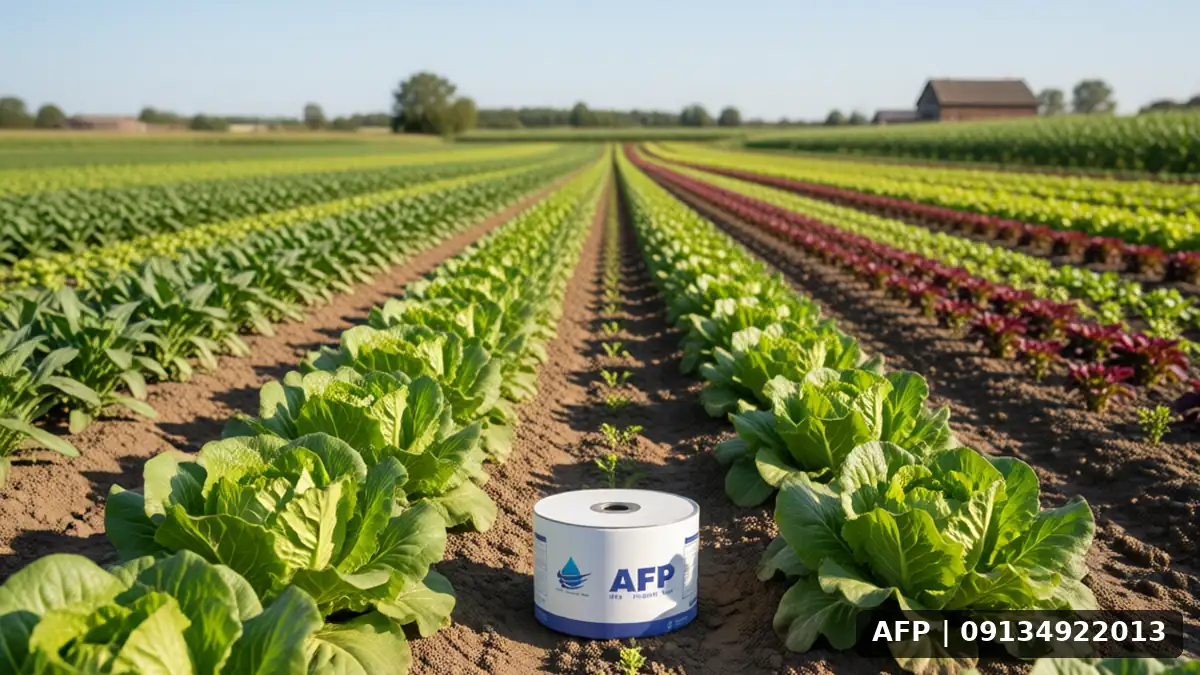
Lettuce is one of the most important vegetables with a short growth period and high demand in domestic markets, requiring precise management of water and agricultural inputs. Using pressurized irrigation systems, particularly drip line systems, is an efficient and modern method for reducing water loss, maintaining root zone moisture, and increasing crop yield. Accordingly, a precise analysis of the total costs per hectare for lettuce cultivation is the first step toward sound economic decision-making and financial risk reduction. This article focuses on various cost dimensions, from equipment purchase to daily monitoring, providing solutions for farmers seeking to enhance the economic efficiency of their farms.
Main cost structure of lettuce cultivation using drip lines
The cost of lettuce cultivation using drip lines per hectare consists of a set of complex components, each contributing to the final cost. Accurate identification of these sections helps farmers manage their budget with greater precision and prevent resource waste. These costs are divided into two general categories: fixed and variable, which are examined in detail below. Understanding the relationship between these two categories and their mutual impact is the key to farm financial management.
Fixed and foundational costs
A significant portion of the initial budget is spent on purchasing pipes, filters, control valves, and drip lines. Although the useful life of this equipment is between 3 and 5 years, their depreciation must be accurately considered in annual cost calculations. Additionally, the cost of designing irrigation lines and installation by a technical team is a one-time but critical expense. To learn about the benefits of optimizing this equipment and extending its useful life, you can refer to the related article on increasing the durability of drip lines Study this aspect carefully. It directly impacts the reduction of replacement costs in subsequent years. Additionally, selecting the appropriate material for pipes and valves affects the overall system durability. Excessive cost-cutting in this section should be avoided, as initial failures lead to significant repair costs.
Variable and operational costs
Costs for certified seeds, basal and supplemental fertilizers, as well as engineering services and labor for plowing, planting, and harvesting, are the most variable cost components. Seed quality directly affects loss rates and the need for replanting. On the other hand, selecting suitable fertilizer combinations for drip tape manages costs while increasing yields. In the final calculation, the share of energy consumed by pumps during peak demand periods should not be overlooked. Proper management of these variables is the key to reducing the total cost of lettuce cultivation with drip tape per hectare. Furthermore, product transportation to the market and packaging are hidden components of this category that are often ignored in initial estimates.
Impact of the drip tape system on yield and total cost
The drip tape system provides the advantage of reduced irrigation requirements due to precise water distribution in the plant’s root zone. This feature results in lower pumping costs and energy savings. In lettuce cultivation, because the roots are shallow, drip tape is the optimal option for reducing evaporation and soil salinity around the roots. For yield comparison of other crops using similar systems, an article black radish yield per hectare can provide a useful perspective, although the nature of lettuce is different. However, the principle of cost reduction through water efficiency is common to both. Proper implementation of drip tape principles ensures higher yields with less water consumption.
Practical tips for reducing lettuce cultivation costs
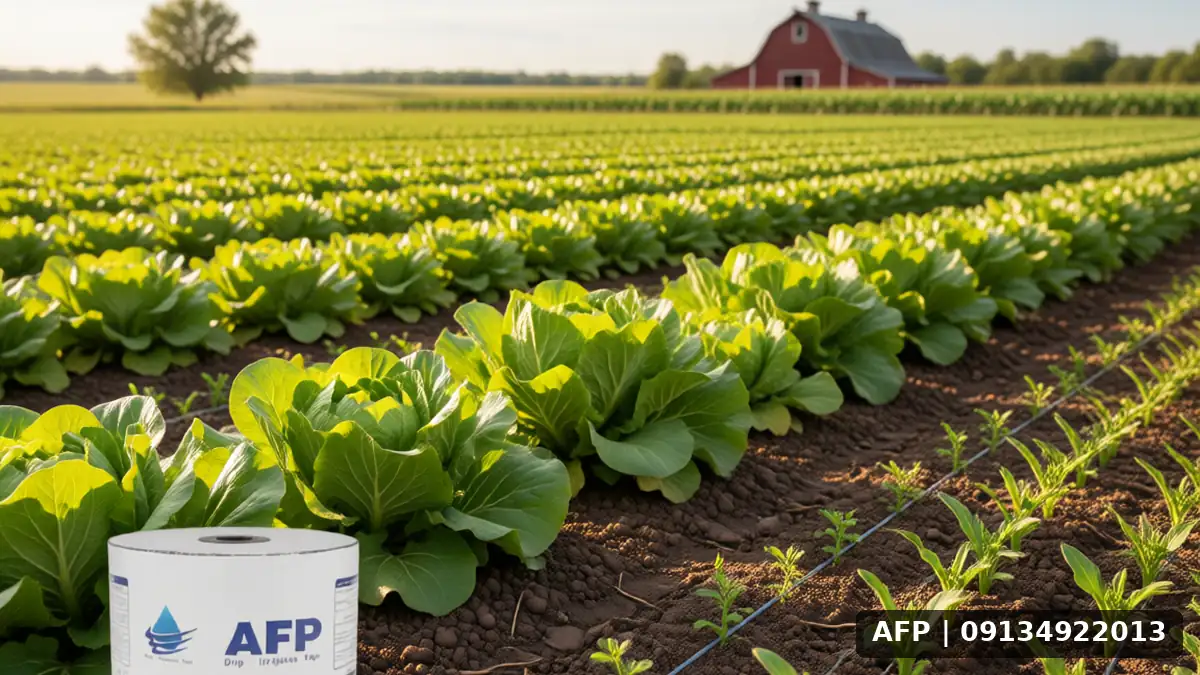
It is vital to adhere to the following points to minimize costs without compromising quality. First, maintaining appropriate row spacing reduces growth interference and the need for extra tilling. Using proper coding and clarifying water sources before pumping prevents clogging of drip tape holes and reduces repair costs. Additionally, precise timing for planting aligns peak water usage with the lowest electricity tariff rates. Many farmers, by familiarizing themselves with Corn seed density and quantity per hectare have observed a similar pattern in density management for other vegetables, which can also inspire lettuce density adjustments. In addition, continuous monitoring of soil status and timely correction prevents fertilizer waste.
- Use appropriate filters to prevent clogging of drip tape holes.
- Irrigate with appropriate water pressure to maintain product integrity.
- Use low-cost technologies to monitor water salinity.
- Utilize an appropriate crop growth cycle to reduce labor costs.
Economic comparison with traditional methods
The cost of lettuce cultivation using drip tape may appear higher at first glance per hectare; however, considering reduced losses, increased yields, and lower waste, its economic efficiency is higher than traditional methods such as conventional sprinkler irrigation. The reduction in water usage volume and, consequently, lower energy costs form a significant part of this competitive advantage. To better understand similar comparisons for other crops, reading the guide on using drip tape can also provide supplementary information on the impact of drip systems on leafy vegetable performance. In these methods, accuracy in initial settings ensures that maintenance costs are minimized throughout the season.
Frequently Asked Questions about the cost of lettuce cultivation with drip tape
- Is drip tape cost-effective compared to standard drip irrigation?
Yes, drip tape is generally a more cost-effective option for high-density vegetables like lettuce due to its high water distribution speed and lower initial cost. - What is the most significant component of the total cost?
Typically, the cost of installing the irrigation system and chemical inputs (fertilizer and pesticides) are the largest components of the budget. - Does the drip line system require frequent maintenance?
No, if appropriate filters are used and water quality is maintained, major repairs are rarely needed, with maintenance mostly limited to minor adjustments. - How does water salinity affect operating costs?
Saline water requires more frequent system flushing and higher energy consumption, which directly increases costs.
Conclusion and Final Recommendations
Managing the per-hectare cost of lettuce cultivation using drip irrigation involves a combination of purchasing high-quality equipment, correct installation, and adherence to irrigation and nutrition principles. By relying on actual data and continuous monitoring, farmers can ensure increased yields and reduced waste. It is recommended that a precise estimate based on local conditions and current input prices be made before starting. Use reliable resources such as Endive yield per hectare It can provide a broader understanding of challenges in other agricultural crops, but the main focus should be on lettuce-specific optimization. Ultimately, investing in drip tape is an investment in long-term economic sustainability of the farm. This approach allows the farmer to think more confidently about increasing production and income.