Dill Yield Per Hectare Using Drip Line Irrigation
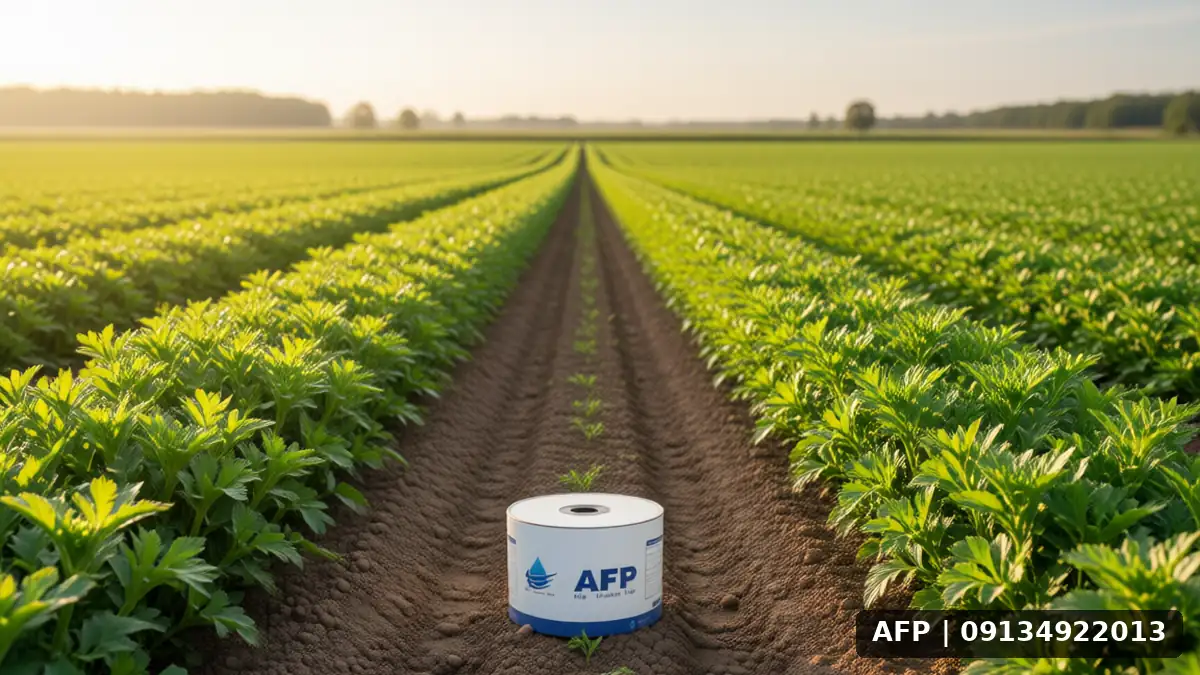
Why Drip and Drip Tape Irrigation Are Important for Coriander
Coriander is one of the most in-demand and widely used medicinal plants in the food, pharmaceutical, and fragrance industries. In recent years, due to its antioxidant properties and warm temperament, it has secured a special position in domestic and export markets. In arid and semi-arid climates, ensuring a sustainable and cost-effective water supply for shallow-rooted plants like coriander is considered a primary challenge. Under these conditions, Drip Tape (Drip Tape) plays a decisive role in water resource management as one of the most modern and effective drip irrigation methods. This system reduces water losses due to evaporation and deep percolation while evenly distributing moisture in the root zone. The outcome is a direct increase in Medicinal Plant Yield Measurement Criteria observed. Therefore, a deep understanding of drip tape functional mechanisms and how they affect the soil moisture profile is essential for accurately and realistically calculating coriander yield per hectare, a factor that must be considered in every planting plan. Ignoring these parameters can lead to a significant reduction in dry weight per plant and ultimately a drop in the economic viability of the crop.
Impact of Drip Tape on Coriander Productivity
Coriander is naturally a plant with a shallow root system and shows high sensitivity to moisture fluctuations in the upper soil layers. Using drip tape, which is usually placed at a fixed distance from the planting rows, ensures that water is distributed precisely in the effective root zone. This exclusive irrigation prevents weed competition around the rows and guides plant roots toward chemical fertilizers. This not only saves a significant amount of water but also directly affects Productivity and Care of Medicinal Plants and Vegetables It has an impact. Additionally, precise control of soil salinity through regular flushing using drip lines prevents salt accumulation at the soil surface and prepares the physical soil conditions for maximum plant growth.
Factors Affecting the Determination of Coriander Yield per Hectare
For a precise and reliable estimation of coriander yield per hectare, a combination of biological, genetic, management, and climate variables must be considered. A single fixed figure can never be provided for all conditions, as the final yield is the cumulative result of these factors. Below, we examine the details of the most important factors to clarify the role of each in determining production potential.
Seed Germination and Initial Sowing Quality
The quality of coriander seed acts as a genetic foundation for successful cultivation. Coriander seeds are sensitive to specific conditions. If healthy, standard seeds with high germination potential are selected and sown in a suitable climate, the plants reach maturity and dormancy 35 to 50 days after sowing. Planting density, typically recommended at 8 to 12 kg of seed per hectare, directly affects the final yield. Sowing at excessive density causes intense resource competition and reduces individual plant weight, whereas low density results in a reduced plant count and consequently a lower aggregate yield per hectare. Therefore, balancing planting density is the primary key.
Climate and Soil Type
Coriander requires loamy-sandy soil with good drainage and a pH near neutral. The use of drip tape in saline soils, with uniform water distribution and leaching of salts from the root zone, prevents salt accumulation around the roots and improves yields. Additionally, the optimal growth temperature for coriander is 15 to 25 degrees Celsius. Outside this range, the quality of essential oil and plant aroma decreases, which directly affects the commercial value of the product. Adequate light exposure is also a priority in temperate climates.
Using drip tape to increase yields
Drip tape is designed as a thin plastic tube (usually 1 to 1.5 mm in thickness) with small holes (perforated) that functions as a flushable drip irrigation system and is placed directly in the planting row. This system, through precise and uniform water delivery, ensures that coriander experiences minimal water stress throughout its growth cycle. To accurately determine the coriander harvest volume per hectare, optimizing drip tape parameters and irrigation scheduling is essential, as both insufficient and excessive irrigation can lead to bolting or root rot.
Drip tape specification and irrigation scheduling
- Selecting the appropriate tubing: Use tubing with an inner diameter of 15 to 20 mm and a standard number of holes to ensure uniform coverage.
- Hole spacing: Spacing of holes (typically every 10 to 15 cm) should be arranged so that moisture remains uniform across the row and between plants.
- Scheduling: Adjust irrigation timing based on air temperature, light intensity, and soil moisture using a psychrometer. Irrigation during peak heat stress hours is not recommended.
Monitoring the soil around the cilantro and using a tape drip system, similar to other medicinal plants, can lead to higher efficiency. For more information on utilizing the drip system for cultivation of medicinal plants and vegetables, it is recommended to study plant care principles. Pest and insect management is also particularly important in this system, as the moist environment can attract certain pests.
Comparing cilantro yield with other irrigation systems
To better understand the harvest volume of cilantro per hectare, it is necessary to compare it with the efficiency of other irrigation systems such as sprinkler, rotational, or surface irrigation. Drip systems like tape drip have higher Water Use Efficiency due to reduced evaporation and deep percolation losses. This directly translates to increased vegetative growth and plant dry weight. In surface irrigation, soil waterlogging and root fungal diseases can cause a 20 to 30 percent reduction in final yield. For further reading on water efficiency and management in other plants, you can refer to Green Crop Cultivation Guide for reference. Subtle differences in soil moisture significantly affect the final aroma and flavor of coriander.
Practical Tips for Achieving Optimal Coriander Yields
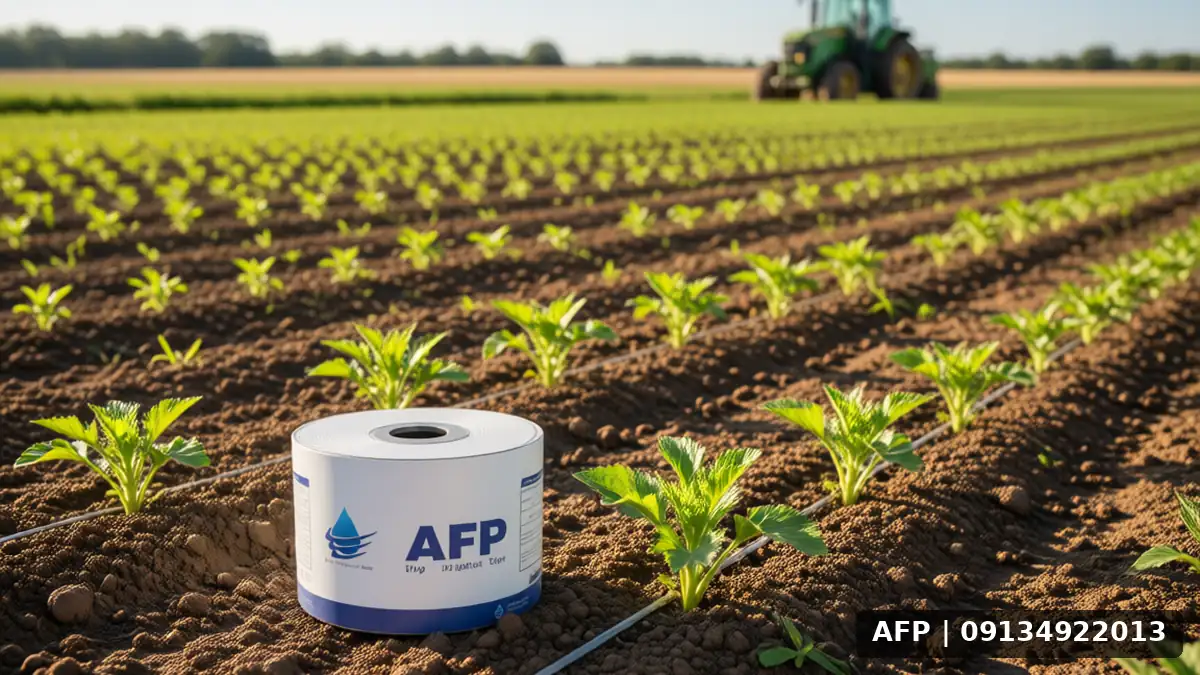
Below are practical and technical tips for optimizing coriander cultivation using a drip irrigation system. Adhering to these measures will significantly increase the measured harvest quantity:
- Initial Planting: Plant coriander seeds in clay soil with appropriate spacing (10-15 cm). Calculate planting density based on seed germination vigor. Deep plowing for soil reconstruction before planting is mandatory.
- Salinity Management: Sodic soils require more frequent, shorter irrigation cycles for salt leaching. The drip tape must be configured to prevent excessive drainage while effectively washing away salts.
- Pest and disease attraction: High soil moisture in drip systems, although safer, increases the risk of fungal diseases if ventilation is poor. Do not neglect soil care and proper row ventilation. Intercropping can help manage pests.
Additionally, similar principles can be considered to optimize the yield of other medicinal plants such as thyme. Regular soil monitoring using a piezometer and adjusting irrigation based on plant requirements at each growth stage (seedling, vegetative growth, flowering) are essential.
Frequently Asked Questions
How is the cilantro harvest criterion per hectare calculated?
To accurately calculate cilantro harvest yield per hectare, the following criteria can be used: number of plants per hectare multiplied by yield per plant. This calculation depends on drip tape type, soil moisture, seed quality, and climatic conditions. Under ideal conditions, an expected dry product yield of 150 to 200 kg per hectare is anticipated.
Can drip tape reduce soil salinity?
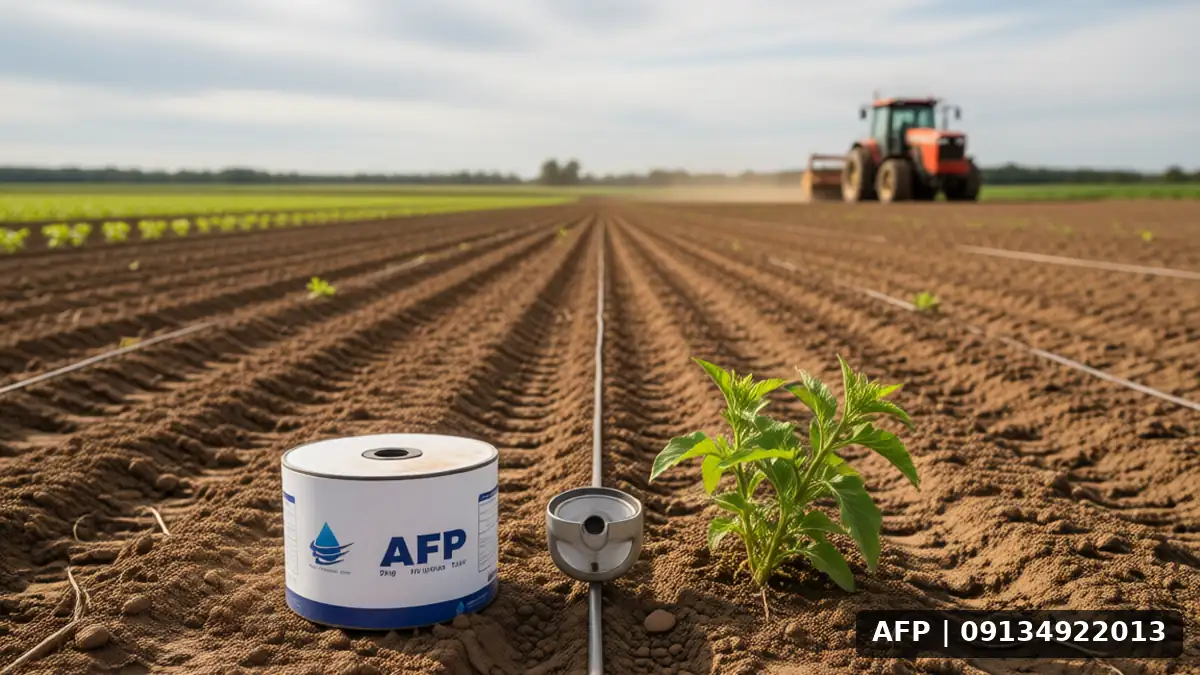
Yes, by uniformly distributing water, drip tape prevents salt accumulation around the roots. This is particularly effective in saline soils, allowing plants to utilize their full root capacity for nutrient absorption.
When should the drip tape system be replaced?
Drip tape systems are typically designed for one cropping cycle (usually 1 to 2 months). If tube holes are clogged, thinning or ruptures are observed, or soil moisture is uneven, replacement is recommended. Proper tube maintenance after use extends their lifespan.
Conclusion
Cilantro yield per hectare is affected by a complex set of biological, climatic, and management factors in continuous interaction. Drip tape systems, through precise water distribution, loss reduction, and salinity management, play a central and irreplaceable role in improving cilantro productivity. By adhering to initial planting principles, soil care, and salinity and pest management, desirable, sustainable, and economic yields can be achieved. It is recommended that cilantro producers fully study and apply drip tape principles in their planting to achieve maximum productivity. Future-proofing cultivation with precise irrigation technologies offers a bright future for Iran’s medicinal plant industry.
Related Content: Rye Yield per Hectare: Contributing Factors and Strategies for Improvement