Asparagus Pest and Disease Management in Drip Irrigation Systems: A Practical Guide
Introduction: Why Drip Irrigation Matters in Asparagus Cultivation
Asparagus is a moisture-sensitive vegetable that is prone to a wide range of Asparagus pests and diseases under drip irrigation when irrigation is managed incorrectly. Due to precise water distribution and reduced surface soil moisture, drip irrigation plays a pivotal role in preventing fungal and bacterial diseases. This section examines how the type of irrigation system affects the incidence of pests and diseases. Proper water resource management not only reduces costs but also protects plant health against pathogenic agents. A deeper understanding of soil physics and water deposition rates allows farmers to plan more effectively. This approach also helps align with general agricultural principles such as the seeding rate of forage corn per hectare to apply similar resource management patterns across different crops. Optimizing water consumption at the production stage directly impacts the final quality of the asparagus stalk and head. The primary objective is to eliminate favorable conditions for pathogen growth by reducing relative ambient humidity.
The Impact of Drip Irrigation on Fungal Disease Incidence
Fungi such as root rot and rust are among the most common Pests and diseases of asparagus under drip irrigation are active under high humidity conditions. Drip irrigation, by keeping only the root zone moist and the plant crown dry, significantly reduces the disease load. Compared to furrow or sprinkler irrigation, the relative humidity around the leaves is much lower in drip systems. This leads to a decrease in the dispersal of fungal spores (Inoculum). Furthermore, understanding the relationship between irrigation and plant growth is essential; for example, a study Guide to watermelon yield per hectare can complement your understanding of moisture management in moisture-loving vegetables, although asparagus has a different sensitivity. Precise moisture control is the first line of defense against these pathogens. This control must be performed with high precision to also prevent excessive drying of the roots.
Soil management and prevention of root diseases
- Use of drippers with appropriate pressure to ensure water penetrates to sufficient depth without wetting the surface.
- Periodic shutdown of the irrigation system to prevent the accumulation of excess salinity in lower soil layers.
- Use appropriate organic blends that help restore soil microflora.
Prevention of insect pests through moisture management
Insect pests such as cabbage white butterflies and aphids reproduce more rapidly in warm and humid environments. By reducing ambient humidity through Pest and disease management in asparagus through drip irrigation, the population of these insects decreases. Aphids require more favorable ecological conditions for mating and egg-laying, which are less likely to occur in drier air. Additionally, reduced humidity causes some pest breeding sites to be less durable. To better understand agricultural variables, you can Factors increasing fenugreek seed yield per hectare to see how agricultural changes affect plant health. Continuous monitoring is the key to success at this stage. There is a direct link between soil moisture and pest attraction that should be considered. As humidity decreases, the metabolic activity of many soil-borne parasites also declines, leading to greater plant resistance. This natural mechanism is considered one of the most important advantages of precision irrigation systems.
Smart monitoring and early detection
- Weekly inspection of leaf surfaces to identify yellow or brown spots.
- Check the root zone for signs of blackening and rotten odor.
- Use yellow sticky traps to monitor flying insect populations.
The role of tape and drip irrigation systems in prevention
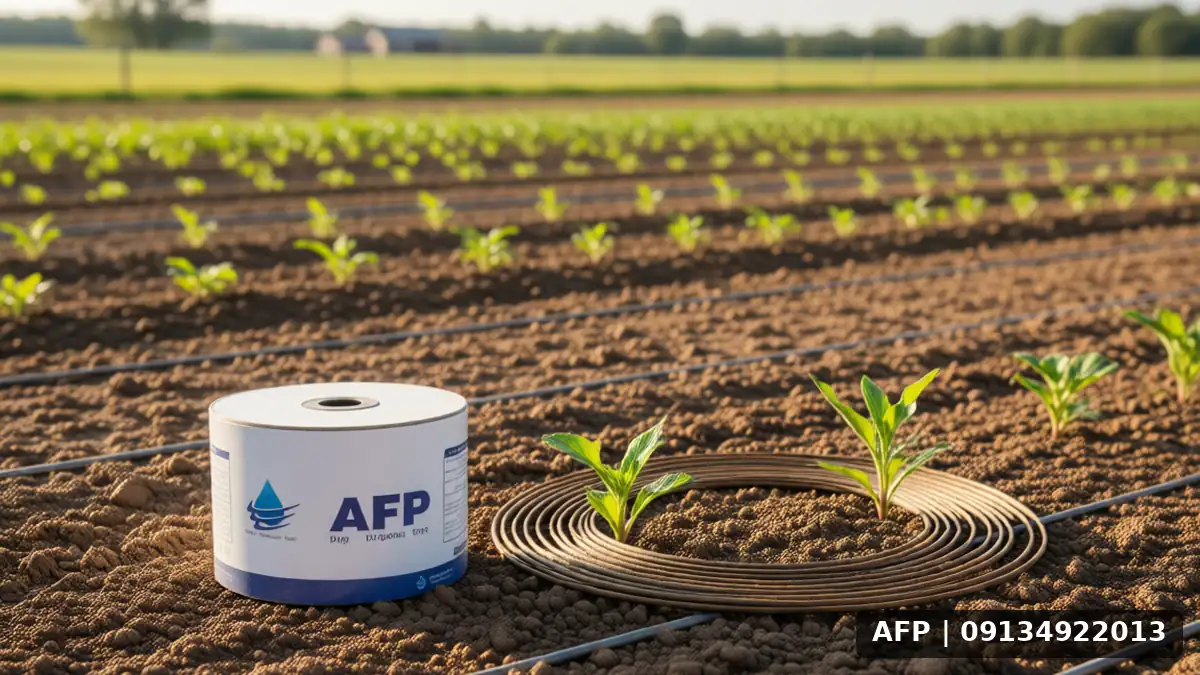
Fixed tape irrigation is one of the most efficient methods for row vegetables such as asparagus. This system distributes water evenly along the tape, preventing water accumulation in specific areas. Using fixed tape irrigation allows roots to grow under ideal conditions and increases the plant’s resistance to disease-inducing stress. Additionally, if you are interested in intercropping management, study intercropping performance per hectare in Iraq can provide ideas for completing insect cycles and reducing dependence on chemical spraying. This integrated approach is the key to sustainable control. Proper selection of irrigation system components affects the sustainability of the entire production cycle. Also, paying attention to pipe installation details and the distance of drip emitters from the stem prevents stem rot at the contact point with water. This physical prevention is much cheaper and safer than chemical treatment after disease outbreak.
Practical tips for farmers
To maximize the benefits of Asparagus pests and diseases with drip irrigation, the following points are essential. First, adjust the water pressure so that the soil is not eroded and water penetration is limited to a 30 to 50 cm radius around the plant. Second, use cold, low-salinity water to prevent physiological shock to the plant. Third, if disease symptoms are observed, temporarily stop irrigation and use biological pesticides. For rice and cereals, similar principles apply; for example, Barley yield guide per hectare indicates that moisture management is a prerequisite for any agricultural success. Additionally, for other vegetables such as eggplant, understanding seed quantity and planting methods is important, as explained in Eggplant planting and irrigation tips . These comparisons help farmers prepare the ground for healthier growth. Repeating these processes accurately makes the difference between a damaged crop and a healthy, high-value one.
Frequently Asked Questions (FAQ)
1. Can drip irrigation prevent the spread of soil-borne fungi?
Yes, because the soil surface remains dry, and fungi require moisture to spread.
2. When should drip emitters be replaced?
Annually or if clogged, to maintain uniform pressure.
3. Can drip tape be used for asparagus?
Yes, permanent drip tape is highly suitable as it manages moisture more precisely.
Summary
Management Asparagus Pests and Diseases with Drip Irrigation A preventive and sustainable approach that helps reduce chemical pesticide consumption. By focusing on moisture control, continuous monitoring, and proper selection of the irrigation system (drip or subsurface), it can significantly increase the quality and quantity of asparagus yield. Actual and commercial farmers should include these principles in their annual plan to minimize losses caused by biological factors. Utilizing scientific and empirical data is a smart investment for the future of the vegetable industry. Foresight in the area of smart irrigation requires tools that can receive moisture data in real time and make decisions. These technologies are expanding, and forward-looking farmers can protect themselves from market risks and disease losses by investing in them. This comprehensive approach guarantees sustainable performance in the long term.