Carrot Irrigation with Drip Line: Key Maintenance Tips
Introduction: The Importance of Drip Irrigation in Carrot Cultivation
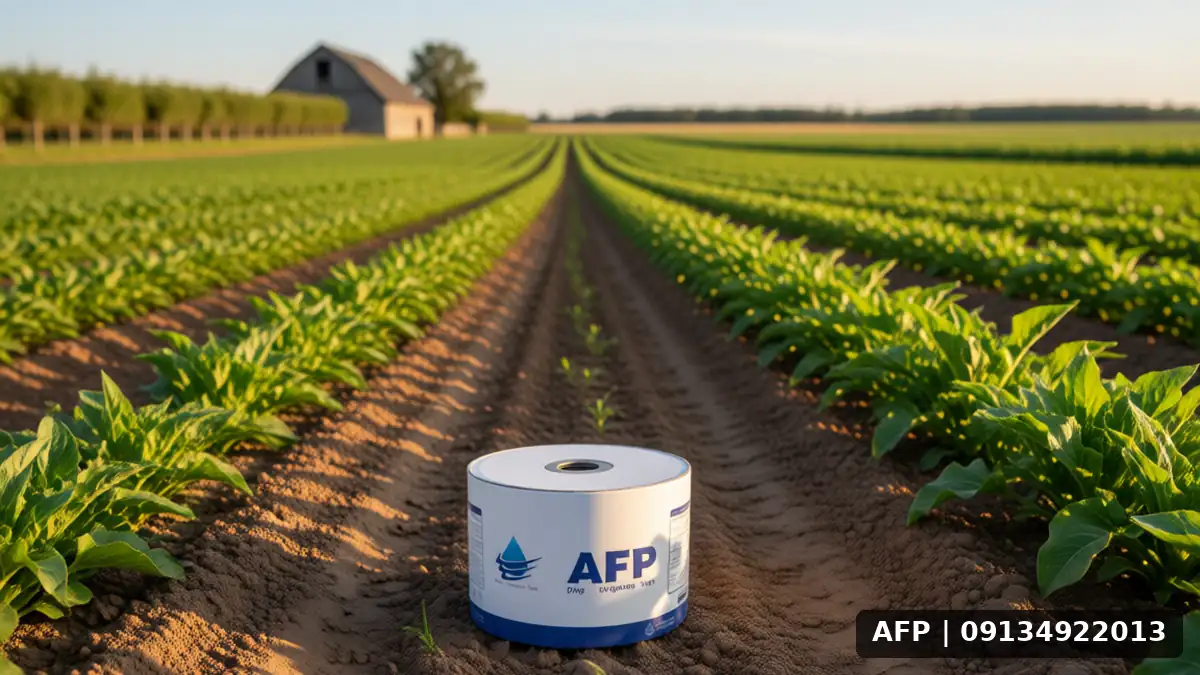
Carrots are moisture-sensitive root crops whose uniform root growth depends directly on soil water stability. The use of tape irrigation systems not only saves significant water but also prevents root cracking and deformation by providing consistent moisture. However, the value of this system is only realized when it is properly maintained . Tape is a thin plastic film and hose strip containing micro-holes that release water in a dripping manner at specific intervals. In carrot cultivation, which is typically done on raised beds or in furrows, the direct contact of tape with soil and sensitive roots requires special care. In this article, we examine key maintenance points for tape in carrot farms to help you prevent potential failures and extend the useful life of your system.
Why Does Tape Maintenance Differ for Carrots?
Unlike leafy vegetables or some grain crops where seeds are placed away from the main root, carrot roots begin vertical and horizontal growth from the moment of sowing. If tape is not installed or maintained correctly, two fundamental problems arise: first, carrot roots may wrap directly around the tape wall, causing physical damage to the roots and reducing water and nutrient uptake. Second, dissolved substances in the water (poor filtration) can clog the micro-holes of the tape, causing relative dryness in parts of the bed. This dryness is disastrous for carrots because it causes roots to develop abnormal shapes as they search for water. Therefore, Drip tape maintenance for carrots A preventive approach is required, including filtration management, pressure control, and regular inspection of the tapes. For a better comparative understanding of planting density and water requirements in other crops, you can refer to our guide on seed quantity per hectare or even pepper yield per hectare to better understand the relationship between planting density and the irrigation system. However, our main focus here is on the physical and hydraulic health of the drip tape.
Precise Filtration: The First Line of Defense for Drip Tapes
Clogging is the most common enemy of drip tapes. In carrot cultivation, compost and organic materials are typically used for bed nutrition, which increases the risk of fine particles entering the water system. Above all, always use a disc filter or turbo filter with an appropriate mesh size (typically 120-150). Regular inspection of filters is part of the maintenance process. If there is a noticeable difference in the output pressure of the drip tape between the start and end of the row, it means the filter is dirty or the tape emitters are blocked at certain points. Filter cleaning should be performed every 1 to 2 weeks depending on water turbidity. Do not forget that in carrot cultivation, the use of non-soluble foliar fertilizers or inappropriate chemicals can also cause sedimentation in the tape holes. Always perform descaling with an appropriate acidic group to maintain drip tape efficiency.
Practical tips for installation and monitoring of drip tapes in carrot beds
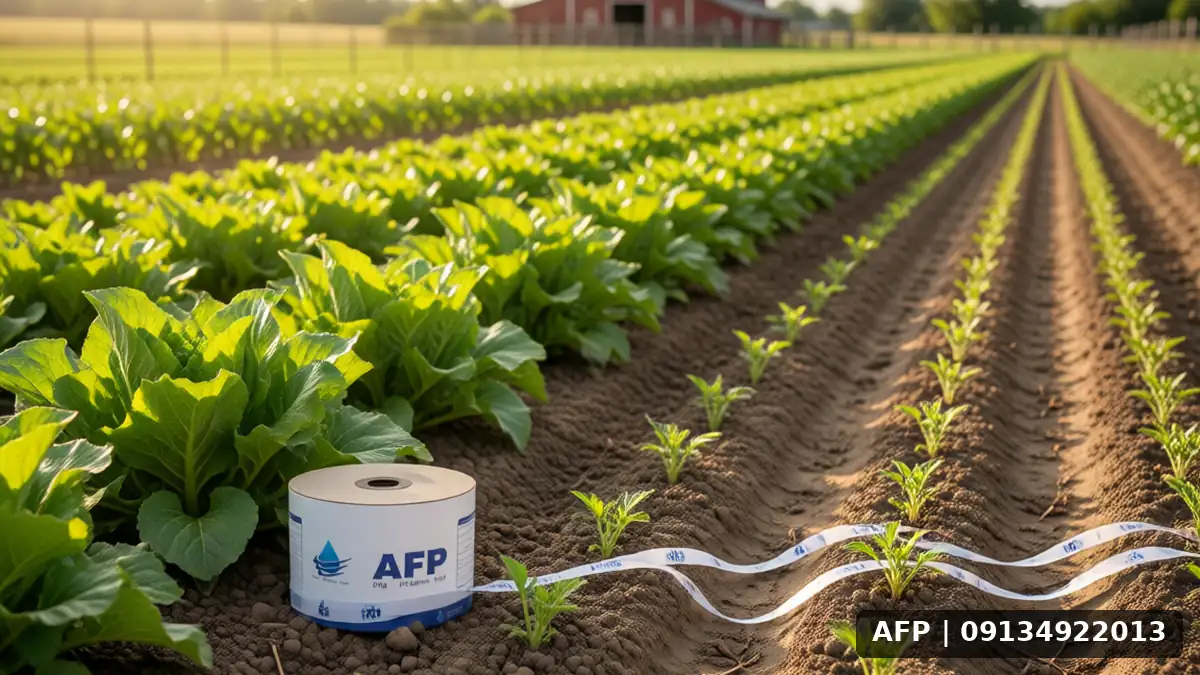
The placement of the drip tape relative to the carrot root is highly sensitive. In raised beds, the drip tape must be laid precisely along the curve of the bed and at the appropriate depth. If the drip tape is too deep, the carrot root will not engage with it in the early growth stages, and water will be directed to shallow roots. If it is too shallow, the bed is prone to erosion and the loss of nutrients through runoff. The best method is to place the drip tape at a depth of 5 to 7 centimeters, where the main roots begin to spread. During planting, take care to avoid the planting tool damaging the drip tape. Any punctures or abrasions in the drip tape can lead to pressure leaks and drying out of the adjacent area. After planting, check the rows to ensure the drip tape is smooth. The drip tape should not be bunched up in any areas, as this causes localized pressure and can lead to long-term wall ruptures.
Pressure and flow rate management throughout the season
Carrots require uniform irrigation, not waterlogging. The optimal working pressure for drip tape is generally between 1 and 3 bar. If the pressure is too high, water is emitted as a spray, which causes bed erosion and leaches nutrients out of the root zone. If the pressure is very low, the water will not travel the length of the row, leaving the end of the row dry. Your irrigation pump should be equipped with a precise pressure regulator. When changing seasons or altering the water source, recalibrate the flow rate of the emitters. This calibration is critical for fine-seeded crops, as well as for transplanted crops such as strawberry, which require precise monitoring. In carrots, because the roots are highly sensitive, any pressure fluctuation can cause the formation of irregular lateral roots. Regular flow rate monitoring with a simple flow meter is the key to system stability.
Troubleshooting common issues: what to do?
When facing issues with your drip irrigation system, do not rush. Accurate diagnosis is half the solution. The following are three common problems in carrot fields and their solutions:
- Inconsistent water output: If you notice that in a row, some emitters are not delivering water while others discharge with high pressure, the drip tape may be collapsed or kinked in that section. Biological fouling (such as slime and bacteria) can also cause flow rate variations. To remove biofouling, use a solution of chlorine or hydrogen peroxide in water to restore uniform flow through the drip tape.
- Physical damage to the tape: Animals, agricultural tools, or even drag-in components can sometimes damage drip tape. Drip tape material is typically polyethylene or PVC, which is resistant to tearing but sensitive to cuts and punctures. Any small tear should be immediately repaired with a connector or specialized irrigation tape sealant. Do not ignore small tears; a small hole today can cause total pressure loss in the system tomorrow, leaving the carrot bed dry and jeopardizing the crop.
- Dryness at the end of the row: This problem often results from pressure drop along the length of the tape. If your row is very long (for example, over 150 meters), there may be insufficient pressure to reach the end of the line. In this case, increase the pressure slightly or shorten the tape length. Also, check for a pressure-regulating valve or collapsed tape section at the end of the line that may be obstructing water flow.
The role of planting and spacing in drip tape performance
Carrot planting spacing affects drip tape coverage in the soil. If plants are not sufficiently spaced apart and lack adequate shade, surface soil moisture remains high, increasing the risk of root rot. Drip tape should be designed to distribute water precisely in the root zone and not in the plant crown area. Studies on methods for improving drip tape efficiency and productivity show that synchronizing planting with drip tape placement results in a 20% water saving and a 15% increase in root quality. For substitute or tree crops such as chickpea or green fenugreek which have different planting and growth processes, the principles of drip tape maintenance are the same, but pressure and flow rate settings must be adjusted according to the root sensitivity of those crops. For carrots, because sensitivity to uniform moisture is higher, precision in drip tape maintenance is doubly critical.
Frequently Asked Questions (FAQ) on Maintaining Drip Tape for Carrots
- Can drip tape be used for multiple seasons?
Yes, high-quality drip tapes (such as NETA-FLIM or similar premium brands) can last up to 5 to 10 seasons, provided they are cleaned and stored properly at the end of each season and protected from direct sunlight. In temperate regions, they can be left in the soil, but in cold regions, it is better to remove them from the ground. - Does spraying compost harm the drip tape?
No, if you use the appropriate filter. Practically, proper filtration (inline or disc filters) prevents sedimentary particles from compost from entering the drip tape emitters. The main point is to prevent solid materials from entering the system. - What is the best time to clear clogged drip tape?
The best time is before the start of a new irrigation season and immediately if you notice a drop in pressure. However, as a routine, perform a system flush every 40 to 50 days of the irrigation season by opening the end caps to discharge accumulated sediment from the drip tape. - Is carrot more sensitive to drip irrigation than other vegetables?
Yes, due to sensitivity to moisture and root formation. If irrigation is inconsistent, carrot roots become circular and uneven, reducing their commercial value. Therefore, drip tape integrity must be monitored with greater precision.
Summary and final recommendations
Success in carrot cultivation using drip tape irrigation does not rely solely on purchasing high-quality drip tape. This success is the result of a chain of continuous care: precise filtration, correct installation relative to root depth, pump pressure adjustment, and regular inspections to detect leaks or blockages. Remember that drip tape is a dynamic tool that requires adjustment according to changing soil, climate, and carrot root development conditions. By adhering to these principles carrot drip tape maintenance, you will not only use less concentrated water, but also achieve healthier, more uniform roots with higher commercial weight. Align our recommendations with other strategies such as quinoa guide for Iraqi farmers or black seed sowing rate principles for substitute crops to have an integrated irrigation system. If you are still unsure about choosing drip tape or system setup, you can refer to the comprehensive drip irrigation onion planting method Review this, as the physical principles of water flow in drippers and tape lines are the same for all root vegetables. Maintaining your tape line ensures the quality of your carrot crop.