AFP Drip Tape Maintenance: Essential Guidelines for Maximum Yield
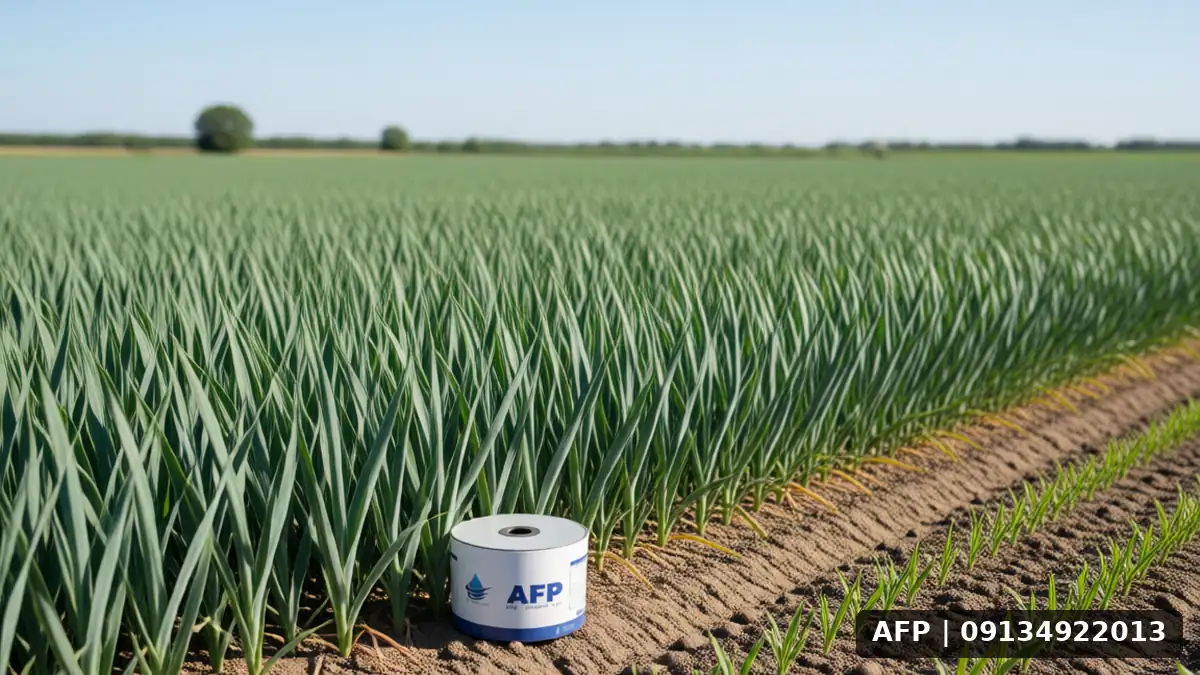
Introduction: The Importance of Drip and Tape Irrigation in Garlic Cultivation
Garlic is a commodity sensitive to soil temperature and moisture. During the seedling growth and bulb formation stages, precise distribution of water and nutrients is required. The use of tape systems (Tape Drip) has become a popular option for farmers due to lower costs compared to drip tape and high efficiency in open fields. However, the main challenge in recent years has been the decline in water quality and the clogging of tape emitters caused by sediment, algae, or salts present in the water. If you are looking for key tips for using tape systems to extend their useful life, the principles of daily maintenance and care are of utmost importance. The following section provides a technical examination of how to care for tape systems in garlic fields.
Identifying Common Tape System Problems in Garlic Fields
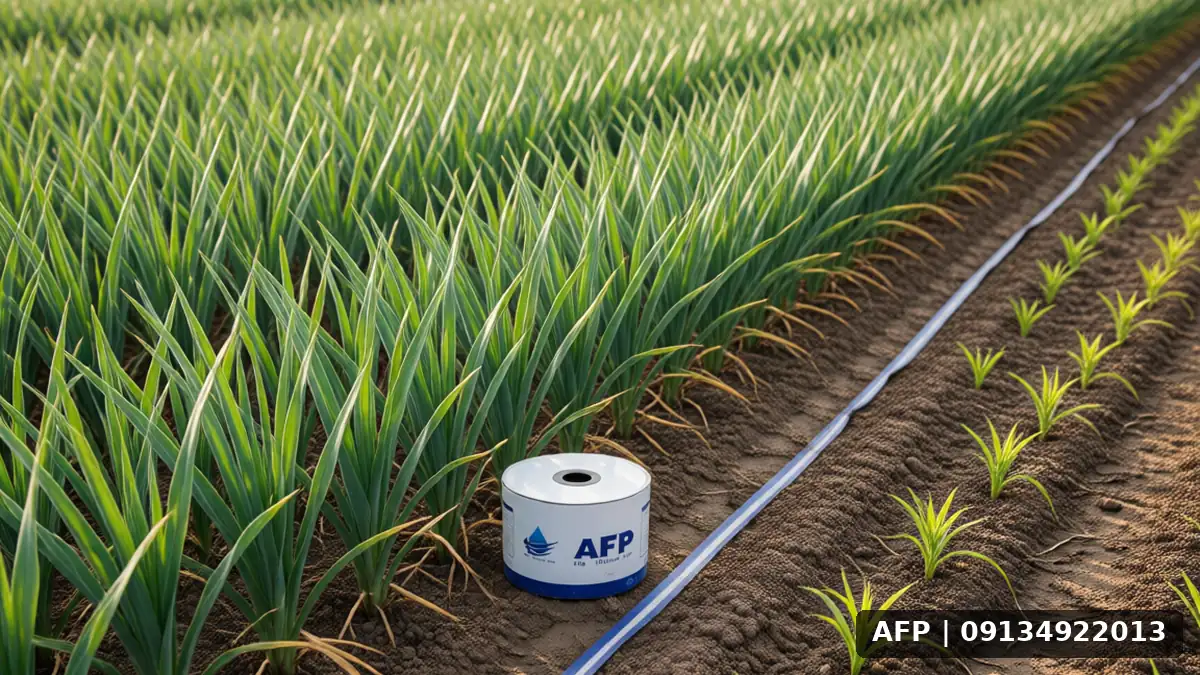
Before undertaking repairs or replacement, recognizing signs of system failure is essential. Tape systems are generally manufactured from polyethylene (PE) with varying thicknesses. In garlic cultivation, where planting distances are typically shorter, flow must be uniform. One common issue is non-uniform flow . If you observe that some lines are dry while others are saturated, it indicates local clogging of the tapes. Additionally, thinning or tearing of the tape due to contact with cultivation equipment or wind pressure must be identified in the early stages. Note that garlic has low tolerance to water stress, and ignoring these signs can lead to a reduction in bulb size and the final product weight. For a better understanding of the system’s impact on yield, it is recommended to study the garlic seed rate per hectare and planting layout to optimize the spacing between tapes.
Check water quality before each operation
Surface waters (spring or river) sometimes contain calcium and lime sediments that settle in the small holes of drip tape over time. If you are using well water, it may contain dissolved metals such as iron and manganese. These salts cause discoloration inside the tape and clog the discharge ports. It is recommended to use appropriate filters (such as disc or screen filters) before water enters the tape to extend the system’s lifespan.
Practical solutions for flushing and cleaning drip tape
Sediment and algae removal should be performed at specific intervals. Since drip tape remains active throughout the entire crop growth season, periodic flushing is key to system sustainability. The practical steps for this process are outlined below:
- Inspect the inlet filter: Every 3 to 5 days, open the filter and gently wash away accumulated sediments with water. If heavy sediment is observed, use a specific cleaning solution.
- Using cleaning acid: To dissolve mineral salts and algae, using undiluted citric acid or phosphoric acid in drip-irrigation flushes is effective. These acids can dissolve calcium carbonate deposits. The precise dose must be calculated based on water hardness.
- Pulsation: For drip tapes that allow backflushing, the internal pressure can be suddenly increased by repeatedly cycling the flow on and off to push sediment particles toward the pump outlet.
- Visual inspection of outlets: After the flush is complete, inspect the tip of each tape to ensure that flow is free and that no viscous layer has formed at the port inlets.
Note that repeated acid flushes can damage the plastic material of the tape over the long term. Therefore, maintain a balance and prioritize physical flushing (using water pressure) as the first option. If you are experiencing severe clogging issues, consulting the guide on enhancing drip tape efficiency and productivity can provide a broader perspective.
Pressure management in drip tape systems
Drip tapes withstand lower pressures than standard drip lines. Exceeding the recommended pressure (typically above 3 bar, depending on the model) causes bursting at seams or deformation of the holes. For crops that require uniform distribution, precise pump pressure adjustment is critical. Reducing pressure via pressure-reducing valves (PRVs) at the ends of sub-lines ensures that flow remains constant along the entire length of the tape. Pressure mismatch between the beginning and the end of the line can lead to asymmetrical grain growth in areas adjacent to the line ends.
Safety and Physical Maintenance Tips for Tapes
In addition to chemical and pressure issues, maintaining the physical integrity of the drip tape against environmental factors plays a significant role in system performance. Onion requires care during harvest and land preparation. Any physical contact with cutting blades or sharp tools can clog or enlarge the tape’s small holes. Therefore, when removing soil or picking up straw, ensure that the tapes do not get caught in equipment. Additionally, placing decomposed straw or organic material on the tape creates a suitable environment for the growth of bacteria and algae, which must be removed from the tape path in subsequent seasons.
A common mistake in agriculture is reusing worn-out drip tapes. If the tape material has become hardened or has lost its elasticity, it is better to use a higher-quality Fixed Spray Tape for the next season, as fixed models generally have greater durability against abrasion and tearing. Selecting the appropriate model based on field conditions is a smart investment for the coming years.
Answers to Frequently Asked Questions (FAQ)
When should drip tape be replaced?
Typically, drip tape is single-season. However, if you are using permanent (dual-season) tapes and the material thickness is maintained, regular flushing and the absence of physical tearing can extend their lifespan to 3 to 5 years. Signs that replacement is needed include a significant drop in output pressure or irregular flow variability along the line.
Can drip tape be used for fertigation (nutrient delivery through water) for onion?
Yes, drip tape is highly suitable for fertigation because it delivers fertilizer directly to the root zone. However, ensure that all soluble nutrients are fully dissolved to prevent clogging within the tape. Using additional filters is essential in this method to prevent blockage of the emitters.
What is the standard spacing for drip tape in garlic planting?
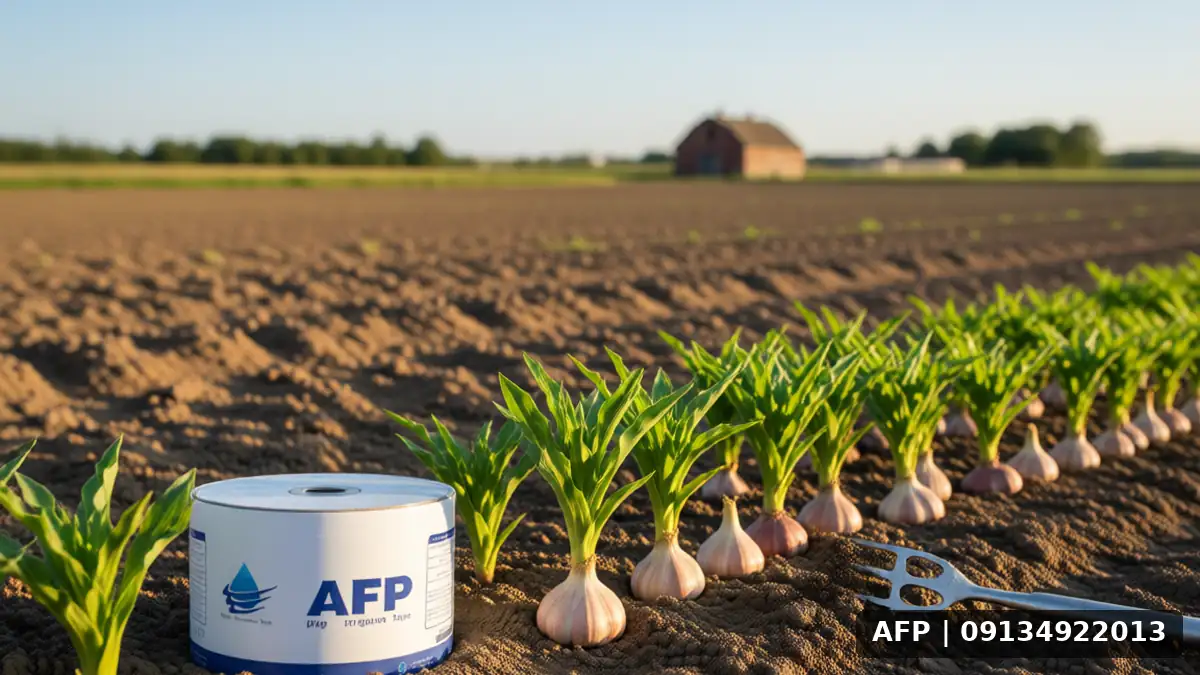
This spacing depends on the planting method, but typically the tape is placed in the center of the garlic row. The lateral distance between two drip tapes must align with the row width to maintain moisture balance. For more information on layout, the article on ‘Drip Tape Spacing in Sugar Beet’ can serve as a model for geometric adjustments in space-sensitive crops.
Does water temperature affect the lifespan of drip tape?
Water that is extremely cold or hot can cause sudden contraction or expansion of the plastic, increasing the likelihood of thinning at connection points. Try to use water at a moderate temperature and avoid long pipeline runs exposed to open air to prevent drastic temperature fluctuations along the line.
Conclusion: Ensuring Performance Through Proper Maintenance
Managing drip lines in garlic fields is a continuous process requiring daily monitoring and periodic flushing. By properly understanding the nature of water sediment and precisely regulating system pressure, you can reduce annual line replacement costs and maximize water use efficiency. Garlic is a crop that requires healthy, active roots during its final growth months; therefore, a healthy irrigation system directly impacts your product’s bulb size and market quality. Finally, to make better decisions regarding planting density—which affects your system’s water requirement—it is recommended to review local yield data per hectare and compare it with your records. By following these key points, your drip lines will remain optimized, ensuring the profitability of your garlic farm.
Related articles: Related article Related article Related article fixed spray tape, Related article Related article Related article D8AFD8B1 Related article Related article Related article, increase tomato yield per hectare iraq farmers guide, rainfed wheat seed per hectare guide