Pea Pest and Disease Management with Drip Irrigation: Comprehensive Guide
Introduction: The Hidden Link Between Irrigation and Chickpea Plant Health
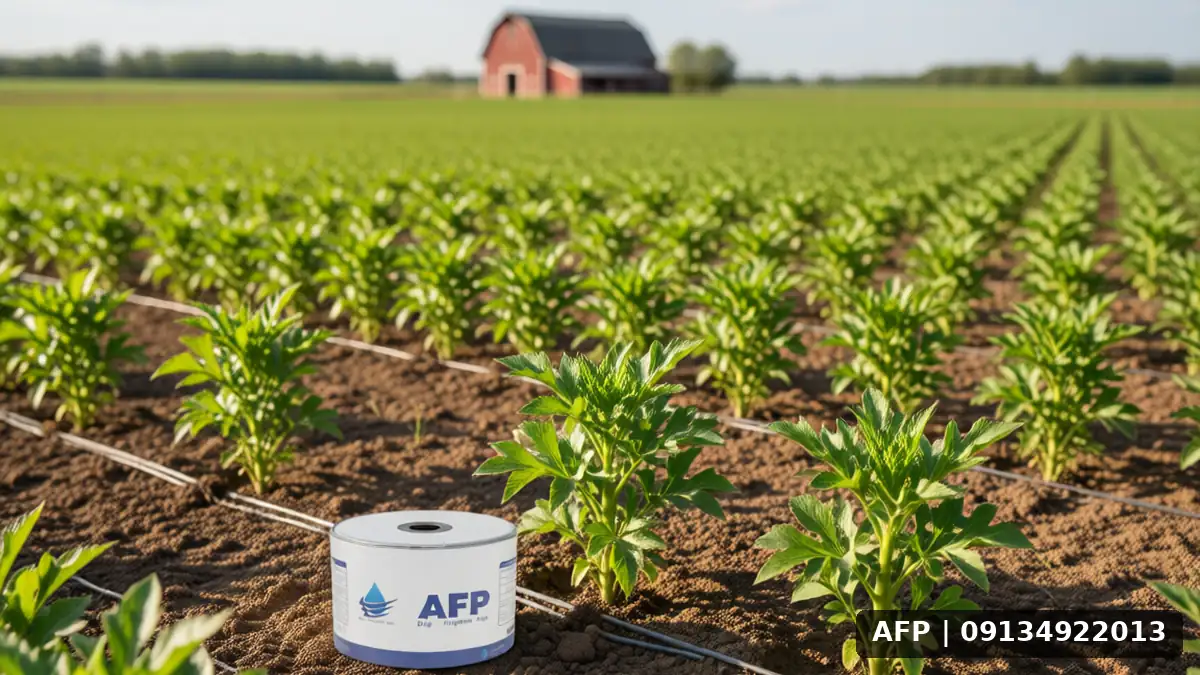
Farmers growing chickpeas often focus their primary concerns on yield reduction due to pests and fungal diseases. However, many plant issues stem from the poor management of environmental resources, particularly irrigation. Chickpeas cannot tolerate high basal humidity, and prolonged moisture on leaves and soil can create an ideal environment for biotic diseases to develop. Drip irrigation and strip tape systems alter moisture dynamics and change the game. These methods deliver water directly to the root zone rather than wetting the entire field surface. However, if their principles are not followed correctly, they may cause new problems. In this article, based on scientific principles and field experience, we examine how to use precision irrigation systems to control chickpea pests and diseases.
The Direct Impact of Humidity on the Outbreak of Chickpea Fungal Diseases
Diseases such as chickpea rust, Breviporopsis (Baiocytoma), and Botrytis are directly linked to relative humidity. In flood or sprinkler irrigation systems, water droplets wash spores off the plants and disperse fungi across the entire field. However, the challenge differs with drip irrigation. If emitters spray water at high pressure onto the leaves, or if the drip tape is placed too close to the plant base, humidity directly affects the foliage zone. To manage this, we must utilize correct system design. Using emitters with appropriate flow rates and preventing direct wetting of the leaves are critical points. In general, maintaining root health without over-wetting the plant canopy is the key to success. [a href=”https://navar-abyari.ir/important-tips-drip-tape-irrigation/” target=”_blank”]Important tips for drip tape irrigation[/a] can serve as a good guide for adjusting this balance.
Managing soil-borne pests and nematodes through precision irrigation
Soil-borne pests, including aphids and nematodes, are more active in moist and dense environments. Drip irrigation, by reducing surface and subsurface soil moisture, can alter the migration behavior of pests. Furthermore, many soil-borne fungi, such as Fusarium, reach their peak activity in water-saturated conditions. In drip-irrigated fields, it is possible to perform intermittent irrigation and controlled drying. This method, known as “deficit irrigation,” allows the plant to experience mild stress, which increases its resistance to soil-borne pathogens. Nevertheless, the risk of contamination via the irrigation system must not be ignored. If the water used is contaminated with nematodes, the emitters can transfer this pest directly to the root zone. Therefore, proper filtration of the incoming water is a top priority.
The role of tape drip in reducing Bielschowskii and Plumoxanthus diseases
Tape drip is the most popular option for chickpea gardens due to its lower cost and easy installation. However, tape drip is inherently a drip system and faces the same humidity-related challenges. In chickpea, the distance of the tape from the planting line must be adjusted so that roots are in the wet zone while leaves remain dry. Using tapes with lower flow rates and wider spacing can help with better moisture distribution. Additionally, proper flushing of the system at the end of the cropping season is essential to prevent the accumulation of pest and disease residues in the tape emitters. Contaminants inside the pipes can become a primary source of pathogens for the following year. For proper network design, it is recommended to study the [a href=”https://navar-abyari.ir/comprehensive-irrigation-tape-greenhouse-guide-0-to-100/” target=”_blank”]Comprehensive Guide to Tape Drip Irrigation[/a], although its principles are also applicable to open field farms.
Practical Tips for Farmers: Checklist for Pest Management with Drip Irrigation
To benefit from the advantages of drip irrigation in reducing plant damage, it is essential to adhere to the following points. Each item directly impacts plant health and reduces the need for chemical pesticides:
- Avoid evening irrigation: Irrigating in the late hours of the day causes moisture to remain in the field until morning. This condition is ideal for fungi. Early morning irrigation is the best time for excess water to evaporate.
- Using alternating flow emitters: During sensitive growth stages of chickpea, uniform water distribution can cause irregularities in humidity. Checkerboard drip emitters allow for managing alternating humidity.
- Line slope adjustment: Inappropriate drip tape slope can cause the end of the line to dry out and the beginning to remain wet. This imbalance makes one part of the field susceptible to pests while the other remains stable. Review [a href=”https://navar-abyari.ir/tips-before-buying-drip-tape-irrigation-iq/” target=”_blank”]tips before buying drip tape[/a] to select the appropriate model for your land.
- Precise monitoring: Rainfall and irrigation: Smart irrigation systems or even soil moisture sensors help you avoid improper irrigation, which is a primary cause of disease outbreaks.
Impact of intercropping on pest management through irrigation
Although our main topic is chickpea irrigation, many farmers practice intercropping. Irrigation management in intercropping is more difficult because each plant has different water requirements. If you intercrop chickpea with maize or sorghum, the excess moisture required for maize can lead to chickpea diseases. In this case, using separate drip emitters or precise flow rate adjustment for each line is critical. Additionally, in tropical regions, intercropping can attract insect pests due to increased ecological diversity, so maintaining moisture control through precise irrigation is the only way to preserve balance. [a href=”https://navar-abyari.ir/mixed-crop-yield-per-hectare-iraq/” target=”_blank”]Mixed crop yield per hectare[/a] can be optimized only if irrigation is also optimized.
Frequently Asked Questions (FAQ) about chickpea pests and drip irrigation
Does drip irrigation cause an increase in aphids on peas?
No, provided that appropriate humidity levels are maintained. Aphids tend to aggregate more on plants experiencing water stress. Regular and precise watering with drippers reduces root stress and prevents aphid accumulation.
When should the irrigation system be flushed or cleaned?
After the end of each crop season and before the next one, the system must be flushed with an oxidizing or acidic solution to prevent biofilm growth inside the laterals, which can become a source of pests.
Is tape drip suitable for clay soils?
In clay soils, permeability is low, and water accumulates in the area near the drippers, which can cause root diseases. In these soils, it is better to use drippers with higher flow rates and wider spacing to allow water to penetrate deeper.
Conclusion: Investing in a sustainable crop
Managing pests and diseases in chickpeas with drip irrigation requires a shift in perspective from ‘irrigation for growth’ to ‘irrigation for environment management.’ By eliminating excess moisture from the plant canopy and surface soil, you create a strong defensive layer against fungi and soil-borne pests. Although this method requires precision in installation, scheduling, and maintenance, its return on investment in reducing crop loss and pesticide costs will be significant. Farmers are advised to also pay attention to water quality and soil type before investing in irrigation systems. For a better understanding of the required seed rate alongside precision irrigation systems, you can use [a href=”https://navar-abyari.ir/miqdori-tukhmi-zira-siyoh-dar-gektar-dasturi-kisht/” target=”_blank”]the guide to chickpea seed rate per hectar[/a] to plan the field as an integrated system.
Related articles: mikdori tukhmi zira siyoh dar gektar dasturi kisht, Related article Related article Related article D8AFD8B1 Related article, comprehensive irrigation tape greenhouse guide 0 to 100, important tips drip tape irrigation