Corn Yield per Hare Using Drip Tape: A Comprehensive Guide to Increasing Performance
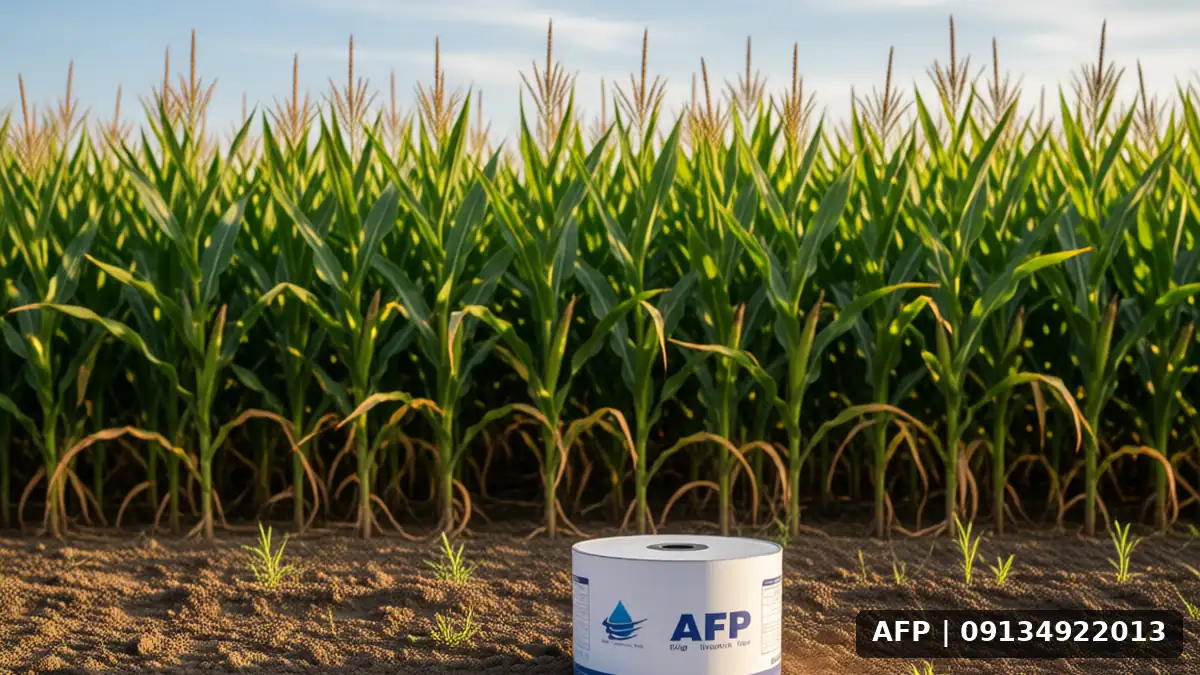
The Impact of Strip-Till Drip Systems on Water Resource Optimization in Maize Cropping
Maize is one of the most water-sensitive crops, and proper water management throughout its growth period ultimately determines farm performance. Strip-till drip irrigation, which combines drip irrigation with shallow soil surface operations, is a modern solution to increase maize yield per hectare with strip-till systems. By reducing evaporation and precisely directing water to the roots, this method allows for maximum utilization of every drop of water. In dry and semi-dry climatic regions where water access is limited, adopting this technology has become a necessity rather than an option. The goal of this section is to analyze how replacing conventional soil-based watering with strip-till impacts vegetative growth and maize grain production. Proper implementation of this system requires a deep understanding of the plant ecology of maize and its interaction with soil conditions to prevent resource waste.
Economic and Performance Analysis: Comparison of Different Irrigation Methods
To better understand the position of strip-till, it must be compared with conventional methods such as flood and sprinkler irrigation. Agricultural data indicates that under standard climatic conditions, maize farms using strip-till drip systems can achieve up to 20 to 30 percent higher yields than flood-irrigated farms without increasing total water consumption. This increase is directly due to enhanced effective moisture in the maize root zone and reduced water stress during the sensitive flowering period. Additionally, the reduction in pumping costs resulting from decreased water volume improves economic efficiency. If you are looking to compare the performance of other cereals using innovative methods, you can refer to the guide on sorghum yield per hectare: influencing factors and solutions as well, which shares many biological similarities with maize. This comparison shows how water efficiency in tropical cereals can vary with changes in irrigation patterns.
Factors Affecting Maize Performance in Strip-Till Systems
- Strip-till penetration depth: A depth of 20 to 30 centimeters is typically recommended to ensure that main roots remain in the moist zone. This depth must also be compatible with the genotype of the sown variety.
- Dripper spacing: Adjusting the spacing to 40 to 50 centimeters based on soil salinity to prevent salt accumulation. In saline soils, reducing the spacing or increasing strip leaching is essential.
- Irrigation scheduling: Using soil moisture sensors to precisely determine irrigation timing to prevent water percolation and reduce energy consumption. Automating this process increases accuracy.
- Fertigation: Injecting water-soluble fertilizers through the drip system to enhance nutrient uptake. This method is known as simultaneous irrigation-fertilization.
Practical Guide to Installation and Maintenance of Drip Tape in Corn Fields
Successful implementation of a drip tape system requires attention to installation details. Above all, system design must be calculated based on regional climate, soil type, and prevailing wind direction. One of the main challenges in this system is the clogging of drippers due to the precipitation of insoluble materials in the water. Therefore, the use of a multi-stage filtration system is essential. In addition, water pressure control at the outlet of the tapes prevents uniform water distribution along the plot. Farmers can ensure optimal system performance by studying water pressure measurement for drip tape. Also, the use of blower-type pipes resistant to ultraviolet radiation increases the useful life of the system and eliminates the need for annual replacement. Regular maintenance of main and lateral lines prevents sudden failures at peak water demand.
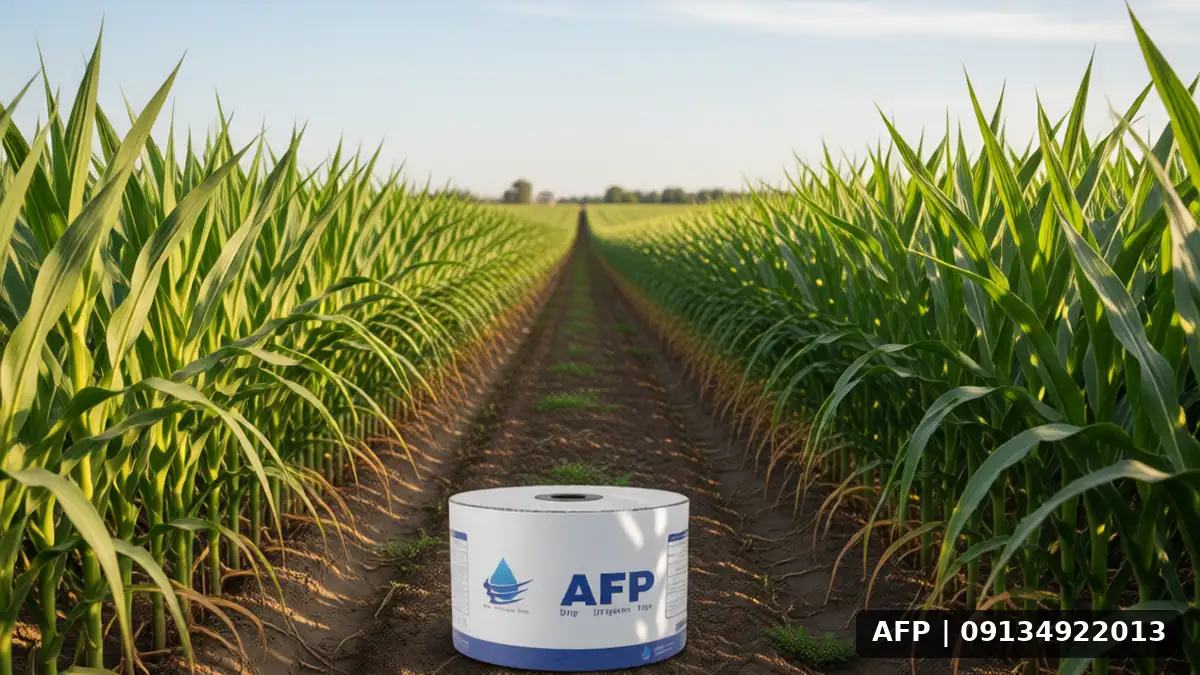
Irrigation Scheduling Based on Corn Growth Stages
- Germination to Vegetative Stage: Irrigation with low volume and high frequency to establish new roots. This stage determines the plant’s final potential.
- Rapid Growth Phase (6 to 10 Leaves): Increase irrigation volume to peak, as corn has the highest water requirement at this stage. Water deficiency during this period directly affects ear development.
- Flowering and Grain Filling Phase: Precise moisture management to prevent flower abortion and increase grain weight. Water stress is most critical at this stage.
- Maturity Phase: Gradual reduction of water for full grain maturation and prevention of rust. This helps increase the grain moisture percentage at harvest.
To compare the performance of other food crops, you can refer to the Guide to Soybean Yield per Hectare which provides a better understanding of the impact of drip irrigation on grain crops. Also, if you are involved in turfgrass management using drip tape, studying Subsurface Irrigation can offer similar strategies for reducing evaporation. Understanding the physiological differences between corn and other crops helps adjust the irrigation schedule more precisely.
Frequently Asked Questions About Corn Irrigation with Drip Tape
Is using drip tape suitable for small-kernel corn?
Yes, drip tape is suitable for all corn varieties, but the emitter spacing must be aligned with the corn planting density. For high-density plantings, shorter spacing (30-40 cm) is recommended to ensure uniform water coverage in the root zone. This alignment ensures that all seedlings receive equal access to resources.
What is the installation cost of a drip tape system, and how does it become cost-effective?
The initial installation cost is higher than flood irrigation systems, but due to reduced water consumption, lower pumping energy costs, and increased crop yield, initial costs are typically recovered within 2 to 3 growing seasons. Optimizing yield with drip tape, as mentioned in the barley yield improvement guide, provides an economic approach that offers clear economic justification for the initial investment.
What types of fertilizer can be injected into corn through drip tape?
Water-soluble fertilizers, including nitrogen, phosphorus, and potassium, can be fully injected. Additionally, micro-nutrients such as iron and zinc are absorbed with high precision through the emitters. This method minimizes fertilizer waste and protects the environment from pollution caused by fertilizer leaching.
Conclusion and final recommendations for increasing corn yield
Using a drip tape system in corn cultivation is a strategic step toward precise and sustainable agriculture. By optimizing water consumption and increasing root uptake of nutrients, farmers can expect a noticeable increase in corn yield per hectare with drip tape . The key to success lies in continuous monitoring of system pressure, proper filtration, and adjusting the irrigation schedule to current climatic conditions. If you are looking to compare different irrigation methods as an alternative option, studying surface irrigation or furrow irrigation can help you select the best method based on your specific farm conditions. Additionally, for better understanding of farms with specific climates, examining similar cases in the alfalfa seed rate per hectare guide can provide complementary insights into grazing management and plant cover. Ultimately, attention to the technical details of drip tape installation guarantees increased system lifespan and sustained long-term high corn yields. Combining agronomic knowledge with precision technology is the key to transitioning from conventional to modern and profitable agriculture, which should be upheld.