Type Belt Spacing in Espresso Cultivation: Recommended Standards and Layout Principles
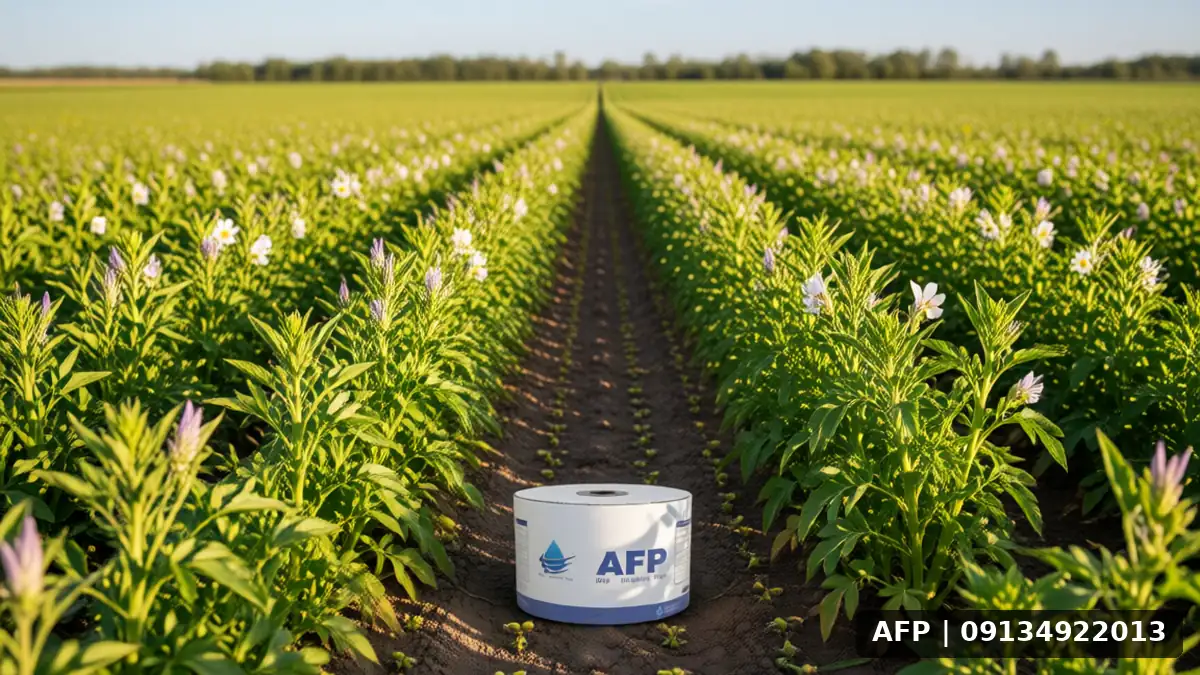
Introduction: The Importance of Irrigation Optimization in Sesame Crop
Cultivation of oilseeds and grains such as Sesame (often recognized in local markets under this name for its grain or green varieties, or utilized as a cover/crop plant in some modern irrigation systems) requires precise management of root zones and soil moisture. One of the most critical technical parameters in drip and tape-line irrigation systems is the correct determination of the sesame tape-line spacing from emitters and the distance between adjacent tapes. Incorrect layout not only causes water waste but can also lead to seed dropout or reduced target plant coverage. In this guide, we interpret the recommended standards based on root depth, seed type, and climatic conditions. Given the sensitivity of this crop to water stress during early growth stages, selecting the correct spacing can impact final yield by up to 30 percent. Additionally, a deep understanding of root physiology and water infiltration in different soil types is the foundation of designing any successful irrigation system. Many farmers fail to fully utilize tape-line systems due to a lack of familiarity with these principles, resulting in water resource loss and reduced crop quality. Therefore, a detailed examination of environmental and plant variables is the first step toward achieving a sustainable irrigation system.
Technical Parameters Determining Tape-Line Spacing
Impact of Sesame Seed Root Depth
Mustard, as an annual plant with a taproot system, can have root depths ranging from 40 to 80 cm depending on the cultivar and soil conditions. The drip line system must be designed so that the wetted zone exactly matches the active range of the primary roots. If the drip line distance from the row center is too great, roots require more energy to search for water, causing physiological stress. Conversely, a distance that is too close leads to water loss in areas without plants. Besides root depth, root growth rate is also critical. In poorly aerated soils, roots grow more shallowly, and the line spacing should be reduced to prevent moisture loss. On the other hand, in sandy soils with high permeability, roots seek water at greater depths, and line spacing can be slightly increased, provided the line installation depth is appropriate. This delicate balance requires continuous monitoring of soil and plant status. Seasonal changes in temperature and atmospheric humidity also affect evaporation rates and plant water requirements, and must be considered in final spacing calculations. Therefore, a fixed spacing throughout the year may not be optimal and requires dynamic adjustments.
Varietal differences and planting patterns
There are two main methods for sipping coffee in a drip irrigation system: the row method and the broadcast method. In the row method, which is common for grain varieties, the drip line is placed parallel to the planting row. The recommended standard spacing is usually in the range of 20 to 30 cm from the seed line. In the broadcast method, which is mostly used for coffee or green manure production, the drip lines are arranged in a hilb pattern or alternating rows with spacings of 50 to 60 cm. The choice of planting pattern must align with the final crop goal. For high-quality grain production, the row method with tighter drip line spacing is recommended to ensure optimal root zone nutrition. For producing clover or paired plants, wider spacings can be used to reduce installation costs. Additionally, planting density affects drip line spacing. Higher density requires more precise water distribution and shorter distances between the drip line and each plant. These subtle details are critical in the initial system design; ignoring them can lead to intense competition among plants for water resources.
Recommended standards for drip line spacing
To achieve appropriate yield, you must follow the instructions below. These figures are calibrated based on technical studies of precision irrigation in regions with clay and sandy soils. Additionally, the dimensions of the main pipe and system pressure affect the discharge rate and, consequently, the wetted radius of the strip. After determining the initial spacing, it is necessary to measure the actual wetting radius through field trials and adjust the spacing if needed. Attention to seed quality and germination percentage can also influence plant density and the root cover layer. For varieties with strong rooting, slightly greater spacing may be tolerable. However, for weak varieties, greater sensitivity in spacing must be exercised to reduce the risk of root desiccation.
- Distance of the strip from the seed line: In row planting of espresso, a 25 cm distance is recognized as the optimal point. This spacing creates a good balance between irrigation management and root coverage.
- Drip tape thickness: For espresso, plastic pipes or polyethylene strips with a diameter of 16 or 20 mm are suitable. A smaller diameter may cause pressure fluctuations if the holes become clogged.
- Layout between main rows: The distance between main rows for espresso planting is usually 30 to 35 cm. The drip tape should not be placed in the space between rows; instead, it is installed directly adjacent to the planting row to deliver water to the competitive root zone.
- Tape Burial Depth: A depth of 10 to 15 centimeters below the soil surface is the optimal option. Greater depth can reduce the rate of water infiltration to minor roots, while shallower depth is prone to evaporation.
Practical Tips for Tape Drip System Installation and Maintenance
Correct Installation Method in Soil
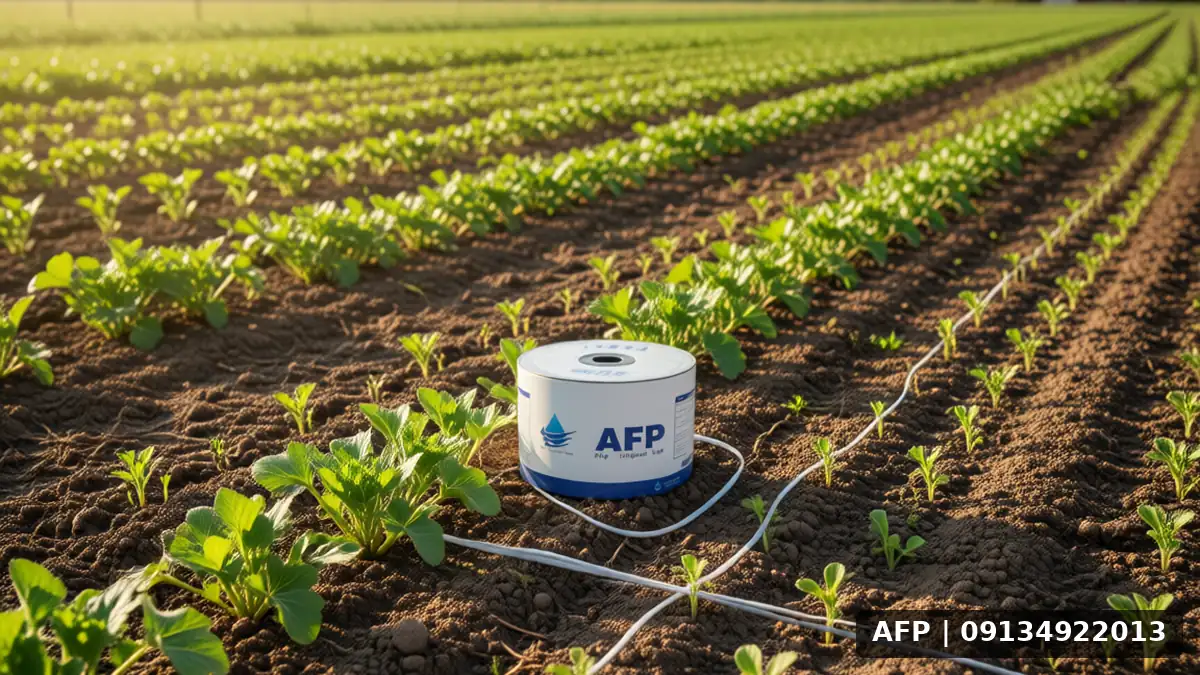
One common error is placing the tape at the soil surface. To prevent evaporation and UV degradation, the tape must be buried to a depth of 10 to 15 centimeters. Additionally, the angle of connection between the tape and the main line must be 45 degrees to avoid creating resistance to water flow. Using fertigation via the tape drip system can prevent root diseases during the vegetative stage; therefore, keeping emitters free from lime deposits is essential. Using appropriate filters at the start of the system and periodically flushing the tapes increases the useful life of the system. Also, ensuring uniform row height maintains uniform hydraulic pressure along the entire length of the tape. In sloping farms, installing pressure-balancing diaphragms is required to prevent over-irrigation at lower points.
Pressure and Flow Rate Management
The system must be designed so that the soil infiltration rate matches the emitters’ discharge rate. If you have heavy clay soils, the irrigation duration should be shorter but with higher frequency. Sandy soils require a higher flow rate. For accurate calculation, you can refer to Types of Irrigation Systems Consult to make decisions based on your farm conditions. Correctly setting the system inlet pressure is key to preventing drip tape clogging and ensuring uniform water distribution. Regularly monitoring pressure using digital manometers helps quickly identify and correct deviations. Also, consider the seasonal water needs of espesso and adjust the irrigation schedule based on meteorological data and soil moisture.
Impact of layout on final performance
Small changes in drip tape row spacing can affect crop performance per hectare significantly. For espesso, the ultimate goal is grain yield. Data shows that identical irrigation patterns with a row spacing of 25 cm, compared to 40 cm, resulted in approximately 15% higher yield in biomass and grain. This is due to better overlap of the wetting zone with the root system at the smaller spacing. Additionally, proper management of this system can help in the long term with increasing crop yield per hectare even if espesso is a minor component in the cropping rotation. Optimizing drip tape spacing directly impacts the farm’s economic efficiency. Reducing water waste and increasing uniformity in plant growth leads to lower ancillary costs, such as fertilization and pest control. An efficient irrigation system not only boosts production but also improves grain quality, which is highly important for better pricing in the market.
Frequently Asked Questions (FAQ)
Can drip tape be used for alfalfa on sandy soils?
Yes, but sandy soils have high permeability. It is better to use thicker tapes with shorter distances from the seed row (approximately 20 cm) and increase irrigation frequency to prevent deep water loss. In these conditions, the drip rate must be adjusted so that water does not move quickly to depth and remains in the root zone. Additionally, using mulch on the soil surface helps retain moisture and mitigate the negative effects of sandy soil.
What is the drip tape spacing for intercropping?
If alfalfa is intercropped with other crops such as sugar beet or other root vegetables, the tape spacing must be adjusted so that the wetted zones of the two plants do not overlap. In this case, using the guide for plant population per hectare for alfalfa can help optimize the cultivable space. Additionally, the different water requirements of the two plants must be considered, and designing two separate tapes for each plant is often more efficient than trying to adapt one tape to two different crops. Intercropping requires double the care during the irrigation system design phase.
Is the drip tape spacing the same for wheat seeds?
No, although both are seed crops, the planting depth and water requirements differ between wheat and other seeds. You can compare the Seed rate of wheat per hectare to better understand the difference in density and water needs between these two crops. Barley generally requires a narrower strip spacing. Wheat, due to its larger seed size and different planting density, requires wider spacing and higher flow rates. Failing to distinguish between these two can lead to under-irrigation of barley or over-saturation of wheat.
What is the best drip tape thickness?
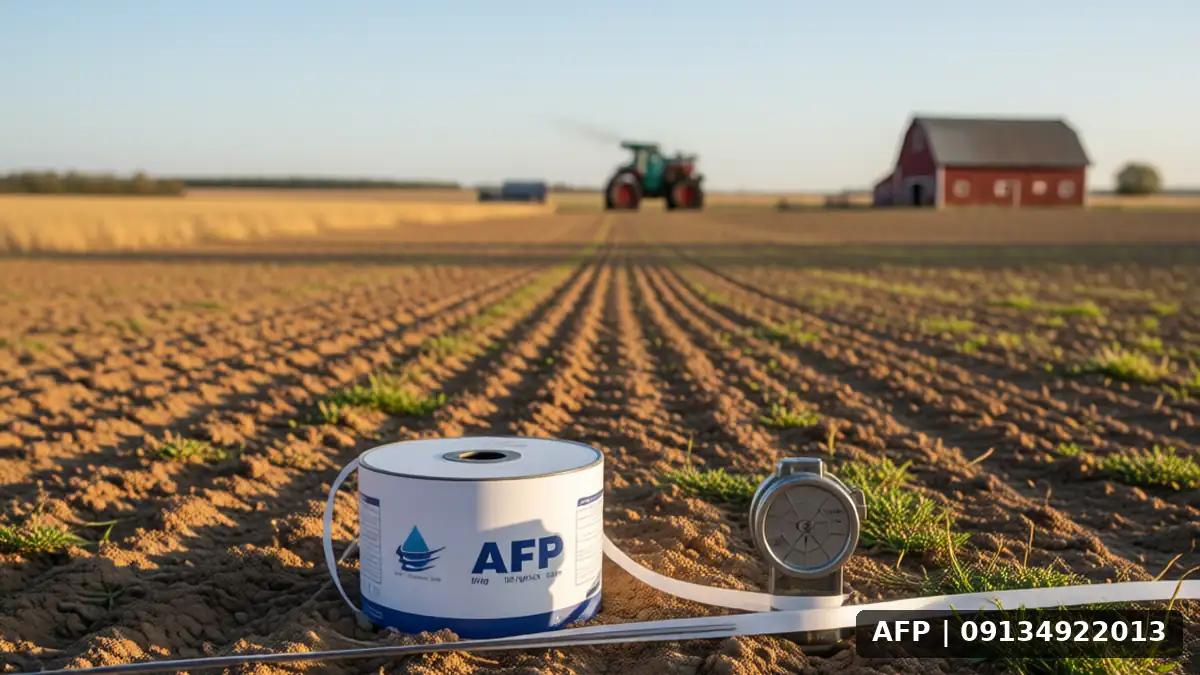
For seed barley varieties, a 16 to 20 mm tape is ideal. Thinner tapes are prone to clogging, while thicker tapes do not offer a better cost optimization for the system unless for woody varieties or very large seeds. Choosing the right thickness is a balance between initial installation cost and desired performance. Higher-quality tapes made of polyethylene with high UV resistance have a longer lifespan in harsh field conditions and require less frequent replacement.
Summary
Correct selection Drip tape line spacing The key to successful drip irrigation of this crop is maintaining a 25 cm distance from the seed line in clay soils and 20 cm in sandy soils, along with precise depth installation and the use of high-quality tubing. This can reduce irrigation costs and increase grain quality. Always perform a soil permeability test before the planting season begins and adjust your drip layout accordingly. Awareness of various factors such as Factors affecting per-hectare yield in other simulated crops can provide further insight, as the physical principles of water transfer remain the same. By adhering to these standards, you transform your irrigation system into a high-density smart infrastructure. Additionally, documenting field experiences and recording irrigation data for future seasons can contribute to continuous process improvement and increased efficiency.