Strip Spacing in Rice-Stubble Cropping: Recommended Standards
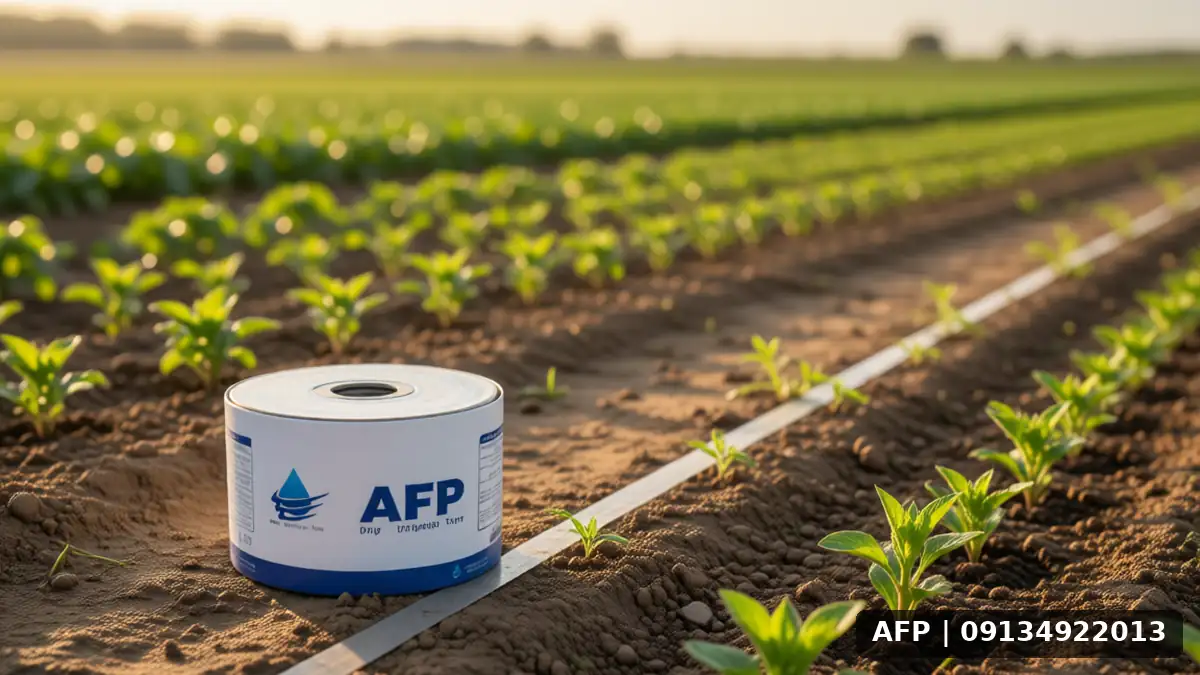
Introduction: Why Is Drip Tape Spacing Critical in Wheat-Green Manure Cultivation?
Wheat-green manure cultivation (Wheat-Green Manure or Wheat-Substitute Fallow) combines winter cereals with auxiliary cover crops, aiming to conserve moisture, prevent erosion, and reduce fertilizer requirements in the following season. In this scenario, the use of pressurized irrigation systems, particularly drip tape (Drip Tape), presents new challenges not found in monoculture systems. The spacing between cropping rows and the placement of irrigation lines is no longer determined solely by area, but by the distribution of moisture at various soil depths.
If drip tape spacing in wheat-green manure cultivation is not properly adjusted, one of two unfavorable outcomes will occur: either crops experience water stress in the spaces between tapes, or moisture is wasted in areas with low-density cereal planting, potentially promoting weed growth and fungal diseases. Therefore, selecting the drip tape spacing for cereal crops requires a precise analysis of agricultural and hydraulic variables.
Technical Principles of Drip Tape Spacing in Row Layouts
In drip irrigation engineering, a parameter called Wetting Pattern (wetted pattern) exists, which determines how many centimeters of soil around the drip line are moistened. This pattern depends on the soil type (sandy, silty, or clayey) and the discharge rate of the drip line.
The effect of soil type on determining spacing
- Sandy and light soils: They have high permeability, and moisture spreads outward more quickly. In this case, the spacing between drip line rows can be set somewhat wider than the root layout pattern, as roots rarely intersect each other unless significant irrigation is applied.
- Clayey and heavy soils: They have lower permeability, and moisture moves vertically rather than horizontally. Here, the drip line spacing in intercropping must be exactly equal to or less than the row spacing to prevent a “dry zone” from forming between two lines.
For intercropping systems that include cereals with irregular or dense row arrangements, it is better to use the A strip between two rows was used. This means the drip tape strip distance from the center of the main plant’s root zone (e.g., wheat) should be approximately 15 to 20 cm. This distance allows auxiliary cover crops (such as alfalfa or pea in intermediate sprouts) to benefit from lateral moisture, without the hose being in the direct path of stem growth.
Impact of planting density and cover type on irrigation pattern
In green manure cropping, we deal with two or three plant layers: the main cereal layer, the cover layer (Green Manure), and sometimes a low-consumption vegetable layer. Each of these layers has different hydraulic needs. If the drip tape spacing in green manure cropping is set based on the main plant’s needs while ignoring the cover crop’s needs, the cover crop may become weakened during the sensitive growth season.
Recommended standards based on common crops
Practical tips for proper implementation of tape drip in intercropping
The vulnerability of intercropped systems to issues is significantly higher than that of monocultures. Even minor errors in spacing can cause growth ‘irregularities’, making pest management and harvesting more difficult. The key implementation tips are presented below:
1. Use of porous and multi-line tapes
If the soil bed is asymmetric, using a drip tape with a higher number of holes or closer hole spacing can widen the irrigation furrow, compensating for the need to reduce the physical distance between tapes. This method is particularly useful for intercropped plants with shallow root systems, such as Spinach in intercropped combinations.
2. Avoid laying the tape directly on the seed
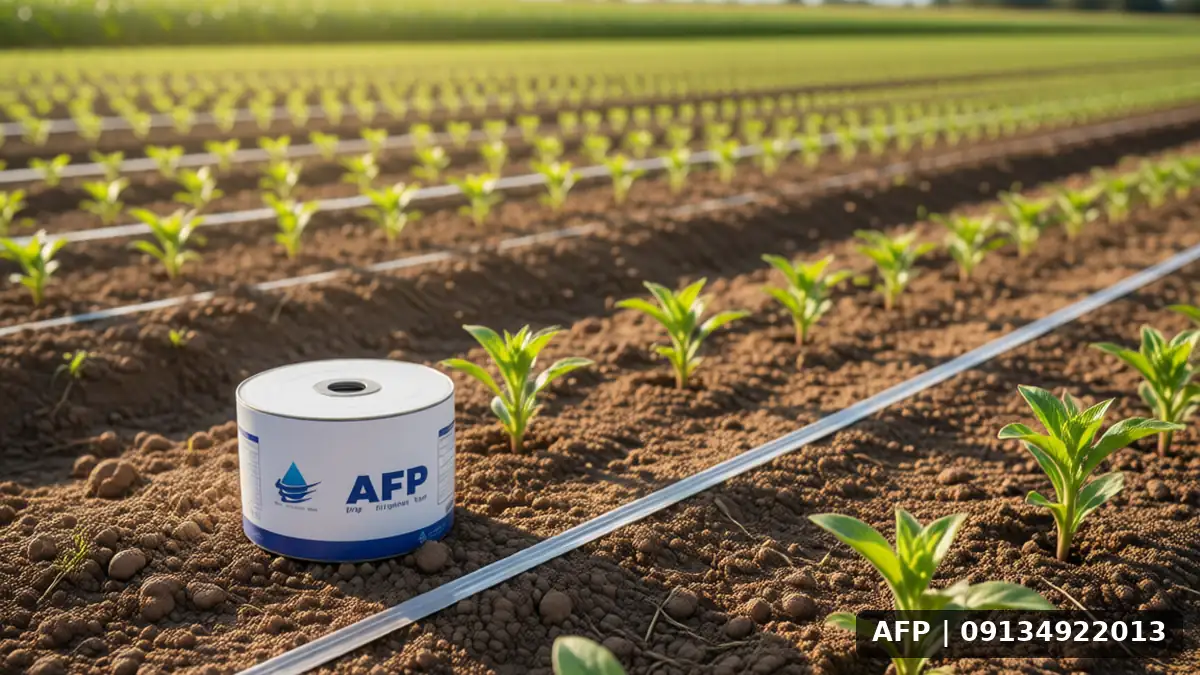
Never place the drip tape exactly on the main seedbed. Root pressure and rapid canopy growth will crush the tape or deflect it. Always allow a lateral spacing of at least 5 to 10 cm.
3. Adjusting system pressure based on tape length
The length of the drip tape run from the mainline to the end of the field induces pressure drop. In sloped fields, spacing must be adjusted based on geographic configuration. If drip tape spacing for cover crops remains uniform across different field zones, the hose ends in the lower slope may receive less moisture. Using thermostatic valves to stabilize pressure is key to achieving uniform distribution.
4. Adaptation to Low-Consumption Crops
Some cover crops, such as lettuce, spinach, and early-maturing legumes, have high sensitivity to water deficit during their early stages. In such cases, drip tape spacing should be closer to the root layout to prevent the formation of a ‘Dry Zone’ around the stems. For further reference in similar areas, you can consult water use standards per hectare.
Frequently Asked Questions (FAQ)
Can a single drip tape system be used for both cereals and cover crops with different spacings?
Yes, provided that adjustable tapes are used or hose lines are rerouted during different seasons. Otherwise, fluctuations in root density will lead to uneven water distribution.
When is the best time to install drip tape for cover crops?
The optimal timing is concurrent with bed preparation and prior to the main planting. Taping installation after the cover crop has emerged reduces precision and may damage the vegetation.
What is the standard taping interval for wheat under dry conditions?
In dry climates, extracting moisture from depth is more critical. Typically, an interval of 30 to 40 cm is recommended with tapes featuring deeper perforations to force roots to extend deeper and increase drought resistance.
Summary and final recommendation
Selecting the taping interval in a cover crop is not a single-choice decision, but a combination of soil, climate, vegetation type, and equipment variables. Farmers seeking to increase efficiency should avoid rigid, uniform patterns and instead segment field configurations. Considering Practical operational guide for green MUNG beans and other cover crops, an optimal pattern for hose arrangement can be mapped out. Ultimately, continuous soil moisture monitoring and annual review of spacing will guarantee the preservation of the investment in drip irrigation and the sustainability of the cover crop. Note that for more specific crops such as willow or pumpkin, root requirements differ and spacing must be adjusted based on the seed quantity of pumpkin per hectare and its specific arrangement.