Canola Maintenance via Drip Tape: Key Points
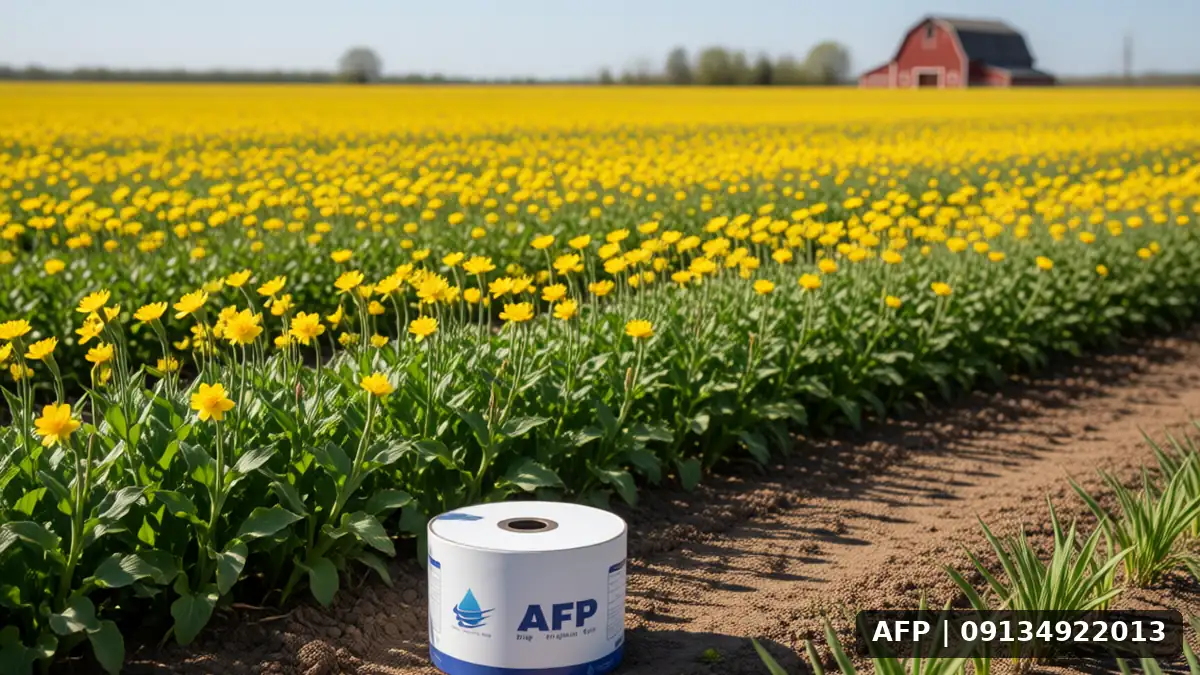
Rapeseed cultivation in Iran is one of the most critical supply chains for edible oils and fats, heavily dependent on proper water resource management. The use of drip irrigation systems, particularly tape drip lines, allows water and nutrient solutions to reach the root zone directly; however, this technology loses efficiency without regular attention and proper maintenance. In this guide, our objective is to provide a detailed examination of Rapeseed Tape Drip Line Maintenance with a focus on practical aspects, enabling farmers to prevent network damage and achieve stable yields. Proper management of this system not only reduces operational costs but also ensures that plants have sufficient moisture during sensitive growth stages, including flowering and seed filling. Many common issues, such as reduced flow rate or uneven distribution in the lines, stem from neglecting fundamental maintenance principles. We will outline the step-by-step process below so you can maximize the return on your agricultural investment.
Why does rapeseed cultivation with tape drip lines require special maintenance?
Rapeseed is a crop that exhibits high sensitivity to drought conditions, while waterlogging is fatal to its roots. Due to its narrower width compared to standard drip tubes, tape drip line is more susceptible to mechanical stress and temperature fluctuations throughout the season. In the process of crop drip tape maintenance careIt is critically important that drip lines are carefully checked for structural and environmental defects. The main difference in maintaining rapeseed compared to other crops lies in the timing of technical care, as rapeseed is a cool-season crop that progresses through its growth stages within specific temperature ranges. This means heat stress directly impacts the drip tape and emitters. If you do not calculate the seepage irrigation rate, the input pressure to the drip tape network may be incompatible with the emitters’ capacity, leading to premature system wear. Additionally, sandy soils common in many rapeseed growing regions (such as South Khorasan and Sistan) require more precise drip tape adjustment to prevent air bubbles.
Key Factors in Increasing Yields with Drip Tape
Final rapeseed yield is directly linked to the performance of the irrigation system. When drip tape is properly maintained, uniform water distribution along the entire row length reduces stress and increases sunlight absorption by the leaves. However, if emitters become clogged, plants at the end of the line experience water deficit, resulting in a sharp drop in seed weight. In this regard, understanding the relationship between water application rates and plant physiological response is essential. You can gain a deeper understanding of crop potential through further study; for this purpose, read the Vegetable Performance Guide per Hectare It can provide valuable insights for comparing yields, although the general principles of optimizing water use across various farming scales remain applicable. Another critical point is nutrient management through drip fertigation. Canola has a high demand for sulfur and nitrogen; if these substances precipitate, they will clog the emitter inlets. Therefore, combining physical care of the drip system with the chemical management of nutrient solutions is the cornerstone of success.
Technical inspection and preventive maintenance of drip tapes
More specialized maintenance involves the regular inspection of the system’s constituent components. Drip tape consists of several main components, each playing a decisive role in the system’s lifespan. Familiarity with the parts of drip hoses and drip tape and their emitters helps you understand exactly where intervention is needed. For example, the tape wall thickness relative to suspended solids in the water and soil organic particles must meet standards. In the process of crop drip tape maintenance careusing appropriate filters before water enters the network is considered the first line of defense. Additionally, regular inspection of connection points between main lines and sub-lines is crucial; small leaks at these points can create zones of excessive moisture, which in canola leads to root rot and fungal diseases. Pressure management must ensure that the minimum water exit velocity from emitters at the end of the tape remains acceptable. This point is often overlooked in practice, while pressure drop along a 200-meter tape can reduce flow rate by up to 15%. Therefore, adjusting control valves at the beginning of lines is a critical technical action that must be reviewed in every irrigation cycle.
Practical guide for network flushing and clogging management
One of the main challenges in repeated cropping is the accumulation of salts and calcium carbonate deposits in the emitters. For canola, which is often grown in saline or poorly drained soils, the risk of chemical blockage is high. A practical routine involves regularly flushing the network with weak acids (such as citric acid) or chlorinated solutions at controlled concentrations. This process should be performed before the start of each new cropping season to ensure emitters are fully open. Additionally, managing soil inputs through quality control of drainage water is a critical step. When growing canola in seasons requiring precise calculation of moisture and nutrient application, reviewing relevant articles, such as engineered seed rate per hectare, can help you adjust plant density to match your network’s capacity. Excessive plant density can place additional strain on emitter output, and managing this variable is part of the overall maintenance strategy.
Frequently Asked Questions about Drip Tape Maintenance in Canola Cultivation
Is drip tape reusable and recoverable?
The following section answers common questions from farmers regarding this topic. No, drip tape is mostly single-use, and recycling is not economically or hygienically recommended because the internal structure of the emitters is damaged. However, if the system is installed and managed correctly, a short-term second use in the next season may be possible in specific conditions without significant damage. What is the best time to inspect system failures when growing canola? The best times are before the start of the spring growing season and after each period of heavy irrigation. During these intervals, blocked emitters are clearly visible. How can I prevent drip tape deterioration in greenhouses or enclosed fields? The use of UV-inhibitor-infused tape and precise moisture management in storage tanks prior to installation are critical factors. Does the use of silicon quartz filters affect the performance of drip emitters? Yes, filter quality is decisive. Fine filters with appropriate permeability prevent suspended particles from entering the tape and prevent emitter clogging caused by silt and sludge.
Conclusion: A sustainable approach to rapeseed irrigation
Proper drip tape maintenance in rapeseed cultivation is not just a technical measure; it is a comprehensive strategy for optimizing water and soil resources. By adhering to the principles of crop drip tape maintenance care, regular network flushing, pressure management, and attention to the water-soil-plant interaction, you can mitigate common risks such as yield reduction and investment loss. Our final recommendation is to establish a specific technical checklist that includes filter inspection, control valve pressure checks, and periodic tape flushing. This preventive approach is the key to success under increasingly challenging climatic conditions. For further reading on seed rate calculation principles and resource allocation in various crops, you can also review the article on required seed quantity per hectare to gain a comprehensive view of the value chain for high-value crops.
Related articles: Fava bean seed rate per hectare + factors affecting yield, What is deficit irrigation? Features, D987D8A7, D988, and disadvantages