Irrigation Moisture in Mallow Cropping: Applications, Practical Tips, and Yield Enhancement
Introduction to the Importance of Moisture-Based Irrigation in Vegetable Cultivation
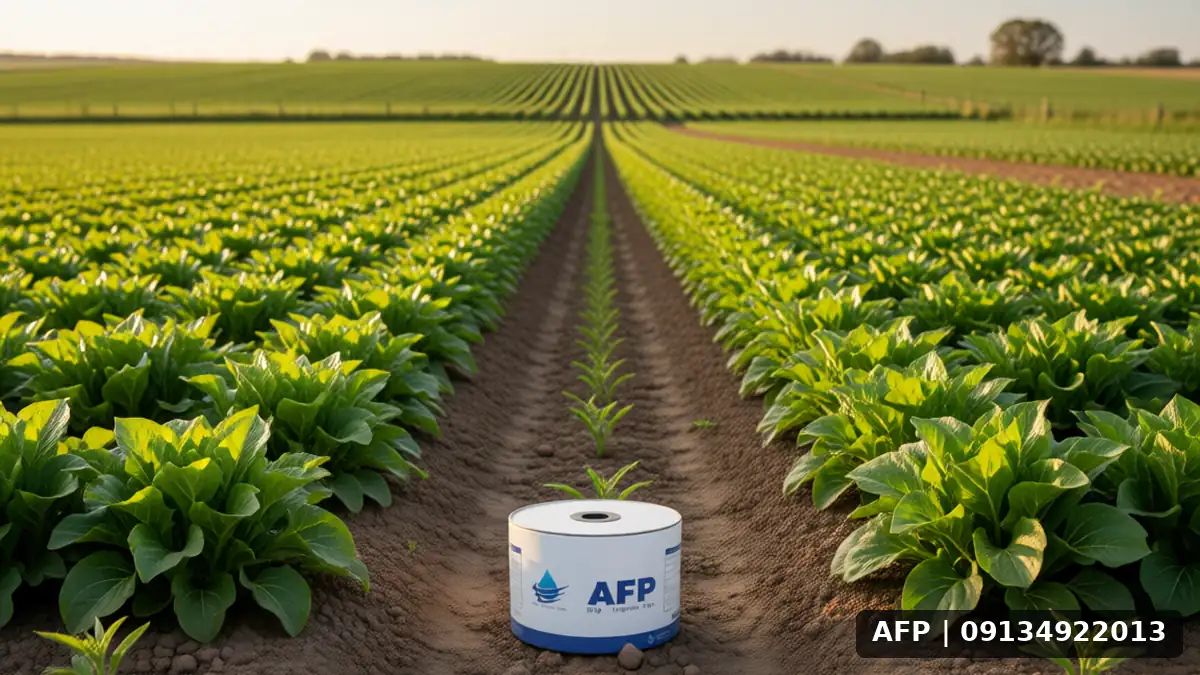
In modern agriculture, proper soil moisture management is one of the most critical factors affecting crop quality and yield. Moisture-Based Irrigation in Lettuce Cultivation and other vegetables such as red chard and spinach, has gained particular importance due to the high sensitivity of these crops to moisture deficiency or excess. As a crop with a short growth cycle but high requirements for nutrition and moisture, lettuce performs best when the irrigation system is precisely focused on the root zone. The use of advanced methods, such as low-loss drip tape, ensures that moisture is delivered uniformly to the plant without waste. This approach not only reduces water losses but also promotes faster and more uniform growth by maintaining the pH balance and temperature in the root zone. Modern farmers who master these techniques can reduce production costs and increase profitability.
Defining Moisture-Based Irrigation and Its Differences from Conventional Irrigation
In its core concept, moisture-based irrigation refers to maintaining optimal moisture levels in the root zone, rather than simply wetting the soil surface. In traditional methods, extensive wetting occurs, which can lead to nutrient leaching and fungal diseases. However, in moisture-based methods, using low-loss emitters or drip tapes, moisture is released slowly and in specific doses. This approach is suitable for Applications of Moisture-Based Irrigation in Lettuce Cultivation This is ideal because mint has shallow roots and requires moisture to be available to deeper roots to prevent drying out. Additionally, this method keeps the space between rows drier, which inhibits weed growth and prevents soil-borne pests from spreading to the leaves. As a result, plant health is maintained and the need for chemical spraying is reduced.
Specialized applications of tape drip irrigation for mint
Tape drip irrigation is one of the most efficient tools in drip irrigation, with a particular application in row crops such as mint. The choice of the appropriate tape drip type directly affects the uniformity of distribution and, consequently, soil moisture. Due to low installation costs and easy replacement, these tapes are a popular option for small to medium-sized growers. Below, we compare the different types and their effects on soil texture.
Welded tape drip vs. plate tape drip
One of the most important decisions when purchasing is choosing between side-welded and plate tape drip. Side-welded tapes are generally cheaper and suitable for low-cost crops, but plate tapes are more durable and, due to their sturdy PVC material, are more resistant to pressure and environmental stresses. For industrial crops where system longevity is a priority, the use of high-quality tapes is recommended. The main difference lies in how the plastic layers are connected; in the welded model, the connection is mechanical, while in the plate model, the connection is a stronger thermal or chemical bond. For more information on the differences and advantages of each, you can refer to the article on tape drip techniques, which details their structural aspects.
Optimal watering with tape drip in different soil textures
The effect of tape drip on soil moisture depends on soil texture. In clay soils, permeability is low and moisture may accumulate excessively at the surface, whereas in sandy soils, permeability is high and moisture moves downward quickly. Therefore, the flow rate of tape drip emitters must be adjusted based on these differences. This precise adjustment ensures that moisture irrigation for alfalfa is conducted according to the plant’s hydrological needs. In sandy soils, using tape with a higher flow rate and closer emitter spacing may be necessary to prevent excessive porosity. Conversely, in clay soils, a lower flow rate and longer irrigation duration are recommended. To correctly select tape drip based on field conditions, the agricultural tape drip selection guide can be a valuable resource, as it explains technical criteria in a step-by-step manner.
Practical tips for increasing yield through moisture management
The operational management of alfalfa irrigation requires precision in technical and agricultural parameters. The following are the most important points that farmers must observe. These points are not limited to the irrigation system but also include planting, density, and soil care.
Row spacing and uniform drip line distribution
The standard row spacing for spinach is typically between 40 and 50 centimeters. At this interval, the drip line must be placed precisely on the planting line or at a specific distance from it to ensure moisture reaches the roots. If the drip line is distributed unevenly or has irregular spacing, certain parts of the row will lack sufficient moisture. Adhering to standard spacing in row-based crops leads to higher economic and qualitative yields. These standards apply similarly to other crops such as eggplant or tomato. However, in leafy greens, the narrower spacing means higher density and greater sensitivity to moisture. Also, to maintain the quality and lifespan of these lines, it is essential to read the article on How to extend the useful life of drip tape to prevent the cost of frequent replacement. Proper maintenance, filter cleaning, and the use of anti-clogging compounds are the main keys.
Link to other vegetables due to similar moisture needs
The principles of moisture irrigation in spinach are largely shared with other leafy vegetables. For example, moisture management in spinach and chives has similar considerations. If you are looking for ways to increase the yield of other vegetables, you can refer to specialized articles such as Increase in spinach yield per hectare to study, which also emphasize precision irrigation and appropriate root-zone moisture. This correlation shows that an irrigation system designed for mint can serve as a good basis for managing moisture in other similar crops. Furthermore, understanding the factors affecting seed yield in oil crops such as soybean, as discussed in the article, Soybean seed yield per hectare can provide multi-crop farmers with a deeper understanding of resource management.
Frequently Asked Questions (FAQ) about Moisture Irrigation of Mint
How do we know if moisture irrigation for mint crops is sufficient?
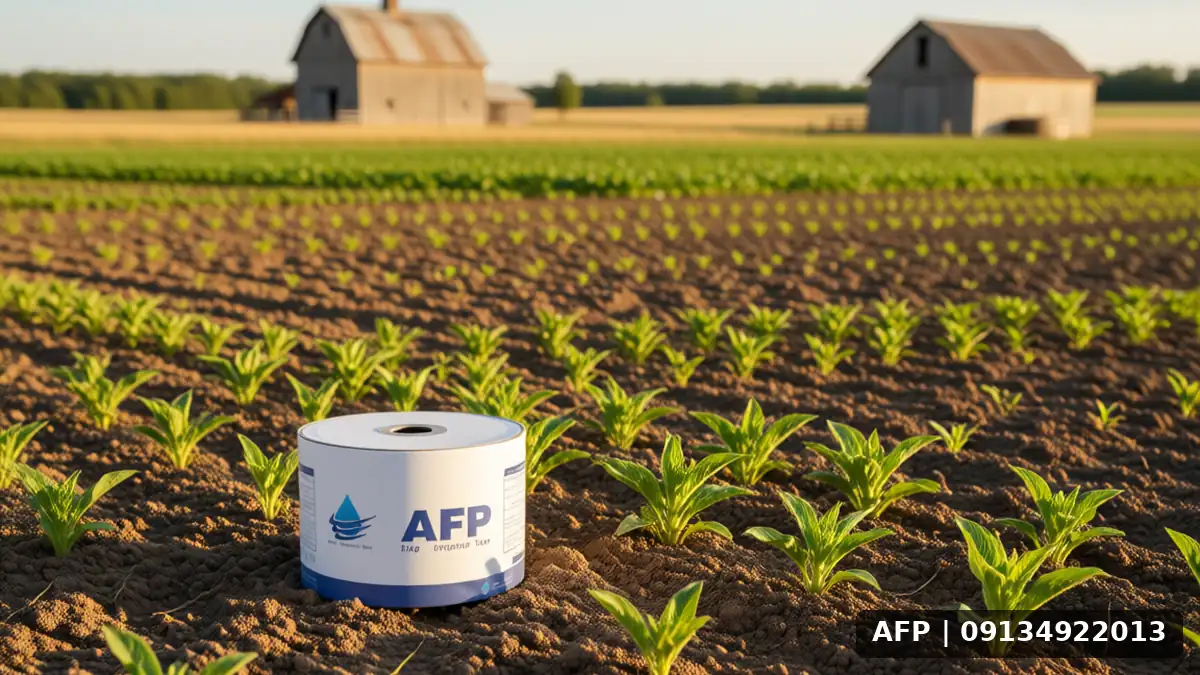
The best method is to feel the soil at a depth of 15 to 20 cm within the root zone. If the soil has adequate moisture, it will retain a moist ball shape when pressed between fingers but will not drip water. Additionally, observing the wetted front under the drip line with appropriate tools (such as a soil probe) is also confirming. If the soil is dry, plant growth rate decreases and leaves begin to wilt.
Can Liflats drip tapes be used for edge irrigation?
Yes, but note that Liflats drip tapes typically have different pipe diameters and flow rates. For vegetables, low flow rates (such as 1/8 or 1/4 inch) and closer emitter spacing are recommended. Purchasing guide and key points Liflats pipe It can help in selecting the appropriate size, but for edge irrigation specifically, standard drip tapes with low flow rates generally provide better efficiency. Additionally, the choice between sewn-side or plaque-type drip tape, based on budget and usage duration, is a determining factor, which is discussed in detail in the article on the differences between sewn-side and plaque-type drip tapes.
How long should the drip tape remain on during the day?
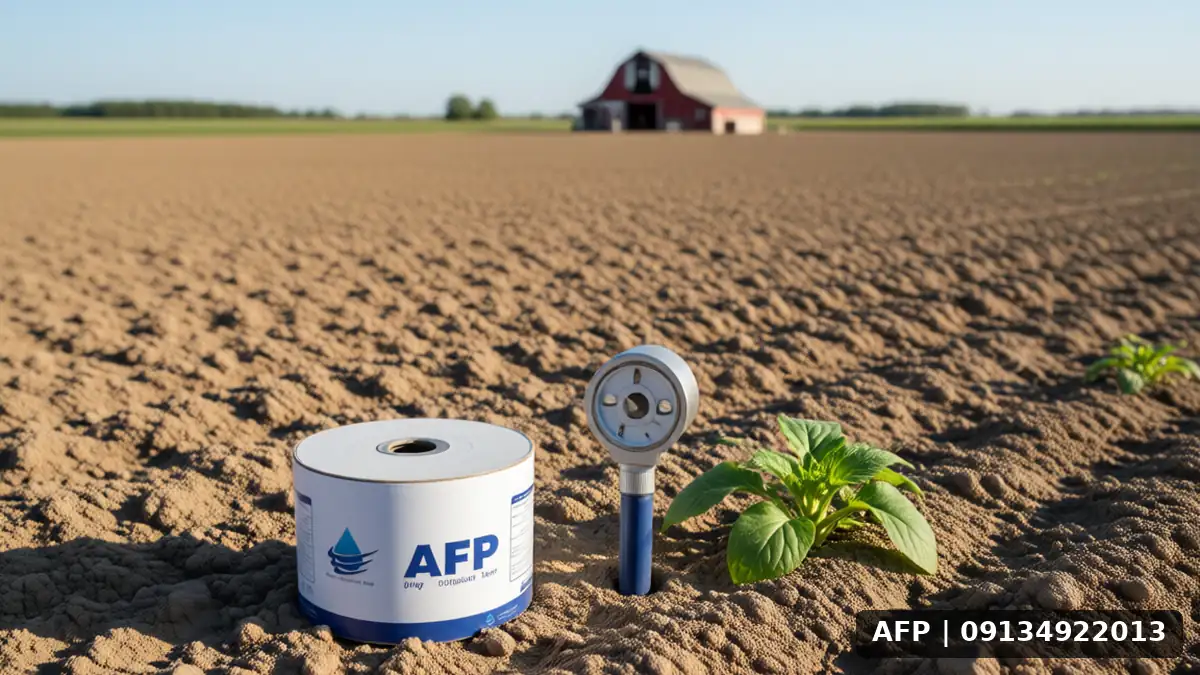
Irrigation duration depends on the drip tape flow rate, the plant’s daily water requirement, and soil texture. During early growth, two short irrigation sessions per day are generally better than one long session. The goal is to maintain consistent moisture, not to saturate the soil. Monitoring soil and air temperature also plays a significant role in adjusting the irrigation schedule.
Does moisture irrigation reduce fungal diseases?
Yes, because moisture is confined strictly to the root zone and under the drip line, the leaf surface and inter-row spaces remain drier. This condition reduces fungal growth, a significant advantage for textured vegetables like chard. Furthermore, lowering the relative humidity at the field level minimizes the risk of spreading leaf-affecting infections.
Conclusion: Forward-looking Vegetable Irrigation
Applying the principles of Moisture irrigation in chard cultivation and utilizing suitable drip lines is not just an option but a necessity for enhancing competitiveness and reducing water consumption. By adhering to standard row spacing, selecting the appropriate drip line type (sewn or tape) based on field needs, and continuously monitoring root-zone moisture, farmers can expect higher and higher-quality yields. Farmers are advised to consult relevant reference articles on irrigation equipment selection and vegetable harvest management in addition to reading this guide to gain a complete understanding of the production cycle. Combining knowledge with practical techniques is the key to success in growing high-value vegetables such as chard. The future of sustainable agriculture depends on precise resource management, of which moisture irrigation is a fundamental pillar.