Broadbean Seed Rate per Hectare: A Comprehensive Guide to Optimal Planting
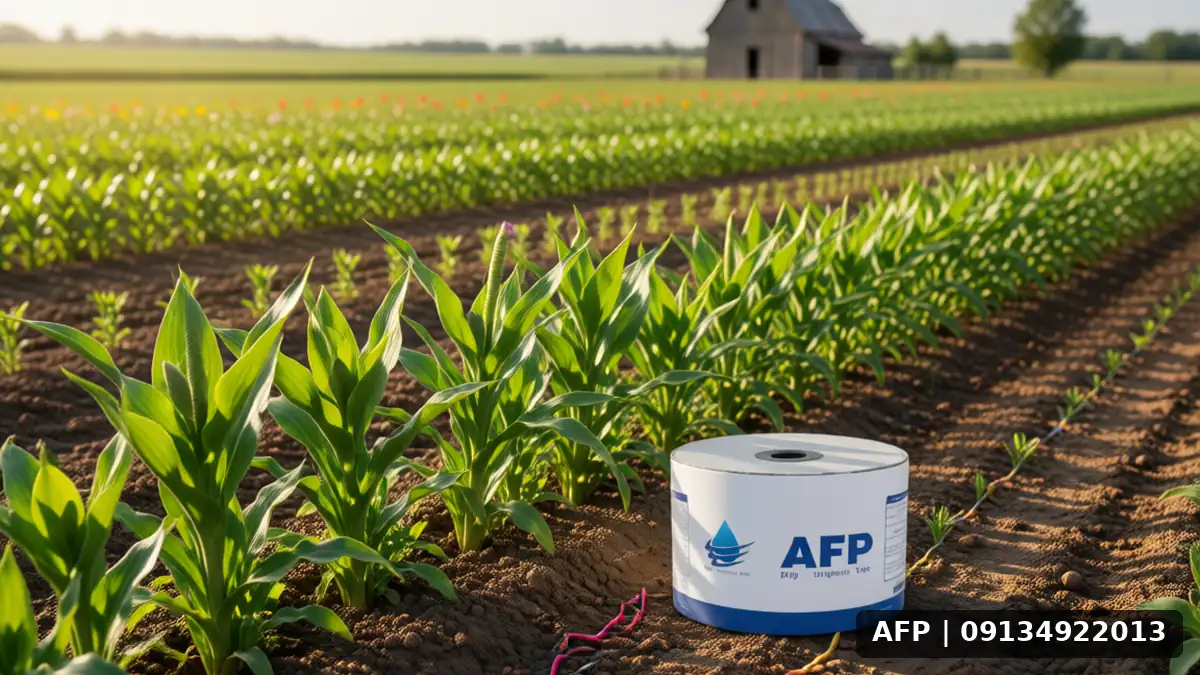
Introduction to the importance of knowing the chickpea seed rate per hectare
Chickpea cultivation is one of the economically significant crops in Iranian agriculture, valued both for livestock feed and human consumption. However, many farmers make errors when determining the chickpea seed rate per hectare for planting; they may sow at a density higher than optimal, leading to overcrowding, insufficient light, and reduced pod weight, or they may sow too sparsely, resulting in lower yield and profitability. In the following, we will provide a complete guide for accurately calculating this rate based on climate conditions and soil type.
Note that the seed rate does not depend solely on seed weight but also on row and bed spacing, regional climate conditions, and the irrigation system. Therefore, using drip or tape irrigation systems can play a pivotal role in optimizing water and seed consumption.
Official standards and common averages
Based on research documentation and practical experience, the standard chickpea seed rate for cultivation in fertile soils with suitable climate conditions is generally considered to be between 250 and 300 kilograms per hectare. However, this is not a fixed number but a range. If the seeds are large and fresh, the rate may be as low as 250 kilograms, whereas for smaller seeds or those with lower purity, the amount approaches 300 kilograms.
Impact of planting method (row vs. bed)
The planting method also affects seed usage. In ridge planting, which is recommended for drier regions and light soils, seed consumption is generally slightly higher to ensure complete soil surface coverage. In contrast, in row planting, which is more commonly done with drip irrigation, the spacing between plants can be managed more precisely, and seed costs can be reduced by staying close to the minimum allowable rate (about 250 kg) without causing a significant reduction in yield. To learn about the subtle technical differences in various planting methods, you can refer to the guide on Fava bean seed rate per hectare to receive more detailed information.
The role of drip and tape irrigation systems
One of the key factors in optimizing fava bean cultivation is choosing the right irrigation system. Fava beans are sensitive to uniform moisture, and severe moisture fluctuations can lead to pod splitting and reduced crop quality.
Why are drip and tape irrigation ideal for fava beans?
- Reduced evaporation: By delivering water directly to the root zone, water waste at the soil surface is prevented.
- Moisture Stability: These systems maintain moisture near field capacity at regular intervals.
- Denser Planting Potential: By ensuring uniform water supply, you can overcome concerns about overcrowding and manage denser planting within safe intervals.
If you plan to upgrade your farm irrigation infrastructure using a drip tape system, checking the cost of drip tape per hectare can help you estimate the required budget. This investment is generally recovered in subsequent seasons through reduced water consumption and increased yields.
Factors Influencing the Precise Determination of Seed Quantity
Before going to the field, you must review the following four key factors that directly affect the final calculation of kilograms of seed per hectare:
- Thousand grain weight: If your seed has a higher thousand grain weight, you must convert a larger seed volume to kilograms to ensure uniform sowing density.
- Seed purity: The purity percentage of purchased seed must always be accounted for in calculations. Seed containing impurities requires a higher sowing rate.
- Required plant count: The ultimate goal is to achieve a specific number of healthy plants per hectare. For example, if the target is 50,000 plants per hectare with a row spacing of 50 cm and an in-row plant spacing of 10 cm, it can be calculated using simple agronomy formulas.
- Soil conditions: In light and sandy soils, seeds should be sown deeper, which usually requires a wider spacing to prevent moisture deficiency at the surface.
To compare with other grain pulse crops, analyzing the broad bean seed rate per hectare along with influencing factors can provide valuable insight, as broad beans and green lentils belong to the grain pulse category but have different growth patterns and water consumption.
Practical and actionable tips for farms
During the planting stage, observing the following points is essential to achieve maximum efficiency:
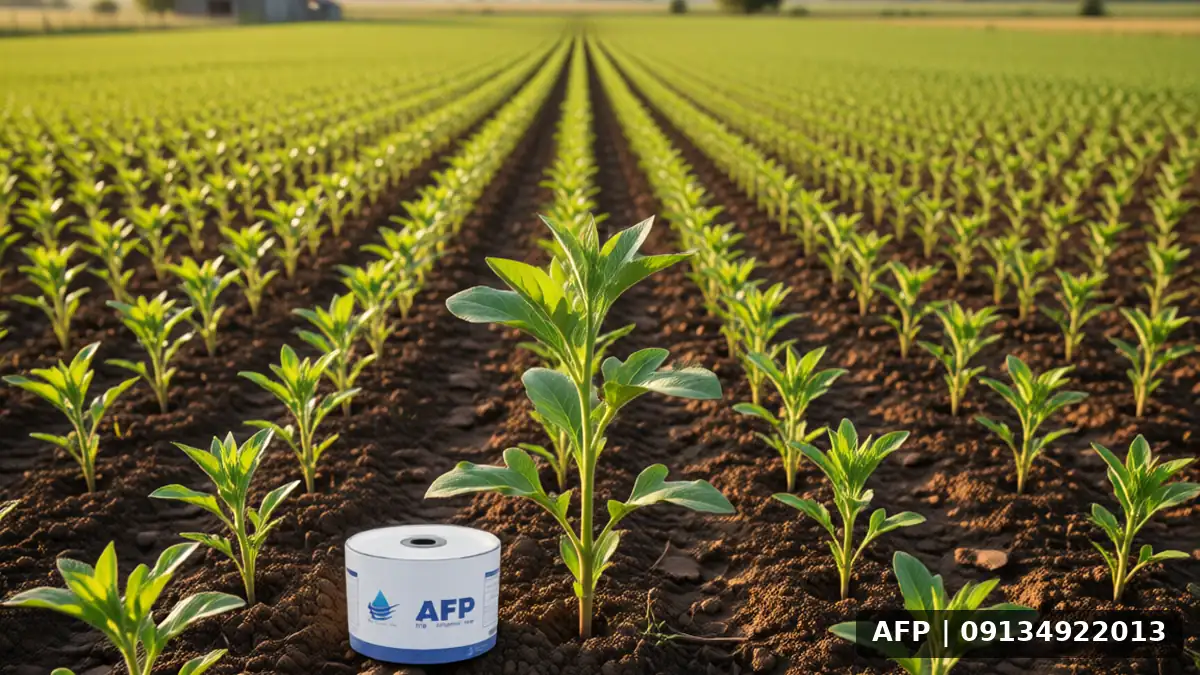
Seed preparation before planting
Dormancy in green lentil seeds is a common challenge. To break seed dormancy and accelerate germination, using mechanical methods (such as lightly rubbing the seed coat) or soaking seeds in water for 6 to 8 hours is recommended. This not only ensures uniform stand establishment but also increases the germination rate by up to 20% if sufficient moisture is available (provided by drip irrigation).
Row spacing management
The standard row spacing for green lentils is generally recommended to be between 40 and 50 cm. In tape system setups, the spacing between tape pipes should be adjusted so that it is positioned in the center of the row. To learn the correct principles for pipe layout and calculate associated costs, you can refer to the Drip Irrigation Principles page in Tarrif. This article provides a more detailed analysis of the algorithms for placing drippers.
Additionally, if your farm is in a region with higher humidity and you are planting in autumn, you may increase the seed rate toward the upper limit of the range (300 kg/ha) to compensate for potential losses due to early frost.
Frequently Asked Questions (FAQ)
Does the field pea seed rate per hectare vary among different cultivars?
Yes, local and improved cultivars have different seed weights. Improved cultivars are typically more uniform and require a more precise calculation of thousand-grain weight. Always review the seed technical data sheet for purity level and dormancy rate before purchasing.
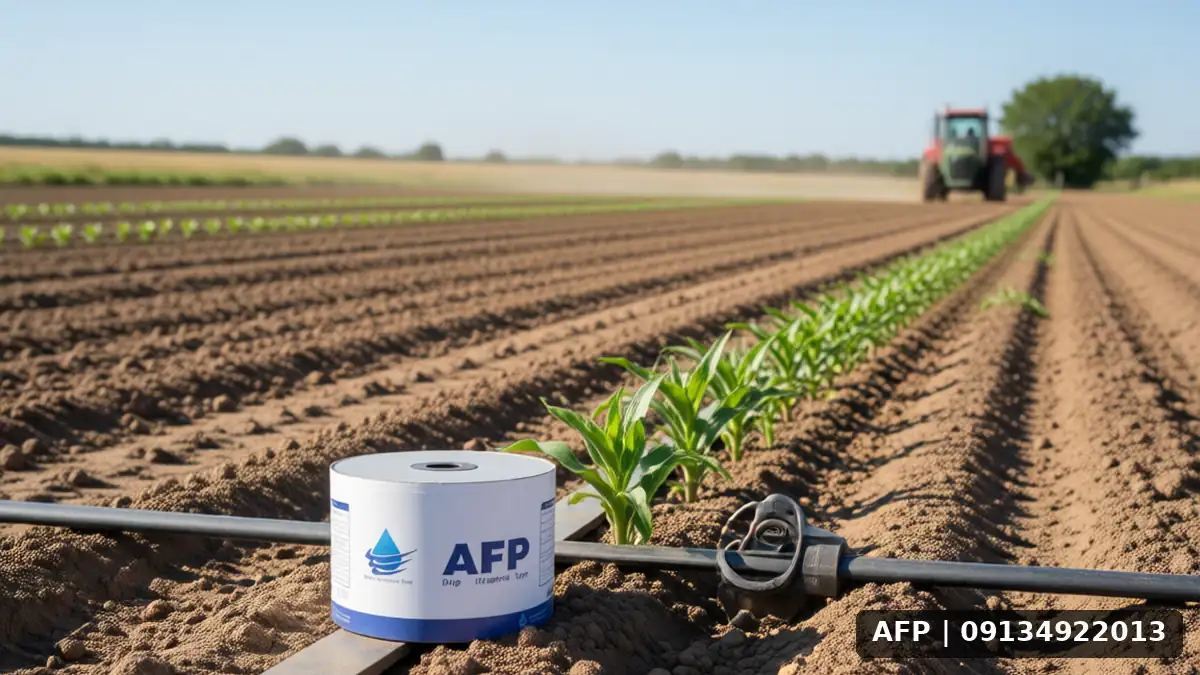
In drip irrigation systems, does the application rate of water affect seed usage?
Not directly, but indirectly yes. If your drip system has low efficiency, plants will experience moisture stress, requiring denser planting (higher seed usage) to compensate for stand losses. Therefore, proper maintenance of filters and emitters also helps reduce overall seed costs.
What is the optimal planting time for field peas in the temperate regions of Iran?
Typically from mid-March to early April. However, in regions with high autumn humidity, fall sowing is also common. This choice affects seed requirements; fall sowing generally requires a slightly higher seed amount due to variable climate conditions.
Summary and Final Recommendation
Related topics: na voy hoi navori tip, Mung bean seed rate per hectare + influencing factors, Drip irrigation tape D981D98A Tikrit