Comprehensive Guide to Melon Cultivation Using Drip Irrigation
Introduction to the Importance of Precise Water Management in Melon Cultivation
Melon is a warm-season crop that requires suitable environmental conditions and regular irrigation. The use of modern irrigation systems, such as drip and subsurface line, helps farmers not only reduce water consumption but also improve fruit quality and weight through the uniform distribution of water and nutrients. In this section, we explain the basic principles needed for successful melon cultivation with drip irrigation Additionally, to better understand how to improve yields in other crops, you can refer to the article on watermelon yield per hectare to gain a comprehensive view of this crop’s potential.
Seed Selection and Soil Preparation
Success in melon planting begins with selecting high-quality seeds. Varieties resistant to Fusarium wilt and root rot are the best choice for drip irrigation systems. Before planting, the soil must be thoroughly plowed and cleared of weeds. Adjusting the soil pH to the range of 6.0 to 6.8 is critical for better nutrient uptake. At this stage, determining the appropriate planting density is also very important. For information on seed density comparison in other crops such as barley, you can refer to the guide on Mallow seed rate per hectare Consult the relevant guideline. Although the formulation differs for melon, the concept of thinning is similar.
Installation of drip and drip tape systems
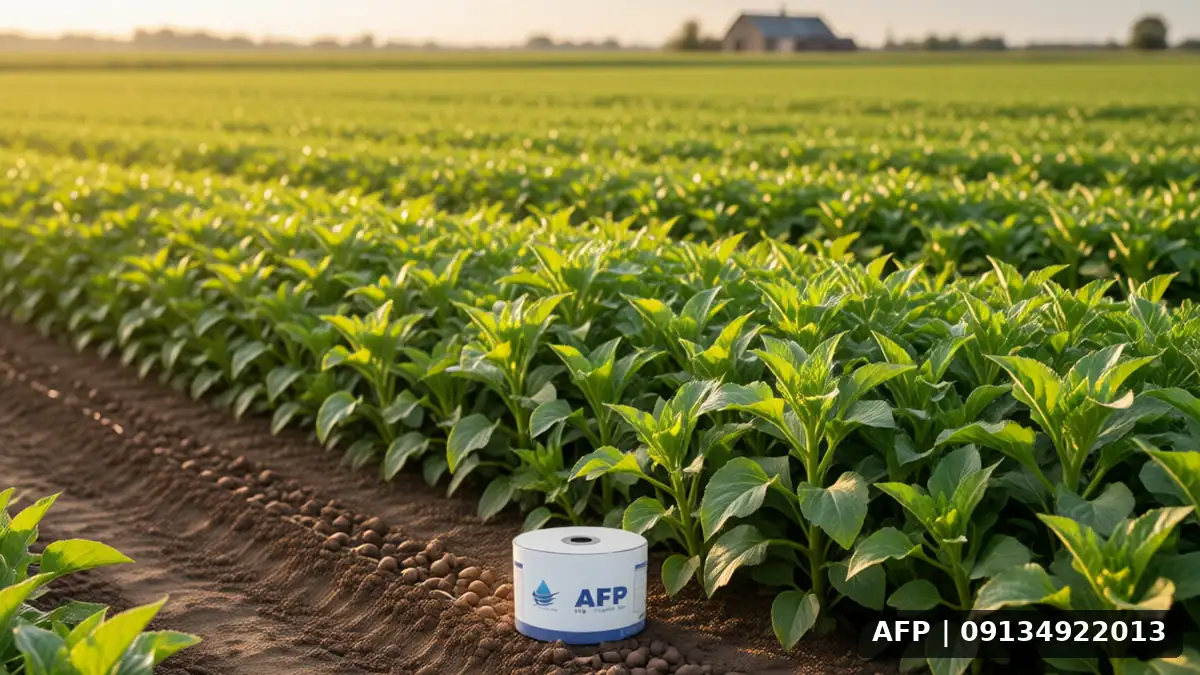
Drip tape (Drip Tape) is a popular option for melon cultivation due to its high flexibility and lower cost compared to permanent drip hoses. Drip tapes must be placed directly under the planting rows. Emitter spacing is typically 20 cm, ensuring adequate water access for each melon plant. [[ [IMAGE_1] ]] This schematic diagram illustrates the connection of the drip tape to the mainline and the pressure distribution. Ensure the system operates within a pressure range of 1 to 1.5 bar to prevent damage to sensitive melon roots. For a better comparative understanding with other root crops that use similar systems, you can refer to the potato drip tape guide, as pressure and flow principles are largely shared between both crops.
Melon irrigation schedule: Timing and flow rate
Managing melon irrigation requires high precision, as the crop has varying needs at different growth stages. During the vegetative stage, melons require more water to establish their root system. During the fruiting stage, particularly as flowers turn into fruits, water deficiency can cause fruit cracking or stunted growth. However, at the end of the cycle, reducing irrigation improves fruit quality.
- Weeks 1 to 3: Light, frequent irrigation (every 2 days).
- Week 4 to the onset of fruit set: Increase irrigation volume (daily or every 1.5 days).
- During fruit swelling: Regular but controlled irrigation to prevent fruit hollowing.
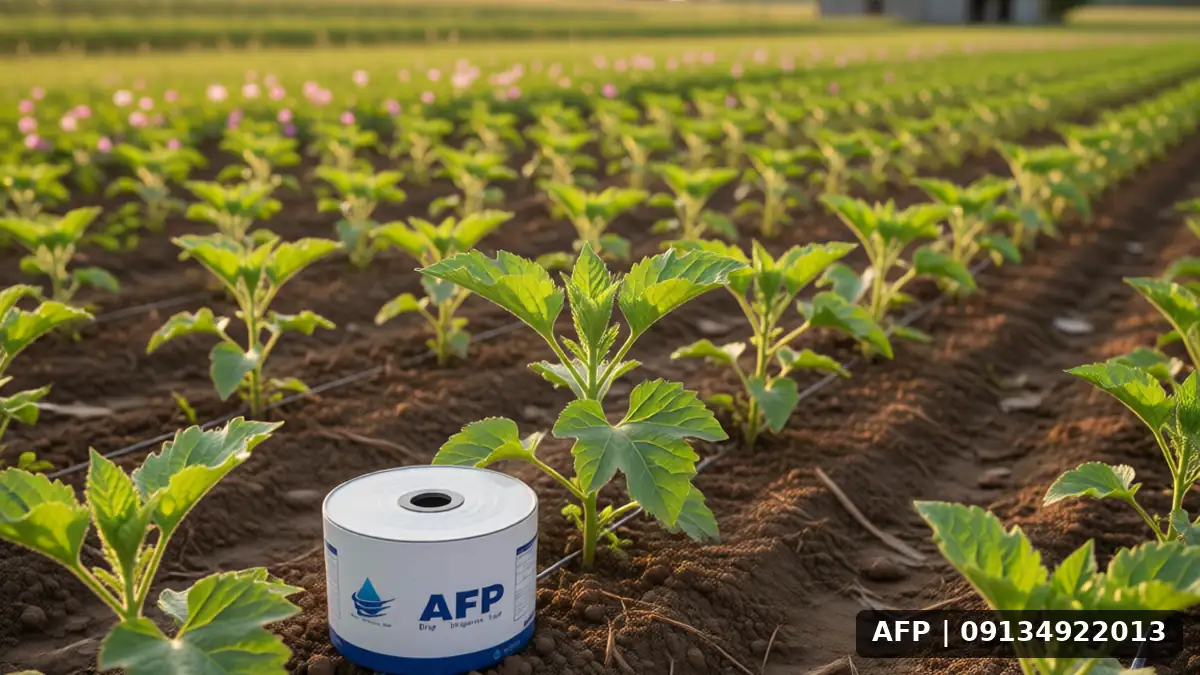
The flow rate of drip tape is typically 2 liters per hour. Assuming each melon plant requires approximately 5 to 10 liters of water per day (depending on temperature and substrate), calculate the irrigation duration. [[ [IMAGE_2] ]] This image illustrates the irrigation requirements for melon during the warm months of the year. For comparison with other crops exhibiting similar sensitivity to drought stress, consult the guide Factors affecting sugar yield per hectare which may provide insights into water stress management in other industrial crops.
Fertilization and Plant Nutrition via Irrigation Systems
One of the biggest advantages of drip irrigation is the ability for precise fertilization (Fertigation). In melon cultivation, balancing nitrogen, phosphorus, and potassium is critical. Excessive nitrogen causes excessive vegetative growth but reduces fruit production. Therefore, the fertilization schedule must be adjusted based on soil analysis. Typically, high-nitrogen fertilizers are used during the vegetative stage, and high-potassium fertilizers are used during the fruiting stage. Adding micro-nutrients (such as manganese and iron) to the irrigation system addresses micronutrient deficiencies. If you are growing other vegetables like pepper, which are sensitive to drip fertigation, simultaneously, you can use the tips Pepper Yield Guide per Hectare since the nutritional principles for these two crops overlap significantly in the later stages of planting.
Post-Planting Care and Pest Control
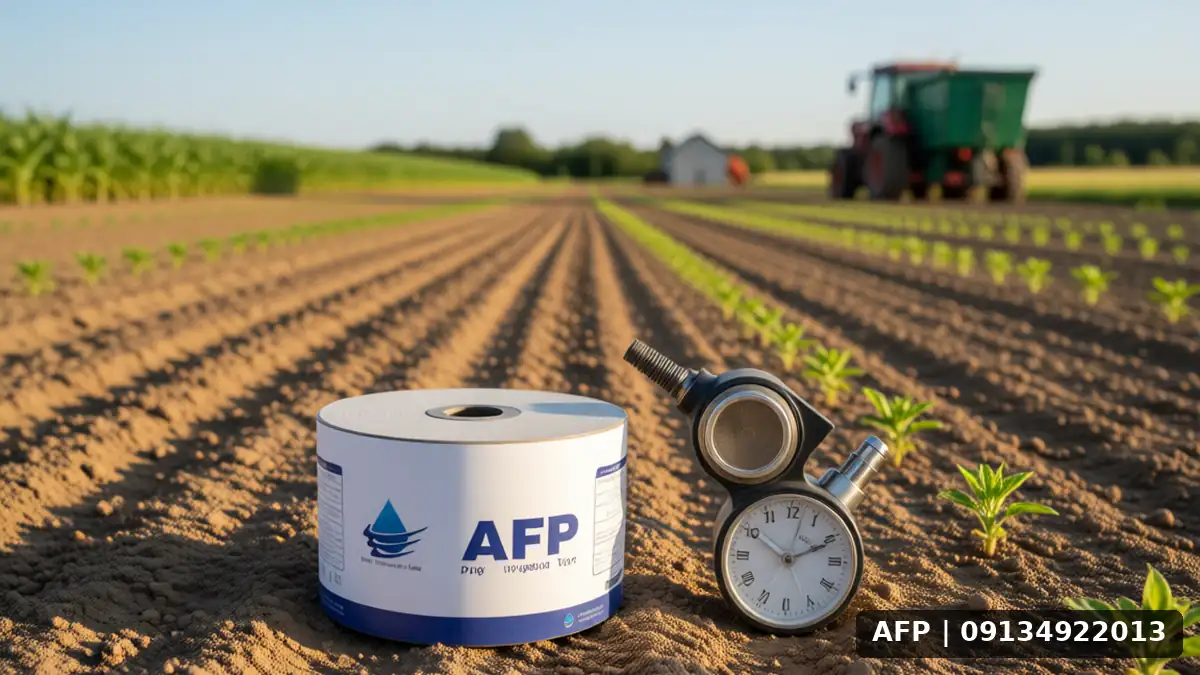
Melon is sensitive to leaf-eating pests and aphid attacks. Since drip lines keep the soil moist, humidity around the plant base can attract fungi. Therefore, using plastic mulch is essential for controlling weeds, reducing evaporation, and keeping the plant base dry. Additionally, shallow surface tillage around the plants for soil aeration is recommended. Regular monitoring of roots to detect signs of soil-borne diseases like Fusarium and Phytophthora is very important. If yellow spots are observed on leaves, ensure proper irrigation management and air ventilation before using chemical pesticides. [[ [IMAGE_3] ]] This image shows symptoms of a disease associated with water deficiency or root infection. For more knowledge about root management in root crops, you can read the article Clover Harvest Rate per Hectare which addresses root health and environmental factors.
Frequently Asked Questions (FAQ)
1. What is the best time for planting melons with drip irrigation?
Depending on the region, it is usually done in late spring (late May) when the risk of frost has passed and night temperatures are above 15°C. This ensures that the plant is free from cold stress at the root zone.
2. Can a 2-meter drip tape be used for melons?
Yes, but the plant spacing must be coordinated with the tape length. If the plants are spaced more than 4 meters apart, it is better to use a 4-meter tape or a combination of two tapes to ensure complete root coverage.
3. How can I prevent drip tape from clogging?
Using 5 to 10 percent chlorine for flushing the line at the end of the season, and also using a 100-mesh filter, are the best solutions. Additionally, never leave the system empty; always drain it with appropriate pressure.
4. What are the differences between drip irrigation and sprinkler irrigation in melon cultivation?
Drip irrigation reduces leaf diseases (since leaves remain dry) and saves 40 to 60 percent of water. In contrast, sprinkler irrigation causes soil erosion and nutrient loss.
Conclusion and Final Notes
Planting melons with drip and tape irrigation is a smart investment for increasing yield and reducing costs. By adhering to proper spacing principles, precise irrigation scheduling, and appropriate nutrition, you can achieve maximum performance. Do not forget that continuous monitoring of soil and plants is the key to success. If you are looking to further optimize your garden or farm, studying related articles about crops with similar water requirements, such as the comprehensive guide to planting Cherokee Purple tomatoes, can provide additional insights into moisture management and vining plant growth. Always use credible sources and local consultants to fine-tune your fertilization and irrigation program based on your specific climatic conditions. Success in this crop results from attention to detail.