Comprehensive Guide to Faba Bean Cultivation Using Drip and Tefnol Tape Irrigation Systems
Why is drip irrigation essential for fava bean?
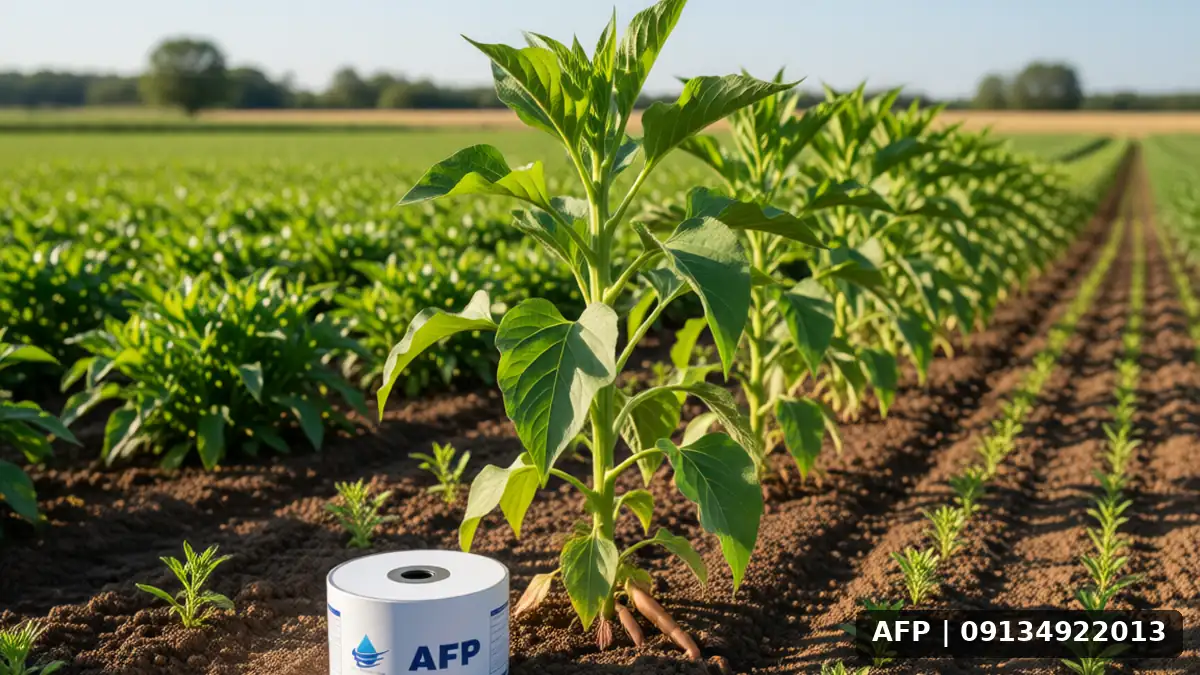
Fava beans, being sensitive to moisture fluctuations, require precise water resource management. Using drip irrigation and tape systems not only reduces evaporation losses and deep percolation beyond the root zone but also keeps roots in a stable moist zone, allowing the plant to direct its energy toward stem and leaf growth. This method delivers water pre-moistly and continuously to fava bean roots, preventing surface salinity. For an optimized start, understanding the irrigation depth difference between 15 and 20 mm tapes is crucial. Adopting these technologies in legume cropping directly improves water efficiency and final crop quality, potentially significantly reducing long-term operational costs.
- Reduces water consumption by up to 30% compared to flood irrigation.
- Prevents stem base rot caused by frequent waterlogging.
- Increases uniformity of rooting along the crop row.
Impact of drip systems on fava bean forage quality
One of the main challenges in fava bean cultivation using traditional methods is stem lodging and stunted growth due to moisture unevenness. With tape systems, moisture is uniformly distributed at depths of 10 to 15 cm. This phenomenon encourages stronger secondary root growth, making the plant more resistant to environmental stress. Additionally, precise soil salinity control via drip irrigation prevents salt accumulation in lower leaf zones, which directly affects marketable quality. Given that fava beans thrive in optimal moisture conditions, flow rate adjustment at various points on the tape line must be done carefully to prevent soil oversaturation. Regular monitoring of natural rainfall and aligning it with the drip irrigation schedule is another key benefit of this system, leading to further water savings.
To select the appropriate tape, refer to the comprehensive guide How to select suitable drip tape It is recommended to ensure alignment between emitter spacing and planting density. This choice not only affects initial costs but also plays a significant role in tape lifespan and plant rooting quality in subsequent seasons.
Operational steps for fava bean planting with tape
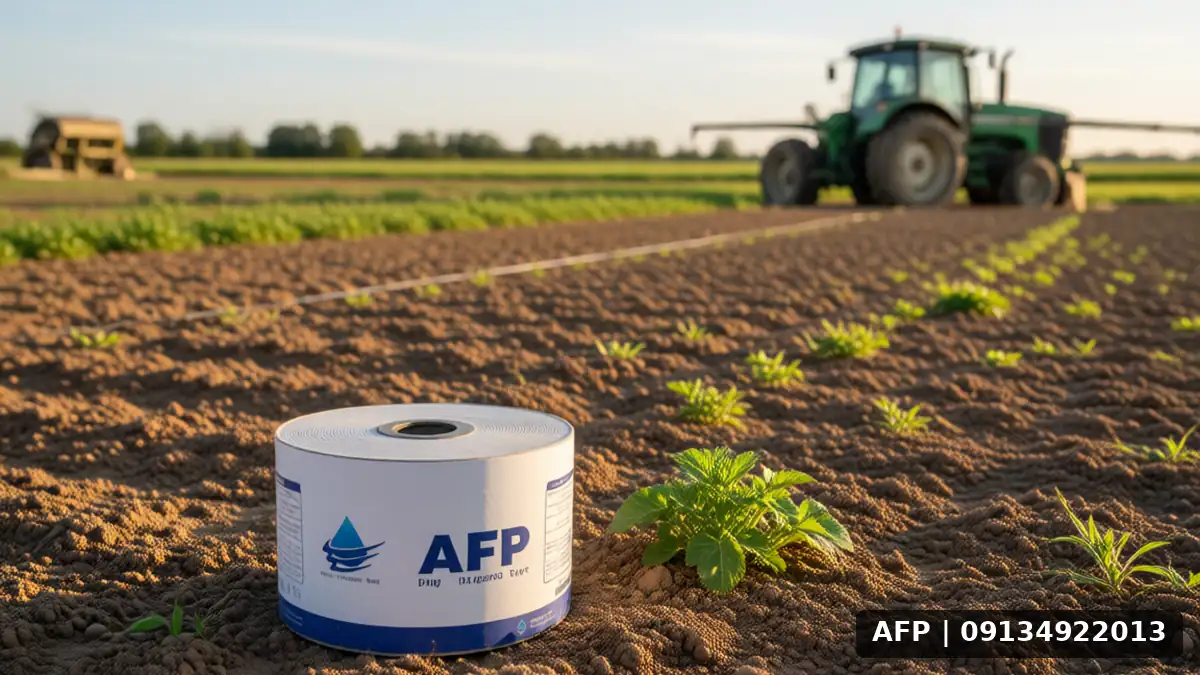
Success in drip irrigation for fava beans begins with bed preparation. The soil surface must be precisely compacted to prevent tape displacement or obstruction during seedling emergence. The vertical distance of the tape from the seeding line is one of the most critical parameters. If the distance is less than 5 cm, the physical damage risk to the tape by the seeder increases; however, if it exceeds 10 cm, moisture is not accessible to initial roots. Maintaining this ideal distance ensures that new plant roots are in direct contact with the first water droplets. Furthermore, using beds with high permeability improves tape performance and prevents surface water accumulation.
Correct tape installation before sowing
- Complete cleaning of the furrow and planting ditch from gravel and infected roots.
- Laying the tape with gentle tension to avoid wrinkles or twists.
- Verifying connection points and temporarily closing tape ends.
- Plant seeds at a distance of 15 to 20 cm from the tape line (the tape is usually installed in the center or at the edge of the row).
Pay attention to drip tape quality before purchase. To learn about competitive price ranges and compare different brands, you can review the 20 cm drip tape prices in Iran guide. These comparisons help farmers control costs by selecting appropriate tape thickness and quality, while preventing mid-season failures. Tape quality depends on the pipe’s resistance to pressure and chemicals used in fertigation.
Broad bean irrigation schedule with drip system
The irrigation schedule for broad beans depends on ambient temperature, soil type, and growth stage. The total water requirement for green broad beans is usually between 300 and 450 millimeters, which should be distributed across different stages. Due to high efficiency, drip systems require fewer but more precise irrigation cycles. Understanding these stage-specific needs and adjusting pump and valve timing accordingly is key to achieving high yields and uniform crop performance across the entire field. Mismatching irrigation timing with actual plant needs can lead to root stress and reduced dry weight.
During warm seasons, irrigation intervals should be shortened progressively. Additionally, drip irrigation for fava beans during cold nights must be performed with caution to prevent promoting foliar fungal diseases. Proper management of pressure and flow rate in the drip line is crucial for ensuring uniform irrigation along the row. Installing flow sensors at various field locations can significantly help identify blockages and water distribution inconsistencies. Furthermore, recording air temperature and bed relative humidity facilitates dynamic adjustment of the irrigation schedule.
Pre-harvest irrigation management
Reducing soil moisture one week before fava bean harvest helps stalks become firmer and attain a darker green color. Continuing heavy irrigation before cutting causes stalk softness and reduces post-harvest shelf life. To better understand the impact of seed changes and density on final performance, the article White button mushroom yield per hectare can provide complementary perspectives on comparing legume and leafy vegetable yields. This comparison helps rural farmers make better decisions on allocating water and labor resources by understanding each crop’s potential. Appropriate management of final irrigation directly affects product storage and transportation coefficients.
Additional tips and stress management
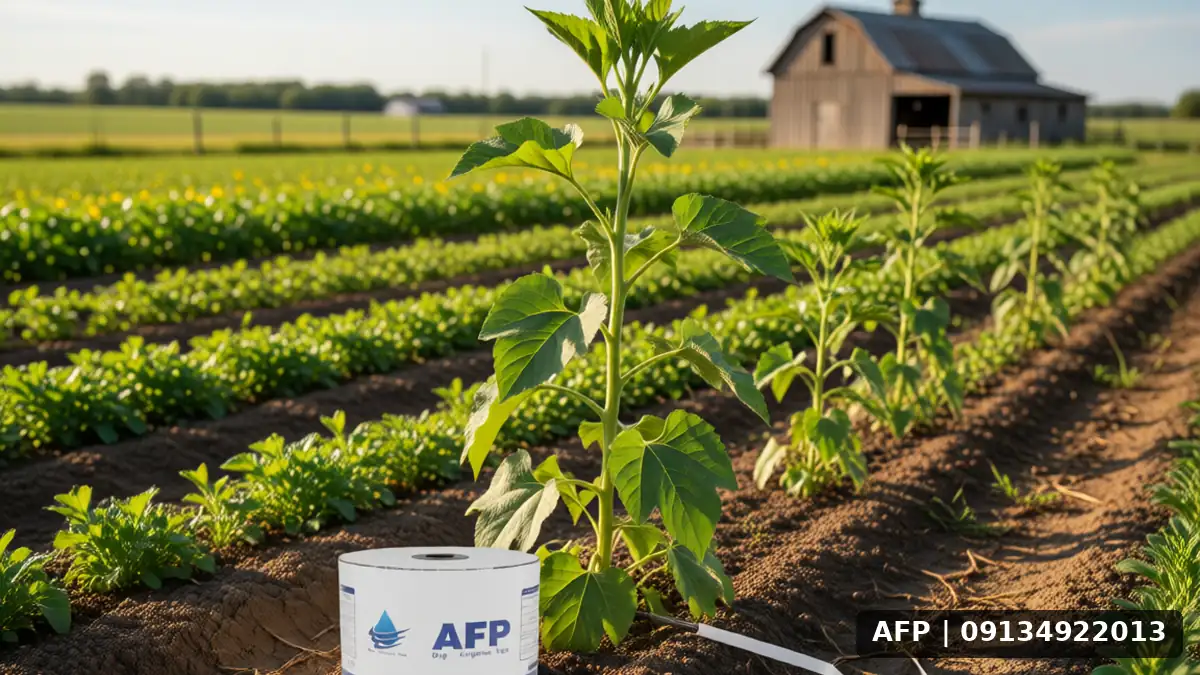
Drip irrigation is not only for moisture; it is the primary tool for fertigation in fava beans. Gradually adding nitrogenous fertilizers to the drip irrigation water can prevent nitrogen deficiency shock in nutrient-poor soils. However, a critical point is salinity stability in the root zone. If the soil is already saline, using drip lines with lower emitter spacing (e.g., 16 mm) increases local salinity; therefore, lines with wider emitter spacing or a higher density of emitters should be selected. Additionally, regular leaching of the bed with freshwater is another necessity in managing drip systems to prevent salinity accumulation throughout the season.
- Installing pressure gauges at the ends of drip line rows.
- Cleaning filters before each irrigation to prevent clogging.
- Weekly monitoring of leaks at connections and rapid repair of damages.
For other crops that may be included in your crop rotation, such as clover, understanding optimal seed density is helpful. The guide on clover seed per hectare for farmers can help plan crop rotation and soil nitrogen balance for subsequent seasons of your fava beans. Also, familiarity with crops like radish helps better understand field requirements. The article on Tips before purchasing irrigation drip lines You can review them to select more suitable equipment. These supplementary articles provide a comprehensive view of farm resource management.
Frequently Asked Questions (FAQ)
Does fava bean perform better with drip irrigation in sandy soils?
Yes, in sandy soils, a tape line with higher emitter density and a spacing of 15 to 20 cm is recommended to prevent moisture from escaping the root zone. Irrigation should be frequent but short.
When is the best time to turn on the pump for fava bean?
From midnight to just before sunrise, when evaporation is lowest. On very hot days, night irrigation is essential to reduce plant heat stress.
Can tape line be installed in heavy soils?
Yes, but it requires greater bed compaction and the use of pipes with lower flow emitters to prevent the tape from becoming lost in the dense root system.
Conclusion and Final Recommendations
Planting fava bean with drip irrigation and tape line is a smart investment for reducing operational costs and improving crop quality. Success lies in three key principles: precise bed preparation, correct adjustment of tape line distance from the planting row, and continuous monitoring of system pressure. By following these principles, you can enjoy tender, green, and high-yielding fava beans. To further optimize and increase yield per hectare, study the factors affecting plant performance of leafy vegetables and legumes, such as the article on Pepper Yield Per Hectare can also apply concepts related to rooting and nutrition to other agricultural processes. This multi-disciplinary approach helps farmers better understand the relationship between rooting and nutrition, enabling them to achieve optimal performance.