Cost of Dill Cultivation with Drip Line per Hectare
Introduction: The Importance of Optimizing Production Costs
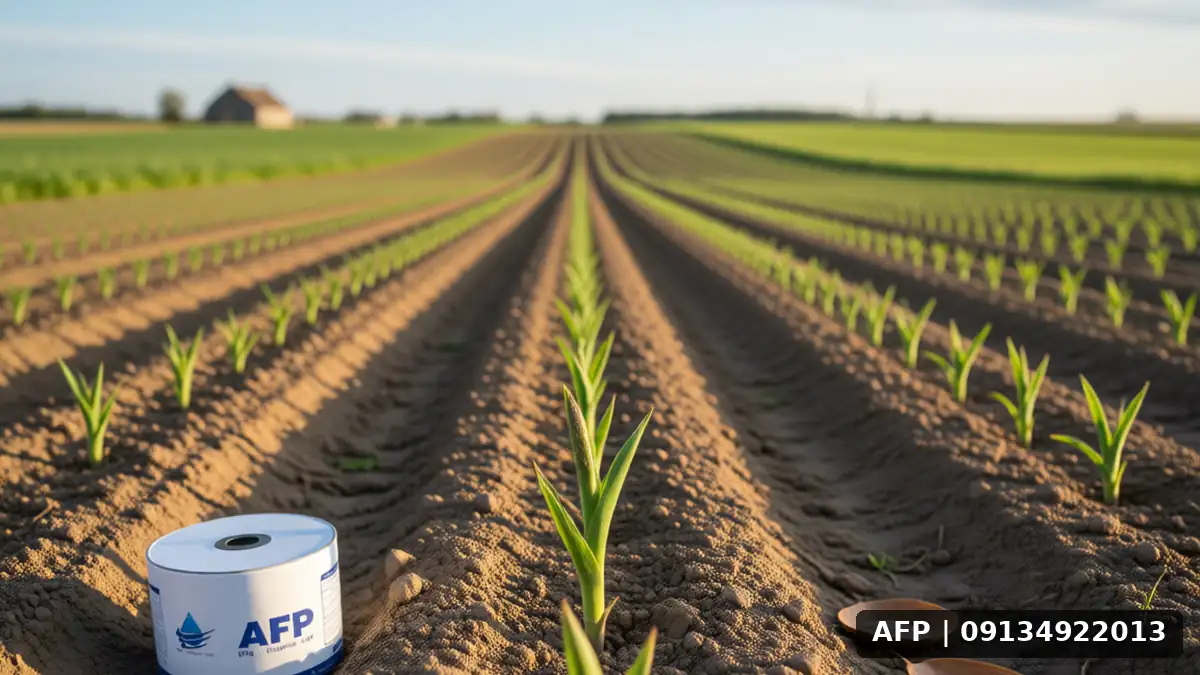
Asparagus farming, as one of the high economic value products, requires precise and optimal resource management. This product has relatively high production costs due to its slow growth and the need for special attention in different growth stages. The use of modern irrigation systems such as Tape and Drip can significantly reduce water consumption, prevent surface soil compaction, and increase effective yield. But to succeed in this path, a clear understanding of production costs per hectare and how these costs are distributed throughout the growing period is essential.
In this article, we will comprehensively and practically review the costs of asparagus farming with tape systems per hectare. This guide will be useful for farmers, gardeners, and even agricultural sector investors who need accurate information to make their financial and operational decisions.
Factors Affecting the Calculation of Production Costs per Hectare
Calculating the production cost per hectare is a complex process involving numerous variables. To better understand this topic, we first examine the broadest influencing factors. These factors can be classified into two main categories: direct and indirect. Additionally, environmental and climatic factors, such as soil type, rainfall, and temperature, play a significant role in determining resource consumption intensity and, consequently, costs. In this section, we discuss each of these factors in detail to provide a general framework for financial analysis.
Direct production costs
Direct costs include items immediately associated with crop cultivation. These costs cover seeds, pesticides, chemical fertilizers, and mechanized operation expenses. In asparagus cultivation, seed cost is a primary determining factor. Asparagus is typically grown via cuttings, but seed use is necessary for producing cuttings. For more information on the amount of asparagus seed per hectare and planting methods, you can refer to specialized resources. Considering the quality of seeds and cuttings significantly impacts final yield and, consequently, production costs. High-quality cuttings grow faster and reduce the need for extended maintenance periods. Additionally, costs associated with preparing and readying planting beds, particularly in cases where soil requires deep amendment, fall under this category.
Indirect costs
Indirect costs include fixed expenses such as equipment depreciation, land rent, insurance, and administrative costs. Although this category may be less visible, it constitutes a significant portion of the total cost of production. For example, if irrigation equipment is used across multiple land plots, repair and maintenance costs should be apportioned based on each plot’s share. Administrative costs also include employee wages, communication expenses, and costs associated with sales and distribution. Understanding these costs and allocating them correctly to the product helps improve calculation accuracy and financial decision-making. Additionally, renting or purchasing land, particularly in regions with suitable climatic conditions for cabbage, can represent a considerable expense.
The following section provides a closer look at specific costs associated with irrigation systems and their impact on total production costs.
Specific costs associated with drip tape and drip irrigation systems
For farmers and orchardists intending to use modern irrigation systems, understanding the specific costs of these systems is of high importance. Drip tape and drip systems, in addition to conserving water, also help prevent weed growth, thereby reducing the need for herbicides. Collectively, these factors lead to lower operational costs and increased efficiency. However, the initial setup costs for these systems can be significant, requiring a detailed cost analysis.
Installation and setup costs for drip tape
Drip tape is a cost-effective irrigation system for many crops. Installation costs include the purchase of drip tape, pumping equipment, filtration, and control systems. Based on conducted research, Types of drip irrigation tape They vary based on the diameter and emitter spacing. Selecting the appropriate tape type can impact the final cost. Tapes with larger diameters and shorter emitter spacing are generally more suitable for high-water-demand crops such as broccoli. Additionally, the spacing between tapes and soil depth affect soil cultivation and bed preparation costs.
Compared to other irrigation methods, the maintenance cost of drip tape is usually lower. Due to its simple structure, this system can be more economical in the long term. For the cultivation of other crops like rye, which requires special care, Rye yield per hectare and its irrigation conditions serve as a suitable case for comparative study. Comparing the irrigation costs of different crops helps better understand the added value that modern systems create for each crop.
Practical tips for reducing costs and increasing efficiency
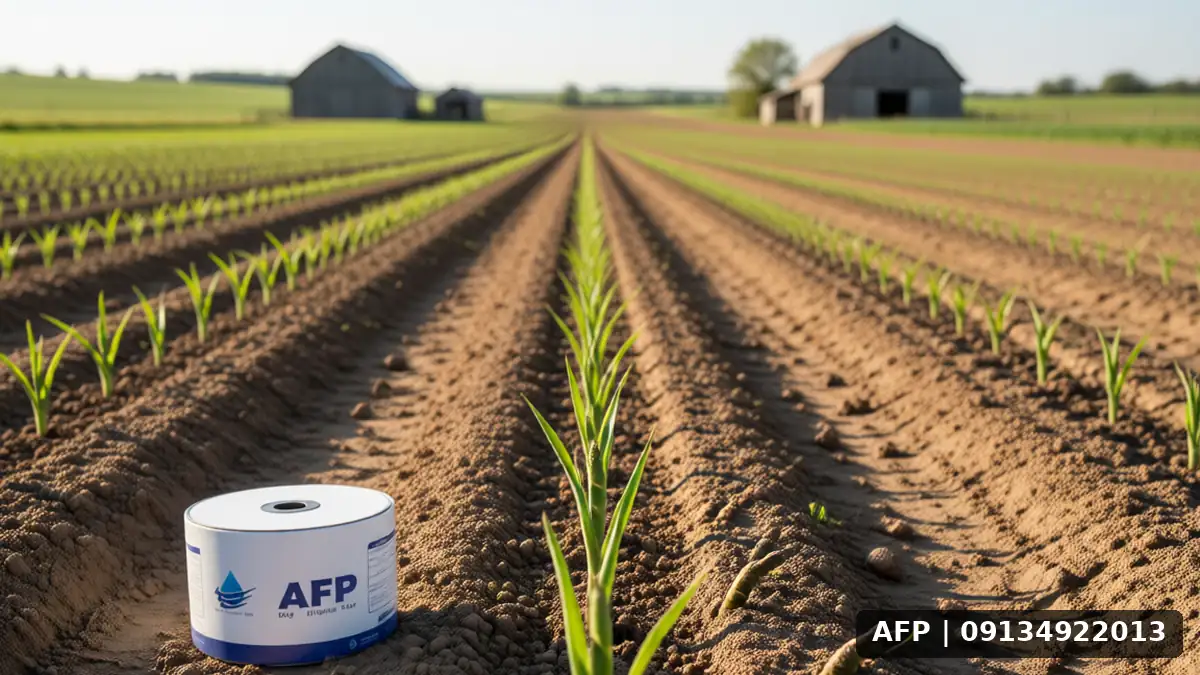
Proper crop implementation and the correct use of irrigation systems can lead to significant cost savings and increased crop yield. This section introduces practical strategies to achieve these goals.
Optimal irrigation management
- Appropriate irrigation timing: Irrigating in the early morning or late evening reduces evaporation and improves root uptake. This approach is especially beneficial in hot and arid regions, leading to the conservation of water and energy.
- Soil moisture monitoring: Using moisture sensors prevents over-irrigation and reduces pumping and energy costs. Regular monitoring of soil moisture helps optimize both the volume and timing of irrigation.
- Nutritional balance: An appropriate combination of chemical and organic fertilizers reduces water demand. Balanced nutrition promotes optimal plant growth and decreases water stress.
For melon production, the seed rate per hectare and the planting method also influence the performance of the irrigation system. Therefore, integrating sound planting and irrigation principles is essential. For broccoli, the inter-row and intra-row spacings must be carefully adjusted to ensure optimal performance of the drip system. Additionally, proper application of mulch to the bed cover helps retain soil moisture and reduce irrigation requirements.
Preventive maintenance and repair of systems
- Regular inspection of filters and washing when necessary
- Inspecting drip tape lines for holes or blockages
- Cleaning the control system and valves
- Scheduling preventive maintenance
The cost of preventive maintenance is usually far less than that of emergency repairs and extends the system’s useful life. A regular maintenance program helps prevent sudden breakdowns and system operation stoppages. Additionally, training personnel responsible for the irrigation system improves the quality and accuracy of maintenance operations.
Frequently Asked Questions
What is the initial cost required to install a drip tape system on one hectare?
The initial cost includes the drip tape, pump, filter, electrical panel, and control system. This amount varies depending on the brand and quality of the equipment. It is recommended to budget sufficient funds for high-quality equipment, as low quality can lead to increased long-term replacement and repair costs. Additionally, installation and commissioning costs must be calculated separately.
Is using a drip tape system cost-effective compared to conventional methods?
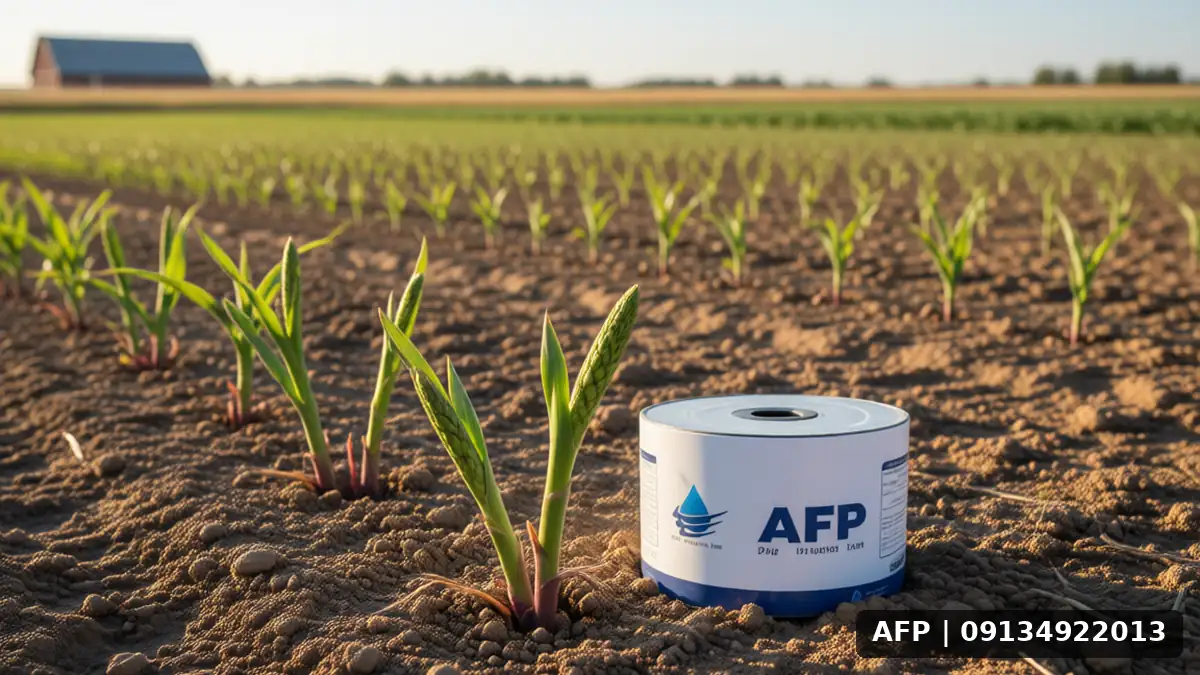
Yes, in most cases, drip tape systems provide significant savings in water consumption, energy costs, and labor. These savings can lead to a return on investment within 2 to 5 years. Additionally, reduced need for weeding and improved soil quality are other benefits that should be considered in the cost analysis.
What factors affect leek yield per hectare?
Several factors affect leek yield, including seed type, soil conditions, planting method, irrigation volume and timing, and nutrient management. You can also compare leek performance with other crops, such as Factors for increasing garlic yield per hectare Please review this. This comparison helps in better understanding the preferred climatic and soil conditions for different crops.
Is drip irrigation feasible in arid regions?
Yes, even in arid regions, drip irrigation systems can effectively meet plant water needs with precise planning and optimized water resource use. Continuous soil moisture monitoring and adjusting irrigation frequency are key to success in water-scarce areas. Additionally, using mulch and cover crops helps conserve soil moisture and reduce irrigation requirements.
Conclusion and Final Recommendations
Managing the costs of asparagus cultivation using drip irrigation requires a comprehensive and long-term approach. While the initial investment in modern irrigation systems is high in the short term, it ensures return on investment in the long run through water savings, increased yields, and reduced operational costs. Farmers and growers who understand correct design and implementation principles can achieve higher efficiency and greater profitability. It is always recommended to consult an irrigation and cultivation specialist to select the optimal combination of systems and methods based on specific land and climatic conditions. Furthermore, continuous monitoring and performance evaluation help identify strengths and weaknesses for further optimization. Finally, utilizing up-to-date data and modern methods in crop management supports achieving economic and environmental goals.