Technical Specifications of 20 cm Flat Lay Drip Line (1000 m Roll): Selection Guide
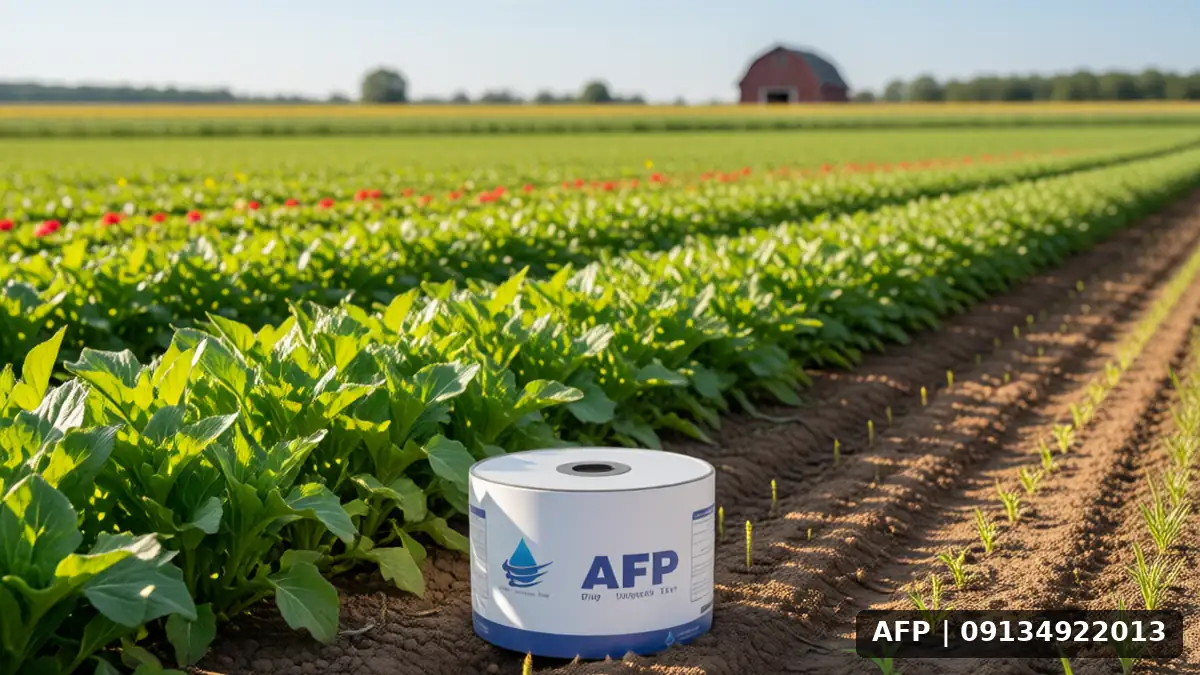
Introduction to the Importance of Drip Tape in Modern Irrigation Systems
In modern agriculture, optimizing water consumption and increasing land productivity are two key priorities for all orchardists and farmers. One of the most effective technologies designed to achieve these goals is the line-drip system, or simply drip tape. Due to its uniform water distribution at the soil surface and reduced evaporation, this system has become very popular for row crops such as potatoes, corn, greenhouse vegetables, and even certain leafy greens. Among the various sizes of drip tape, the 20 cm size, supplied in 1,000 m rolls, is considered a practical and economical option for covering standard agricultural row spacings.
Correct Selection 20 cm Drip Tape in 1000 m Rolls Selection depends not only on price, but on a set of technical factors, including polymer material quality, UV layer thickness, emitter spacing, and pressure resistance. In this article, we introduce you to all technical aspects of this product so that you can confidently make a durable and cost-effective purchase for the coming years.
Technical Specifications of 20 cm Drip Tape
To fully understand the differences between types of drip tape, we must examine the technical details. The 20 cm tape is generally recommended for row spacings between 60 and 120 cm, but its optimal performance depends on the internal design of the tape and the type of emitters used.
Material Quality and UV Resistance
The most important factor in the lifespan of a dripper line is its resistance to open-air exposure and solar radiation. High-quality dripper lines are made from premium polyethylene (PE) with an appropriate percentage of antioxidants. Low-quality lines made from poor recycled materials become brittle and crumble after one season of sun exposure. When purchasing, always check the label for UV Stabilized on the roll.
Thickness and mechanical resistance
20 cm dripper lines are available in various thicknesses, but the standard thickness for general use is 1.5 to 2 mm. Thinner walls reduce the price but significantly decrease resistance to lateral pressures and physical damage (such as being torn by animals or tools). For greenhouse halls with more enclosed spaces, thinner walls are acceptable, but for open-field farms, greater thickness is preferred.
Dripper spacing and flow rate
One of the key features of a dripper line is the spacing of the drip nozzles. The common spacing is 20 to 30 cm. The flow rate of each dripper can range from 2 to 4 liters per hour. Flow rate selection should align with the plant’s water needs and soil type. For clay soils with lower permeability, a lower flow rate with a higher number of drippers is recommended to allow water time to infiltrate. For most crops, research Barley and wheat yield per hectare can help estimate water requirements based on the expected tonnage.
Specialized inspections before purchasing 1,000-meter rolls
1,000-meter rolls are an ideal option for large-scale farms due to reduced transportation and packaging costs, as well as fewer connections during cultivation. However, before finalizing your selection, several subtle technical points must be reviewed.
Adhesion quality of the tape to the main hose
Connecting the drip tape to the high-pressure hose (mainline) is always the most challenging part of the installation. High-quality tapes have uniform edges and a lint-free surface, ensuring that connections (such as clamps or specific T-fittings) remain secure. If the drip tape is of poor quality, sudden tension at connection points may cause the fittings to detach and lead to water leakage.
Durability against momentary pressure
Drip irrigation systems operate under varying pressures. 20-centimeter tapes must be able to withstand pulsating pressures (e.g., 2 to 3 bars). If your pump generates high pressure, always use a pressure regulator or select high-pressure tapes to prevent the tape from bursting at expansion points.
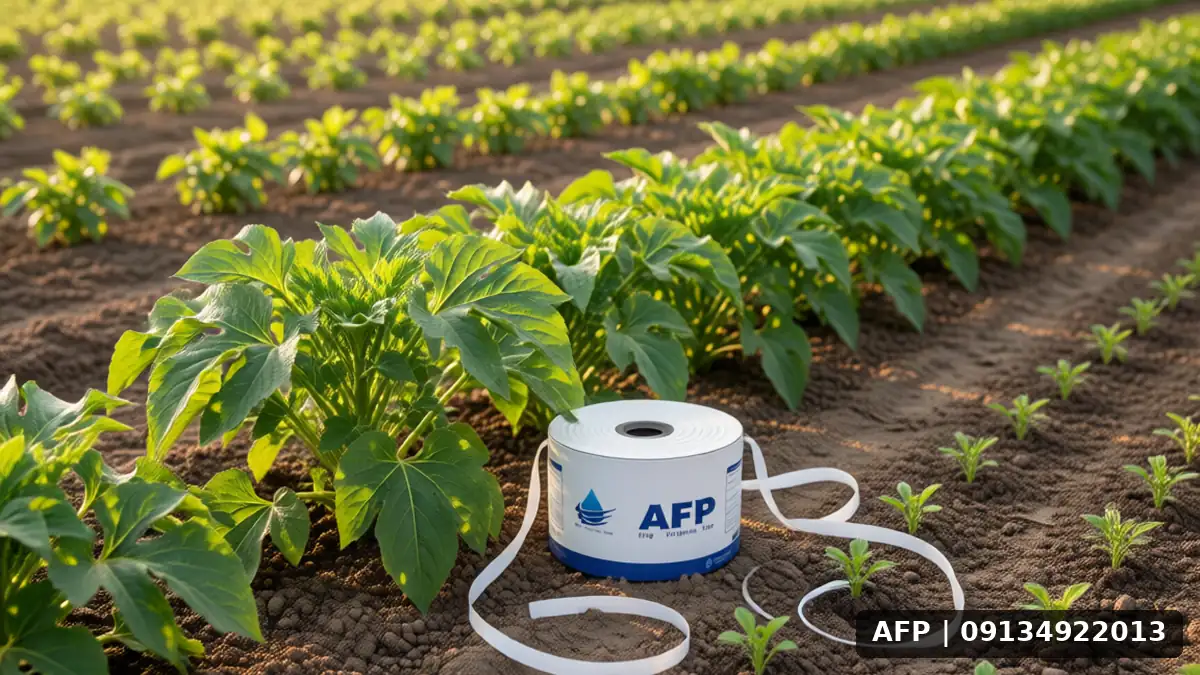
Impact of soil type on flow rate selection
Sandy soils absorb water quickly but lose it just as fast, so they require drip lines with a higher flow rate. In contrast, clay soils require a lower flow rate and more frequent irrigation. If you are planning to cultivate specific crops, studying coffee plant yield per hectare on strip can give you valuable insights into the interaction between plants, soil, and the irrigation system.
Practical tips for installing and maintaining strip
Even the best 20 cm strip roll of 1,000 meters will not perform optimally without proper installation. Below are tips that can multiply the useful life of your system.
- Unrolling the roll without twisting: When unrolling the 1,000-meter roll, ensure the strip does not have a spiral or twist. Twisting the strip causes uneven water distribution and increases local pressure on the drippers. The strip must be laid out completely flat and free of wrinkles on the ground.
- Installing in row shade: To reduce heat and UV effects, place the drip tape in the shade of the trees or crops. While this is difficult during the early planting stages, the plants will naturally grow and provide shade over time.
- Cleaning filters: One of the main enemies of drip tape is sediment build-up inside the tape channels. Using a disc filter or screen with a 120-micron mesh and cleaning it weekly prevents clogging of the emitters.
- Checking connection points: After installing every 100 meters, check the connections to the main hose. Do not ignore minor leaks, as they can result in significant water loss over the season.
Familiarizing yourself with different irrigation methods can also help you understand why drip tape may be superior to other methods under your specific conditions. The article on direct irrigation of farmland provides a more detailed analysis of these advantages and disadvantages.
Frequently Asked Questions (FAQ)
Is 20 cm drip tape suitable for growing potatoes?
Yes, this size is one of the best options for potato cultivation. Given that water consumption for this crop is high during the vegetative growth stage, a 20 cm drip tape with a 20 cm emitter spacing allows for precise water delivery to the root zone. To learn about optimizing yield per hectare, study the harvest yield per hectare may be useful.
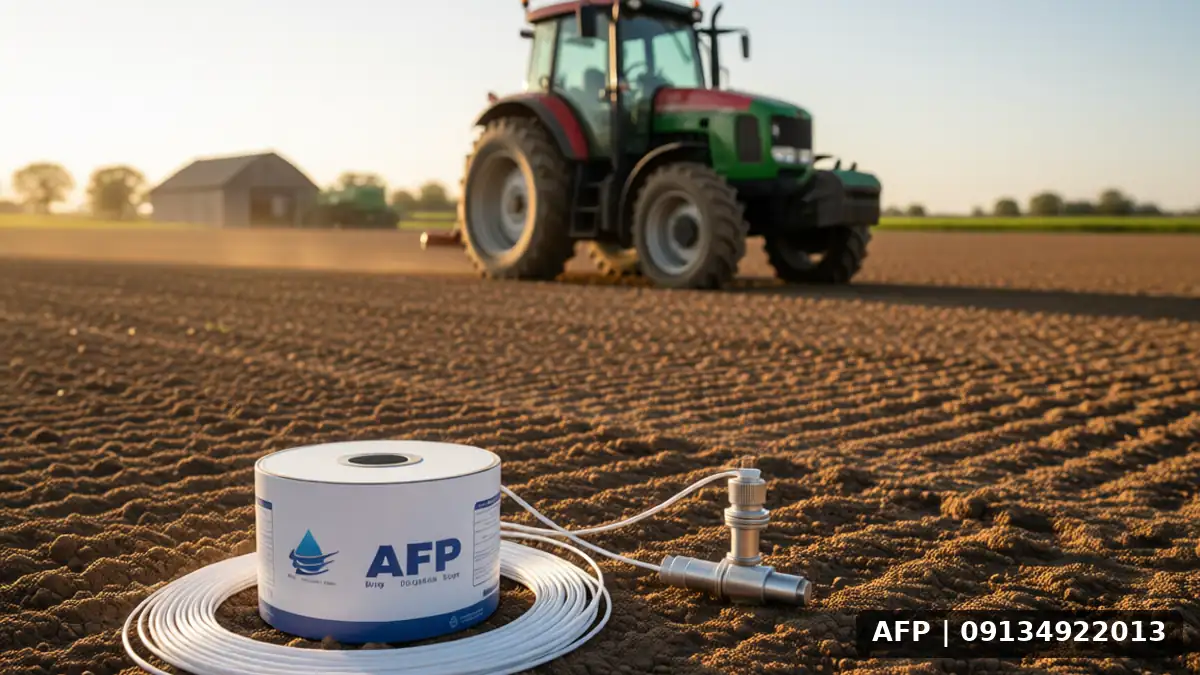
What is the maximum cultivation length without the need for pressure boosting?
Generally, in a straight line, a drip tape of up to 200 meters in length can operate without requiring an additional booster pump and with acceptable pressure drop. The 1000 m roll must be divided into several 200 m sections and connected to the main hose using T-joints.
How can we prevent insect clogging in the drip tape?
Using appropriate filters and regularly cleaning the system solves 90% of this problem. Additionally, being careful when collecting the roll at the end of the season and washing it before storage prevents mold and insects from entering the internal channels.
Conclusion and Final Recommendation
Selection 20 cm tape drip line, 1000 m roll This is a technical decision that directly impacts your operational costs and final farm yield. Focusing on UV material quality, precise installation without twisting, and regular filter maintenance are the three main pillars of success when using these systems. By considering specific farm needs and soil types, you can benefit from the advantages of precision irrigation. Ultimately, awareness of the exact seed rate and water requirements for each crop (such as melon seed quantity per hectare) is the key to precise irrigation system calibration. Let us make an informed choice to conserve water resources and benefit from more productive crops.
Related Articles: 2-inch fabric pipe