Cost of Lentil Cultivation Using Drip Tape per Hectare
Introduction: Why are lentil drip irrigation costs important?
Lentils are one of the most widely consumed legumes in the Iranian diet, and steady demand has led many farmers to adopt lentil cultivation. However, the key to final profitability is managing production costs. The use of modern irrigation systems such as drip lines may initially involve higher upfront costs for the farmer, but in the long term, it doubles economic returns by reducing water, energy, and labor consumption. In this section of the guide on land utilization rates, we aim to clarify all cost factors in lentil drip irrigation so that you can plan your budget with greater precision.
Fixed cost analysis in lentil drip irrigation
Fixed costs include equipment invested in for one or more cropping seasons. In drip irrigation, this section includes polyethylene drip lines, emitters, pressure distribution hoses, the central pump, and the filtration system. The initial cost of drip irrigation usually varies depending on the thickness of the lines and emitters. Purchasing lines with appropriate thickness is critical for ensuring durability in fields subject to wind pressure. Additionally, an adequate filtration system to prevent clogging of lentil emitters—which have fine, delicate roots—is considered a necessary component of fixed costs. While the cost per hectare of drip irrigation may vary based on row width and planting density, the market standard for lentil cultivation is the use of 16 or 20 mm lines with specialized emitters to ensure uniform water distribution.
In addition to irrigation equipment, costs for soil stabilization and initial site preparation are included in this category. Precise plowing and land preparation for correct surface placement of the drip tape require the use of agricultural machinery, and their depreciation and fuel costs must be accounted for. Compared to drip systems with heavier emitters, drip tape has lower installation costs but requires more careful handling during collection and folding after crop harvest to ensure reuse in the following season.
Variable and operating costs
Variable costs include seeds, pesticides, fertilizers, and labor, which are repeated each season. Cost of growing lentils with drip tape This section is influenced by seed type and consumption rate. Lentils, due to their small, spherical seeds, require high-quality, pure seed. Seed prices experience seasonal fluctuations; therefore, it is recommended to use reputable seed sources to reduce risk. Regarding pesticides, since drip tape reduces surface moisture in some areas, disease and pest management is performed using targeted methods, which can indirectly reduce spraying costs. Additionally, fertilizer costs with the drip tape system are highly optimized because fertilizers are delivered directly to the root zone with water, reducing waste of applied fertilizer.
Energy consumption for water pumping is one of the largest variable costs. Although drip tape requires lower pressure than a standard drip system, it still needs pumps with suitable energy consumption. Accurate energy consumption calculations depend on whether a generator or industrial electricity is used. Farmers using solar energy significantly reduce their operating costs after the initial years. Therefore, in calculating Resource efficiencyAlways disaggregate energy costs across different planting seasons.
Drip tape maintenance and repair costs
One advantage of the drip tape system for lentil cultivation is its repairability. Damaged lines (broken or torn) can be repaired using couplers. These minor repairs are inexpensive, provided the farmer has completed training on irrigation equipment maintenance. Otherwise, the need for a specialized technician may lead to unexpected expenses. Additionally, annual flushing and sanitization of the drip tape system to prevent internal clogging and bacterial growth is a small but essential cost that must be included in the annual budget. This process is typically performed using chlorine or citric acid, and the associated cleaning agents are considered variable costs.
Optimizing efficiency using scientific methods
To reduce the cost of cultivating lentils with drip tape and increase profitability, precision irrigation techniques can be employed. Line pressure regulation is highly critical for lentils; high pressure can fracture delicate roots and cause plant stress, ultimately leading to reduced yield. Therefore, investing in pressure regulators can help preserve lentil quality and improve marketability in the long term. Furthermore, using soil moisture sensors can prevent frequent and unnecessary irrigation. This approach aligns with related studies on Increasing Parsley Yield and other leafy greens that have recently adopted precision irrigation methods. Optimal water management, which involves supplying water only when needed and in the exact required amount, is the key to reducing pumping costs.
A subtle aspect of lentil cultivation using drip tape is the layout configuration: should the lines be planted diagonally or parallel to the main rows? Research indicates that the correct layout can reduce harvesting and collection costs by up to 15%. Since lentils have semi-erect stems, potential interference between the drip tape and mechanized harvesting systems must be evaluated in advance. Consulting with irrigation engineers before purchasing equipment can prevent the acquisition of incomplete or unsuitable systems.
Economic Comparison: Drip Tape vs. Other Methods
Alongside analyzing the internal costs of the drip tape system, comparing it with other irrigation methods such as point drip and flood irrigation is essential. While point drip systems have higher initial costs, they can offer a longer useful life. Drip tape, with its more affordable cost, is highly suitable for short-cycle crops like lentils. If you are looking to increase the overall yield of all crops, reviewing articles such as Alzenjan yield levels and also the guide to increasing alfalfa yield can provide ideas for combining crop rotation with a fixed irrigation system. Through rotation, the infrastructure cost is calculated only once and allocated across multiple crops, which reduces the financial burden on the farmer.
- Buy seed from reputable suppliers to lower the rate of poor germination, which directly increases seed costs.
- Use fertilizers rich in organic matter to reduce the frequency of pesticide application and variable costs.
- Regularly check drip tape lines using a handheld pressure gauge to prevent energy waste.
- Train laborers to properly collect tapes at the end of the season to avoid the need for complete replacement in the following season.
- Use suitable crop covers to reduce weeds, thereby lowering weeding costs.
Frequently Asked Questions (FAQ)
What is the approximate cost of installing drip tape on one hectare of lentils?
This cost depends on the current price of plastic materials, pump and filter costs, and installation labor. However, generally speaking, the direct installation cost of drip tape is usually less than that of a fixed drip system. It is recommended to allocate a seasonal budget for consumable equipment (tape, emitters, hose). For more accurate information regarding economic returns, you can refer to the guide on Reducing wheat cultivation costs as well, since its common principles of resource management are also applicable to lentils.
Does drip tape for lentils reduce yield?
No, quite the opposite. If properly managed, it can have a positive effect on yield and seed quality due to integrated irrigation and nutrition. Lentils are sensitive to moisture stress, and drip tape with low-pressure irrigation reduces the risk of root suffocation.
What type of emitter is more suitable for lentils?
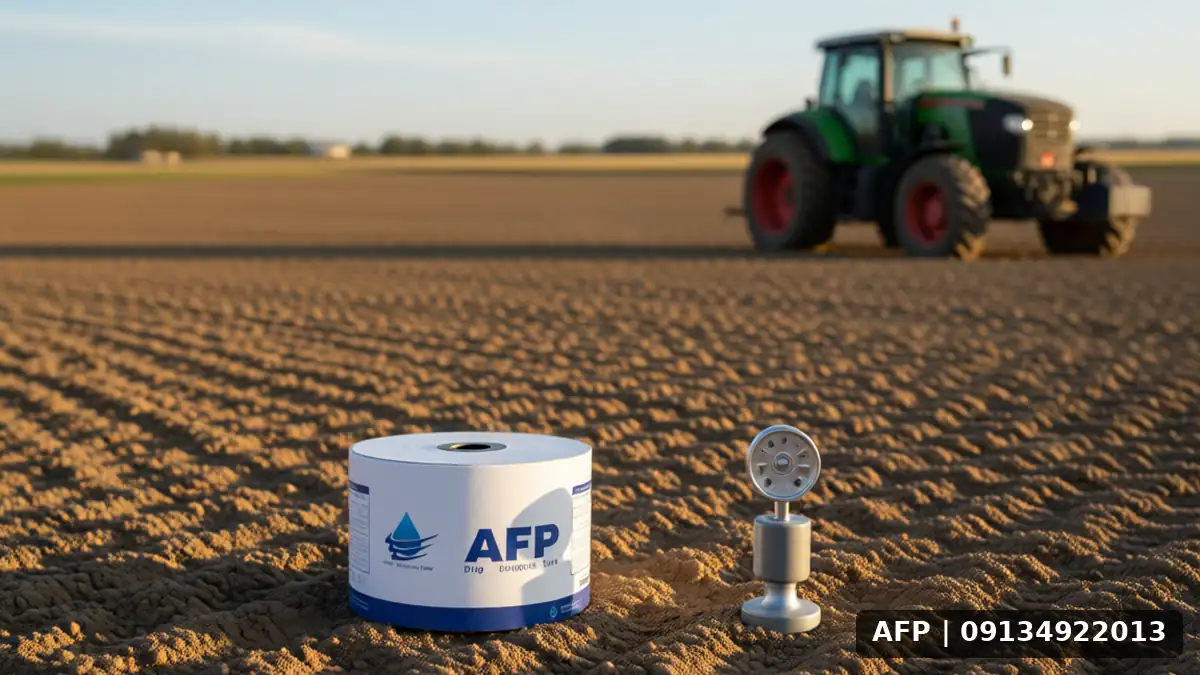
Drip tape emitters with low flow rates (usually 4 to 8 liters per hour) are ideal for lentils. High-flow emitters may cause soil washout around the roots and induce stress in the plant. It is better to use emitters designed for dense plantings.
Summary: Is the Investment Cost-Effective?
The cost of lentil cultivation using drip tape per hectare is essentially the return on a smart combination of initial capital investment and management of current variables. Although initial costs may be challenging for some farmers with limited budgets, reduced water and energy consumption, improved product quality, and the ability to sell at higher prices ensure that the return on investment is realized within two to three growing seasons. The key to success with this method lies in attention to installation details, maintenance, and the selection of high-quality materials. Modern agriculture requires the use of precise and data-driven tools, and drip tape is one of the most affordable entry points into precision agriculture for legume crops. By following the principles outlined in this article, hidden costs can be identified and the annual budget optimized.
The future of lentil cultivation under water-scarce conditions is brighter with reliance on drip tape systems. Investing in technical knowledge and sustainable systems is the only way to secure profitability. Farmers can identify the best cost strategy by starting with a small section of the farm and comparing results with flood-irrigated sections. Ultimately, this system is not just an irrigation tool, but a paradigm shift in agricultural resource management.