Rosemary Maintenance with Tefrip Tape: Key Points for Optimal Irrigation
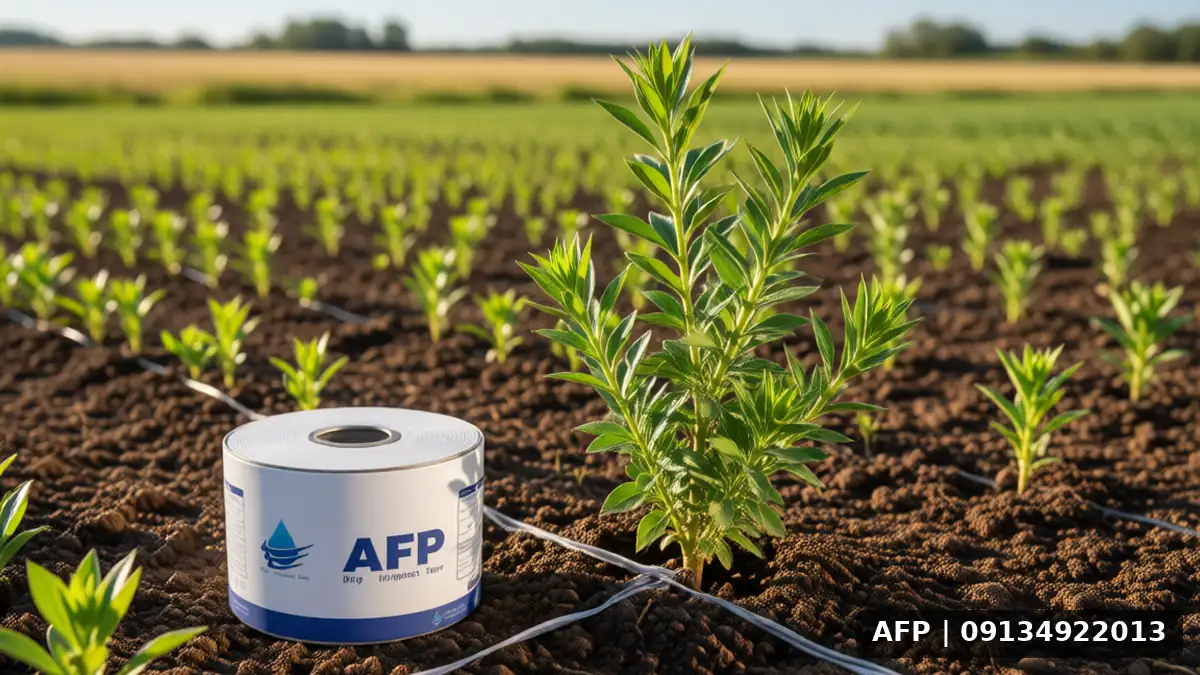
Rosemary cultivation, a popular medicinal and aromatic plant, has specific sensitivity to water resource management. In today’s conditions, where production costs have increased and water resources have become more limited, using modern irrigation systems such as drip lines has shifted from a preference to a necessity. However, many farmers and gardeners face a major challenge: how to ensure the health of the drip line and how to manage this system to protect the delicate rosemary roots while maintaining the useful life of the equipment? In this article, as a practical guide, we examine the key points in Rosemary maintenance with drip lines so that you can maximize the efficiency of your cost and effort. This guide not only focuses on the principles of drip irrigation but also emphasizes the pruning of the rosemary plant in response to moisture changes.
The importance of drip lines in rosemary moisture management
Rosemary is a plant whose roots grow deep, but its root system is sensitive to sudden moisture changes. The drip line minimizes moisture shock by injecting water uniformly and directly into the root zone. Unlike sprinkler irrigation, the drip line keeps the soil surface around the roots drier, which reduces the occurrence of root diseases and rotting. However, the success of this system depends on the correct selection of the line and precise pressure adjustment. If you want to know the principles of selecting the appropriate line type, you can read the article how to choose suitable drip irrigation tape to become aware of the technical criteria for selecting the best model for rosemary.
Getting started right: soil preparation and planting
Before laying out the drip tape system, soil preparation plays a decisive role. Rosemary thrives in well-drained soils. Heavy or stratified clay soils can clog drip tape emitters quickly. It is strongly recommended to plow and subsoil the ground before planting to ensure proper aeration. Spacing between rosemary rows should also be adjusted to match the drip tape model. Typically, drip lines run along the center of the row spacing or in an alternating pattern. A key consideration in this phase is planting rosemary at an appropriate distance from the main line, ensuring the soil beneath the drip tape does not become saturated during irrigation, which could cause root asphyxiation. Additionally, it is mandatory to install a proper filter at the system intake from day one to prevent suspended water particles from entering the drip tape.
Specialized Troubleshooting and Daily Maintenance Tips
The longevity of a drip tape system depends entirely on daily maintenance. One of the most common issues is the slow or total stoppage of water flow at specific points along the drip line. This can be caused by soil particles, microbial slime growth inside the tape, or gophers and small animals chewing through the tubing. To prevent air entrapment from bursting lightweight drip lines, it is critical to use appropriate air valves (air release vents). Furthermore, periodic pressure checks at the end of the lines are essential; a sudden drop in pressure is often the first sign of a clog. For the in-depth process of professional maintenance, please refer to our [drip tape maintenance guide and cost breakdown], which details all recommended preventive repairs.
- Regular Flushing: Flush the system using water at a higher-than-usual pressure once every one to two months to remove mineral deposits and debris from the inside of the drip tape.
- Filter Care: Filters must be cleaned weekly or after every irrigation session. A clogged filter is the number one enemy of any drip tape system.
- Preventing Tubing Whip: Slotted tubing is susceptible to damage in high winds or when farm machinery moves around it. The use of stabilizing wires or burying the tubing slightly beneath the soil surface is recommended.
Irrigation Scheduling: From Quantity to Quality
The amount and timing of rosemary irrigation using slotted tubing must be adjusted to local climate conditions. During peak heat, frequent watering cycles with lower volumes are superior to infrequent, high-volume applications. Rosemary is sensitive to overhead sprinkler irrigation, which increases the risk of leaf fungal diseases. Slotted tubing directly mitigates this issue. The table below provides a recommended approximate irrigation schedule by season, which should be validated by a local expert:
It should be noted that rosemary is a drought-tolerant plant, and over-irrigation can lead to root rot and plant death. Therefore, using wire moisture sensors or even visual soil inspection with regular frequency is better than blindly relying on scheduling.
Fertigation (combining irrigation and fertilization)
One of the key advantages of drip tape is the ability for fertigation (applying fertilizer with irrigation water). Rosemary requires nitrogen during its vegetative growth phase and potassium and calcium during its production phase. By connecting an appropriate injector or tank to the system inlet, you can deliver nutrients directly to the root zone. This method reduces fertilizer costs and improves nutrient uptake by the plant. However, you must avoid mixing incompatible substances (such as calcium with phosphorus), which can cause precipitation and clog the lines. Additionally, if using pressure-compensating emitters, ensure the water pH is within the appropriate range to prevent clogging inside the dripper holes.
Preventing Chemical and Biological Clogging
Clogging is one of the main enemies of drip tape. Biological clogging is caused by the growth of bacteria and algae in the water, which can block the drip holes. Regular use of chemical disinfectants (such as chlorine) at safe levels helps prevent this issue. On the other hand, mineral clogging results from the deposition of salts (such as calcium and magnesium). If your local water is hard, you must use safe acids (such as citric acid) to acidify the water and prevent scale formation. Never do this without consulting a water quality specialist, as inappropriate acids can damage the drip tape material.
Regular Monitoring and Seasonal Inspections
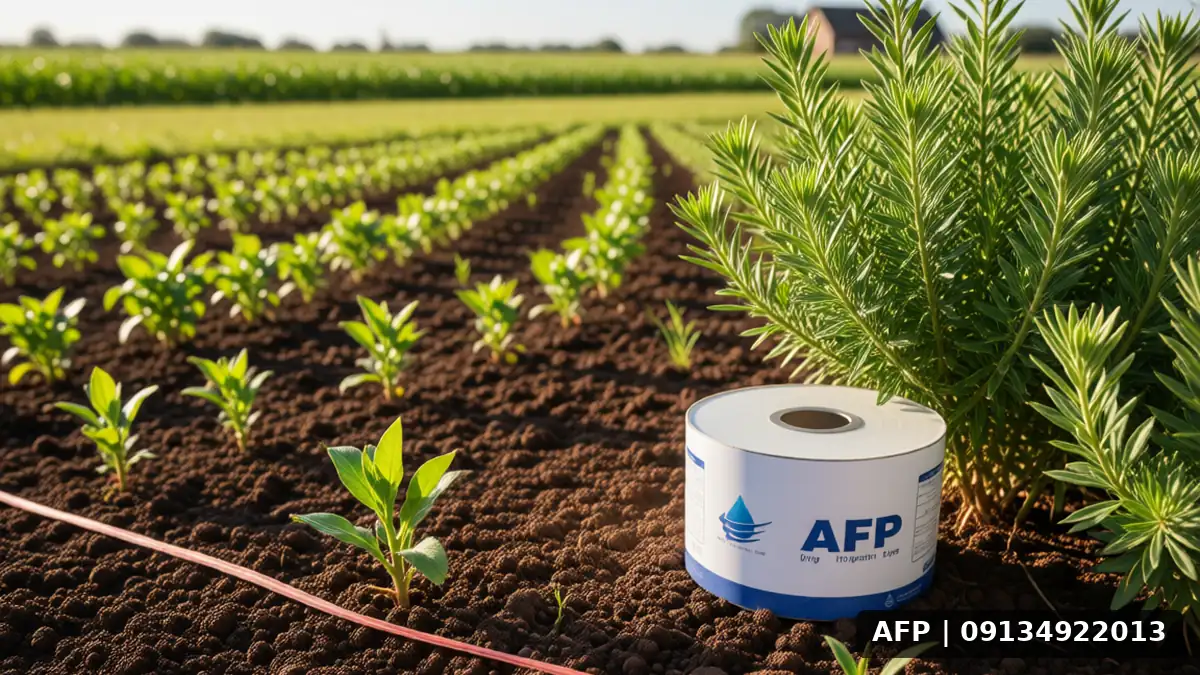
Maintaining drip tape for rosemary is not a one-time task but a continuous process. At the beginning of each season, visually inspect the entire drip tape line. Look for points where water is leaking, bursts, or small holes. Aged drip tape loses its elasticity and becomes cracked. In such cases, replacing the tape is better than repairing it. Also, check the valves connecting the tape to the poly-pipes; loose connections are a primary cause of pressure loss at the beginning of the line. If you encounter specific issues during installation or part selection, reading the article Measuring water pressure for drip tape can be a good guide for mechanical settings.
Frequently Asked Questions (FAQ)
Can drip tape be used for rosemary in all weather conditions?
Yes, drip tape is one of the most flexible systems. In arid regions, it reduces evaporation and optimizes water usage. In humid regions, it helps prevent root waterlogging and root diseases. The only difference is in the irrigation scheduling.
If the drip tape stops working within the first hour, what can I do?
First, inspect and clean the filters. Second, disconnect the drip tape inlet from the main valve and connect it to a municipal water tap or another system, then flush it with high pressure to clear sediments. If the problem persists, the drip tape inlet may be damaged and require replacement.
Is drip tape reusable for the next crop?
Typically, light-duty (single-wall) drip tapes are single-use. Heavier, more durable (double-wall) tapes can be reused for up to 3 to 4 seasons. For rosemary, which is a perennial plant, using more durable tapes is recommended. Wash the tape thoroughly before installation in a new season.
What is the best time to replace degraded drip tape?
If you notice that water delivery through the tape is inconsistent, or if it has numerous tears and repair is not cost-effective, it is time to replace it. Typically, at the end of the rosemary growing cycle (before planting a new crop) is the best time.
Conclusion and final recommendations
Using drip tape for maintaining rosemary This is a smart investment for improving performance and reducing water consumption. Do not neglect technical preferences; filter cleanliness, regular troubleshooting, and proper irrigation planning are the main pillars of success. By following the mentioned points, you can enjoy healthy and productive rosemary plants throughout the year. Remember that every farm has unique conditions, so always use an experience-based approach and adjust your settings according to plant response. For information on the profitability of other crops and additional tips, you can also look at the article on sub-surface irrigation of plants, which provides a complementary perspective on rosemary irrigation.
Related Articles: Black radish yield per hectare + influencing factors, triticale seed per hectare density table