Broadbean Maintenance with Drip Tapes: Key Points for Maximizing Efficiency
Introduction: The Importance of Drip Irrigation in Chickpea Cultivation
Chickpeas are a highly consumed and valuable legume in the Iranian diet, requiring precise water resource management. The use of modern irrigation systems, particularly the drip tapehas revolutionized chickpea irrigation methods. By delivering water directly to the root zone, this method not only prevents water wastage but also promotes uniform plant growth and enhances crop quality. However, success with this system depends on more than just purchasing the tape; maintaining chickpea crops using drip tape and properly managing the processes are key to achieving high yields.
Many farmers are concerned about the impact of drip tape on plant growth and how to prevent clogging. The following section covers key maintenance points, technical planting principles, and system management to help you fully leverage the potential of this method.
Technical Principles for Selecting and Installing Drip Tape for Chickpeas
Drip line spacing and planting layout
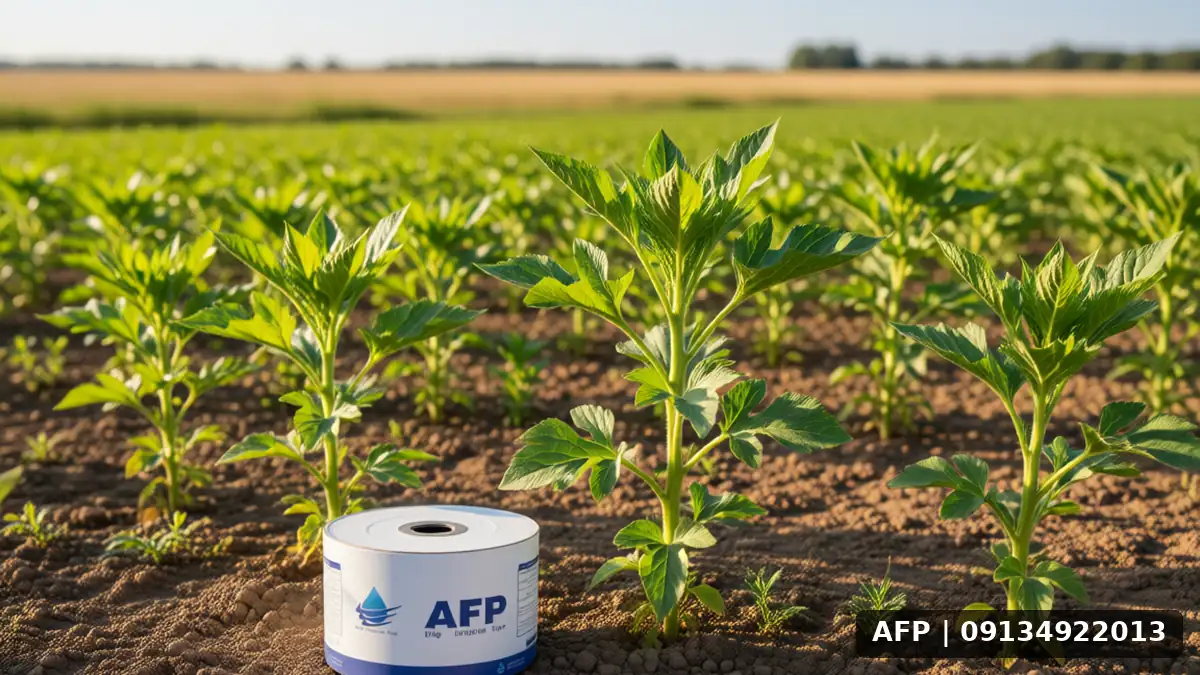
One of the most important aspects of fava bean cultivation with drip tapeis selecting the appropriate distance between the drip line and the crop rows. Fava beans are shallow-rooted plants that require frequent, low-volume irrigation. It is generally recommended to place the drip tape exactly midway between two fava bean rows, at a depth of 5 to 10 cm below the soil surface, running parallel to the rows. To familiarize yourself with optimal planting standards, refer to the guide on Fava bean row spacing and cultivation standards It can broaden your understanding of correct planting patterns.
- Lay-on-soil drip line: For young plants, placing the drip line on the soil surface close to the stem increases the risk of scorch and fungal diseases. Therefore, digging small tunnels or burying the line at a shallow depth is necessary.
- Piping route: Ensure that the layout path from the water source to the end of the field is level to prevent the drip tape from kinking (looping); this causes negative pressure and air ingress into the system.
Selecting the appropriate type of drip tape
The material and thickness of the drip tape directly impact the system’s durability and long-term costs. For fava beans, which have a crop cycle of approximately 120 to 150 days, single-use drip tapes with a thickness of 0.2 to 0.3 mm are economic and widely used options. However, if you intend to use the system for several more years, multi-season drip tapes with a thickness of 0.4 mm or greater are more suitable. To learn about the differences between these products, you can refer to the article Introduction to Types of Drip Tape for Row Crop Irrigation Please consult this guide to select the best option based on your farm’s climate conditions and soil type.
[ [ [ I M A G E _ 1 ] ] ]
Managing water pressure and flow rate in a drip tape system
Optimizing inlet pressure
Water pressure management is the heart of every drip and tape irrigation system. Fava beans are sensitive to uneven irrigation. If the water pressure is too high, the tape may open or leak, and if the pressure is low, water will not reach the end of the tape, causing drying of the plants at the end of the row. Usually, the appropriate working pressure for standard tapes is between 0.5 and 2 bar. Using a pressure regulator at the system inlet is the first step in proper maintenance of tape .
In addition, land slope has a significant effect on pressure. In sloped farms, pressure regulating valves or irrigation block division must be used to minimize the pressure difference between the beginning and end of the field. Incorrect pressure regulation can lead to uneven irrigation and reduced fava bean yield.
Preventing clogging and replacing tape
Separators and filters are vital
Clogging of tape holes due to sediment from suspended particles in water is one of the main challenges in Broad bean cultivation with drip tape The appropriate filter must be selected in proportion to the size of the tape’s orifices (discharge). Generally, calyx filters with a 120-micron mesh size are suitable for fine-orifice tapes. Regular inspection of filters and periodic cleaning prevent water flow blockages.
- The use of chlorine solutions to clear pipes is permitted only in specific cases and with expert consultation.
- Avoid injecting inappropriate acids that cause the degradation of the drip tape polymer.
To better understand pipe cleaning and maintenance methods, it is useful to consult the Kerman drip tape guide, which details the maintenance of drip systems in depth. These regions have old and sometimes hard water; therefore, principles for replacing drip tape must be observed more strictly.
Practical tips for irrigating broad beans at different growth stages
Irrigation during vegetative growth and flowering stages
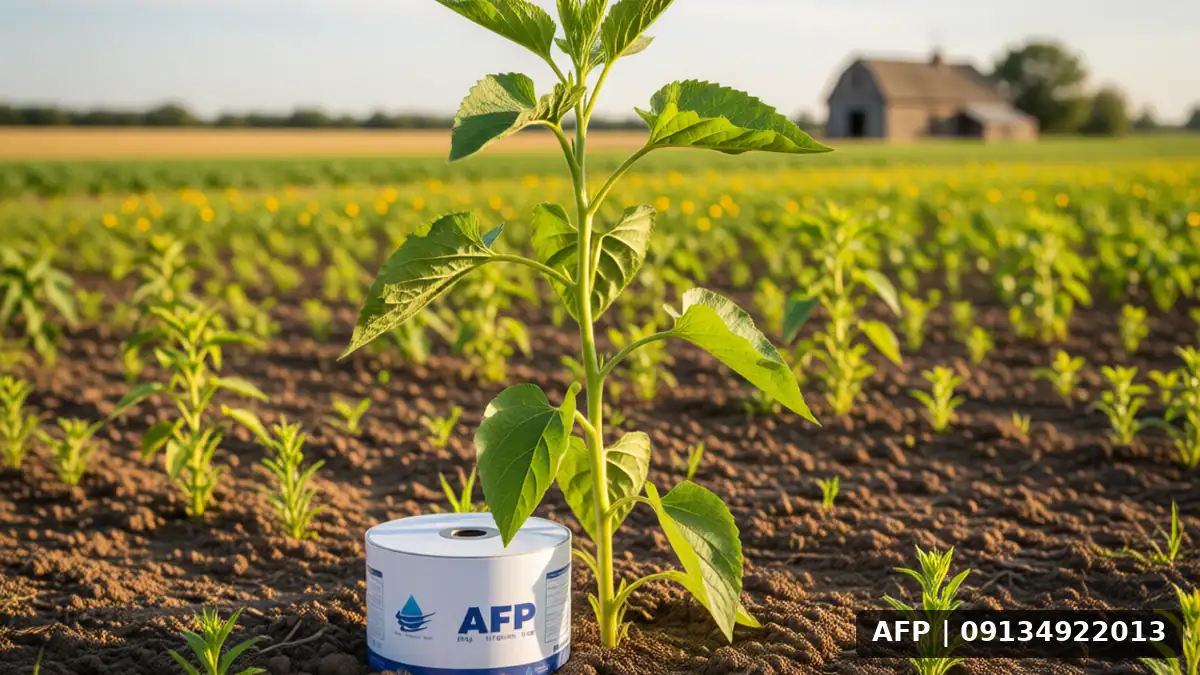
Broad beans require specific drip tape management during two moisture-sensitive stages: initial germination and grain filling. During the flowering stage, continuous irrigation at low flow rates allows the plant to direct its energy toward stem growth and the development of dense pods.
Furthermore, fava bean seed spacing, depending on the variety, plays a key role in yield. To accurately calculate planting density, refer to the fava bean drip tape irrigation guide. This guide helps you find the balance between planting density and water application volume.
[ [ [ I M A G E _ 2 ] ] ]
Pest and Disease Management Using Tape Irrigation
One of the hidden benefits Preserving Fava Beans with Tape Irrigation, reducing relative humidity at the soil surface and creating a dry layer between rows. This inhibits the rapid growth of fungi and nematodes. However, the risk of root diseases still exists. Using tape irrigation as a base for pesticide injection (Fertigation) allows pesticides and fungicides to reach the plant root zone directly, preventing leaching by rain or irrigation. Nevertheless, ensure that the selected pesticides are compatible with the polymer of the tape irrigation; some chemicals may cause the tape to degrade.
Using mulch covers in combination with tape irrigation stabilizes soil temperature and prevents the tape from breaking due to thermal expansion and contraction. This is particularly critical in tropical regions where the tape irrigation is placed on the soil surface. To understand planting and coverage principles that directly affect the durability of the tape irrigation, refer to the Agricultural Tape Irrigation Selection Guide.
Frequently Asked Questions (FAQ) About Fava Bean Irrigation
Is tape irrigation suitable for heavy soils?
Yes, but with caution. In heavy loam soils, permeability is lower. You may need tapes with higher flow rates (discharge) to ensure water reaches sufficient depth. Additionally, the installation depth of the tape should not exceed 15 centimeters to ensure water reaches the shallow roots of fava beans.
How can I detect drip tape clogging?
The simplest test is to open the end of the tape and observe the water flow. If the flow is cut off or the water discharge is pale, the tape is clogged. In this case, flushing the system with higher pressure and using better filters is recommended.
Can drip tape be reused the following year?
Polyethylene tapes with high thickness (0.4 millimeters and above) can be used for one or two additional seasons, provided they are sufficiently cleaned. However, thin tapes are generally prone to tearing and mold. For information on storage standards, look at the section on drip irrigation conditions in Karbala, which describes practical examples of drip system maintenance.
[ [ [ I M A G E _ 3 ] ] ]
Conclusion: Final steps for a healthy farm
Maintaining broad beans with drip tape is a combination of technical knowledge, precise monitoring, and planning. From selecting the appropriate tape spacing to managing water pressure and preventing clogging, each of these factors affects the quality of your broad bean seeds. By adhering to the principles Safe-secured author In this article, you do not only reduce irrigation costs but also maintain plant health.
Two final points for the completeness of the practical sections:
- Visual inspection: On the first watering of each day, inspect parts of the tape. Reconstruct any kinked or punctured tubes immediately.
- Climatic feedback: In arid regions, apply thin drip tapes with high flow rates directly on the soil surface to prevent drying of superficial roots. For more information on adapting the system to different climates, refer to the guide to increase tomato yield per hectare. You can also apply the same principles, as the physics of drip irrigation for annual plants remains the same.
Ultimately, successful broad bean cultivation using a drip line system is an investment in a greener and more productive future. By adhering to the mentioned guidelines, you can produce top-quality crops with minimal water consumption.