Subsurface Irrigation in Barley Cultivation: Applications, Benefits, and Practical Considerations
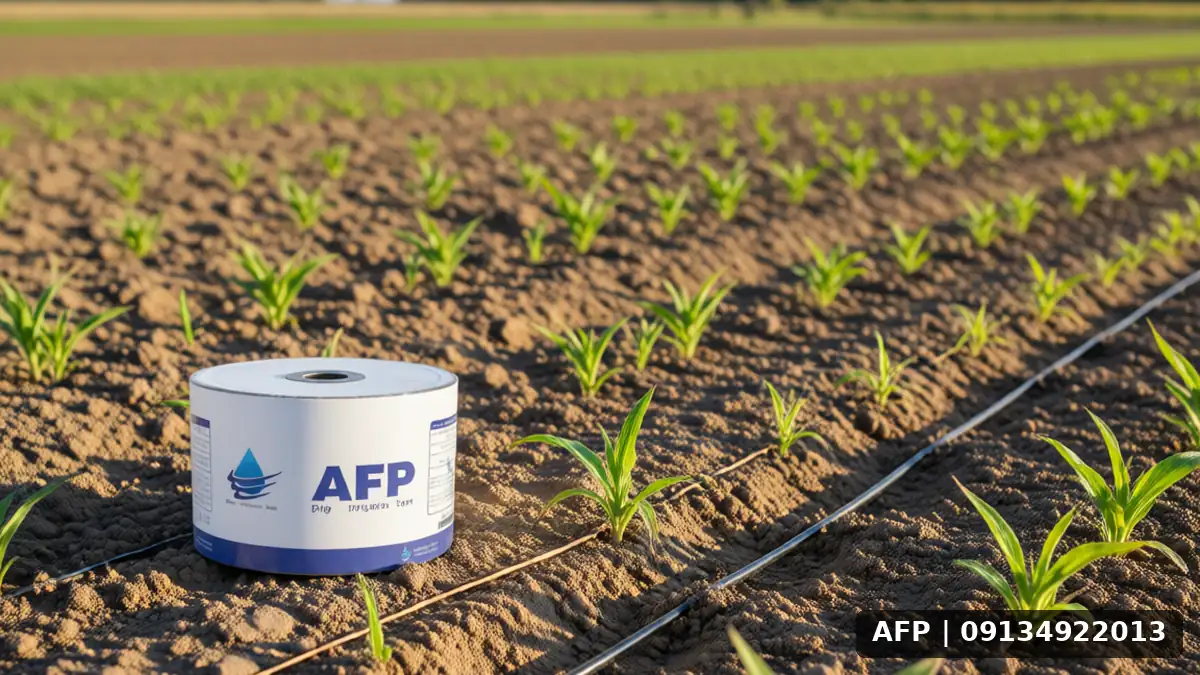
Subsurface irrigation in barley cultivation Subsurface irrigation is one of the most advanced and efficient methods for managing water resources in modern agriculture, especially in arid and semi-arid regions. Also known as ‘underground pipe irrigation,’ this method delivers water directly to the root zone by placing drip networks at plant root depth. In barley cultivation—a crop with moderate water needs but high sensitivity to environmental stress—this method can bring about a fundamental transformation. The primary goal is to minimize evaporation from the soil surface and prevent weed growth by maintaining moisture in deeper soil layers. The following sections examine the specific applications, benefits, and operational considerations of this system for barley. This approach not only optimizes water use but also protects soil quality from erosion and structural degradation.
Why is subsurface irrigation suitable for barley?
Barley (Barley) is a crop planted in autumn and spring seasons and is often subject to biological stresses and water deficits. Surface systems, such as flooding or conventional furrow irrigation, lose a significant portion of water due to evaporation and seepage. In contrast, Subsurface irrigation in barley cultivation Slow, continuous water delivery at depths of 15 to 20 centimeters keeps roots in ideal moisture conditions. This method also significantly reduces the risk of fungal diseases, such as yellow rust and leaf spot, because it prevents the wetting of leaf surfaces. Maintaining canopy health by reducing surface humidity is one of the key, often overlooked, advantages of this system, which has also been highlighted in other studies. This benefit is particularly pronounced in areas with high relative humidity.
Key applications in root and soil management
- Increasing the water use efficiency (WUE): By reducing evaporation, the total water consumption required to achieve the target yield is decreased. This is critical in regions with limited water resources.
- Reduced competition with weeds: Weeds typically have shallow root systems and remain stressed under this method, while barley has access to deep irrigation. This characteristic reduces the need for herbicide application.
- Moisture distribution modeling: Precise control of soil moisture is possible during various barley growth stages, including jointing and flowering, which leads to crop uniformity.
To better understand the comparison and observe the differences in water distribution patterns across various methods, you can refer to our guide on the benefits of strip irrigation to practically assess the differences in water distribution patterns between surface and subsurface methods and make an informed decision.
Practical tips for installation and design of subsurface networks
To succeed in the implementation of subsurface irrigation in hemp cultivation, precision in the design and installation stages is vital. A minor error in pipe burial depth can lead to leakage or root dryness, compromising system efficiency. Therefore, accurate surveying and identification of sensitive points are essential.
Pipe burial depth and emitter spacing
- Optimal depth: For hemp, a depth of 15 to 18 centimeters is generally optimal. Greater depth increases the total pressure on the network and pump energy costs, while shallower depth increases the risk of evaporation.
- Emitter spacing: Emitter spacing must be adjusted based on soil drainage. Closer spacing is appropriate in clayey soils, while wider spacing is suitable in sandy soils to ensure uniform wetting.
- Proper sub-surface layout: Pipes should not be placed directly under seed rows to prevent root suffocation and reduce the risk of root diseases. A minimum vertical depth of 10 cm or placement in the inter-row space is recommended to maintain root aeration.
Quality control and clog prevention
Because emitters are located underground, replacement and repair are difficult. Therefore, the filtration system must strictly adhere to drip irrigation standards. Using disc or ceramic filters at the main intake, chlorinating water for sterilization, and scheduling periodic system flushing are operational priorities. Additionally, pipes must be made of specific underground-grade material to withstand soil mechanical pressure and chemical agents. For more detailed technical principles and strategies to increase equipment durability, you can read the article on Extending the operational life of drip irrigation lines which addresses factors affecting long-term network stability.
Impact on Millet Yield and Comparison with Other Methods
Studies show that millet irrigated via subsurface drip irrigation experiences a smaller yield reduction under water scarcity compared to flood irrigation. This crop seeks a moisture equilibrium, and the severe fluctuations between dryness and saturation typical of flood irrigation can lead to physiological stress and reduced grain size. Stabilizing root-zone moisture significantly increases the potential for tillering and grain weight, and the plant exhibits greater resilience to heat stress.
Comparison with Surface Drip Line and Surface Drip
Although the initial cost of a subsurface system is higher, savings in water, pumping energy, and herbicide use accelerate the return on investment in subsequent seasons. In the long term, this system is the most sustainable option. To better understand efficiency in other oilseeds and compare economic models, see the guide for Canola yield per hectare for farmers Review it to analyze similar efficiency parameters and economic advantages, providing a clear perspective.
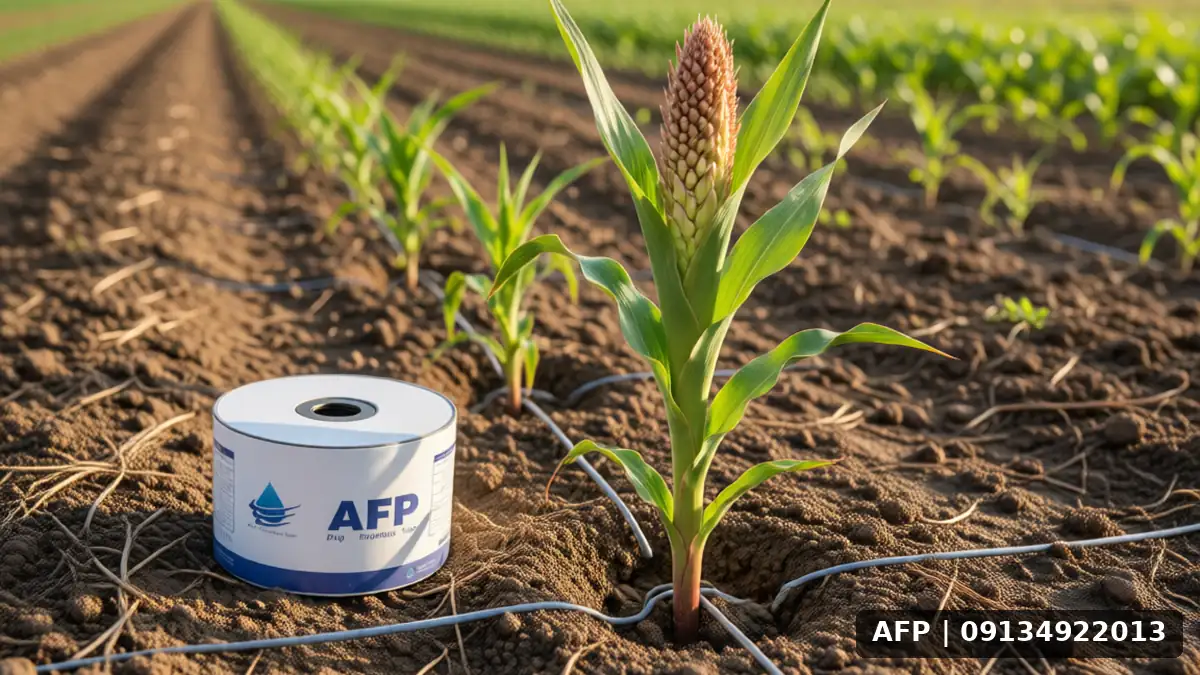
FAQ: Common questions about subsurface sorghum irrigation
Is subsurface irrigation feasible for sorghum in heavy soils?
Yes, but it requires adjusting the pipe depth. In clay soils, water infiltrates more slowly, so you may need to place the pipes slightly deeper or reduce the emitter spacing to prevent root-zone dryness. A root-zone sensing analysis and infiltration test are recommended before installation to optimize settings.
What are the maintenance costs for this system?
Maintenance costs include filtration and pumping. Since subsurface emitters are less prone to clogging, their service life can be longer than that of surface systems, provided that quality water is used and regular flushing is performed. This reduces replacement costs.
Can a drip tape system be converted to subsurface irrigation?
Direct conversion is difficult because drip tape tubing is designed for surface pressure. It is better to install a new network with dedicated subterranean piping and anti-clogging emitters. For guidance on tube lifespan and suitable material selection, refer to the article Extending the Service Life of Drip Irrigation Tape which explains key points on equipment durability.
Conclusion and Final Recommendations
Subsurface Irrigation in Barley Cultivation This is a smart approach for farmers looking to maximize water efficiency and reduce waste. While it requires greater attention to initial design and maintenance, its benefits in terms of weed control, disease reduction, and crop stability over consecutive years are evident. It is recommended to consult an irrigation specialist regarding soil profile and barley type (winter or spring) before implementation to select the best scenario.
Additionally, to compare water efficiency in fibrous and grain crops and gain a deeper understanding of moisture management, observing the green harvest yield per hectare guide: a practical and calculation-based resource, can give you a broad perspective on how moisture management affects final crop volume. Ultimately, investing in smart irrigation infrastructure ensures a more sustainable future for millet paddies and reduces reliance on surface water resources.
Related topics: canola yield per hectare guide iraqi farmers