Sorghum Seed Rate per Hectare: A Comprehensive Guide for Irrigation and Farming
Introduction: The Importance of Correctly Determining Sorghum Planting Density
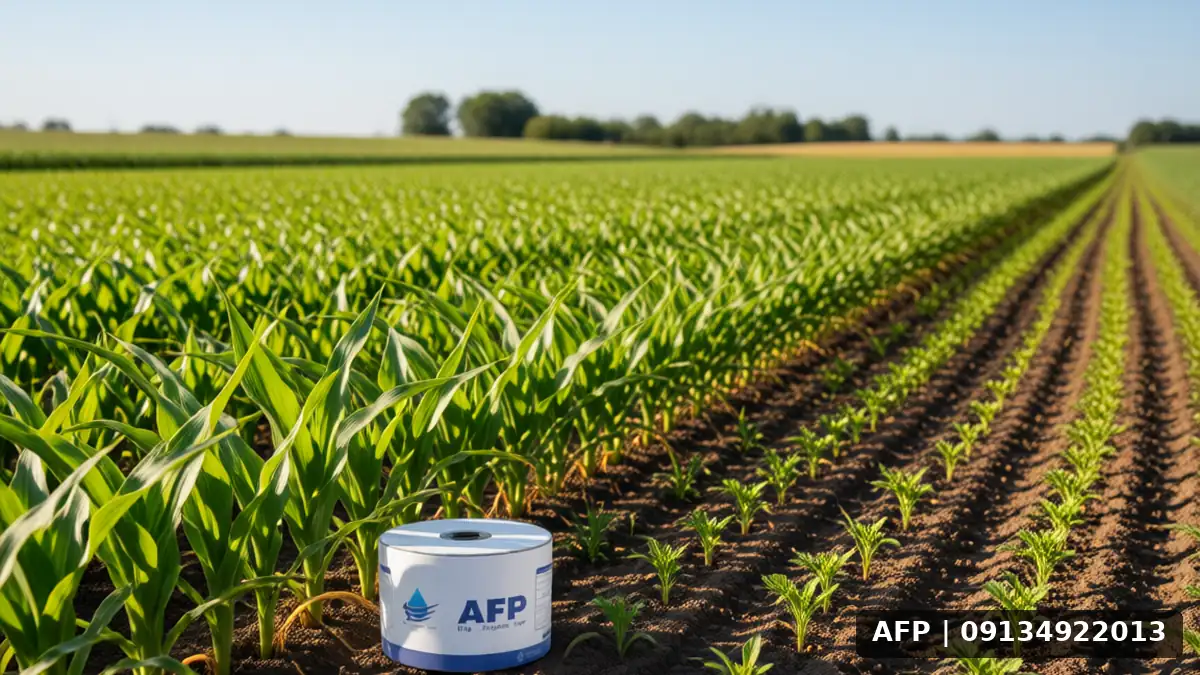
Sorghum cultivation is a fundamental component of livestock feed in semi-arid and arid regions. Determining the sorghum seed rate per hectare is not a simple process based on guesswork; it requires an in-depth understanding of plant physiology, soil conditions, and water resource management. Under common conditions where farmers use modern drip irrigation systems, there is a direct relationship between planting spacings and washing (Spacing). If the seed density is excessive, intense competition among plants for water and nutrients leads to reduced per-plant weight and, ultimately, lower total yields. Conversely, densities below the optimal range limit the potential for ground cover and productivity. This guide aims to provide a practical scientific framework to ensure that your planting decisions are more precise, economically efficient, and compatible with modern irrigation methods.
Sorghum holds a special position due to its variety (forage and grain) and its adaptability to water stress conditions. However, to benefit from these advantages, you must understand that managing final density is an engineering effort that must be synchronized with the irrigation schedule. Many farmers report that the forage they harvest is becoming deficient in density and quality; the primary reason is often the mismatch between the initial seed rate and the pipe installation spacings.
Factors influencing the determination of sorghum seed rate per hectare
Determining a fixed seed rate for each region is impossible, as multiple factors influence this calculation. The most critical factors are the crop objective (forage or grain) and the irrigation system type. In forage cultivation, the goal is biomass volume, so a slightly higher planting density may be used to achieve faster canopy closure. However, in grain production, sufficient space is required for ear formation and full grain maturation. Consequently, row-to-row and plant-to-plant spacing must be adjusted, resulting in a different seed quantity per hectare.
The role of drip line systems in planting
In drip irrigation and drip line systems, water is applied directly to the root zone. If sorghum seeds are planted too close to the drip line, plant roots will become entangled, potentially straining the irrigation system and disrupting water flow. Additionally, high plant density near the line causes severe competition, leading to stress during the rapid growth stage. On the other hand, the standard planting spacings for forage corn using drip line irrigation, as outlined in the guide, Planting spacing for forage corn using drip lines indicated, can serve as a similar model for managing sorghum, given their similar root requirements. Ensuring that seeds are sown at the correct depth and distance from the pipe is key to success.
Climate and soil water holding capacity
In areas with low rainfall and limited soil water holding capacity, high-density planting leads to root-zone water deficit. Therefore, in these regions, reducing the seed rate and increasing spacings (for example, from 10 kg to 7 kg per hectare while widening row spacing) can improve plant quality and dry weight. Conversely, in fields with ample water supply or suitable groundwater access, density can be slightly increased to achieve maximum canopy coverage.
Sorghum Seed Rate Guide Based on Planting Objective
Note: The figures below represent recommended averages based on common commercial varieties. They should be adjusted in consultation with your local agricultural extension service. The main difference in final plant density is measured in plants per square meter.
Important note: If using manual planters, maintaining a consistent spacing is critical. Irregular planting can cause uneven root competition, which complicates water management in drip tape irrigation.
Practical tips for optimizing planting with drip tape
As noted in the guide to greenhouse drip irrigation ynchronizing planting with the irrigation system multiplies the success rate. In open fields, this issue is twice as sensitive. Several practical points to observe:
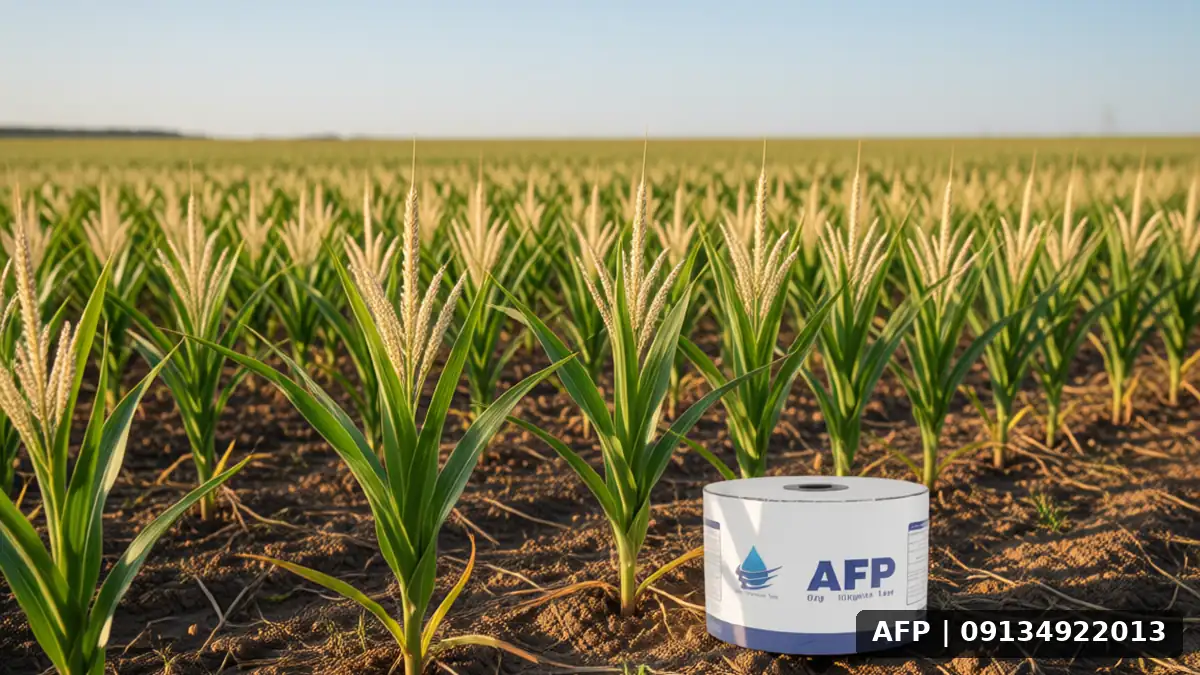
- Seed planting depth: Sorghum is sensitive to seed size. Planting depth should not exceed 3 to 5 cm. In soil where drip tape is placed at a depth of 3-4 cm, seeds must be planted exactly in the water line path to ensure uniform germination.
- Final density control: After germination, count the number of plants per linear meter of the row. If density exceeds the desired limit, consider manual thinning or local cultivatation. This process is similar to thinning principles for improving quality and quantity of forage sorghum, as it frees the main plants from competing neighbors.
- Moisture management during planting: If the soil is dry, heavy irrigation before or simultaneous with planting is recommended to retain moisture for germination. Drip line irrigation at this stage is performed with low pressure and high volume.
Also, attention to pre-purchase points for irrigation drip lines is essential to ensure suitable washing quality and prevent clogging of small orifices in clay soils, because clogs in the drip line can cause plant death in the vicinity and result in wasted planting costs.
Frequently Asked Questions (FAQ)
Does the difference between forage and grain sorghum varieties affect the seed amount?
Yes. Grain varieties generally have larger seeds, resulting in fewer seeds per kilogram compared to small-seeded forage varieties. Therefore, the required seed weight changes to achieve the same plant density. Always check the seeds per weight (DWT) listed on the seed package.
What is the best time to plant sorghum to benefit from drip irrigation?
In the northern halves of Iran, from mid- to late-March; in southern regions, from December to autumn. Planting timing should be such that sufficient water and light resources are available to the plant during sensitive growth stages (30 to 45 days after planting) to prevent heat stress in early growth.
Can corn seed rates be used for planting sorghum?
No. Although similar, sorghum seed size and germination capacity differ. Sorghum seed is generally smaller with a softer spread. Using corn rates can lead to overseeding and crop failure. Similar references such as watermelon seed rate per hectare also emphasize that any sowing plan must be calculated based on a specific seed analysis.
Conclusion
Precise determination of Sorghum seed rate per hectare This is a dynamic process that varies depending on the cropping objective (forage or grain), soil type, climate, and irrigation system. Using a drip-line system increases yield potential, but only if plant density is synchronized with root zone capacity and water requirements. Errors in planting density can put your investment at risk. The final recommendation is to begin recording data from the first year, including plants per meter, planting distance, and germination percentage. This data will help you estimate the required seed quantity more accurately in the following year. Precision agriculture is what makes the future brighter and ensures economic efficiency.
Related articles: Forage corn yield per hectare: A comprehensive guide to increasing performance and profitability