Smart Irrigation in Spinach Cultivation: Challenges and Practical Solutions
Spinach cultivation is one of the most challenging cases in water resource management due to its short growth cycle and precise moisture requirements. While new technologies promise a 30 to 50 percent reduction in water consumption, the practical implementation of these systems in real farms is accompanied by multiple obstacles. Smart irrigation for spinach is not just about installing a control panel; it requires a deep understanding of plant physiology, soil conditions, and precision in grading pressure and flow rate.
The Reason for Spinach Sensitivity to Water Stress
Spinach is a plant with shallow roots, and it obtains most of its nutrition from the top 30 centimeters of soil. Drying of this layer causes the plant to quickly enter stress, and leaf quality decreases in terms of bitterness and texture. Conversely, over-irrigation and moisture retention at the surface create a suitable breeding ground for tip rot. Therefore, the golden point, which we call hydraulic balance, is more critical for spinach than for other vegetables. Many farmers initially use conventional systems and only consider upgrading to smart systems when they face a decrease in product quality, which is too late.
Technical Challenges in Implementing Smart Drip Lines
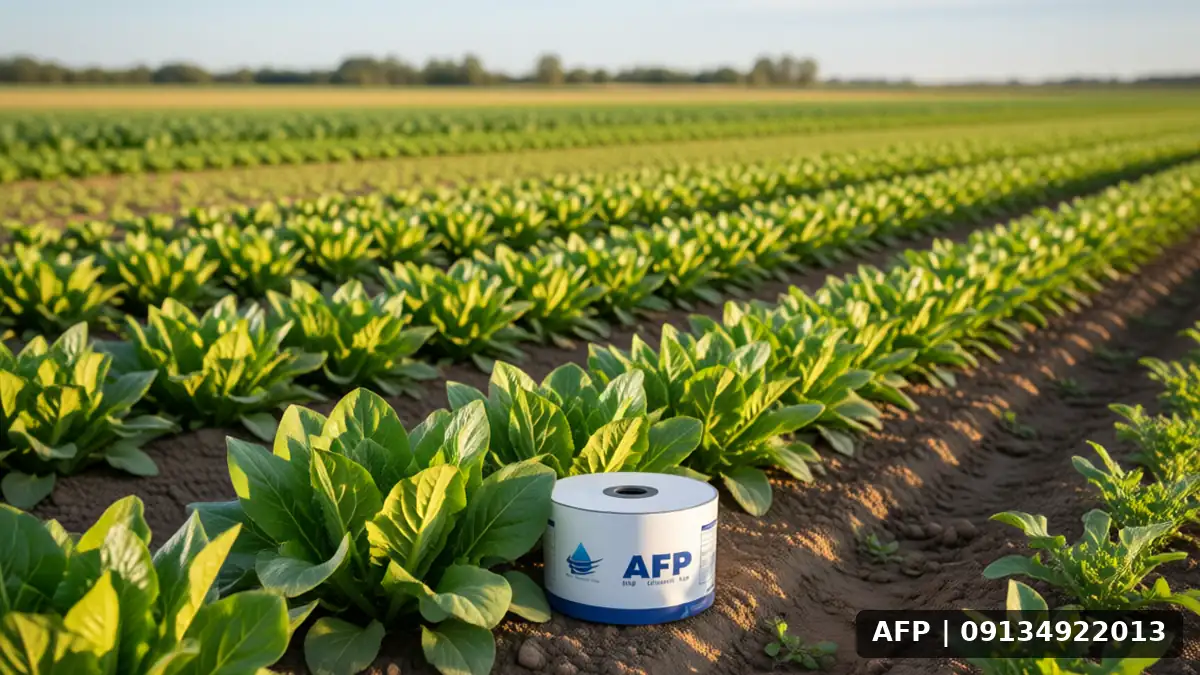
The use of drip lines in spinach irrigation can significantly reduce energy costs, but their smart implementation faces fine technical challenges. The first and most important problem is the settleability of suspended particles in the water. If the irrigation water source contains silt or sediment, the small nozzles of drip lines clog quickly. In smart systems with short and frequent irrigation cycles, partial clogs can disrupt uniform distribution, causing dry or wet strips in the rows. [[ image_1 ]] shows an example of proper drip line layout to reduce clogging and increase coverage.
- High sensitivity of drip emitters to water quality and the need for multi-stage filtration
- Pressure instability during flow rate changes managed by intelligent algorithms
- Limitations in selecting the appropriate spray radius for narrow spinach rows
Many users report that smart systems based on soil moisture sensors exhibit erratic behavior if the sensors are not calibrated for their specific soil type. For example, in sandy soils, high water infiltration rates can cause sensors to report adequate moisture levels, even though spinach roots are still experiencing water stress. This mismatch between sensor data and root-zone reality is the biggest challenge during the startup phase.
Economic challenges and return on investment
The initial capital investment in smart irrigation systems (including sensors, electrical panels, cloud software, and drip infrastructure) is significantly higher than that of manual or semi-automatic systems. Since spinach is a crop with a rapid production cycle, the return on investment (ROI) must be calculated across multiple short harvests. If the cutting cycle (number of harvests per year) is low, the economic justification for smart equipment becomes difficult. Additionally, repair and maintenance costs, and the need for specialized personnel to interpret data, represent further financial burdens for the farmer. Compared to other vegetables such as lettuce, which in Yield increase per hectare It requires more attention. Spinach has greater flexibility in water use but is sensitive to the timing of irrigation.
Potential for misinterpretation of data
Pressure on farmers to use cloud data and complex analytics can sometimes cause confusion. When the smart system warns that soil moisture is high, should irrigation be stopped or continued? This ambiguity leads many farmers to ignore the system and revert to their intuition. Low literate and sometimes unreliable internet in farms are other challenges that should not be overlooked.
[[ IMAGE_2 ]]
Practical tips for successful implementation
To overcome these challenges, adherence to the following principles is recommended. First, invest in water quality. Using appropriate filters for drip line is vital. To familiarize yourself with the correct characteristics of equipment, you can refer to the guide for flexible sprinkler or other ancillary equipment to have an integrated system.
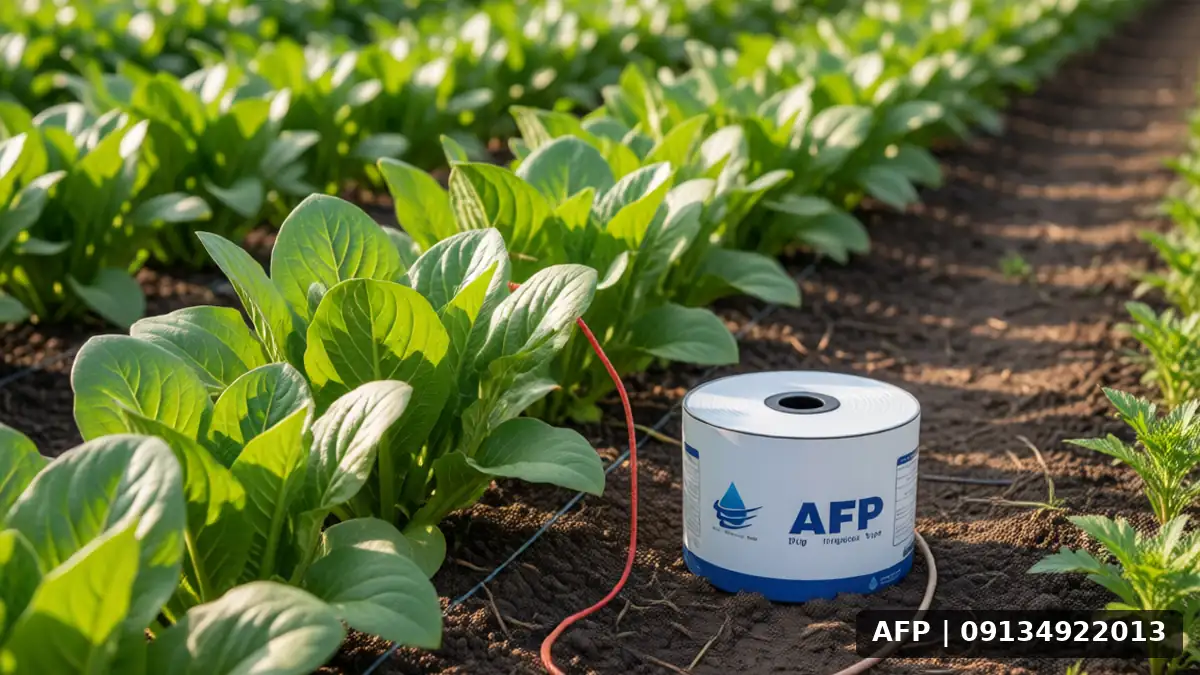
- Specialized sensor calibration: Place the moisture sensor in a pot containing a field soil sample and, after a few hours of irrigation, compare the actual value with the recorded value. Adjust the conversion coefficient.
- Use of pulse pressure sensors: Install pressure sensors in lateral lines to prevent severe fluctuations. The tip line performs better at stable flow rates.
- Dynamic scheduling: Instead of relying solely on a static algorithm, define an alert band. The smart system should issue minor alerts rather than making major decisions, allowing the farmer to make the final call. This approach has proven successful for irrigating lettuce and similar leafy vegetables.
Additionally, when selecting seed rates and planting density, ensure coordination with irrigation hoses. Higher planting density requires deeper root depth or more frequent, shorter irrigation intervals. You can study this by reviewing vegetable seed ratesCalculate the optimal density for your conditions to reduce the required water flow rate.
Frequently Asked Questions (FAQ)
Is smart irrigation justifiable for small spinach farms?
Yes, if you start with miniature systems and light tape drip lines. Small farms have greater flexibility and can use more affordable equipment to manage moisture. The most important principle is precise moisture management, not necessarily full automation.
When is the best time to irrigate spinach in a smart system?
The best time is usually 4:00 to 6:00 AM, as evaporation from the soil surface and leaves is at its lowest. The smart system should have this time window as the default setting and sync with local weather data.
What is the difference between using drip and tape drip for spinach?
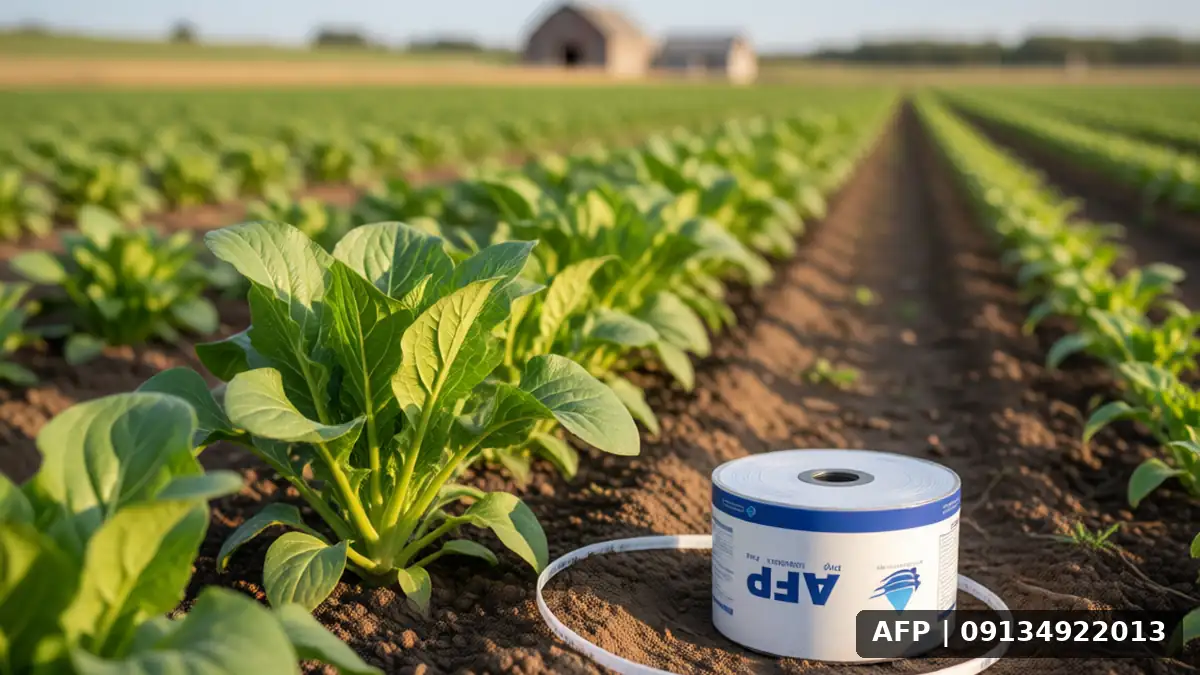
Tape drip irrigation covers a wider area and, due to its high flow rate, reduces plant temperature, but it requires higher pressure. Drip irrigation is suitable for greenhouse environments and soilless cultivation. In open-field cultivation, tape drip irrigation is generally the better option due to uniform soil coverage. To see other examples, you can read the article How to Use Tape Drip Irrigation .
Conclusion: Forward-Looking with Realism
Smart irrigation for spinach is not overnight magic; it is a precise tool that demands greater accuracy from you. Challenges ranging from filter clogging to sensor calibration are all solvable but require knowledge and patience. By combining tape drip irrigation, reliable soil sensors, and a clear strategy, you can preserve the lush green of your spinach even with water scarcity. The key to success is striking a balance between technology and manual field monitoring; the smart farm is not about kinetic agriculture, but data-driven agriculture with a meticulous touch.
To expand your knowledge in various irrigation areas, reading related articles such as Flooding Irrigation Methods for Vegetables can provide a better understanding of method comparisons.