Comprehensive Dill Planting Guide with Drip and Tape Irrigation
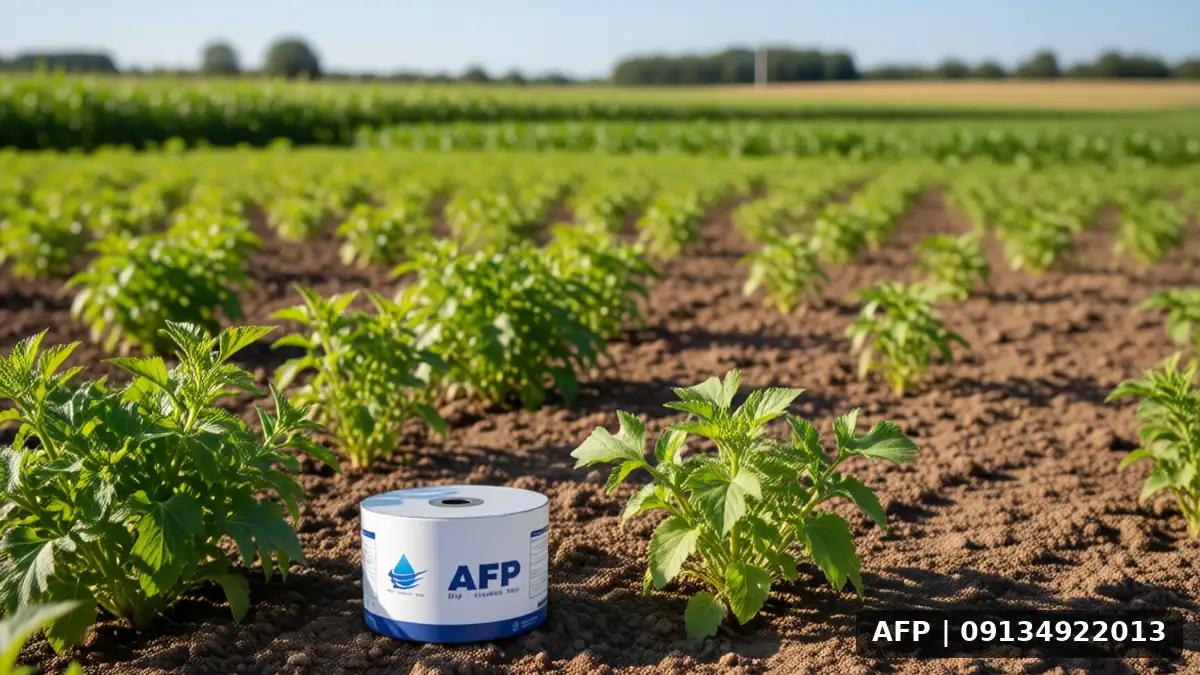
Introduction: Why Drip Irrigation Is Essential for Cilantro
Cilantro (Petroselinum crispum) is considered one of the most challenging vegetables for commercial cultivation due to its rapid growth and high sensitivity to drought. Traditional irrigation systems, such as soil-watering, often cause uneven moisture in the root zone, resulting in rot or abnormal plant growth. In contrast, drip irrigation allows for the precise delivery of water and nutrients directly to the roots. This method not only increases the growth rate of foliage but also minimizes water resource consumption by reducing evaporation.
In this comprehensive guide, we focus on the application of drip tape and modern emitters, as these are among the most efficient systems for high-yield vegetable cultivation. Although drip tape is generally recognized for use in open-field crops, it can be optimized for denser plantings like cilantro by appropriately adjusting flow rate and emitter spacing. You can refer to the Technical Specifications of Drip Tape section to better understand the technical structure of these tapes. This study will help you match the exact hose dimensions and hole spacing to the actual needs of cilantro to prevent water stress.
The use of these technologies not only benefits the agricultural economy but also aligns with environmental goals by reducing the leaching of fertilizers from the root zone. Next, we will discuss detailed planting tips and precise irrigation scheduling. Our primary objective is to prevent farmers incurring unnecessary costs caused by selecting the wrong system by providing practical technical details.
Getting Started with Drip Tape in Vegetable Cultivation
Selecting an appropriate irrigation system depends on the regional climate and soil type. Drip tape is a popular option for vegetables due to its ease of installation and lower cost compared to independent drip emitters. When choosing drip tape for dill, two key factors must be considered: emitter spacing and the diameter of the main line (installation hose). Because of dill’s fine root system, the system must operate at low pressure to prevent root breakage.
Emitter Spacing and Flow Rate
- 10 to 15 cm spacing: Suitable for dill, which requires uniform moisture around the plant. This spacing ensures that the root zone remains moist along the entire length of the row.
- Discharge rate: A discharge rate of 2 ml/hour is typically recommended for this drip tape size. This rate allows water to be absorbed slowly by the soil, preventing surface runoff.
To select the appropriate model, studying the drip tape selection section will help you choose a model suitable for your conditions. Additionally, for managing long-term costs, knowing the maintenance cost of drip tape is critical, which you can consider on the Drip Tape Maintenance Cost page. This section helps you plan your annual budget based on component wear.
Drip Irrigation Schedule for Cilantro
Irrigation timing management is a determining factor for the final crop quality. Cilantro is a biennial plant that produces herbs in the first year and requires consistent moisture. Extreme moisture fluctuations can cause the leaf tissue to become tough or, conversely, hard and woody. Here is a sample schedule for a spring planting, which should be adjusted based on local temperature:
- Nursery Stage (Weeks 1-2): Light and frequent irrigation (every 4 hours) to prevent seedlings from breaking. At this stage, roots are very delicate and require surface moisture.
- Active growth stage (weeks 3 to 6): Increase irrigation volume due to root and green canopy expansion. Use drip and tape for uniformity. Foliar feeding can also begin at this time.
- Harvest stage (week 7 onwards): Reduce irrigation to focus on nutrient density in the leaves. Reducing irrigation enhances the aroma and flavor of cilantro.
One of the main reasons for decreased efficiency in vegetable cultivation is incorrect timing of irrigation management. To learn about methods to increase yield, visit the Increase Cilantro Yield page. Also note that selecting appropriate mainline pipes, such as a 90 mm braided hose, plays a role in maintaining proper system pressure. These pipes are resistant to pressure and UV radiation and have a longer useful life.
Irrigation schedule summary table
Practical tips for preventing clogging and damage to drip tape
One of the biggest challenges when using drip tape for vegetable cropping is the clogging of emitters by mineral deposits or biofilm growth. For dill, since liquid chemical fertilizers are commonly used, appropriate filtration must be employed to prevent minor blockages. Additionally, water quality determines the system’s useful life; saline or highly hard water requires periodic flushing.
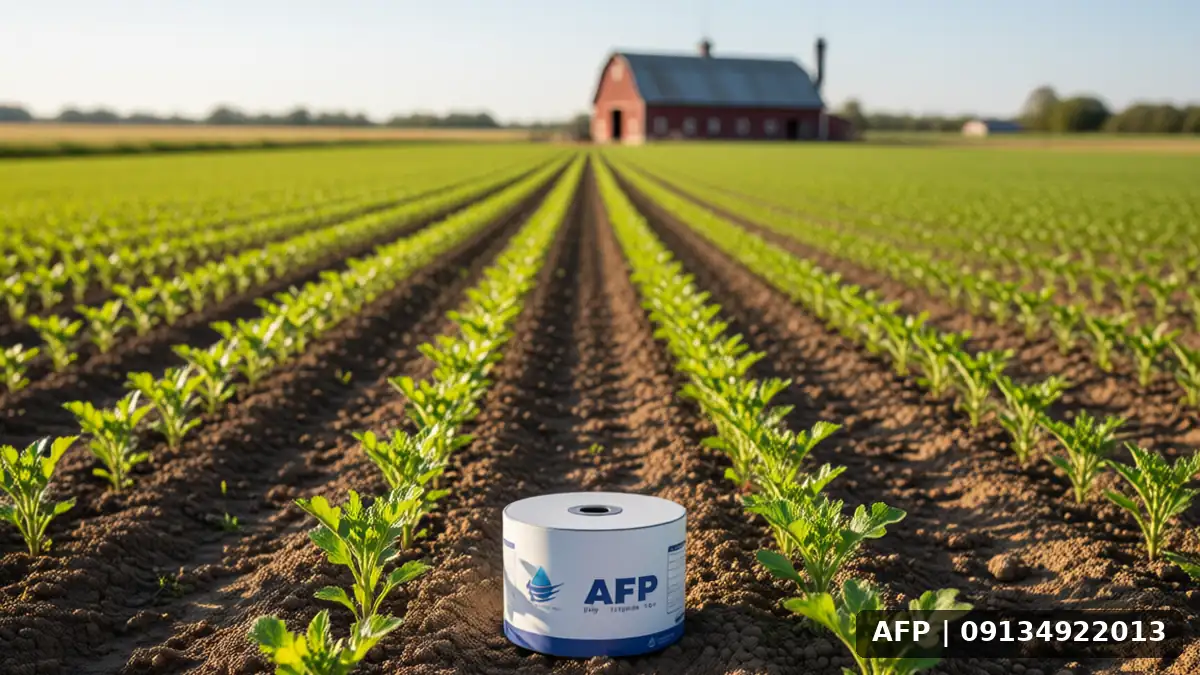
- Filtration: Use a 120-mesh screen filter to prevent clogging of the drip tape. Regular filter cleaning is the highest priority.
- Periodic flushing: Periodically open the system to discharge accumulated sediments at the end of the pipes. This prevents the formation of sludge.
- Pressure control: High system pressure causes the drip tape to lift away from the soil bed and damages coriander roots. Always use a pressure regulator.
Additionally, paying attention to maintenance cycles and repair costs increases the lifespan of your irrigation system. If you need more technical information about drip tape maintenance, you can refer to our guide on Maintenance Costs (or similar topics) to prevent unnecessary expenses. Preventive maintenance is always cheaper than major repairs.
Frequently Asked Questions (FAQ)
Is drip tape suitable for coriander, or should drip emitters be used?
Independent drip emitters generally offer superior control for denser crops and precise management, but drip tape is more cost-effective. For densely planted coriander, smaller emitters spaced 10–15 cm apart are the best option. The choice between these two depends on your budget and required precision.
Can coriander be fertilized via drip emitters?
Yes, applying chemical fertilizers through a drip irrigation system (Fertigation) increases the growth rate and reduces fertilizer consumption. However, an appropriate filter and dilution tank are required to prevent precipitation inside the pipes. This method also ensures consistent growth.
Why does cilantro turn yellow, and how is this related to drip irrigation?
Yellow leaves can sometimes indicate nitrogen deficiency or irregular irrigation. Tipline strips prevent irregular irrigation by creating uniform moisture and help improve soil element uptake. It is also necessary to monitor the pH of water and soil.
What is the optimal flow rate for cilantro?
A flow rate of 1 to 2 milliliters per hour is generally sufficient for each plant. This amount ensures uniform water uptake by the roots and avoids localized overwatering that causes rotting. Higher flow rates are not recommended for cilantro.
How does the cost of tipline strip repairs compare to drip tape?
Tipline strip repair costs are generally lower because these systems have a simpler structure and cheaper spare parts. Independent drip emitters, due to their plastic and mechanical components, incur higher repair costs if they fail. The useful life of a tipline strip is usually one season.
Summary: Smart Investment for Cilantro Cultivation
Transitioning to drip and tape (netafim) irrigation systems is a vital step for modern farmers and gardeners. These systems not only reduce water costs but also enable more integrated plant growth management. By observing proper spacing, using the appropriate filters, and maintaining a regular schedule, you can prevent root rot in cilantro and maximize crop yield. It is recommended to thoroughly inspect the system before starting each planting season to ensure a uniform flow.
To learn more about the challenges of vegetable production and advanced irrigation methods, you can read our other articles, such as: Agricultural-related studies (or a similar vegetable guide). Remember that a proper irrigation system accounts for half the success of cilantro cultivation in hot climates. Learning installation and maintenance skills is a long-term investment for your farm.
Related articles: Drip irrigation strip in Tikrit: Advanced agricultural solutions to increase productivity