Quinoa Yield Per Hectare Using Drip Tape: A Technical Guide
Introduction to quinoa and the importance of precision irrigation
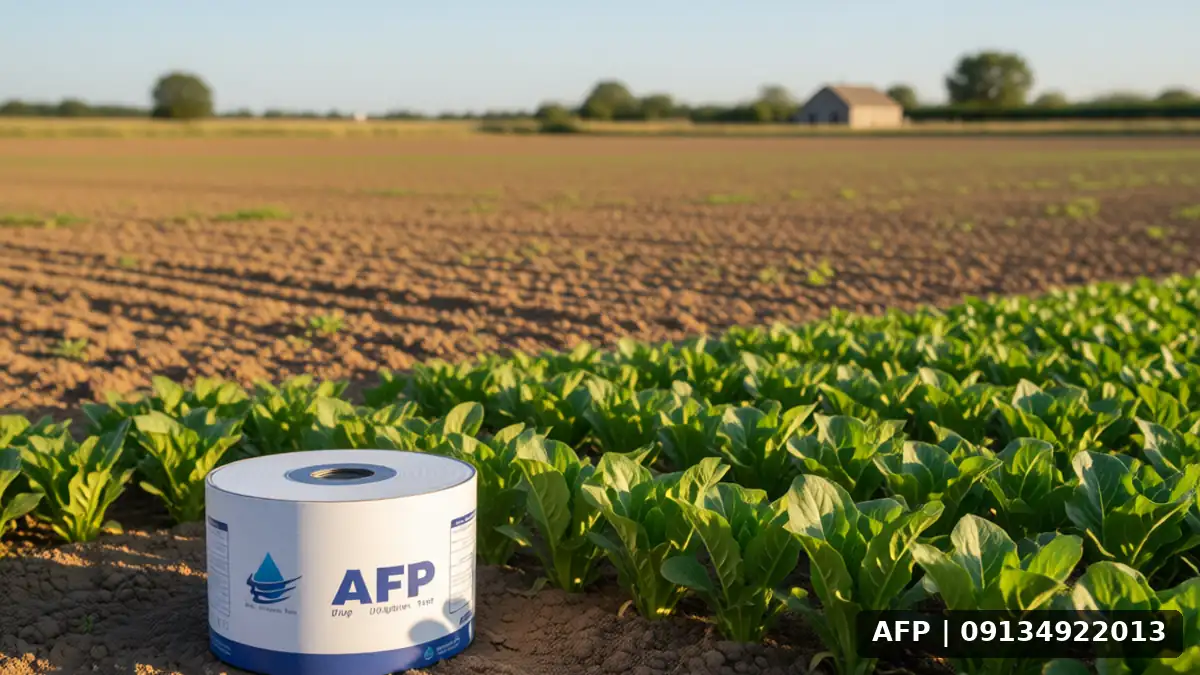
Quinoa (Chenopod quinoa) is an annual herbaceous plant that has received special attention from farmers in recent years due to its high nutritional value, complete protein, and relative tolerance to drought stress. One of the main challenges in cultivating this crop is achieving sustainable and economical yield. Quinoa yield per hectare is heavily influenced by irrigation type, seed quality, and root management. Among these factors, drip tape systems, as one of the most efficient drip irrigation methods, play a crucial role in managing water resources and increasing crop yield. By reducing evaporation and deep infiltration of water in the root zone, this method creates optimal conditions for stem growth and panicle formation.
[[(IMAGE_1)]]
Factors affecting quinoa yield per hectare
To better understand the production potential of this crop, it must be understood that the final yield per hectare is influenced by multiple variables. Among these variables, precise water management and the correct selection of irrigation equipment are of particular importance. Conventional irrigation systems, such as surface irrigation, often lead to uneven root zone wetting and reduced performance. In contrast, the use of drip irrigation system components with drip tape This allows water to be placed precisely in the root zone. This irrigation precision improves water use efficiency (WUE) and ultimately increases dry grain weight per unit area.
The effect of soil moisture on vegetative growth and flowering
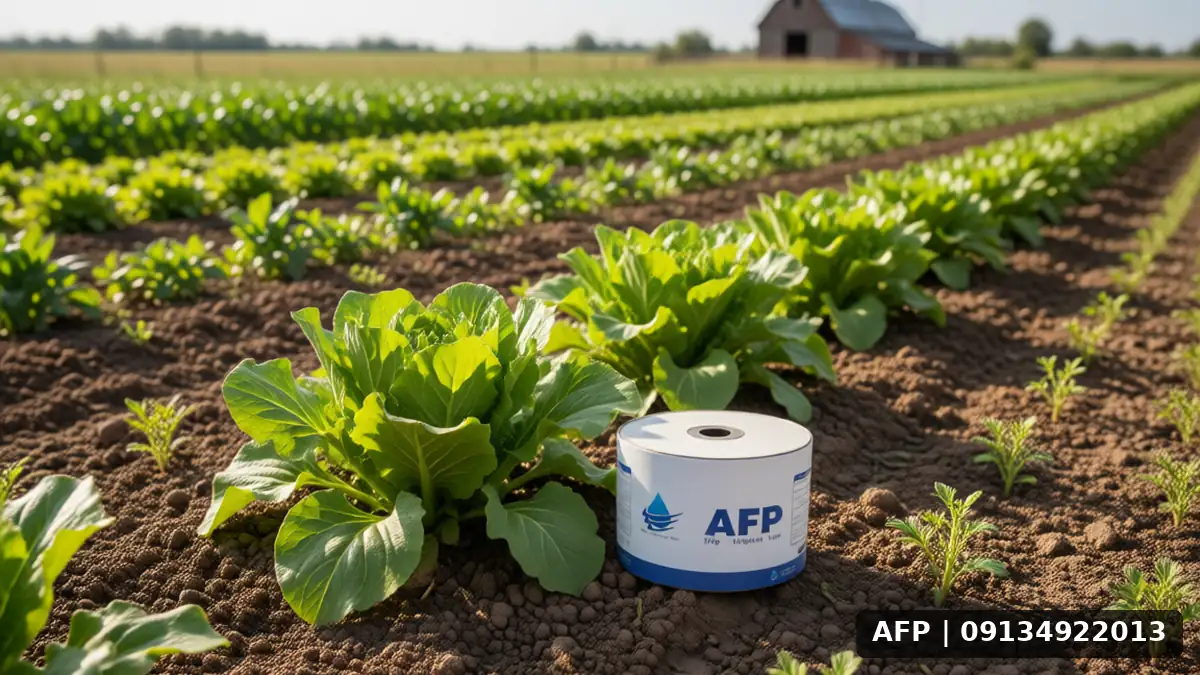
The vegetative cycle of quinoa is typically 110 to 130 days. During the sensitive phases of vegetative growth and flowering, water stress can cause smaller panicles and a reduced percentage of filled grains. Drip tape with a constant and uniform flow minimizes soil moisture fluctuations. Farmers using this method generally observe a 15 to 25 percent yield increase, depending on the region and environmental conditions. While these figures vary by climate and selected cultivars, the principle of yield improvement through precise water management is clear.
[[(IMAGE_2)]]
Practical guide for using drip tape for quinoa
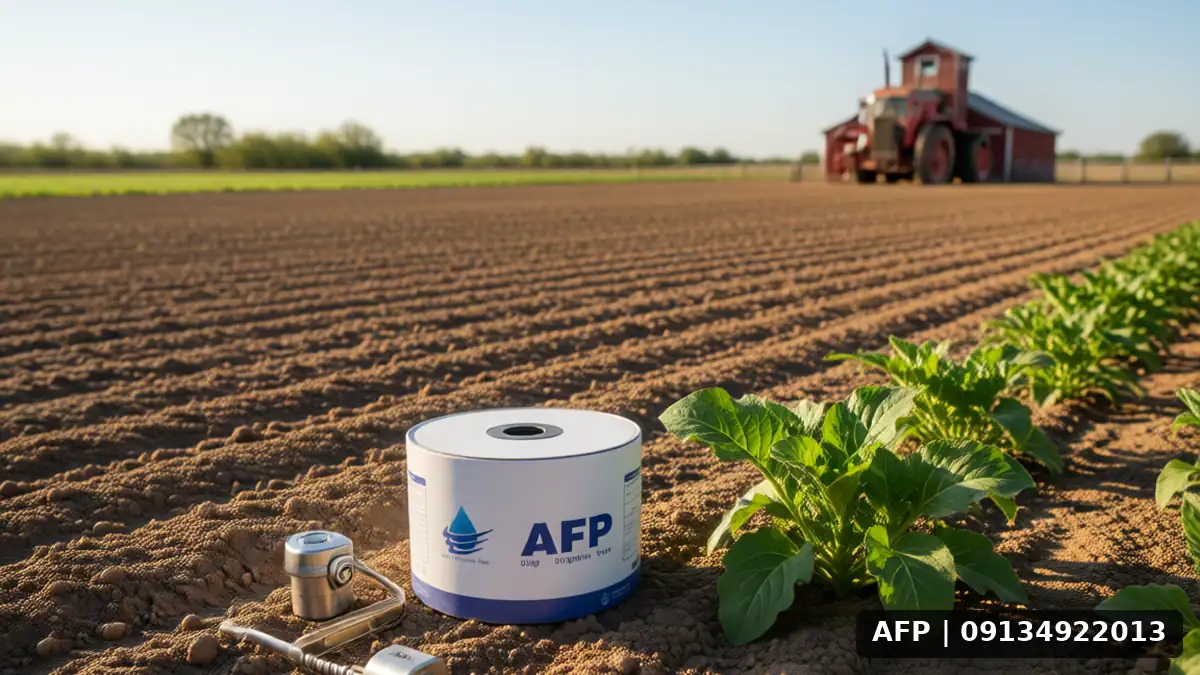
Equipping a farm with drip tape requires proper connection establishment and appropriate system pressure regulation. One weakness in many farms is leakage from improper connections. To prevent water loss and maintain system pressure, the use of agricultural drip tape connections with high quality is recommended. These connections must be selected to match the diameter of the main pipe and drip tape to optimize the hydraulic resistance of the system.
Irrigation Operation Staging
- Planting and Establishment: After sowing, light and regular irrigation is essential for rapid root establishment.
- Vegetative Growth: At this stage, irrigation amounts increase to allow stems and leaves to reach maximum growth. The spacing between drip lines usually matches the crop row spacing.
- Flowering and Accumulation Phase: Plant sensitivity to water deficit is high at this stage. Reducing irrigation can lead to grain shrinkage. Precise monitoring of soil status using sensors or visual observation is recommended.
- Final Maintenance: Before harvest, irrigation is stopped so that the plant dries out and the grains become ready for harvest.
Comparing the yield of quinoa with other crops can provide a better understanding of this crop’s position in the agricultural value chain. For example, in Increasing garlic yield per hectare Drip irrigation also plays a very important role, but the water demand patterns of these two crops are completely different. Quinoa has a higher tolerance to soil salinity compared to garlic, and therefore is a better option in areas with low to medium saline waters.
[[(IMAGE_3)]]
Optimizing efficiency with agronomic considerations
The quinoa yield per hectare is not dependent on irrigation alone; plant nutrition and weed control also play a role. The T-rip method, due to the concentration of water in the planting beds, allows for fertigation. This increases the absorption of specific nutrients by the roots. For comparison, in the guide for forage corn yield per hectare the use of fertilization combined with drip irrigation has also been considered one of the keys to success. Similar principles apply to quinoa; that is, the combination of water and nutrient management doubles efficiency.
Weed management and water competition
- Use plastic mulch on the bed (where possible) to reduce evaporation and prevent weed growth.
- Plant quinoa in spaced rows to facilitate movement for mechanical operations.
- Continuously monitor the drip line to prevent clogging of emitters, which can cause suffocation of plants in specific zones.
Frequently Asked Questions (FAQ)
1. What is the average quinoa yield per hectare using a drip line?
Quinoa yield varies depending on the variety, climate, and farm management. However, using a drip irrigation system, the expected dry yield is estimated between 400 and 800 kg per hectare. Under ideal conditions with adapted local varieties, this figure can be higher. A comparison with other crops, such as the dry chickpea seed rate per hectare, shows that quinoa occupies a distinct position in terms of growth yield; while it is not a high-yield grain crop by volume relative to its nutritional value, its profitability is offset by its higher grain price.
2. Is drip tape suitable for sandy soils?
Yes, drip tape is highly efficient in sandy soils with high permeability because it delivers water directly to the root zone and prevents deep percolation. In such soils, the spacing between drip tapes should be narrower, and the number of emitters per meter should be increased to ensure uniform moisture coverage.
3. What is the difference in quinoa yield between drip tape and drip line systems?
Drip tape has a lower initial cost and faster installation but less durability, as it is typically designed for a single growing season. Drip lines last longer but cost more. For quinoa, which is a seasonal crop, drip tape is very economical. For more technical details, you can refer to the drip tape agricultural guide which covers technical comparisons.
Conclusion and final recommendations
Using advanced irrigation technologies such as drip tape is the key to increasing quinoa yield per hectare . This system provides conditions for maximizing crop performance by improving water efficiency, reducing environmental stress, and enabling precise fertilization. Farmers should use standard equipment, such as appropriate connectors, and adjust the irrigation schedule according to plant growth stages before implementing the project. Given quinoa’s high potential as an alternative crop in dry regions, investing in efficient irrigation systems is the only logical solution for achieving economic and sustainable productivity. Paying attention to execution details, such as tape connection types and pressure management, can make a significant difference in the final cropping outcome.