Rosemary Yield per Hectare Using Drip Tape: A Specialized Guide to Increasing Performance
Introduction to the Importance of Modern Irrigation Systems in Rosemary Cultivation
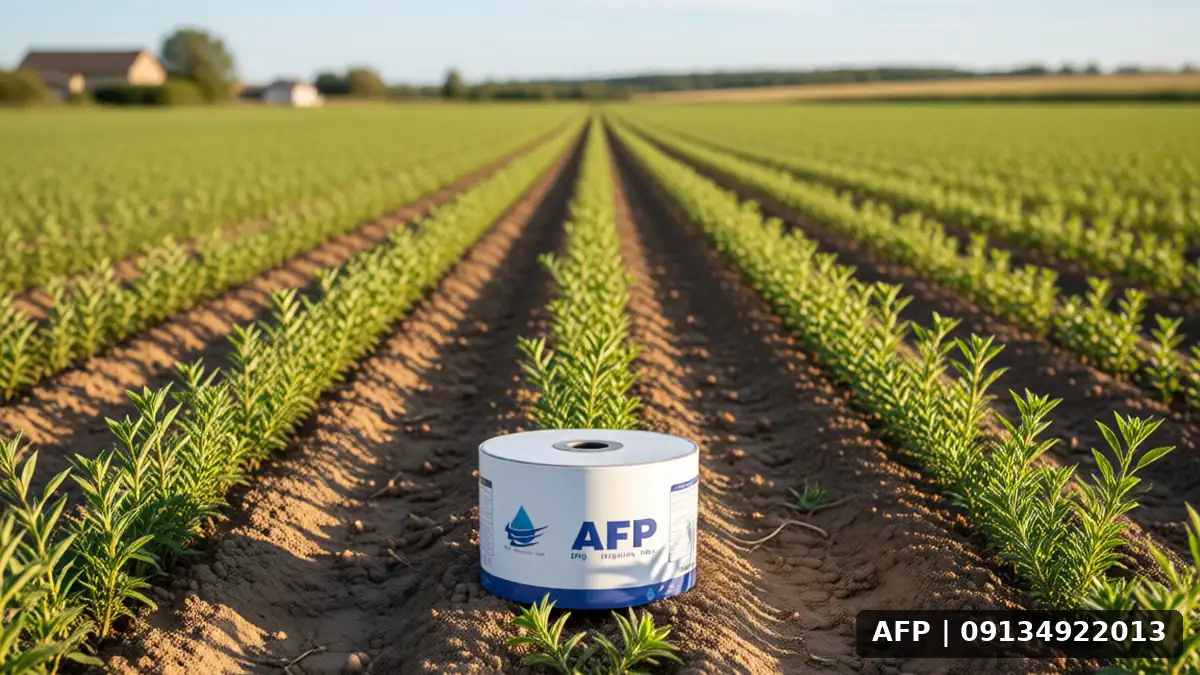
Rosemary (Rosmarinus officinalis) is an evergreen plant of the Lamiaceae family that holds a prominent position in the medicinal plant industry in Iran and globally due to its medicinal, antioxidant, and aromatic properties. One of the main challenges for medicinal plant producers is increasing production yield per unit of land area. In this regard, low-pressure and precision irrigation systems such as drip tape play a vital role in managing water resources and enhancing Measuring Water Pressure for Drip Tape performance. The use of these technologies ensures that roots in the dense root zone remain consistently moist, which directly positively impacts the harvest yield of rosemary per hectare. This not only prevents root desiccation but also ensures the balanced growth of secretions and foliage throughout the seasons.
In conventional surface irrigation methods, water loss due to evaporation and deep percolation is very high. However, in the drip tape system, water is delivered directly to the root zone. This leads to a reduction in root fungal diseases and an increase in nutrient uptake, ultimately improving plant growth indices. The adoption of this method also reduces energy costs associated with pumping due to the lower required pressure, making farmers more resilient to energy price fluctuations. Additionally, controlling surface soil moisture reduces weed growth near the shrubs, which is considered a dual economic and environmental advantage.
Specialized Examination of Factors Affecting Rosemary Performance Per Hectare
For a more accurate understanding of rosemary yield per hectare using tape drip, attention must be paid to the plant’s physiological and environmental factors. Rosemary prefers well-drained soils with a slightly acidic to neutral pH. Water pressure in the tape drip system must be adjusted to ensure uniform flow and prevent over- or under-irrigation in different planting zones. A study on tape drip water pressure measurement showed that uniform water distribution of up to 95% along planting rows is a key factor in increasing production. Soil unevenness and row length affect pressure uniformity; therefore, using pressure-regulating emitters at the end of long rows or avoiding planting on unsuitable slopes is essential to ensure rosemary experiences uniform growth across the entire field.
- Planting density: Appropriate spacing between rows and plants to allow for the growth of rosemary’s hedge-like foliage. Dense planting may reduce light penetration, but with proper irrigation management, it can increase live harvest weight.
- Irrigation system type: Using tape drip as an alternative to fixed drippers. This system is ideal for medicinal herb farms that may not have a multi-year lifecycle due to its lower cost and high installation speed.
- Nutrient management: Plant nutrition through the irrigation system (Fertigation). Direct injection of fertilizers into the root zone increases uptake efficiency by up to 30% and prevents soil surface salinity.
Yield improvement and yield-increasing methods
Increasing the final yield of rosemary is not solely dependent on the irrigation system. Similar to other medicinal plants, combining precise irrigation with appropriate cultivation methods is essential. For example, in studies that focus on increased yield of mint per hectare there is an emphasis on multiple harvests and proper pruning of dicotyledonous medicinal plants. Rosemary also responds well to regular pruning; each pruning event triggers the release of growth hormones and the renewal of the plant’s canopy, leading to an increase in green canopy volume during the year. The timing of these prunings must be coordinated with the irrigation schedule so that the plant can rapidly resume water and nutrient uptake after pruning stress.
Furthermore, selecting disease-resistant varieties, particularly those resistant to root diseases, is of double importance in environments where surface soil moisture is controlled by drip lines. The drip line system allows the farmer to use less water with higher efficiency; this principle is critical in managing water scarcity, which is intensifying in many regions of Iran. Similar studies regarding factors increasing alfalfa yield per hectare This also indicates that drip irrigation reduces input consumption and increases the harvest index. In rosemary, this precise water control leads to a higher concentration of essential oils in the leaves and stems, thereby improving the medicinal quality of the product. Therefore, the increase in final yield represents a balance between biomass and chemical quality, which is optimized by drip line irrigation.
Practical tips for implementing the drip line system for rosemary
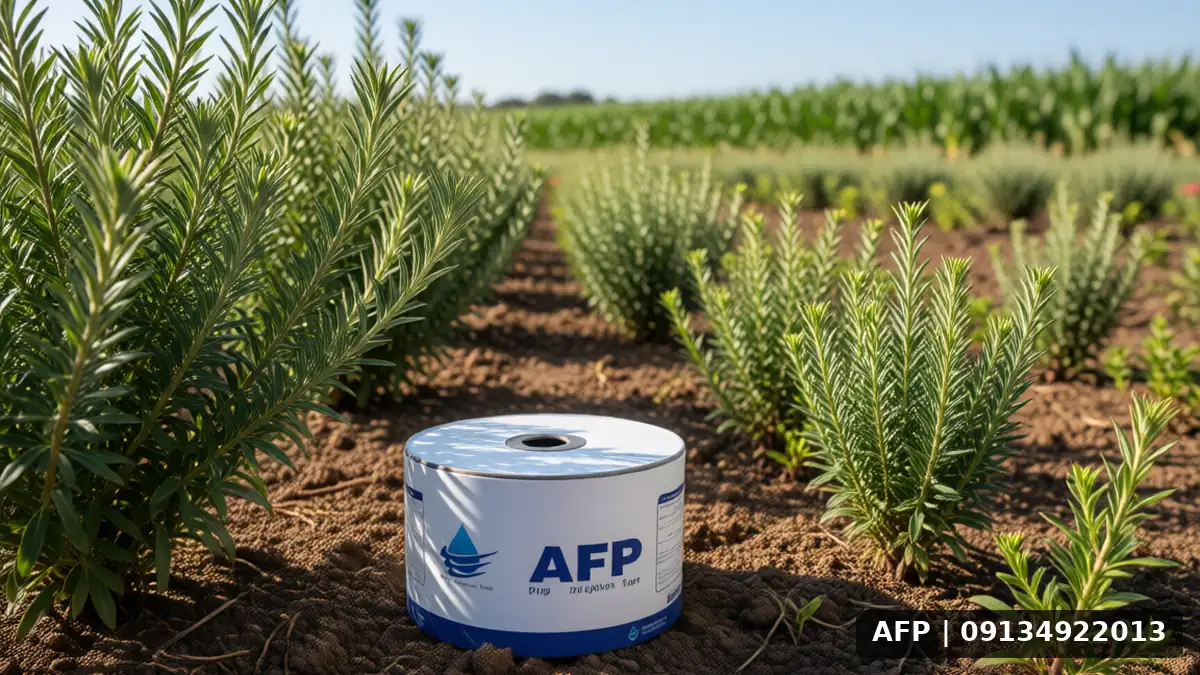
Correct implementation of an irrigation system requires technical precision in equipment selection and installation. A key point is selecting a drip line with an appropriate diameter and emitter spacing. For rosemary, which has shallow, dense root systems, an emitter spacing of 20 cm on the drip line can provide good moisture coverage. Referring to the comprehensive guide Price of the 20 cm drip line in the Iranian market can be helpful in selecting high-quality brands that guarantee uniform distribution. Additionally, the line’s resistance to UV radiation and shear stress should be checked to ensure its durability under Iran’s harsh climatic conditions.
- Seedbed preparation: Proper plowing and seedbed preparation to remove soil compaction and create a suitable rooting environment. The presence of small stones can puncture the line; therefore, soil sieving at the sowing stage is important.
- Main equipment: Install filtration, main valves, and pressure control. Using mesh filters with an appropriate range prevents clogging of drip emitter holes.
- Drip tape layout: Place the tape adjacent to the plants at a distance of approximately 15 to 20 cm. Placing the tape too close to the stems can cause cutting rot or microbial contamination.
- Tape discharge adjustment: Check the discharge pressure at the end of the mainline to ensure uniformity. If pressure differences exist, use height-adjusting taps or subdivide the mainlines.
Irrigation management across different seasons is critically important. In late spring and summer, when heat stress is common in medicinal plants, increasing irrigation frequency while reducing the volume per irrigation alleviates plant stress and helps preserve the quality of the essential oil in the rosemary canopy. This process directly affects the determination of drip tape irrigation points. In autumn, when plant vegetative growth focuses on winterization, gradual reduction of irrigation is necessary to induce the semi-dormant period and strengthen root woody growth.
Frequently Asked Questions (FAQ) about rosemary cultivation and drip tape
What is the best season for planting rosemary using tape drip irrigation?
In temperate climates, autumn is generally the suitable time for planting rosemary, allowing the plant to spend one winter to establish a strong root system. With a tape drip system, broadcasting in warmer seasons is also feasible with specialized irrigation care. In arid regions, summer can serve as the planting season with regular tape drip irrigation, provided that temporary shade structures or biweekly care for young plants is implemented.
Is tape drip better than drip irrigation for rosemary?
Tape drip has lower installation and replacement costs and is considered a more efficient option for larger farms with recurring planting and harvesting cycles. Drip emitters have a longer service life but are preferred in some smaller farms due to their higher cost. For rosemary, which is typically grown as a bush with high density, tape drip has an economic advantage in terms of root zone coverage and cost per unit of product.
How many times a day should tape drip irrigation be performed?
This frequency depends on factors such as air temperature, evaporation rate, and soil texture. Generally, two to four short irrigation sessions per day are ideal during peak summer to maintain consistent moisture. During cold winter nights, one or two irrigation sessions per day are sufficient. Monitoring soil moisture with manual or automatic sensors is the best way to adjust irrigation dosage and frequency.
What is the impact of tape drip on the quality of rosemary essential oil?
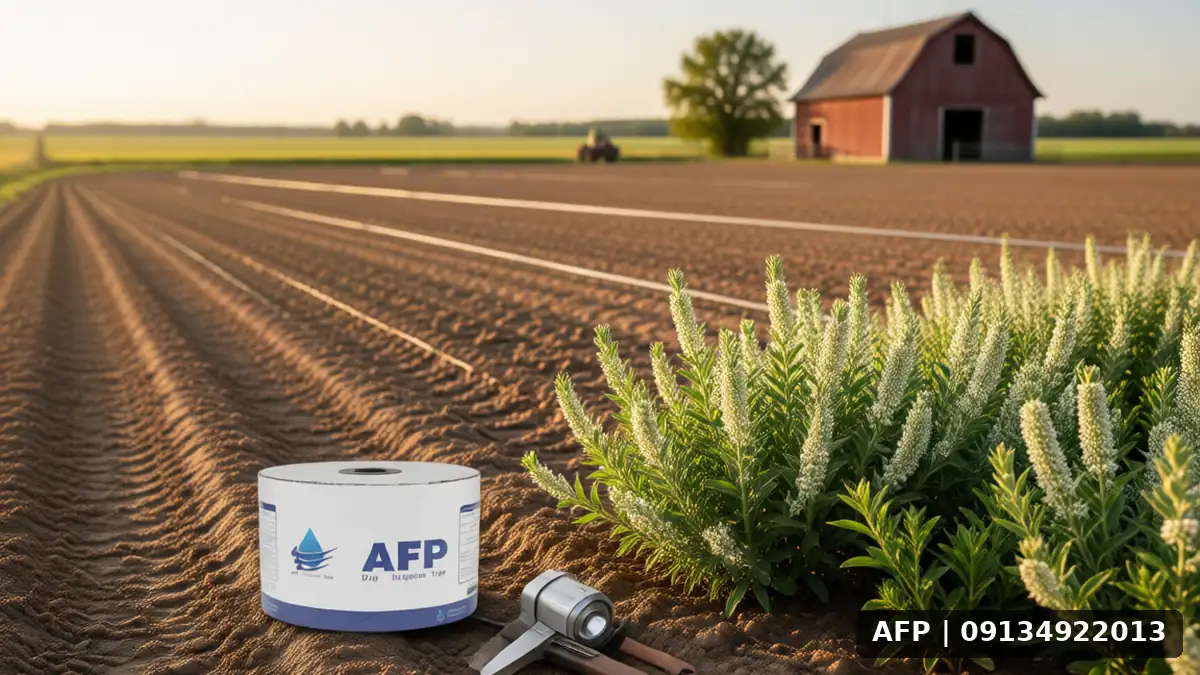
Water deficit stress leads to a greater accumulation of volatile essential oils in the leaves. By precisely regulating the irrigation dose via drip tape, one can balance maximum biomass production for live weight against maximum essential oil concentration for pharmaceutical value. This balance increases the product’s added value in the medicinal plant market, enabling farmers to produce export-quality crops.
Conclusion: The Future of Rosemary Cultivation with Precision Irrigation
The per-hectare yield of rosemary using drip tape requires combining medicinal plant cultivation knowledge with modern irrigation technologies. Modern systems like drip tape offer high potential for significantly increasing final yield by reducing water losses, improving plant growth uniformity, and enabling better management of root diseases. To achieve high yields, farmers must pay special attention to technical installation details, periodic replacement of tape lines, and precise water use planning.
Further research and field trials in different regions of Iran can help accurately identify local varieties compatible with modern irrigation systems. Ultimately, moving toward precision agriculture is not only economically viable but also plays a green, living role in preserving the country’s water resources. By following the principles outlined in this article, rosemary yields are expected to see a tangible leap in both green weight and pharmaceutical quality compared to conventional cultivation methods. Investing in drip tape is an investment in the economic sustainability of the farm and environmental safety.