Carrot Pest and Disease Management in Drip and Tape Irrigation Systems
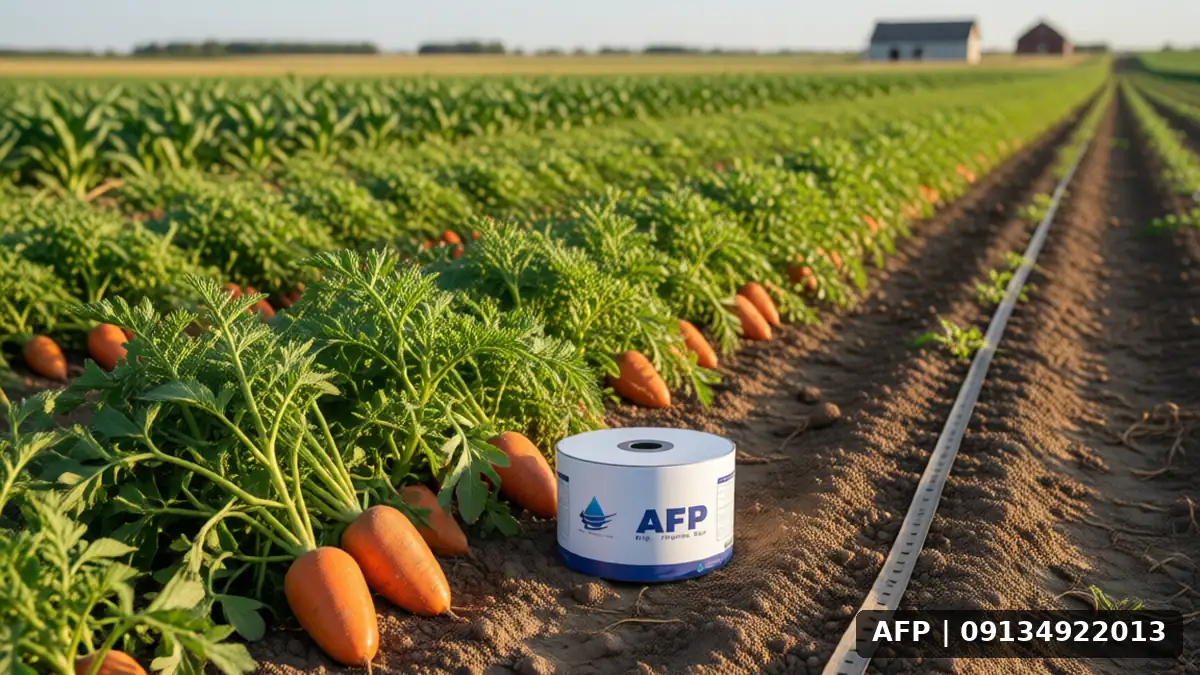
Carrot (Daucus carota) is a highly economically significant root crop whose quality deteriorates sharply under poor moisture conditions and pest and disease pressure. A major challenge for producers is striking a balance between meeting the plant’s moisture needs and preventing a humid environment that favors fungi and weeds. Modern systems such as trickle strip and drip irrigation, by precisely distributing water within the rhizosphere, offer high potential for reducing root diseases. This specialized guide reviews how targeted irrigation can serve as a defensive strategy against carrot pests and diseases using drip irrigation .
The precise correlation between soil moisture and carrot disease incidence
Fungal diseases such as downy mildew, root rot, and gray mold are directly influenced by soil relative humidity. In rainfall-based irrigation, temporary soil saturation leads to root rot and ineffective respiration. In contrast, drip irrigation maintains moisture within the optimal range, preventing the growth of fungal hyphae at the soil surface. The key point is that water should not reach the leaves, as fungal spores are easily transferred through water droplets. Using trickle strips positioned close to the soil surface reduces the rate of surface wetting and creates a dry zone that inhibits the flight of small gnats and certain mites. To optimize the distance of the strip from the plant and prevent direct contact between water and the stem, the maintenance of trickle strips and cost can be effective in selecting the appropriate model for carrots.
[{{{{IMAGE_1}}}}]
Chemical and physical pest control with a focus on irrigation
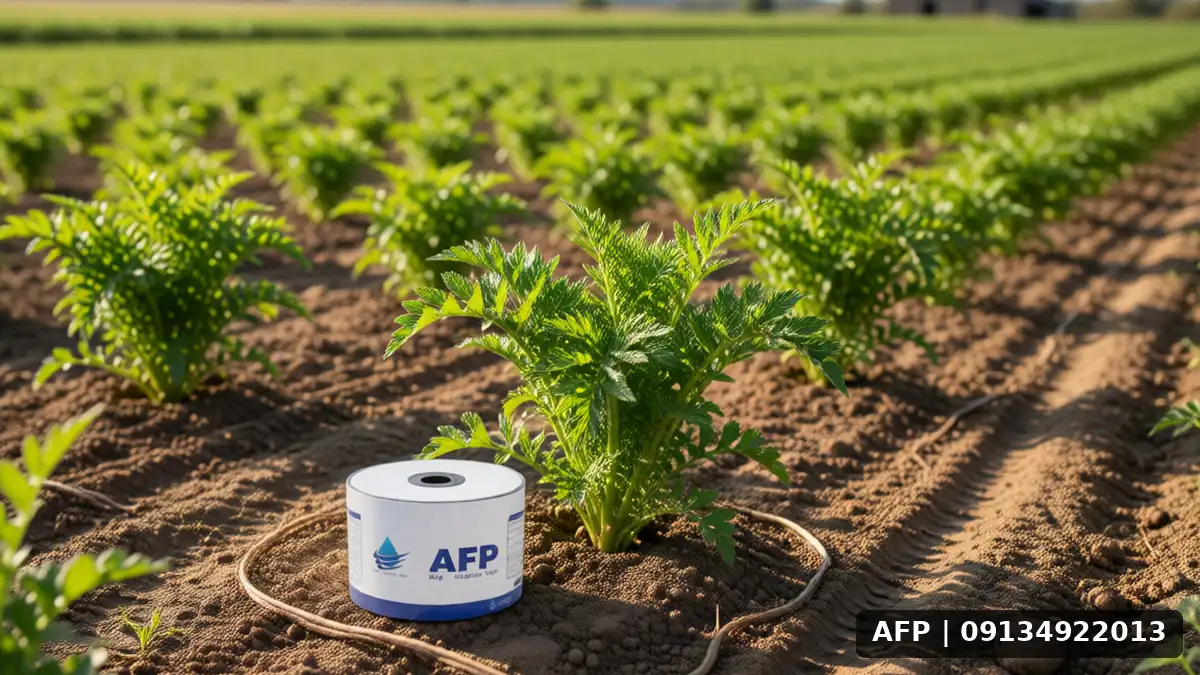
Harmful carrot pests include root aphids, wireworms, and soil-dwelling mites. One intelligent method is the use of systemic pesticides via the irrigation system (phyto-spray). Since carrots are a root crop, pesticide absorption through the roots to the leaves is more efficient than surface spraying. In this method, the plant sap becomes contaminated with the active ingredient, causing feeding pests to die. Increasing the lifespan and improving the performance of drip tape This is critical in these methods, as clogging of emitters or water leakage can lead to uneven distribution of the pesticide and damage to healthy plant tissues. Additionally, high surface moisture attracts pathogens, which can be managed through controlled surface irrigation.
Scheduling tables for pesticide application through drip irrigation
- Weeks 4 to 6: Onset of root aphid aggregation; apply Adupro.
- Weeks 8 to 10: Peak wireworm activity; use biomolecular insecticides.
- Week 12+: Prevention of yellow rust disease with Fenpiclon spray.
To determine the exact amount of pesticide per hectare and how to calculate the dosage, observing the onion seedling harvest per hectare can be argued as a reference for dosage calculation in similar ring crops. However, carrot dosages are slightly different and must be adjusted based on soil temperature.
[{{{{IMAGE_2}}}}]
Weed control using irrigation techniques
Weeds disrupt carrot growth by competing for moisture and light resources. Drip irrigation severely limits weed growth outside the wetted strip because it wets only the narrow band under the pipes. This phenomenon is known as ‘targeted herbicide-free irrigation.’ If you are using a tip line, ensure it is placed directly over the seed row so carrot roots have full access to water, while small weeds in the space between the lines remain and dry out. Adhering to key precautions when using a drip irrigation tip line prevents the line from being damaged by weeds and rodents.
Preventing root rot by adjusting dripper spacing
Carrot roots are sensitive to oxygen availability. If drippers are spaced closely and high flow rates are used, oxygen saturation around the roots decreases, allowing rot-causing bacteria (such as Pythium and Sclerotinia) to thrive. Correct flow rate and spacing settings must be adjusted based on carrot size at various growth stages. In early stages, use drippers with lower flow rates and wider spacing. During the root-growth stage, water volume should be increased. This precise adjustment requires knowledge of irrigation systems. For those new to cultivation, studying subsoil irrigation for orchards can provide a general understanding of irrigation cycles for subsoil crops.
Harvesting and reducing physical damage
Carrot is a sensitive crop. With drip irrigation, watering should not be stopped until 3 to 5 days before harvest to ensure adequate moisture for root detachment from the soil. Additionally, high ambient humidity can attract insects to the roots. The yield per hectare in root crops depends directly on root health and the absence of wounds or rot. If moisture levels are too high in the final week before harvest, the risk of carrot cracking increases. Precise moisture control using online tensiometers in a drip system is a reliable solution to prevent these issues.
Frequently Asked Questions (FAQ)
Does fertigation via drip tape cause tape erosion?
No, provided that the appropriate filter is used and chemical concentration is regulated. However, continuous use of chemicals with incompatible pH can degrade the tape. Always flush the tape after chemical application. To prevent leaks and clogging, using city filters is essential.
What is the best time to start drip irrigation in carrot cultivation?
The optimal time to start irrigation is 48 hours after sowing to ensure seeds are fully saturated and the germination process is complete. If soil is irrigated before sowing, seeds may settle at uneven depths, resulting in non-uniform crop emergence.
Does drip irrigation prevent the growth of wireworms?
No, drip irrigation alone does not prevent wireworms. However, by reducing surface moisture, it lowers the likelihood of wireworms migrating from moist soil to carrot roots. For complete control, you must use physical trapping or systemic pesticides.
Which type of drip emitter is most suitable for carrots?
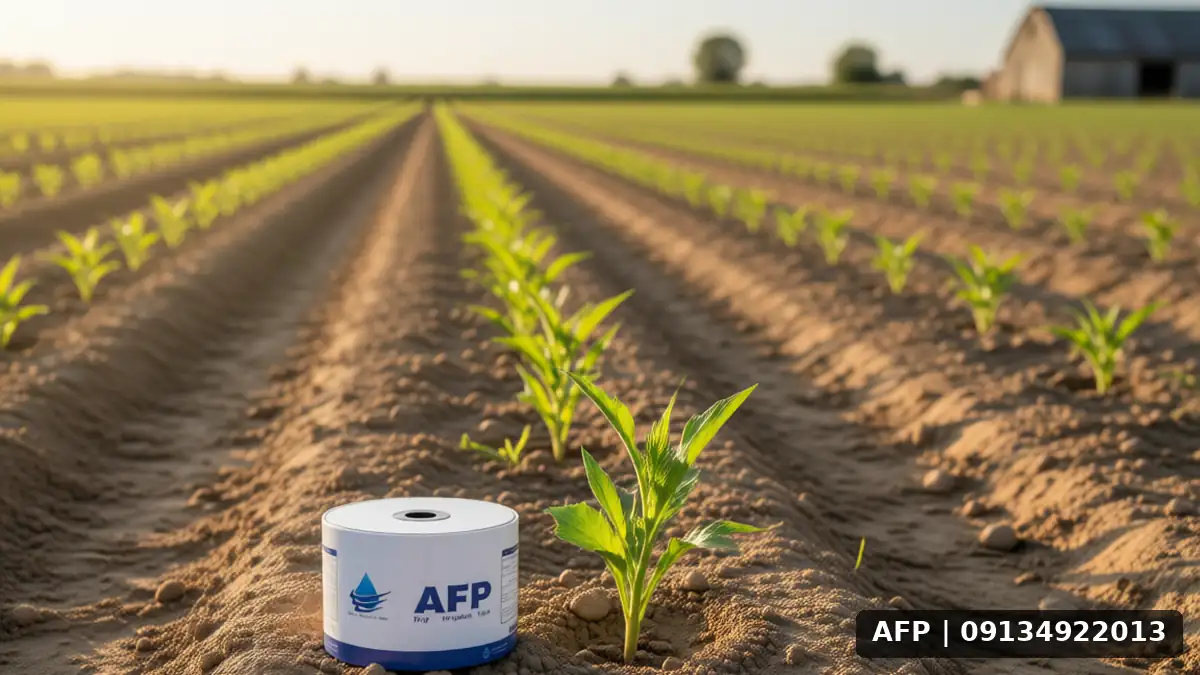
Tape drippers with a spacing of 20 to 30 centimeters and a flow rate of 1 to 1.5 liters per hour are ideal for carrots. Closer spacing causes uneven moisture and rotting, while wider spacing creates relative dryness between drippers, which can encourage weed growth.
Final Conclusion
Managing carrot pests and diseases with drip irrigation is an integrated and scientific approach that creates a suitable environment for plant growth and eliminates conditions favorable for pest development, rather than fighting pests directly. By using high-quality tape drippers, precisely adjusting irrigation timing and flow rates, and properly combining pesticide application with irrigation, pest control costs can be reduced and product quality maximized. The final recommendation is to conduct soil sampling before the start of each season to identify existing fungal types and establish a more precise pesticide application plan. This approach increases economic returns and reduces post-harvest losses.
[{{{{IMAGE_3}}}}]
Related articles: Rotational irrigation agricultural land advantages D988 disadvantages, Radish drip tape