Pest and Disease Management for Parsley in Drip and Tickle Irrigation Systems
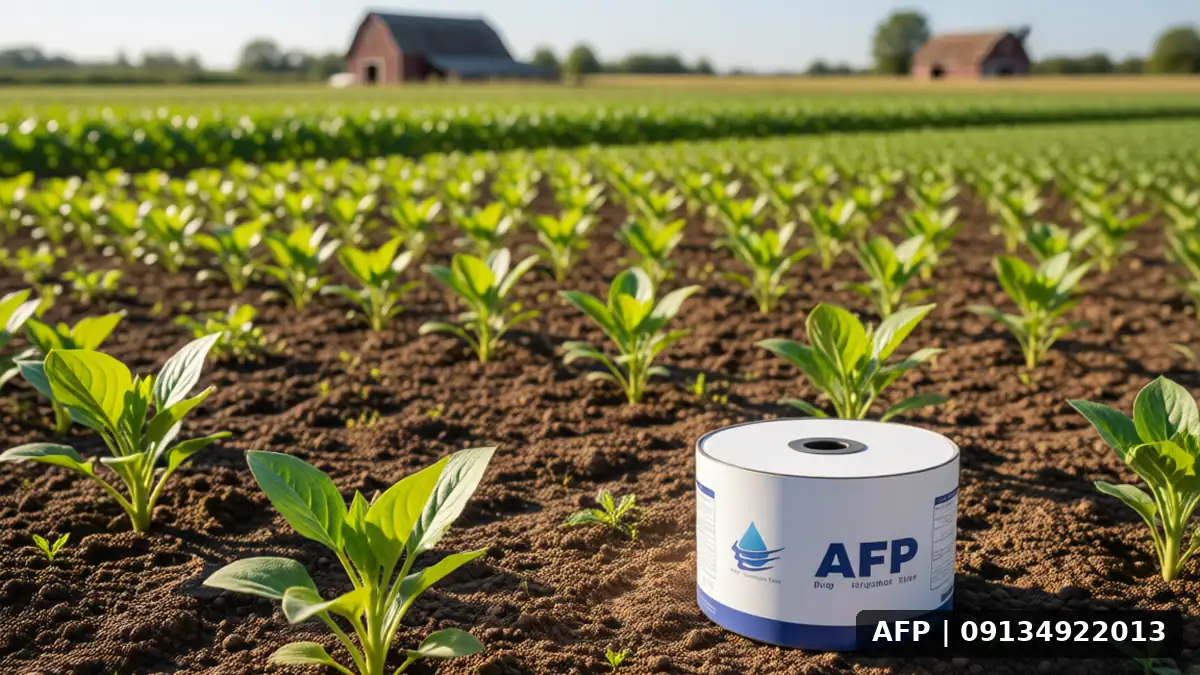
Introduction: Why is Parsley More Sensitive Under Drip Irrigation?
Parsley is a leafy vegetable crop with high water demand but low tolerance to excessive root-zone moisture. In traditional irrigation methods such as flooding, the high soil moisture content creates an ideal environment for the development of root and collar rots. However, when drip irrigation is used, our goal is to exert more precise control over root-zone moisture so that the crop’s water needs are met while preventing conditions that favor intense soil-dwelling pest activity. This article examines the specific challenges parsley faces when managed under modern irrigation systems.
Impact of the Irrigation Pattern on the Prevalence of Fungal Diseases
One of the most critical considerations in parsley cultivation is managing the relative moisture of the growing medium. If irrigation is applied continuously and excessively, root respiration is impaired and the plant becomes more susceptible. This weakened state creates a gateway for pathogens such as Pythium and Fusarium which cause gray mold and root rot.
The role of tape drip in reducing direct contact
- Tape Irrigation: This system’s even water flow ensures that moisture is retained as a narrow band at a specific depth, rather than throughout the soil surface.
- By reducing moisture at the plant’s canopy, the likelihood of leaf diseases such as brown spots is decreased.
- Using appropriate drip emitters at an adequate distance from the plant’s root zone helps prevent the displacement of water and soil, and avoids splashing fungal spores onto fresh leaves.
To better understand the appropriate water pattern, you can refer to the guide for identifying tape irrigation points to ensure even moisture distribution.
Physiological and Chemical Pests in Drip Systems
Drip irrigation is not merely an irrigation method, but a chemical management tool (phytorem). Many diseases show sensitivity to rapid changes in soil salinity and irrigation pulses.
Leaching soil salinity and controlling whiteflies and aphids
- Increased leaching pressure: Some small pests, such as ephydrids, are washed away under the flow pressure of drip irrigation or their habitat conditions are altered.
- Reduced growth rate of weeds: Although coriander does not create a shading effect, the limited moisture of the drip line can reduce the germination rate of competing weeds during the spray.
In addition to irrigation, proper nutrition plays a decisive role in plant resistance. To understand the nutrition principles for vegetable crops, review the article on the importance of Sizin Noareh Seed Tube and Pipe (which covers basic nutrition and planting principles). However, we emphasize that selecting healthy seeds is the first step in preventing internal pests.
Specific Challenges in Parsley: Crown and Root Rot
Parsley has high sensitivity to Crown Rot. In improper irrigation systems, water accumulates around the crown. If drip emitters are positioned directly under the crown, this causes increased humidity and activity of Rhizoctonia fungi.
Practical Solutions to Prevent Crown Rot
- Creating a Small Mound (Mounding): During planting, create a small mound around the crown to allow water to drain away.
- Adjusting the Drip Line Height: Position the tube drip line so that water is discharged from one side of the crown (e.g., behind the crown), preventing moisture from directly hitting the crown tissue.
- Mulching application: Mulching with clear or brown plastic maintains soil moisture and prevents direct contact between the stem and wet soil.
Also, in tropical regions where cilantro is exposed to intense sunlight, using drip tape instead of scattered drip emitters provides better control over the soil temperature around the roots. As a supplementary information source, you can Benefits of drip tape to read and better understand the advantages of this system under various geographical conditions.
Pest management table in the drip irrigation system
Below is a summary of pest control strategies for cilantro in relation to irrigation:
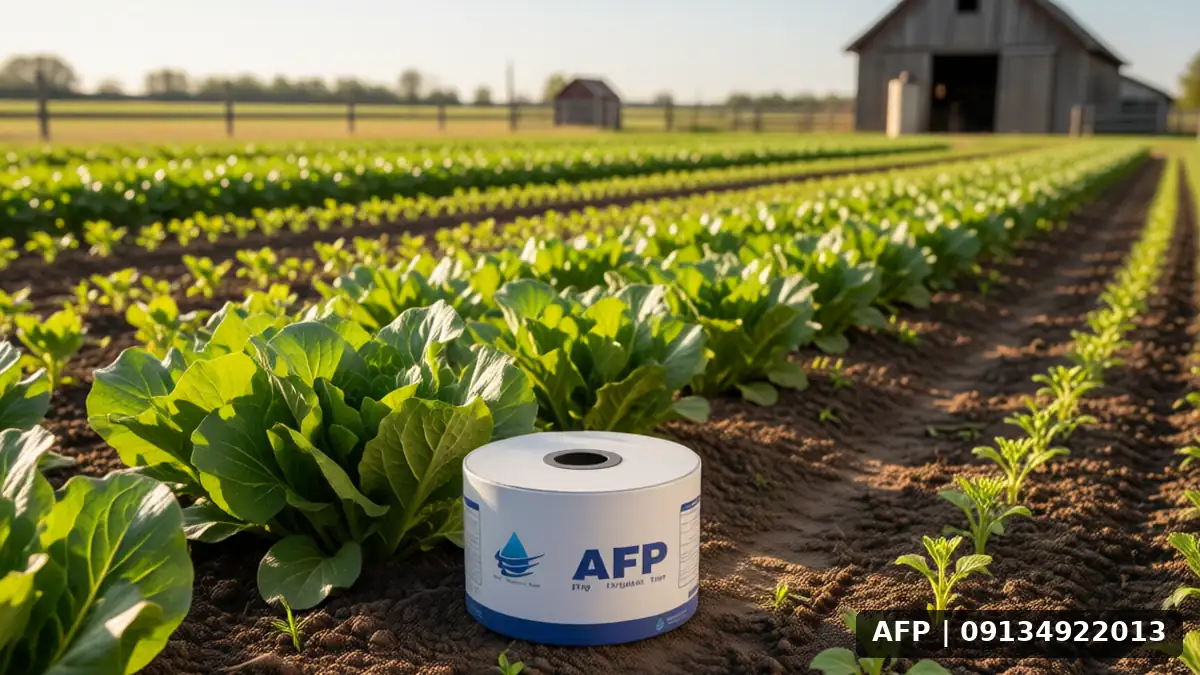
Practical tips for intercropping systems
Sometimes parsley is grown intercropped with other vegetables. In this case, irrigation coordination is critical. Plants with different water requirements should not use the same unadjusted system. For example, if you intercrop parsley with high-density root plants, you need more precise water volume adjustments. In this regard, understanding the differing water needs of various plants is key. You can find a model for yield and water management in other plants by reviewing the guide, Spring barley yield per hectare, which helps better understand the scaling of irrigation application.
Additionally, for plants intercropped with parsley, such as okra or mallow, planting density management directly affects airflow and fungal reduction. Calculating the okra seed rate per hectare can help you determine the optimal density to reduce humidity and increase air circulation in intercropped fields.
Frequently Asked Questions (FAQ)
Does drip irrigation cause salt accumulation around the base of parsley?
Yes, if salt leaching is not performed at the end of the irrigation pulse, salt accumulation (Salinity) in the root zone occurs, which can lead to leaf spotting and plant weakness. Always allocate 10 to 20 percent of the irrigation volume for salt leaching.
What is the difference between tape and subsurface drip in managing parsley diseases?
Tape irrigation creates a more uniform moisture pattern, preventing alternating dry and wet spots, which is crucial for uniform parsley root development. Subsurface drip emitters may create distinct wet and dry zones, where fungi are more active at the boundary between these two areas.
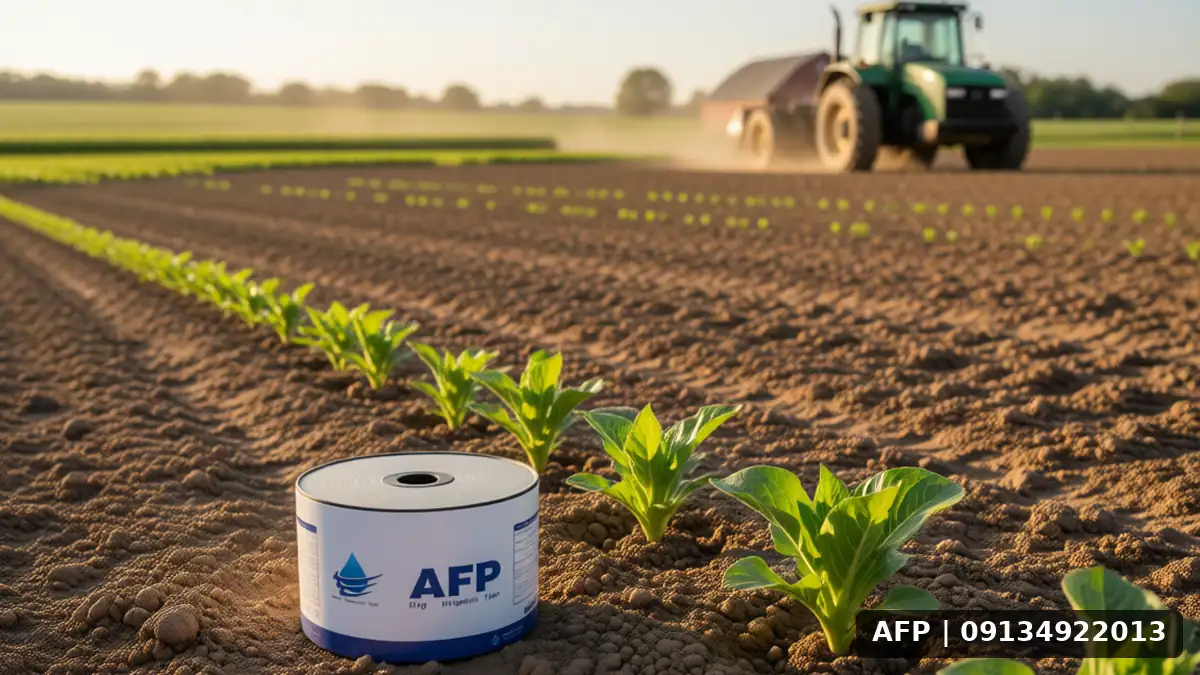
Can foliar spraying prevent fungal infections through direct root drip irrigation?
Subsurface Drip Irrigation (SDI) is highly effective for reducing surface diseases, as it minimizes soil surface moisture. This method may have installation complexities in high-terpenoid coriander, but it is recommended for large, high-value farms.
Summary
Management Pests and Diseases in Coriander with Drip Irrigation An active approach, not just an irrigation system. By precisely controlling moisture, reducing water contact with the crown, and creating unfavorable conditions for fungal growth in the topsoil, you can reduce reliance on chemical pesticides. Remember that every irrigation system must be tailored to soil and climatic conditions. To learn about general daily irrigation principles and their positive effects on plants, you can read the article ‘What is Subsurface Irrigation and Its Characteristics’ (for comparison with traditional methods). Ultimately, success in growing healthy green coriander is the result of combining quality seeds, correct drip line installation, and continuous pest monitoring.
Related articles: basil harvest yield per hectare guide