Pest and Disease Management in Triticale Under Drip Irrigation Systems
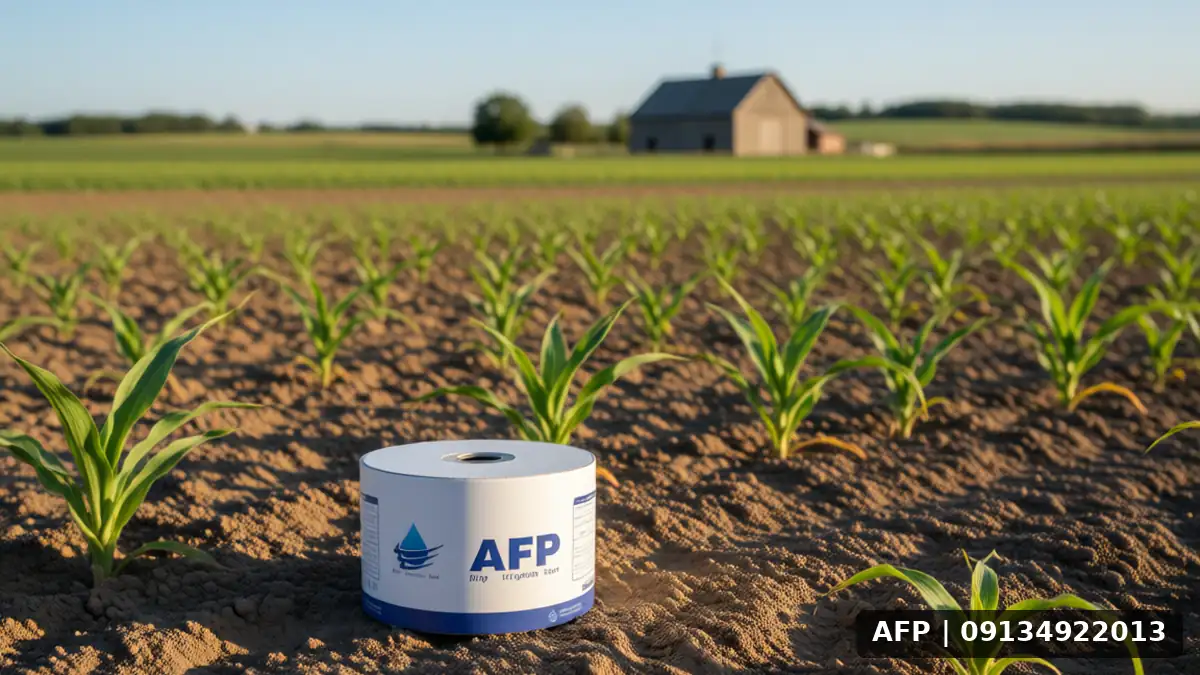
Introduction to the importance of integrated pest and disease management in triticale
Triticale is a hybrid crop derived from the cross between wheat and rye. Due to its superior tolerance to drought and cold, it is widely used in cold regions and areas with irregular rainfall. However, one of the main challenges in cultivating this crop is the effective management of pests and diseases. Under improper irrigation conditions, fungal diseases such as triticale rust and leaf spots can spread rapidly. Therefore, using modern irrigation methods like beet-tip or drip irrigation can alter environmental conditions to benefit the plant and reduce the risk of disease infection. These modern systems prevent the creation of moist and stagnant spaces for the growth of pathogenic microorganisms by altering moisture dynamics.
<>
The impact of drip irrigation on disease conditions
Soil moisture control and reduction of fungal pressure
Many fungal diseases of triticale, such as yellow rust (Puccinia hordei) and brown spot (Septoria nodorum), grow and multiply in high humidity conditions and with prolonged leaf wetness. Drip and beet-tip irrigation deliver water directly to the root zone and reduce the wetness of the leaf bases, thereby reducing the fungal-infected surface. In contrast, flood or sprinkler irrigation, which raises relative air humidity due to uniform water application, can create favorable conditions for fungal sporulation. Therefore, in beet-tip systems where water penetrates directly to the roots from inside the needles, environmental conditions are, in a way, in favor of plant health. To better understand the sub-surface irrigation processes that affect the root and soil, you can articles on sub-surface plant irrigation study these methods. By neutralizing relative humidity in the upper soil layers, they prevent cellular plasmolysis caused by fungal stress.
Preventing the growth of soil-borne pests through precise moisture management
Soil-borne pests, such as soil-dwelling worms and mites, are also dependent on moisture conditions. Using band drip systems, moisture is maintained locally around the roots, while the drier areas surrounding them prevent the migration and reproduction of many pests. Compared to surface irrigation, this method reduces soil-borne pest infestation and lowers the need for early-stage chemical insecticide use. The division of dry and moist zones in the field acts as a physical-biological barrier against soil-borne invaders. Furthermore, reducing surface moisture prevents the formation of viscous gels that serve as suitable hiding places for the egg-laying of some pests. With this approach, chemical treatment remains a precautionary and targeted option rather than continuous application. Farmers should benefit from the high biodiversity of the soil microflora to compete with pathogens.
<>
Volatile insect pests in triticale and control strategies
Insects such as millet aphids and general aphids are primary vectors for virus transmission. These pests can be managed through the use of a drip irrigation system to control leaf surface humidity, thereby preventing the growth of aphid and millet aphid populations, which reproduce more effectively under moist conditions. Furthermore, precise irrigation scheduling helps prevent sap accumulation on leaf surfaces, which weakens plant defense capabilities. In this regard, understanding appropriate yield levels and care principles becomes doubly important; therefore, studying articles on the use of biostimulants can be beneficial. This integrated management reduces the secondary costs of post-damage control. By maintaining moisture balance, millet plants experience less stress and activate their biochemical defense mechanisms more effectively.
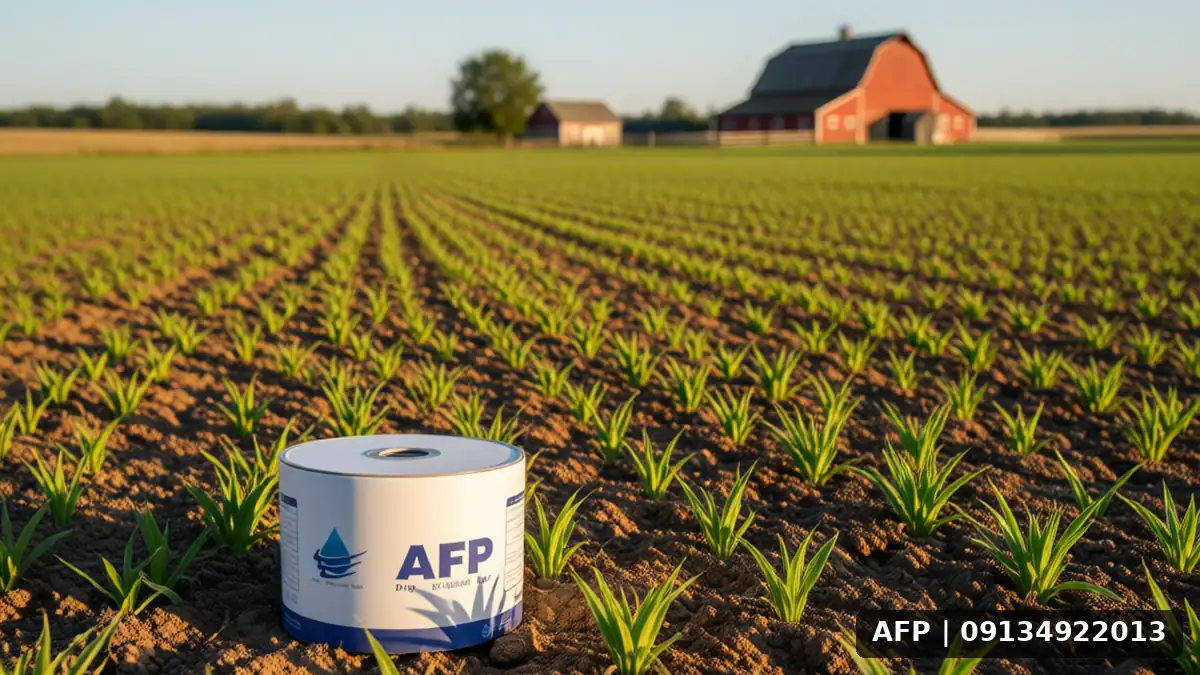
- Millet aphids: By controlling humidity and preventing the accumulation of moist leaves, the migration conditions for this pest are reduced.
- Aphids: High leaf moisture leads to faster aphid reproduction; drip irrigation reduces this risk.
- Rice weevils: By maintaining humidity below the soil surface, the migration of soil-dwelling larvae to the surface is reduced.
<>
Practical tips for optimizing irrigation in sorghum millet fields
- Balancing moisture and growth rate: Avoid over-irrigation. The growth rate of sorghum millet must be synchronized with water supply so the plant has time to establish its natural defenses. Imbalance in moisture can cause micro-cracks in plant tissue, allowing easier entry of pathogens.
- Using drip tape with precise droppers: Sorghum millet is usually planted with narrow row spacings (between 30 and 50 cm), making 16 mm diameter drip tape with 8 cm driplines suitable. This helps keep only the soil around the roots moist. The correct selection of drip tape diameter plays a key role in maintaining irrigation flow stability.
- Monitoring filters and drip lines: Sorghum millet, due to its deep and sensitive roots, is quickly stressed if clogging occurs. Proper filters and regular flushing of the lines prevent blockages and localized drought stress conditions, which themselves increase disease susceptibility. In this regard, study Articles on drip tape maintenance costs It helps you become familiar with suitable droppers and pipes.
- Weekly bed monitoring: Even with drip irrigation, visual monitoring for leaf rust or insect pest accumulation is mandatory. Early identification allows for the prevention of their spread. Monitoring from a short distance at various angles significantly improves detection accuracy.
Frequently Asked Questions (FAQ)
Conclusion
Ultimately, managing pests and diseases in triticale using drip and tape irrigation systems is not merely an alternative to sprinkler irrigation, but an integrated strategy for creating an optimal growing environment and reducing plant damage. By controlling leaf wetness duration and reducing pressure from soil-dwelling pests, you increase the likelihood of producing healthier crops with lower risk. Therefore, investing in high-quality tape and drip systems, alongside training and regular monitoring, helps you obtain a triticale crop that is resilient and adaptable to climatic conditions. We hope this guide is helpful for your decision-making and that you follow our other articles on navar-abyari.ir to learn more in this field. Utilizing new agricultural technologies is a solid step towards the sustainability of natural resources and the rural economy.
Related articles: Related article Related article Related article D8AFD8B1 Related article