Node Irrigation in Rice Cultivation: A Comprehensive Guide
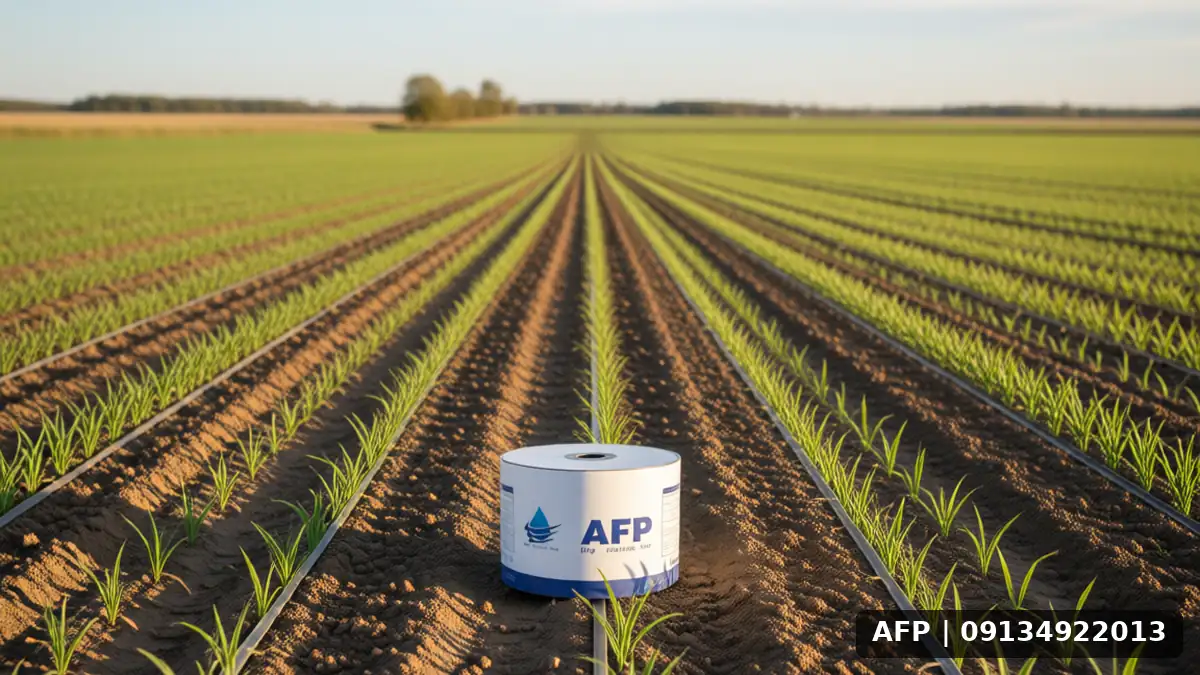
Introduction to the Importance of Node Irrigation in Intercropping
Intercropping (Grazing or Understory cropping) is one of the methods of smart agriculture in which main crops are vertically zoned; that is, a primary crop (such as dense grainers) and a secondary crop (such as vegetables or cover crops) are planted simultaneously. This method ensures that the soil surface remains under plant cover throughout all growth seasons, prevents soil erosion, and significantly increases spatial efficiency. However, managing water resources in this complex two-layer system remains a major challenge. Node Irrigation in Intercropping The engineering and scientific answer to this challenge. While Drip Tape systems are very common for main rows, the water requirements and root depths of intercropped (understory) plants differ. Therefore, using drip tapes with adjustable nodes or composite tapes enables independent management of water flow for each vegetative layer. The objective of this comprehensive guide is to provide all technical points, operational cuts, and equipment selection principles so that farmers can benefit from intercropping without concern over water stress.
Technical Principles and Types of Node Systems in Intercropping
To gain a deep understanding of this topic, one must first familiarize oneself with the types of drip tapes and knotting mechanisms. The knot system is generally divided into two categories: tapes with fixed knots and tapes with adjustable knots. In cover cropping, adjustable knot tapes are preferred because understory plants (such as night-flowering bush, spinach, or young forage crops) require less and more consistent water than main layer plants. Using a fixed system with high pressure can cause the cover crop plants to suffer from seed drop or leaf burn at the root level. To learn about the variety of crops used in cover cropping, you can review the comprehensive pumpkin planting guide, as pumpkin is sometimes planted as a high-water-requirement understory layer alongside small-vegetative vegetables. Below, we examine the comparative table:
- Main Tape (Tape): Suitable for main rows. A typical knot spacing of 30 to 60 centimeters is standard.
- Micro-tape (Micro-tape): Suitable for cover crop lines. Smaller internal diameter (typically 16 or 19 millimeters) and knot spacing of 10 to 15 centimeters.
- Hybrid Tape (Hybrid): Features two circuits or two types of knots in one hose, allowing for independent flow adjustment.
The choice of tape type depends on field dimensions and the pressure system type. In this regard, familiarization with types of drip irrigation pipes can help better understand the compatibility of knot tapes with main pipes. It is recommended to review the guide on drip irrigation tape types before selection to make a better choice based on row width and planting depth.
Practical Guide to Installing and Configuring Node Irrigation
Correct installation accounts for half of the success. In intercropping systems, the burial depth or placement level of the drip tape must be precisely adjusted. Typically, the main line tape is placed at a depth of 15 to 20 cm, while the intercroke stripe tape is placed at a depth of 8 to 10 cm. This vertical distance should not significantly interfere with the roots of the main crops or at least prevent intense root competition. In practice, using pressure-compensating nodes is recommended to ensure uniform water delivery in case of pressure drop at the end of the line. To calculate the number of plants and nodes, you can refer to the seed quantity guide for forage corn per hectare, as corn is usually one of the main crops in intercropping systems, and its planting density directly affects the number of nodes required.
- Step One: Network Design. Based on the width of the main row and the intercrop row, determine the spacing of the tapes.
- Step Two: Pressure Regulation. The system operating pressure must be between 1.5 and 3 bar. Pressure exceeding this range causes water to spray at the node locations and leads to excessive wetting of the intercrop bed.
- Step Three: Installation and Connections. Use pressure-resistant plastic connectors and ensure that the flexibility of connecting hoses does not apply pressure on cover crops.
Another important point is irrigation timing. Cover crops require shorter and more frequent irrigation cycles. Therefore, if you are using an adjustable system, reduce the flow slope for the cover crop strip. In some farms, using tee strips for bananas is also notable; although bananas generally do not have cover crops, the knotting principles are similar. For comparison, you can look at the drip strip guide for banana irrigation in Tajikistan (as an international example), where thick knots are used for perennial plants.
Water resource management and soil erosion reduction
One of the main objectives of cover cropping is maintaining soil moisture and reducing evaporation. However, if knot irrigation is not performed correctly, the result may be counterproductive. Water discharge at the surface promotes weed growth, which competes with cover crops for nutrients and water. By carefully adjusting the knots, bed moisture retention can be controlled and surface erosion prevented. Here, understanding the seed-to-water ratio is important. For some cover crops such as green beans, water requirements differ. Studying the green bean seed quantity guide per hectare and the planting guide can help you adjust the amount of water allocated to each row based on planting rate and plant density.
Additionally, using drip tape significantly reduces water consumption compared to surface irrigation. This long-term savings lowers pumping costs and preserves deep soil fertile layers. A subtle point is that in intercropping, shading from the main crop on the cover crop strip can promote the growth of pathogenic fungi in the tape bed. Therefore, aeration of the bed and selecting tapes resistant to UV and microbes are critical. To ensure system health, you can also review the operating guide for corn, which contains sections dedicated to maintaining outdoor irrigation systems.

Frequently Asked Questions (FAQ)
Is drip irrigation suitable for all cover crop species?
No. Plants with very shallow roots and high sensitivity to water potential stress are better supplied by rainfall or surface sprinkler irrigation, unless very thin tapes with closely spaced emitters are used. Deep-rooted plants (such as corn or large seeds) are the best option for combined drip systems.
What is the appropriate emitter spacing on a cover crop drip line?
For leafy vegetable crops, a spacing of 10 to 15 centimeters is ideal. This spacing ensures the bed remains uniformly moist and prevents water accumulation at a specific point.
How should I adjust the system pressure?
Use a pressure gauge at the beginning of the hose. Pressure should not exceed 2 bar, unless adjustable pressure regulators are used. Offset pressure loss at the end of the hose by increasing the diameter of the main hose, not by increasing the inlet pressure.
What is the difference between tape and line drip in Gole Rang?
Line drip (Emitters) features individual nodes placed along the hose, while tape is a very thin tube that provides drip flow through itself. Tape is cheaper and more flexible in Gole Rang, but line drip has a longer lifespan.
Do I need different emitters for planting squash next to seeds?
Yes, squash has very high water requirements. If squash is one of the main layers, the main emitters should be adjusted for a higher flow rate. The comprehensive guide for planting pumpkin provides more details on the emission rate for this crop.
Conclusion and Final Recommendations
Implementation Drip irrigation in cover crop cultivation It requires precise planning and a deep understanding of crop growth stages. By selecting adjustable dripline tapes, maintaining proper pressure management, and synchronizing the water application rate with the fertigation rate, you can double your efficiency. Do not forget that cover cropping is a complex ecosystem; any change in the density of the main crops directly affects the water requirements of the cover crops. Utilize expert consultation and annually review system performance based on climate variations and crop types. By ensuring equipment health and optimizing the network, you not only protect groundwater resources but also bring your product quality and quantity to the desired level. This initial investment in irrigation technology will yield multiple returns in the long run.
Related articles: Comprehensive guide to planting pumpkins, sesame seed quantity per hectare yield tips, mikdori tuhmiy javorimakshidon hoti gakhtar, types of drip tape irrigation tubes