Drip Irrigation and Soil Management: A Comprehensive Guide to Optimizing Water Use and Increasing Productivity
Introduction to Drip Irrigation and the Importance of Soil Management
Today, with rising water resource costs and climate change, the transition from surface irrigation to modern, precise systems such as drip irrigation is a complete necessity for farmers. However, merely installing drip emitters or tape lines is insufficient; the key to success lies in understanding the interrelationship between the irrigation system and soil dynamics. Soil management means maintaining proper structure, permeability, and moisture in the root zone, which directly impacts irrigation system efficiency. A drip irrigation system that does not account for soil characteristics may lead to water waste or root stress. Therefore, integrating soil science knowledge with irrigation engineering forms the foundation of success in modern agriculture.
In this guide, we examine in detail how drip irrigation aligns with soil science processes so that you can develop a dynamic and sustainable strategy for your farm. Our goal is to provide a practical roadmap that helps reduce water waste, improve plant nutrition, and extend the operational life of irrigation equipment. This comprehensive approach not only leads to cost savings on water but also ensures stronger rooting and, consequently, higher crop yields by preserving soil structure. Farmers must understand that drip irrigation is not merely a tool, but a resource management philosophy that requires continuous monitoring and expertise.
Smart Irrigation Strategy: Soil Management Principles in Drip Systems
The Impact of Soil Type on System Design
Soils exhibit different responses to water based on their texture (sandy, loam, clay). In clay soils with low steady-state permeability, using high-flow emitters can cause water to accumulate on the surface, leading to temporary waterlogging. This may result in root rot and decay. In such cases, irrigation scheduling should use lower flow rates with more frequent cycles, combined with Important considerations before installing drip tape in the field is critical. Conversely, in sandy soils where water infiltrates quickly, using ported drip tape with specific spacing helps distribute optimal moisture within the root zone. Understanding these differences is a key prerequisite in system design, and ignoring them can lead to hidden costs. Additionally, installation depth and soil coverage type affect the water distribution pattern.
Chemical and biological soil management
Drip irrigation serves as a gateway for delivering chemical and biological nutrients. However, this process has two sides. High concentrations of fertilizers or soil amendments can cause salt precipitation around emitters or inside the microscopic pores of the drip tape. Therefore, regular flushing of filters and emitters after injection is a golden rule in soil management. Additionally, using weak acids to adjust the pH of alkaline water helps maintain healthy root growth and prevents chemical clogging. This comprehensive approach ensures long-term soil health. Negligence in these areas can quickly disrupt soil equilibrium and necessitate costly corrections. Proper chemical management is beneficial for plants and is also critical for the longevity of irrigation equipment.
Practical guide to selecting and installing drip tape and emitters
Selecting flow rate standards and hole spacing
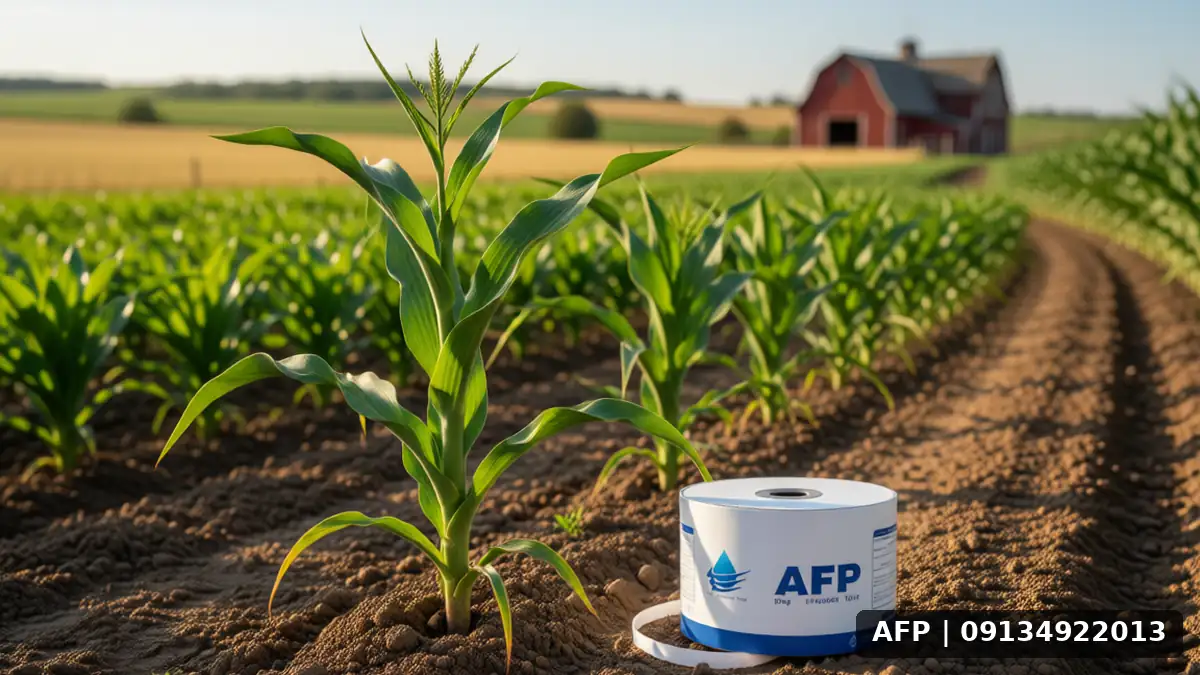
In row crops such as sugarcane or corn, the correct selection of drip tape must align with the row spacing standard. For many industrial crops, the recommended sugarcane row spacing standards can serve as a model for adjusting pipe spacing. If rows are dense, a drip tape with a lower flow rate (e.g., 0.5 liters per hour) with fewer emitters prevents water waste and runoff outside the root zone. Conversely, for cereals or dense plantings, the emitter spacing should be shorter to ensure uniform irrigation. These precise settings form the foundation of an efficient system. Incorrect flow rate selection can lead to excessive wetting of the soil surface and weed growth.
Key points in installation and execution
Above all, the cultivation surface must be cleared of stones and large roots to prevent the drip tape from tearing. The field slope should always be directed toward the water outlet to prevent suspended air from accumulating in the system and causing flow irregularities. For more information on technical principles, you can refer to the article Key points in drip tape irrigation which is a step-by-step guide for implementation. Also, using appropriate filters (disc or screen) based on water quality protects the line from microbial and chemical damage. Proper installation of connections and prevention of pipe twisting increase the durability of the system.
Maintenance and Optimization: Addressing Common Challenges
Preventing clogging and extending equipment lifespan
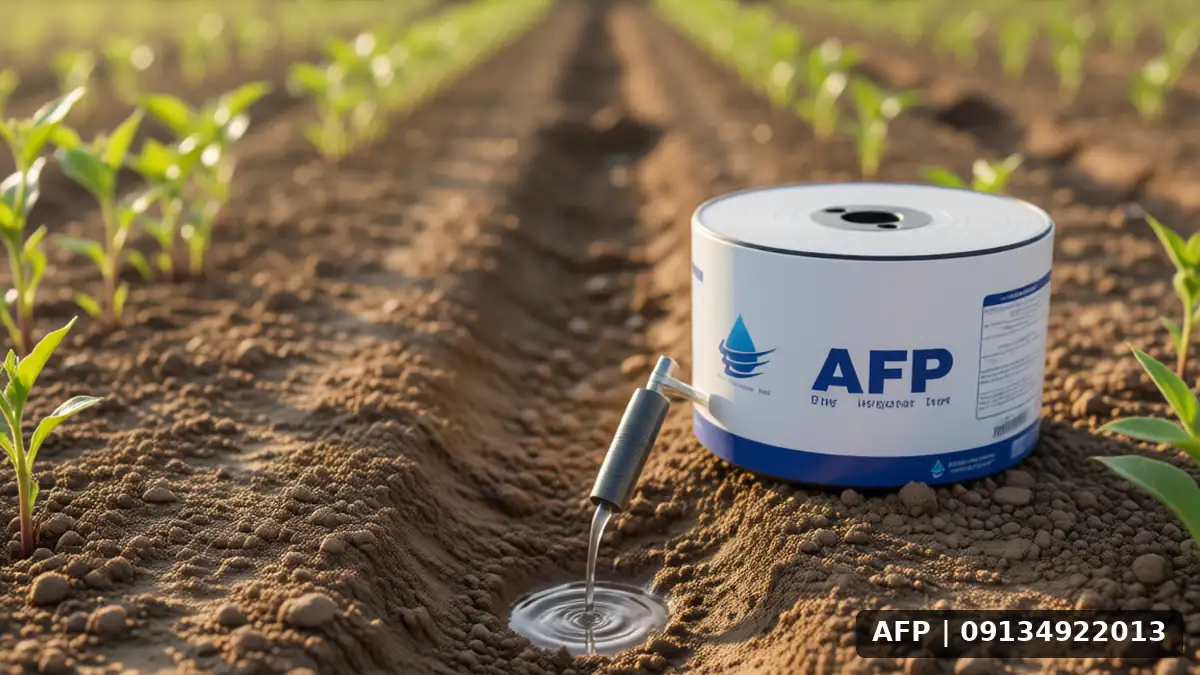
The useful life of drip tape depends heavily on water quality and operational management. Chemical precipitation of calcium and magnesium salts, green algae growth, and sediment sludge (biofilm) deposition are among the most common causes of emitter clogging. A flushing schedule at the end of each irrigation session, involving increased pressure on the system, removes suspended particles from the pipes. Additionally, understanding drip tape spacing and balance time under various weather conditions can help fine-tune soil moisture and prevent excessive drying between two irrigations. This continuous monitoring is the key to system durability and requires practical training for staff.
Maintenance costs and return on investment
Many farmers seek to optimize operational costs. A precise understanding of drip tape maintenance costs helps with budgeting for annual replacement or internal repairs. A system that is properly protected can last for years and, in the long term, generate significant savings in water and energy consumption. This economic perspective increases the value-added of the crop. Cost-benefit analysis shows that the costs of clogging prevention are much lower than the cost of replacing malfunctioning systems. The article on drip tape maintenance and costs covers more details in this area.
Frequently Asked Questions (FAQ)
Is drip irrigation suitable for all crops?
Yes, it is highly applicable to most row crops and even some cereal crops like barley. For example, in barley cultivation, which requires precise moisture control, fine-tuning drip irrigation flow can improve per-hectare yield by reducing water stress and promoting deeper root development. However, for dense plantings with narrow row spacing, using drip tape rather than rigid drip lines is often a more economical and efficient option. The choice of system should be based on climate, crop type, and farm resources.
Do drip systems cause soil salinity?
If not managed correctly, yes. Salt accumulation in the wet zone around the emitters can increase salinity. To prevent this, drip tape systems, which offer better uniformity, tend to concentrate salt less. Additionally, performing a leaching flush mid-season or before heavy rainfall helps wash out deposited salts and maintain root health. Regular monitoring of soil electrical conductivity (EC) is a key tool for salinity control.
How can I utilize online resources?
Websites and technical articles are the best resources for staying updated on technologies. For instance, if you wish to compare drip systems with subsurface irrigation, you can use comprehensive articles to understand the functional differences between these two systems and make better decisions for your farm. This continuous learning strengthens your strategy. Additionally, learning from other farmers’ experiences through digital platforms can help solve operational challenges.
Conclusion and next steps
Drip irrigation is more than just reducing water consumption; it is a comprehensive management tool for controlling soil, nutrition, and plant health. By combining soil science knowledge with the intelligent selection of equipment, such as drip tape with appropriate flow rates, you can elevate farm performance to a higher level. It is always recommended to have a precise plan for spacing, flow rates, and flushing schedules before starting the planting season. Investing in proper system maintenance leads to higher crop yields. By following these principles, your drip irrigation system will become a sustainable competitive advantage in agriculture. This approach is forward-looking and compatible with increasing water challenges.
Related articles: Drip tape maintenance and costs