Comprehensive Guide to Boosting Bock Choy Yield per Hectare Using Drip Lateral Lines
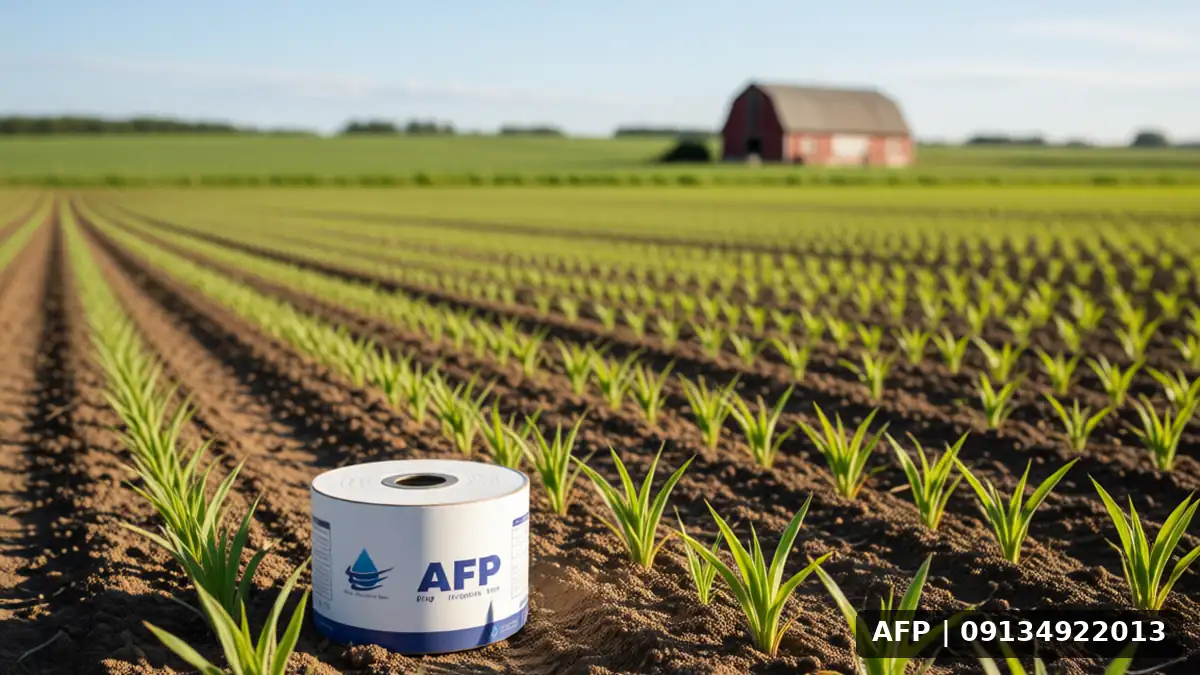
Introduction: The Importance of Tape Drip in Okra Cultivation
Modern farmers are seeking ways to increase farm productivity and reduce production costs. One of the main challenges in vegetable farming is the proper management of water and plant nutrition. As a fast-growing plant, okra requires optimal moisture and fertility conditions to achieve ideal growth. The use of the tape drip system is an innovative method that enables precise irrigation and fertilization. With this method, not only is waste reduced, but the okra yield per hectare using tape drip increases significantly. This technology creates an irrigation strip along the planting row, ensuring that roots are always in optimal conditions. Below, we analyze the technical aspects of this method and its impact on farm economics. Our goal is to prepare you for success in okra cultivation by providing a comprehensive guide. We will examine all dimensions of the subject, from selecting the type of tape to proper irrigation scheduling. This approach allows the plant to derive the maximum benefit from available resources. Additionally, reducing evaporation and water infiltration into deeper soil layers are key advantages of this system that must be considered. Therefore, proper understanding of tape drip is the key to achieving higher quality and quantity yields.
The Impact of Tape Drip on Okra Growth and Productivity
Root Zone and Uniform Water Distribution
One of the most important factors in determining okras yield per hectare with tape dripwater distribution around the root zone. The drip line, by creating a constant water flow in the immediate vicinity of the roots, ensures that moisture reaches all root sections uniformly. This prevents water stress during sensitive growth stages. Furthermore, this system enables fertigation. Given this method, one can observe a significant improvement in the water use efficiency in vegetable growth charts with drip irrigation when compared to conventional methods. When water and nutrients are placed exactly in the root zone, the plant expends less energy searching for water and nutrients. This energy saving directly leads to an increase in the volume and quality of bitter melon fruits. Additionally, the structural integrity of the soil in the drip line area allows roots to grow better and form a more complex network. This strong root network serves as a healthy foundation for climate resilience and pest tolerance. Consequently, farms using drip lines usually report higher plant survival rates. This is of double importance during dry seasons when water supply is difficult. Farmers can adjust the water flow rate to ensure that plants never face moisture deficit or excess.
Reduced water consumption and increased economic efficiency
The economic profitability of any crop primarily depends on production costs. Drip irrigation significantly reduces water consumption, thereby lowering energy costs. This system delivers water directly to the root zone, minimizing surface evaporation. Compared to soil irrigation, water loss can be reduced by up to 50 percent. This efficiency provides a significant competitive advantage, especially in water-scarce regions. Additionally, reducing the need for mechanical tillage and plowing lowers labor costs and machinery wear. Combining these factors reduces final production costs and increases profit margins. This makes cashew cultivation with drip irrigation more economically attractive. Farmers can achieve higher long-term productivity by investing in the system. Furthermore, reduced chemical fertilizer usage due to higher efficiency in solution absorption offers another advantage. When nutrients are delivered directly to the root zone, absorption is maximized. This prevents fertilizer waste and protects the environment. Therefore, drip irrigation is a sustainable solution for modern agriculture. This technology allows producers to generate higher-quality products at a lower cost.
Practical Guide to Drip Irrigation Installation and Management
Key Points During Planting
To achieve the best Cashew Yield per Hectare with Drip IrrigationProper installation execution is critical. One of the most important aspects is the appropriate distance between the crop rows and the drip line. Generally, the line should be positioned so that water flows directly into the plant’s main root zone. This distance may vary depending on soil type and climatic conditions. Additionally, the installation depth of the drip line must be calculated precisely. If the line is buried too deep, pipe installation costs will increase; if it is too shallow, it is susceptible to mechanical damage. It is recommended to use drip lines that are resistant to soil pressure and sunlight. Furthermore, using appropriate filters to prevent emitter clogging is essential. The filtration system should include multiple stages to remove all suspended particles. For maintaining the drip line in stable conditions, regular filter cleaning is a necessity. Neglecting this aspect can lead to uneven water distribution and reduced yield. Therefore, a regular maintenance schedule must be established.
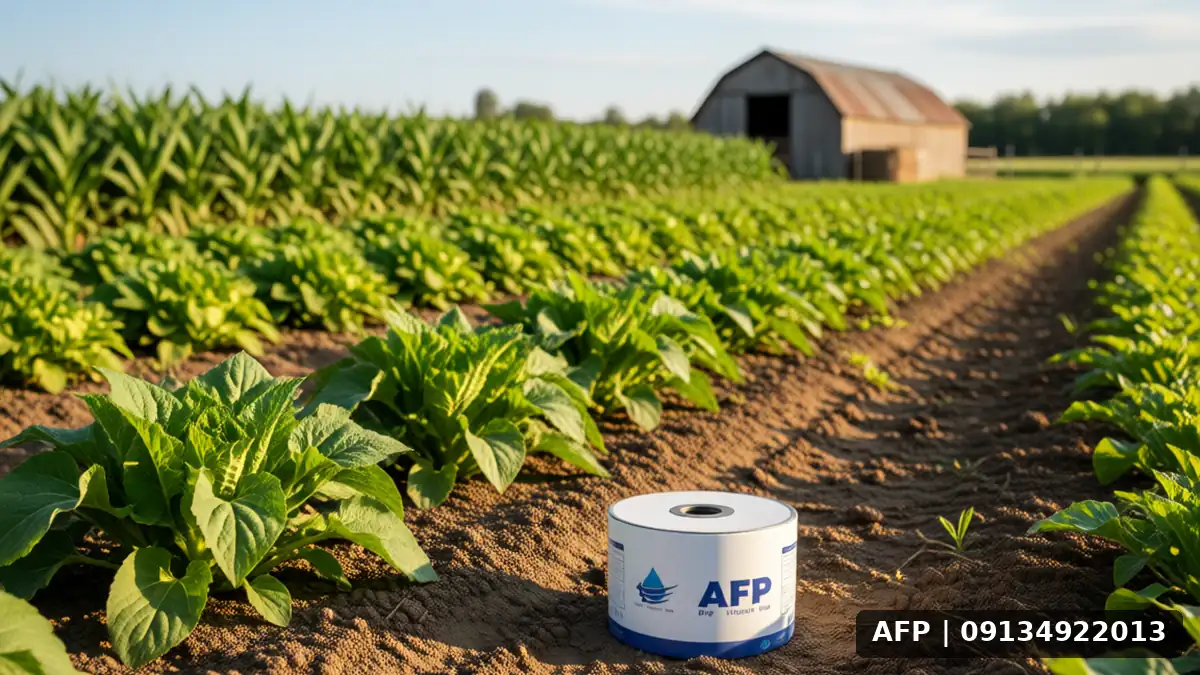
Irrigation and fertilization strategies
Proper irrigation management is the core of drip irrigation systems. Irrigation timing must be adjusted based on crop water requirements and weather conditions. Using soil moisture sensors can be extremely helpful in this regard. In addition to irrigation, fertigation of nutrient solutions offers a significant advantage. You can deliver nitrogen, phosphorus, and potassium fertilizers directly to the plants through the irrigation system. This method rapidly enhances nutrient absorption. Scheduling the frequency and concentration of fertilizers requires expert consultation. Furthermore, paying attention to solution concentration to prevent root damage is critical. The balance between water and nutrients must be precisely controlled. In fertigation for Okra via drip irrigation, smart controllers can be used. These devices automatically adjust water and fertilizer amounts based on environmental data. This automation increases precision and reduces human error. Finally, continuous monitoring of system performance ensures consistent results.
Frequently Asked Questions About Okra Cultivation
- Is drip irrigation suitable for heavy soils? Yes, but it requires precise adjustment of flow rate and pipeline depth. In heavy soils, permeability is lower, so care must be taken to prevent water accumulation.
- What is the approximate cost of system installation? Costs depend on the farm area and the type of drip tape used. However, return on investment is typically achieved within 1 to 2 cropping seasons. The initial investment is offset by savings in water and fertilizer.
- Is it compatible with crop rotation? Yes, provided the system is adjustable. You can replace or remove the drip tape lines. The system’s flexibility makes it ideal for multi-crop farms.
Conclusion and Final Notes
Ultimately, using drip irrigation is a reliable path to increasing productivity in vegetable cultivation, such as Okra. By increasing Bamya yield per hectare with drip irrigationfarmers can achieve higher profitability and environmental sustainability. This technology has revolutionized farm management by combining precise irrigation and targeted fertilization. Proper installation, regular maintenance, and meticulous planning are the three main pillars of success. By following these principles, you can fully exploit the potential of your farm. Additionally, attention to details such as spacing and drip depth directly impacts the final outcome. In today’s agricultural world, innovation and the use of technology are no longer an option but a necessity. Drip irrigation is the tool that addresses this necessity. By being aware of the advantages and disadvantages and considering specific farm conditions, you can make informed decisions. Furthermore, consulting with local experts in soil amendment and plant nutrition can optimize results. This multi-faceted approach ensures a successful season for Okra cropping. Let us create a green and bountiful future with wonder and precision. By choosing the right irrigation method, we take a step closer to food security and agricultural economic prosperity. This is an investment in a sustainable and robust future.
Related articles: Related article Related article Related article D8AFD8B1 Related article, Related article Related article Related article Related article, Related article Related article 3 Related article, negahdorii navori tip harajat